
You have already done the Mara. Maybe twice. You know the routine: dawn game drives, a river full of hippos, a sundowner with a view of nothing but grass to the horizon. It is wonderful, and it is also predictable now. If you are the kind of traveler who wants Samburu’s red earth, Laikipia’s conservancies, or something further off the map, the Loita Hills might be the answer you have not heard of yet.
This is not a safari with a vehicle. A Loita Hills Maasai cultural trek is done on foot, with Maasai guides who grew up in these forests. Here is what an honest trip actually looks like, with real numbers, not brochure talk.
Where the Loita Hills Are, and Why They Are Not the Mara
The Loita Hills sit east of the Maasai Mara, in Narok County, rising to around 2,600 meters at their highest ridges. They are close enough to combine with a Mara safari, but far enough that almost no other tourists go there.
The big difference is terrain and pace. The Mara is open savanna, built for vehicles and long sightlines. The Loita Hills are forested highlands, cut by streams, and built for walking. You trade wildlife density for quiet, culture, and a landscape that few outsiders have seen up close.
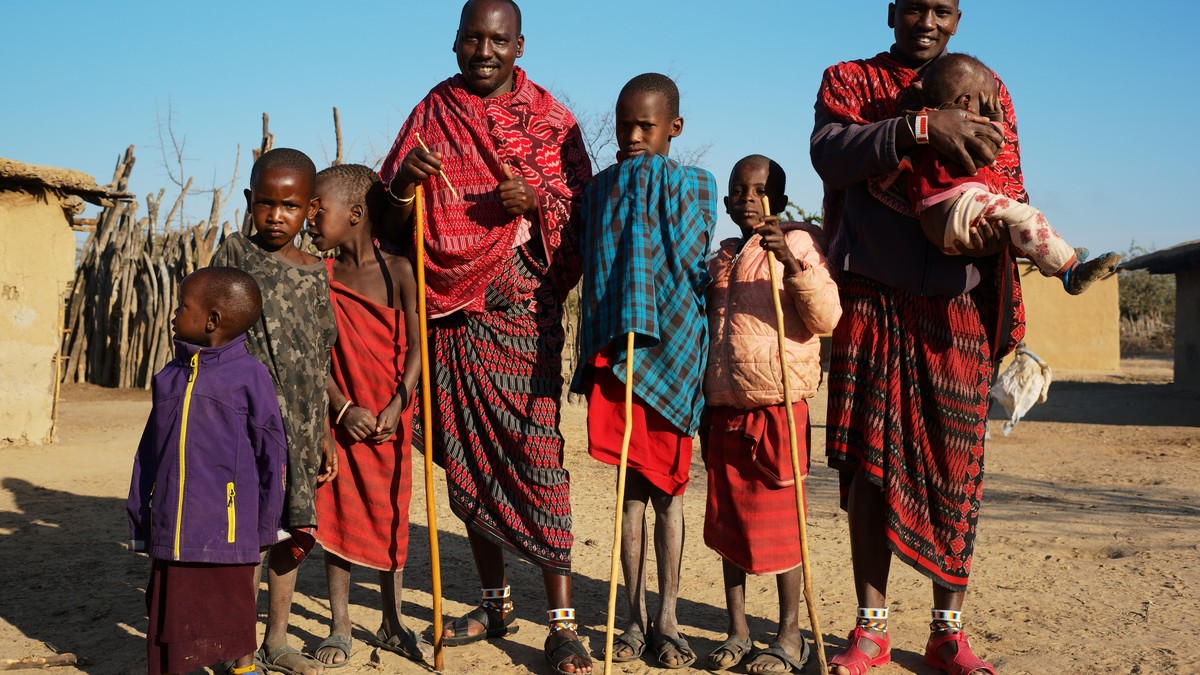
The hills are also home to one of the last Maasai communities still living a largely traditional life, with grazing, ceremony, and forest use intact rather than staged for visitors.
The Loita Maasai and the Forest of the Lost Child
At the heart of the hills lies Naimina Enkiyio, which translates roughly as the Forest of the Lost Child. Local legend tells of a child who wandered into the forest and was never found, and the name has stuck for generations.
This forest, sometimes called the Loita Forest, is one of the largest remaining stretches of indigenous highland forest in East Africa, managed communally by the Loita Maasai rather than as a government reserve. That community ownership is part of what makes a visit here different. You are a guest in a living system, not a paying visitor to a fenced attraction.
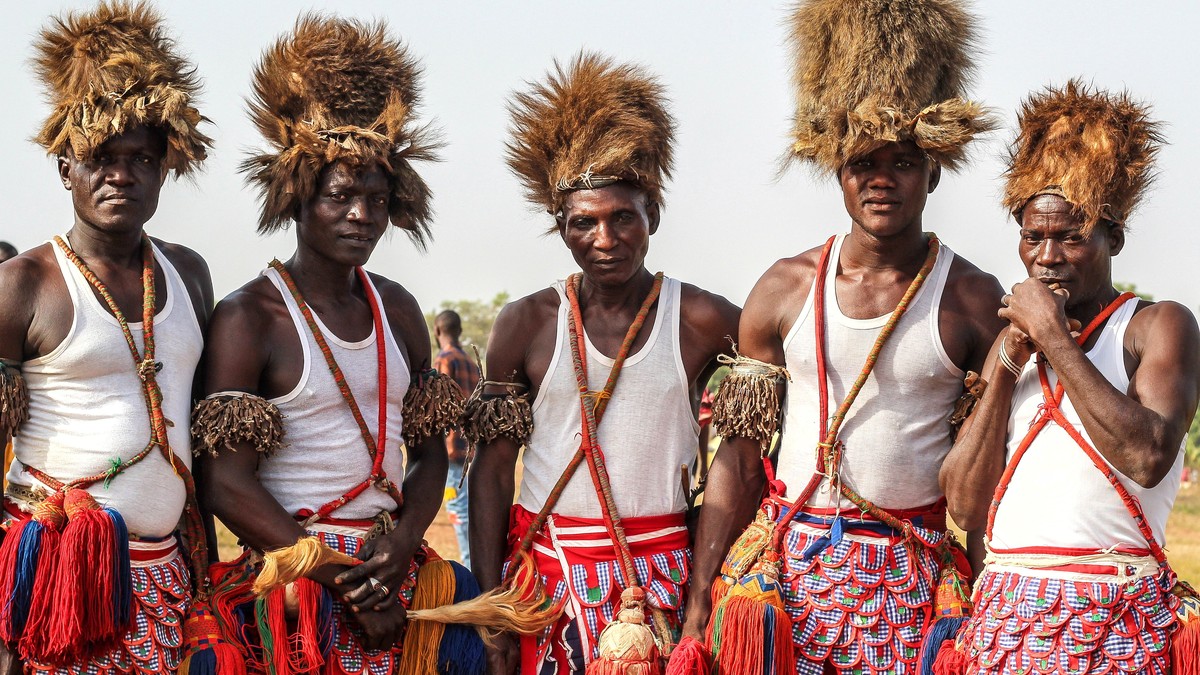
Your guides will point out medicinal plants used for generations, from olive bark for stomach ailments to specific roots for fever. Fire-making with wood friction, a beadwork demonstration, and a visit to a boma (homestead) are usually part of the days, not staged extras.
A Typical Loita Hills Maasai Cultural Trek Itinerary (3 to 4 Days)
Most operators, Valley Safaris included, run this as a 3 day, 2 night trek or a 4 day, 3 night version for those who want a rest day or a deeper village visit.
Day 1: Drive from Nairobi to Entasekera, the main trailhead village in the Loita Hills, then a short afternoon walk to your first camp. Expect 3 to 4 hours of walking.
Day 2: The longest day, typically 5 to 7 hours through forest and open ridge, with a stop at a Maasai homestead for lunch and cultural demonstrations.
Day 3: A shorter morning trek, 3 to 4 hours, often ending near a river camp, with an afternoon free for cultural activities or rest.
Day 4 (if 4 days): A gentle walk back toward Entasekera or an extension toward the Mara side of the hills, then drive out.
Daily distances run roughly 8 to 18 km depending on the route and how many stops you make. This is genuinely a walking safari, not a stroll.
Where You Sleep
Accommodation is mobile bell tent camping, set up ahead of you by a support crew and mules or a support vehicle. Camps are simple: twin or double bell tents, a shared mess tent, bucket showers, and pit latrines. There is no lodge alternative out here. If you want the trek, you accept the camping.
For travelers who like the idea of being properly unreachable for a few days, this pairs well with what we cover in our guide to fully disconnected safari camps. There is no phone signal in most of the Loita Hills, and that is part of the point.
Difficulty and Fitness
Be honest with yourself here. Days can run 3 to 8 hours on foot, over uneven forest paths and steep ridge sections. There is no vehicle backup once you start a day’s walk.
You do not need to be an athlete, but you should be able to walk 10 to 15 km on hilly terrain comfortably. If you have not walked further than the length of an airport terminal in the last year, spend a few weeks training before you book.
Wildlife You May Encounter
This is not a game-viewing trip, and no operator should promise Big Five sightings. You may see buffalo, elephant, various antelope species like eland and bushbuck, and a strong range of forest birds. Sightings are a bonus of walking quietly through wild habitat, not the main event.
Best Time to Go
The dry seasons, June to October and December to March, are best for trekking. Paths are firmer, streams are crossable, and the risk of being rained off a route drops sharply. April, May, and November bring the long and short rains, when trails can turn to thick mud.
Getting There from Nairobi
Nairobi to Narok town is about 140 km, roughly 2.5 hours on tarmac. From Narok, it is a further 90 to 110 km on rougher roads to Entasekera, adding another 2.5 to 3 hours depending on conditions. Budget a full day for the transfer, or break it with a night in Narok.
Cost, Compared Honestly
Below is an indicative comparison. Treat the figures as ranges, since park fees and camp rates shift year to year.
| Trip type | Distance from Nairobi | Drive time | Typical length | Indicative price per person | Crowd level |
|---|---|---|---|---|---|
| Loita Hills Maasai trek | ~230-250 km | 5-6 hours | 3-4 days | USD 650-950 | Very low |
| Classic Maasai Mara safari (vehicle) | ~270 km | 5-6 hours (or 45 min fly-in) | 3-4 days | USD 900-1,800 | High, especially July-October |
| Combined Loita trek + Mara add-on | ~250-300 km total | 6-8 hours combined | 6-7 days | USD 1,600-2,600 | Low to high (varies by leg) |
Prices typically include camping, meals, guides, and porters or mules, but not flights, park entry to the Mara if combined, or tips. A community conservation fee, often in the range of KES 1,000 to 1,500 per person per day, usually applies and goes directly to the Loita Maasai community.
Can You Combine It With the Maasai Mara?
Yes, and it is one of the best reasons to consider this trip if you have already seen the Mara before. A common pattern is 3 to 4 days trekking the Loita Hills, then a short transfer into the Mara Triangle or a conservancy like Naboisho for 2 to 3 days of game drives. It gives you contrast: quiet forest and culture first, then open plains and wildlife density second.
If you are still deciding on the format for the wildlife leg, our piece on deciding between a fly-in or road safari walks through the trade-offs for that half of the trip.
Visiting Respectfully
A Maasai village visit can feel uncomfortable if it is staged, or genuinely rewarding if it is done with the community’s consent and benefit built in. Loita Hills treks generally do better here than many Mara-side village stops, because the whole trek runs through community land under community terms, not a roadside pay-per-photo stop.
If this matters to you as much as it matters to us, read our how to visit a Maasai village respectfully guide before you go.
Sustainability and Community Impact
Because Naimina Enkiyio Forest is community-managed rather than government-protected, tourism revenue plays a direct role in keeping it standing against pressure for logging or conversion to farmland. Reputable operators pay conservation fees straight to Loita community structures and hire local guides and porters rather than bringing in outside crews.
Packing and Safety
Pack sturdy broken-in hiking boots, layers for cold mornings near 2,600 meters, a rain shell even in dry season, a headlamp, a refillable water bottle, and a basic first aid kit. Malaria risk is lower at altitude than in the Mara, but talk to your doctor about prophylaxis. There is no mobile signal for most of the route, so tell someone your itinerary before you leave Nairobi.
The Valley Safaris Difference
We have run trips into the Loita Hills for repeat clients who told us straight out that another Mara game drive would not move the needle this time. What we do differently is simple. We give you real numbers before you book, not just a “contact us for a quote.” We hire guides who are Loita Maasai themselves, not outside staff briefed on local facts. And we build the itinerary around your fitness level first, so a 4-day version with an extra rest day is always on the table if 7 hours of daily walking sounds like too much.
We also handle the awkward logistics, like mule support for gear and a proper vehicle transfer back to Narok if anyone needs to stop early, so the trip stays safe without losing the point of walking it.
Ready to Plan Your Loita Hills Trek?
If a Maasai cultural trek through the Loita Hills sounds like the right next Kenya trip, we would love to help you build it, alone or combined with a Mara add-on. Visit our Loita Hills and Maasai cultural safari tours page to see current itineraries, or reach out through our contact page to start planning.