You have already done the Mara. Maybe twice. Now you are looking at Samburu, Laikipia, or one of the Kaya forest pockets near the coast, and you are asking a more grown-up question than first-timers ask. Not “is Kenya safe” but “how do I actually get between these places without losing two days to a vehicle.”
The fly in vs road safari Kenya decision is really a trade between money, time, and the kind of memories you want. Both work. Neither is automatically better. Here is how we actually price and route it for clients in 2026, with real numbers instead of vague ranges.
What Is a Fly-In Safari
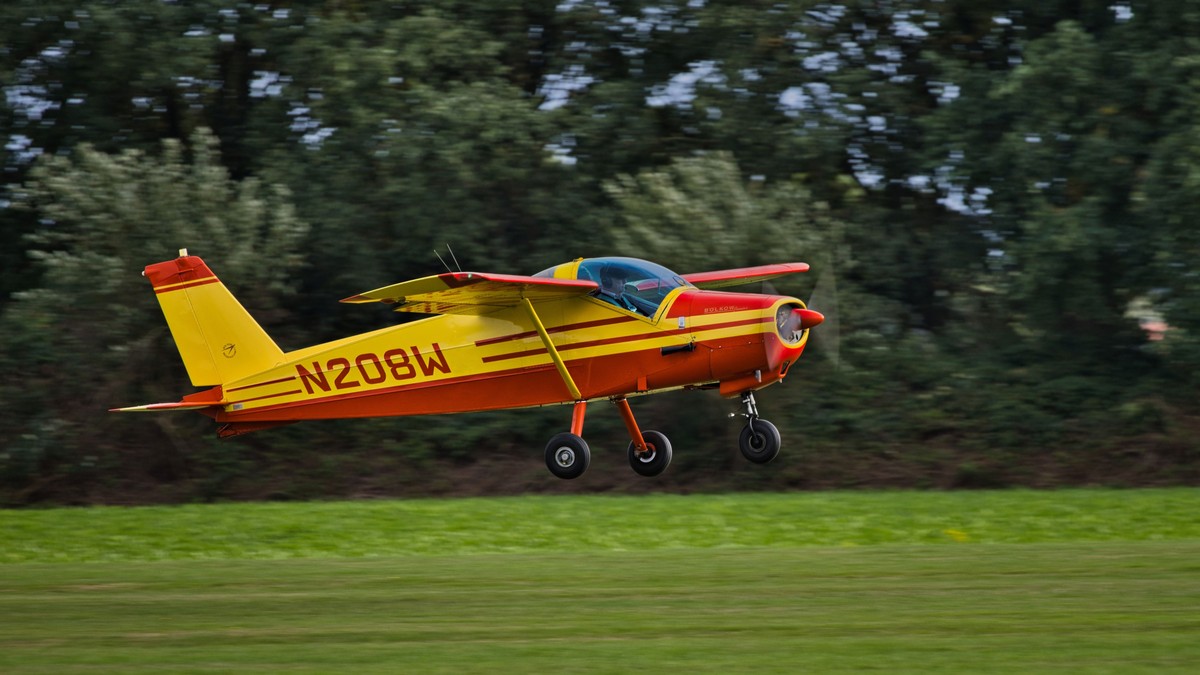
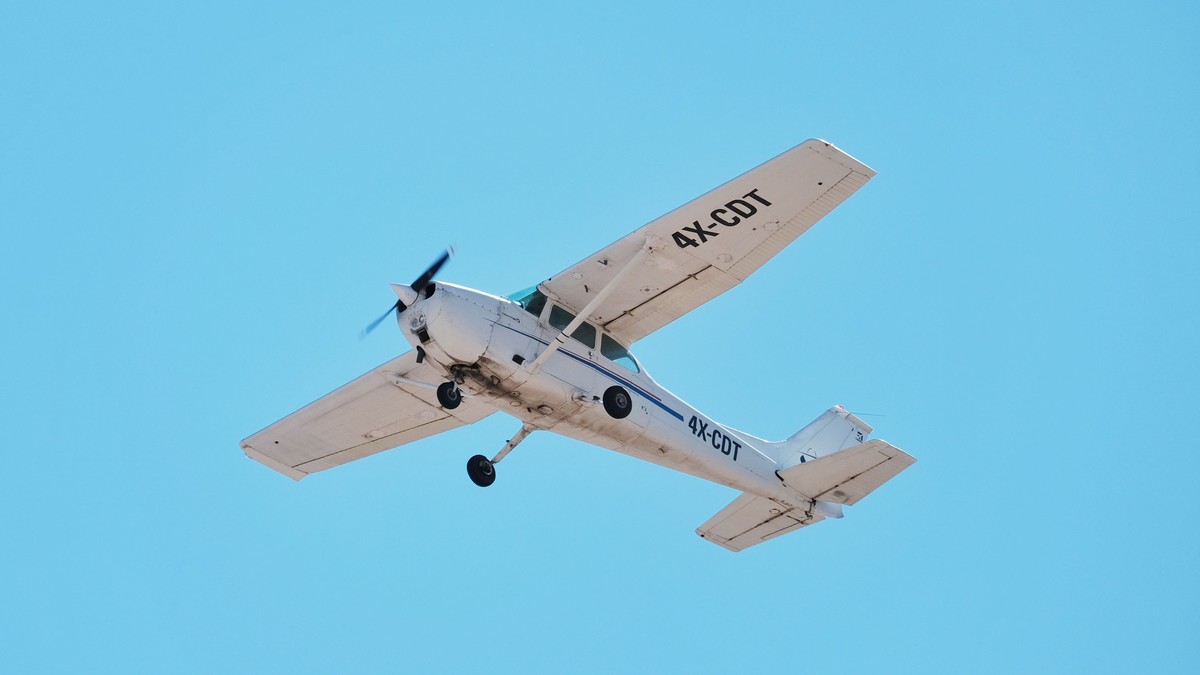
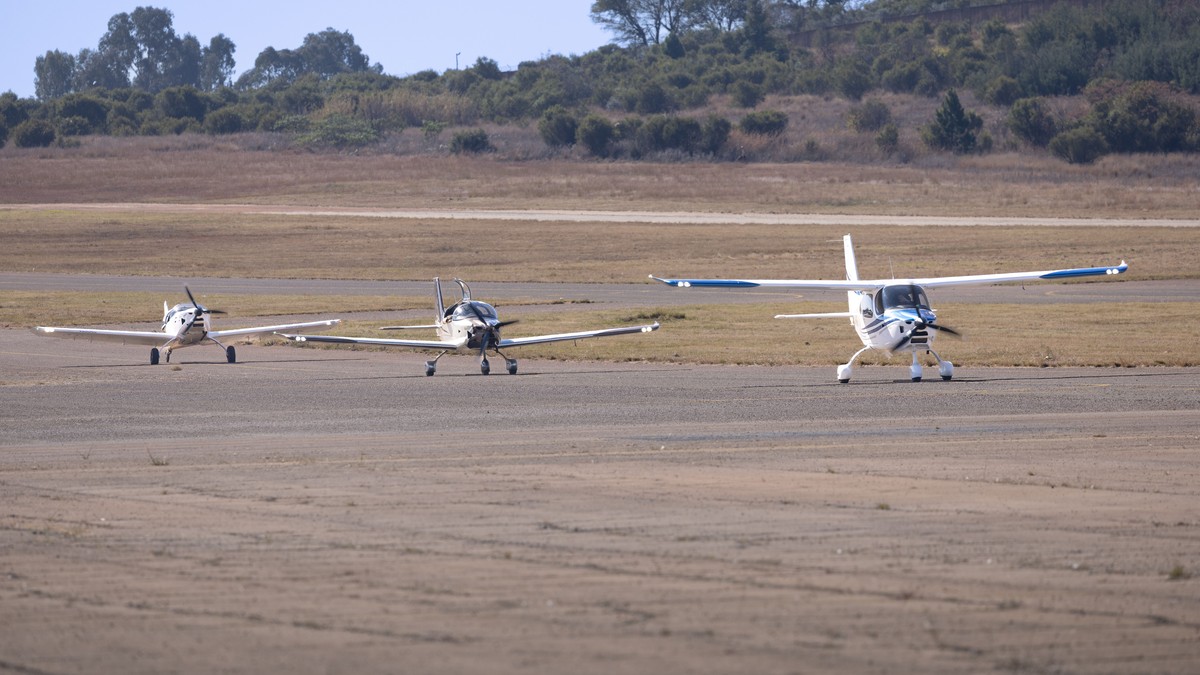
A fly-in safari moves you between camps and parks on light aircraft, usually a Cessna Caravan or a similar 12 to 14 seat plane operated by Safarilink or AirKenya. You land on a dirt or gravel airstrip near your camp, often within 20 minutes of the gate. A camp vehicle meets every flight.
Flights are scheduled, not chartered, on popular routes like Nairobi to the Mara. For Samburu or more remote conservancies, you may fly on a shared schedule with one or two stops, or book a private charter if your dates do not line up.
What Is a Road Safari
A road safari means a 4×4 Land Cruiser or similar, usually with a pop-up roof, driven by a guide who stays with you for the whole trip. You see the country change from Nairobi’s traffic to the Rift Valley escarpment to Narok’s red-earth roads. Wildlife sightings start the moment you cross a park gate, sometimes earlier.
Road safaris suit people who want the drive itself to be part of the story, and who are comfortable with 4 to 6 hours in a vehicle on some travel days.
Fly-In vs Road Safari Kenya: Side-by-Side Comparison
| Factor | Fly-In Safari | Road Safari |
|---|---|---|
| Nairobi to Masai Mara | 45 min flight | 5 to 6 hrs (270 km via Narok) |
| Nairobi to Amboseli | 40 min flight | 4 hrs (240 km, mostly tarmac) |
| Nairobi to Samburu | 1 hr flight | 5.5 to 6.5 hrs (325 km via Nanyuki) |
| Nairobi to Laikipia (Nanyuki) | 45 min flight | 3.5 to 4 hrs (200 km, good tarmac) |
| Luggage limit | 15 kg soft bag, no hard suitcases | No strict limit |
| Cost per transfer | $150 to $350 one way, per person | $150 to $250 per vehicle day, shared |
| Wildlife en route | None, above the plains | Often, especially crossing conservancies |
| Best for | Time-limited trips, multi-region circuits | Single-region trips, families with a private vehicle |
Read our full breakdown of Nairobi to Masai Mara flight cost if that leg is your main question.
What a 2026 Quote Sheet Actually Looks Like
We ran the same 7-night circuit, Mara plus Samburu, mid-range tented camps, through both booking types for July 2026 dates. These are indicative figures based on current camp and transfer rates, not fixed quotes, since prices shift with season and camp availability.
- Fully fly-in circuit: roughly $3,400 to $3,900 per person sharing, including all internal flights.
- Fully road circuit: roughly $2,800 to $3,300 per person sharing, but you lose almost two full days to driving.
- Mixed mode, fly to the Mara and drive Nanyuki to Samburu: roughly $3,000 to $3,500 per person, and you keep one scenic drive without sacrificing a whole day twice.
If you are traveling as a family of four, the math shifts again because vehicle costs split four ways rather than two. We cover that in our full cost breakdown for a family of four.
Park fees add up separately from transport. The Masai Mara National Reserve runs $80 to $100 per person per day depending on the side you enter from. Samburu National Reserve is around $100. Amboseli is $60. Ol Pejeta Conservancy in Laikipia is roughly $90. None of that changes whether you fly or drive in.
Luggage Restrictions on Small Aircraft
This trips up more repeat visitors than first-timers, oddly enough, because you have accumulated gear over past trips. Light aircraft cap you at 15 kg total, including hand luggage, in a soft duffel bag with no rigid frame. Hard suitcases will not fit in the hold. See our detailed guide on luggage weight limits on small safari aircraft before you pack.
Road safaris have no such limit since your bags ride in the vehicle, not a cargo hold.
Who Each Option Suits
Fly-in works best for families with young kids who tire of long drives. It also suits honeymooners who want to maximize time in camp rather than in transit, and anyone stitching together three or more regions in under 10 days. It is also the more comfortable option if anyone in your group has mobility limits, since airstrip transfers are short.
Road safaris suit budget travelers, photographers who want game viewing during the drive itself, and first-timers who want the full sense of Kenya’s landscape changing beneath them. If your trip is only 3 to 4 days and stays in one region, like the Mara alone, a road safari is often worth it. You save the flight cost and lose very little time.
Wildlife Viewing Time, Gained or Lost
A road transfer from Nairobi to the Mara through the Loita Hills or the Oloololo escarpment can produce real sightings, plains game, sometimes elephants near Aitong. A flight gives you none of that, but it hands back four or five hours you can spend on an afternoon game drive instead.
For Samburu and Laikipia specifically, we usually recommend flying. The road route through Isiolo has improved but still runs long, and the conservancies reward every extra hour you spend inside them rather than approaching them.
Combining Fly-In and Road in One Itinerary
Most of our repeat clients end up mixing both. Fly into the Mara for three nights, then take a road transfer from Nairobi through Naivasha before flying north to Samburu. Or drive Nanyuki to Loisaba in Laikipia instead, since the tarmac road is genuinely good and scenic. Mixed mode lets you choose which legs earn a drive and which ones do not.
Regional Fit: Which Parks Favor Which Mode
The Masai Mara, Amboseli, and Samburu all have reliable scheduled flights, so fly-in is easy logistically. Laikipia conservancies like Ol Pejeta and Loisaba sit close enough to Nanyuki that driving makes sense once you are already in the north. Coastal forest pockets near the Kaya sites around Kilifi and Kwale are realistically road or short charter only, since scheduled flight networks do not reach them directly.
Seasonal Impact on Choice and Pricing
During peak season, July through October, flight seats book out fast and cost more, sometimes 20 percent above shoulder season rates. Road transfers stay closer to flat pricing year round, since it is a vehicle day rate rather than a seat. In the shoulder months of April, May, and November, flying gets noticeably cheaper, and it is often the smarter choice even for budget-conscious travelers.
The Valley Safaris Difference
We do not default every client to flying because it looks more premium. Sometimes a road leg genuinely adds value. That might mean seeing the Rift Valley wall on the way to Naivasha, spotting plains game on the Mara approach, or simply saving your budget for another night in camp. When that is true, we say so, even if it means a smaller invoice for us.
We also know our own transfer logistics cold. Our charter flights use Ol Kiombo and Musiara airstrips in the Mara, Kalama airstrip for Samburu, and Nanyuki airstrip for Laikipia camps. Our driver-guides have also run the Nairobi to Narok road often enough to know which stretches to avoid after heavy rain. That is the kind of first-hand detail a generic price list cannot give you.
FAQ
Is it cheaper to fly or drive on a Kenya safari? Driving is usually cheaper for a single region and a short trip. Flying often works out similar or better value across multi-region circuits, since it saves you paying for extra camp nights lost to travel.
Is flying in a small bush plane to the Mara safe? Yes. Safarilink and AirKenya operate scheduled routes with experienced bush pilots and well-maintained aircraft, and this is how the vast majority of fly-in visitors travel every year.
Do fly-in safaris use shared or private vehicles once you land? Almost always private. Your camp sends its own vehicle and guide to meet each flight.
Is a road safari worth it for a short 3 to 4 day trip? Yes, especially if you are staying in one region like the Mara, since you avoid flight costs and only lose a single travel day each way.
Is driving to the Masai Mara safe and comfortable? Yes, with an experienced driver-guide and a well-maintained 4×4. The road surface varies, and the last stretch into the reserve is unpaved, so expect some jostling.
Plan Your Route With Us
Every trip is a different mix of budget, time, and the parks on your list. Tell us where you have already been and where you want to go next, Samburu, Laikipia, or somewhere quieter, and we will map out the fastest, best-value way to get there. Visit our contact page to start planning your Kenya itinerary with Valley Safaris.