Everyone lands in Nairobi wanting the same five animals. Lion, leopard, elephant, rhino, buffalo. It’s the first question every guest asks me: can we see them all? Here’s Kenya’s Big Five explained: where to see each one, and the honest odds behind it.
The honest answer is yes, but not in one park, and not always in one day. I’ve planned hundreds of these trips, and the travelers who leave happiest are the ones who understood the logistics before they packed a bag. Let me walk you through what the Big Five actually are, where each one lives, and how to build a route that actually works.
What “Big Five” Actually Means
The term has nothing to do with size or popularity. It comes from big game hunters in colonial East Africa, who ranked lion, leopard, elephant, rhino, and Cape buffalo as the five hardest and most dangerous animals to hunt on foot. Guns have long since given way to cameras, but the name stuck.
It’s a useful shorthand today, not a scientific category. A cheetah or a giraffe won’t get you fewer stares around the campfire, but they never made the original list.
Meet the Big Five
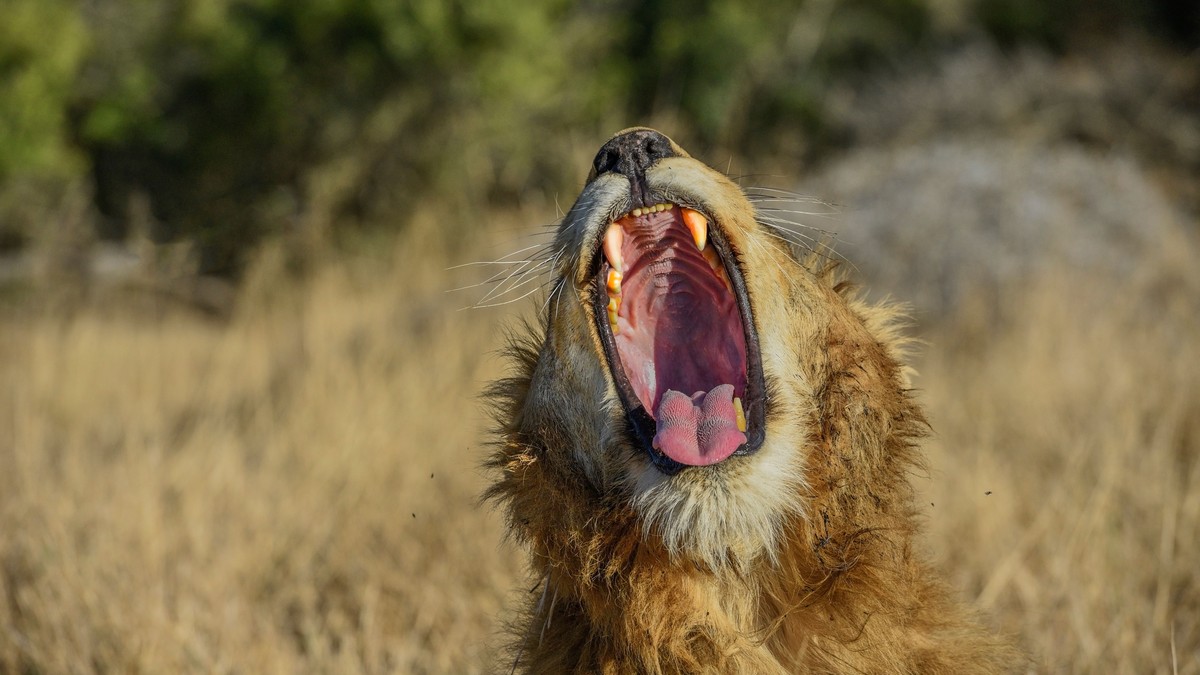
Lion. Kenya holds roughly 2,000 to 2,500 lions, based on the most recent government estimates. The Masai Mara ecosystem has one of the highest lion densities in Africa, thanks to resident prides that guides track by name across generations. If you’re curious why they barely glance at a vehicle full of tourists, read about why lions ignore safari vehicles.
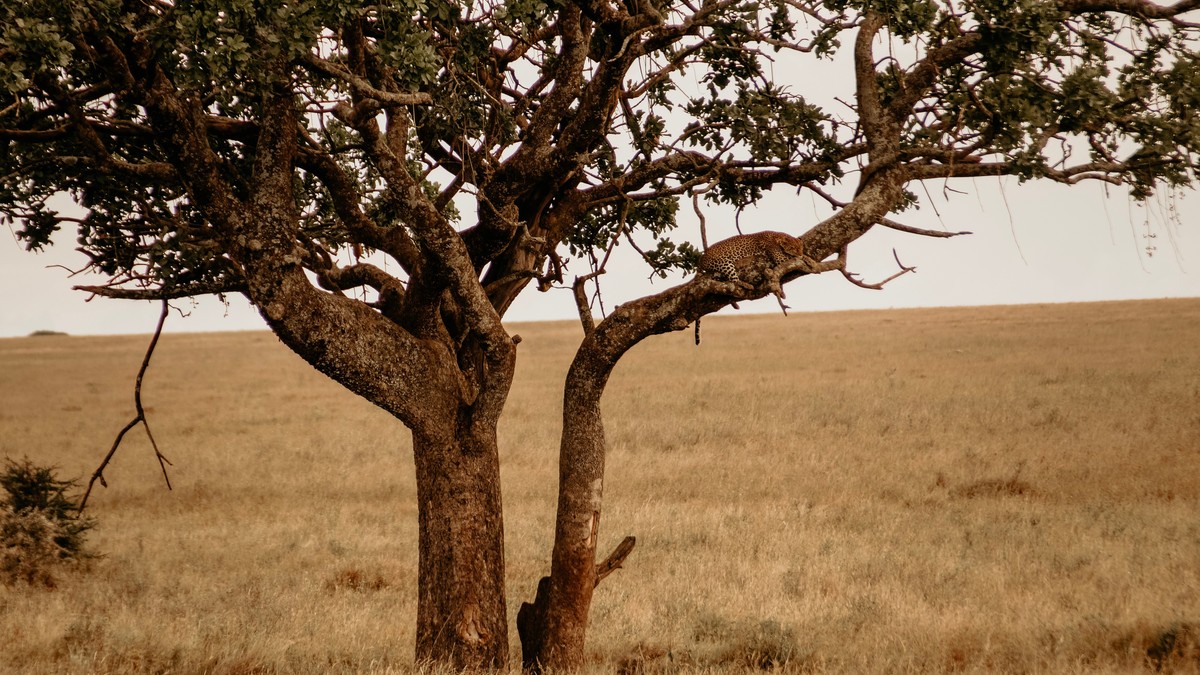
Leopard. No one has a solid country-wide count, because leopards are solitary, mostly nocturnal, and brilliant at disappearing into a tree line. This is the animal that breaks hearts on short trips. More on that below.
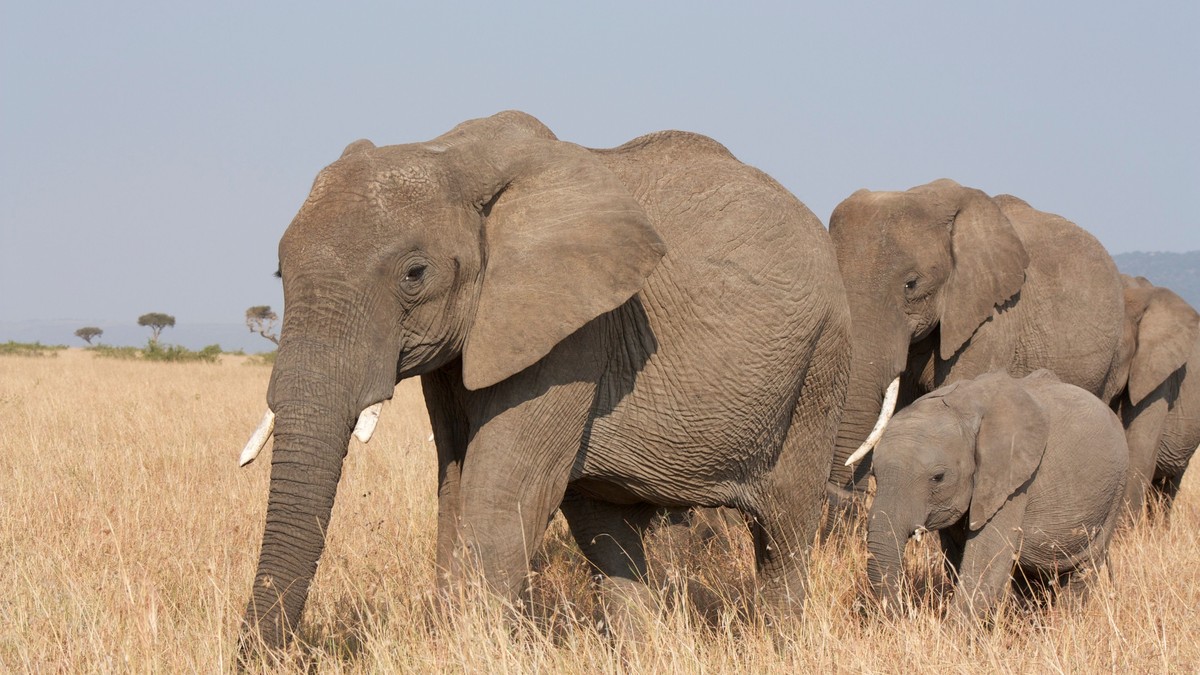
Elephant. Kenya’s elephant population sits around 36,000, recovering steadily after decades of poaching pressure. Amboseli is famous for its “super tuskers,” bulls with tusks so long they nearly touch the ground. Read more about Amboseli’s super tusker elephants if that’s on your list.
Rhino. This is the animal most itineraries get wrong. Kenya has an estimated 1,900 rhinos combined, both black and white, and the vast majority live inside fenced or heavily patrolled sanctuaries. They are not roaming the open Mara plains in any numbers worth counting on.
Buffalo. The most numerous of the five and the one people underrate. Herds of several hundred move across Nakuru, the Mara, and Tsavo, and lone bulls, called dagga boys, have a reputation for being the most unpredictable animal in the bush.
Kenya’s Big Five Explained: Where to See Each One
Here is the park-by-park reality, with the numbers that matter for planning.
| Park or Conservancy | Distance from Nairobi | Drive Time | Non-Resident Park Fee (per day) | Big Five You’ll Reliably Find |
|---|---|---|---|---|
| Masai Mara National Reserve | 270 km | 5 to 6 hours by road, 45 min by air | USD 100 to 200 (varies by county and season) | Lion, leopard, elephant, buffalo |
| Amboseli National Park | 240 km | 4 hours by road, 30 min by air | USD 60 | Elephant, buffalo, lion |
| Lake Nakuru National Park | 160 km | 2.5 hours by road | USD 60 | Rhino (black and white), buffalo, lion |
| Ol Pejeta Conservancy | 200 km | 3.5 to 4 hours by road, 25 min flight to Nanyuki | USD 90 | Rhino (black and white), lion, elephant, buffalo |
| Lewa Wildlife Conservancy | 250 km | 4.5 hours by road, 40 min by air | USD 100, included in most conservancy stays | Rhino, elephant, buffalo, lion |
| Tsavo East and West | 240 to 330 km | 4 to 5 hours by road | USD 52 | Elephant, buffalo, lion, occasional leopard |
Fees change often and by season, so treat these as indicative figures rather than fixed prices. What doesn’t change is the pattern. Rhino sightings mean Nakuru, Ol Pejeta, or Lewa. The Mara and Amboseli won’t deliver one.
The Route That Actually Works
Here’s the itinerary logic I use for first-time guests who want a genuine shot at all five in five to seven days.
Days 1 and 2: Ol Pejeta Conservancy. Fly into Nanyuki from Nairobi, about 25 minutes in the air, then drive roughly 40 minutes to camp. Ol Pejeta guarantees your rhino sighting, both black and white, and it’s home to the world’s last northern white rhinos. You’ll likely also see lion, elephant, and buffalo here, ticking off four of five before day three.
Day 3: Fly to the Masai Mara. Small charter planes connect Nanyuki to the Mara directly, cutting out a long drive back through Nairobi. This is where most guests spend the bulk of their trip.
Days 4 to 6: Masai Mara. Three full days gives your guide real room to work. Lion prides are almost a guarantee. Leopard takes patience and a guide who knows the riverine forest along the Talek and Mara rivers, where cats favor the shade during the heat of the day.
Day 7: Fly back to Nairobi for your onward flight, or add two nights in Amboseli if you want the elephant herds against Kilimanjaro as your closing chapter.
This route covers roughly 900 km total, mostly by air, and keeps driving fatigue low, which matters more than people expect on a first safari.
Best Time of Year
June through October, Kenya’s dry season, is the strongest window. Grass is shorter, so cats and buffalo are easier to spot, and animals cluster around rivers and waterholes. It’s also when the wildebeest migration crosses into the Mara from the Serengeti, typically late July through September, which pulls in predators looking for an easy meal.
The shorter dry spell from late December through February is a solid second option, with fewer crowds and good visibility, though rain is always possible.
How to Maximize Your Sightings
A few things genuinely move the needle, in order of impact.
- Book a guide who works that specific park often. Local knowledge of territories and denning sites beats luck every time.
- Get out at first light. Predators are most active in the two hours after sunrise, before the heat sends everyone into the shade.
- Choose a private conservancy over the open reserve when you can. Conservancies like Ol Pejeta and Lewa limit vehicle numbers per sighting, which means calmer animals and better photos.
- Stay three nights, not one. More game drives simply means more chances, especially for leopard.
- Be patient with leopard. It is genuinely the hardest of the five. Even experienced guides sometimes go a full trip without one.
Are All Five Guaranteed?
No, and anyone who promises otherwise isn’t being straight with you. Wild animals move on their own schedule. We’re upfront with every guest about this before they book, and you can read our full breakdown on whether Big Five sightings are actually guaranteed on a Kenya trip.
What we can guarantee is a route built around where each animal actually lives, guides who work these specific conservancies year-round, and a vehicle that never crowds a sighting.
The Valley Safaris Difference
We don’t sell a generic five-park loop and hope for the best. Every itinerary starts with a plain conversation about what you most want to see, then we build the route around real odds, not a template.
That means pairing Ol Pejeta or Lewa for rhino with the Mara for the rest, sized to however many days you actually have. It means guides who’ve worked the same conservancies for years and know which riverbank a leopard favors this season. It means small vehicles, honest expectations, and the kind of small touches guests remember, like a sunset picnic timed to a waterhole instead of a parking lot.
We’d rather tell you the truth about leopard odds now than have you disappointed on day six.
Plan Your Big Five Safari
If you’re ready to build a route around the animals you actually want to see, get in touch through our Kenya Big Five safari page or visit our contact page to start the conversation. We’ll help you turn seven days into five confirmed sightings and a trip you’ll talk about for years.