Are big five sightings guaranteed in Kenya? Short answer: no. Nobody can promise you lion, leopard, buffalo, elephant, and rhino on one trip. Anyone who tells you otherwise is selling, not planning.
But that answer hides something useful. The odds are not the same for all five animals, and they are not the same in every park. Buffalo and lion are close to a sure thing on most itineraries. Leopard and black rhino are the real coin flips. Once you know which animal is actually hard to find, you can build a trip that closes the gap instead of just hoping.
What the Big Five actually means (and why the term still sticks)
The phrase comes from big game hunters, not photographers. Lion, leopard, buffalo, elephant, and rhino were the five animals considered most dangerous to hunt on foot. The name stuck long after the rifles were swapped for cameras, and it is now mostly a checklist tourists use to measure a trip.
It is a strange way to judge a safari. Watching a cheetah stalk a Thomson’s gazelle at Naboisho Conservancy or a leopard drag a kill up a sausage tree at dusk can beat any tick-box moment. Still, most first-time travelers want to know the honest odds, so here they are.
The real odds: are big five sightings guaranteed anywhere in Kenya?
- Buffalo: near certain on any three-day trip to a savanna park. They move in herds of 50 to 500 and don’t hide.
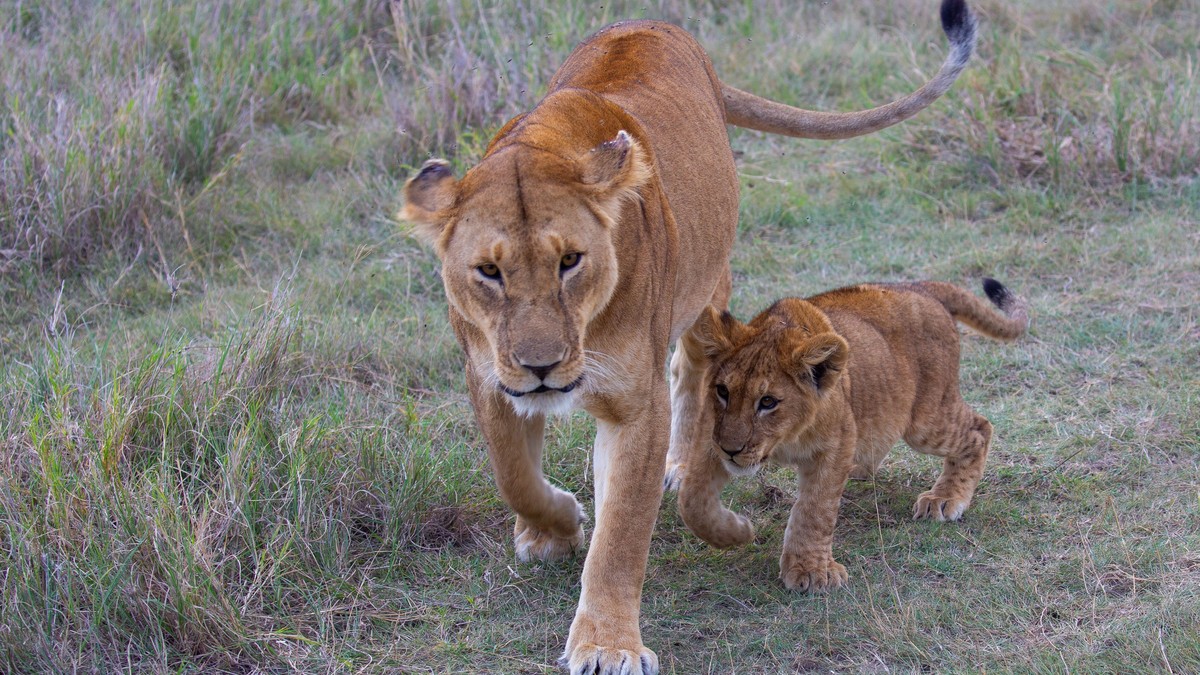
- Lion: very high, often 90%+ over two or more days in Masai Mara, Amboseli, or Ol Pejeta. Prides are collared and tracked, and lions rarely bother moving off when a vehicle approaches, which is part of why lions stay so relaxed around safari vehicles.
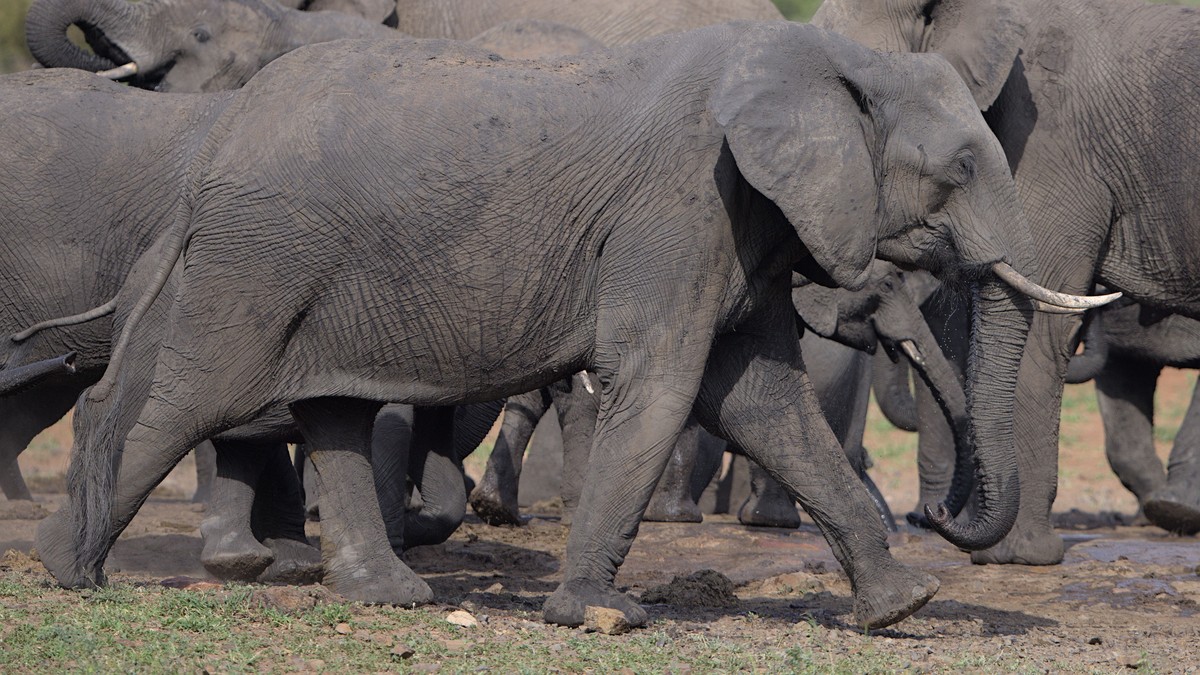
- Elephant: very high in most parks, close to guaranteed in Amboseli, where Amboseli’s near-guaranteed elephant sightings are the park’s calling card.
- Rhino: ranges from zero (Amboseli, Samburu, Masai Mara Reserve proper) to near-certain (Ol Pejeta, Lake Nakuru). This is the animal that decides whether you complete the set.
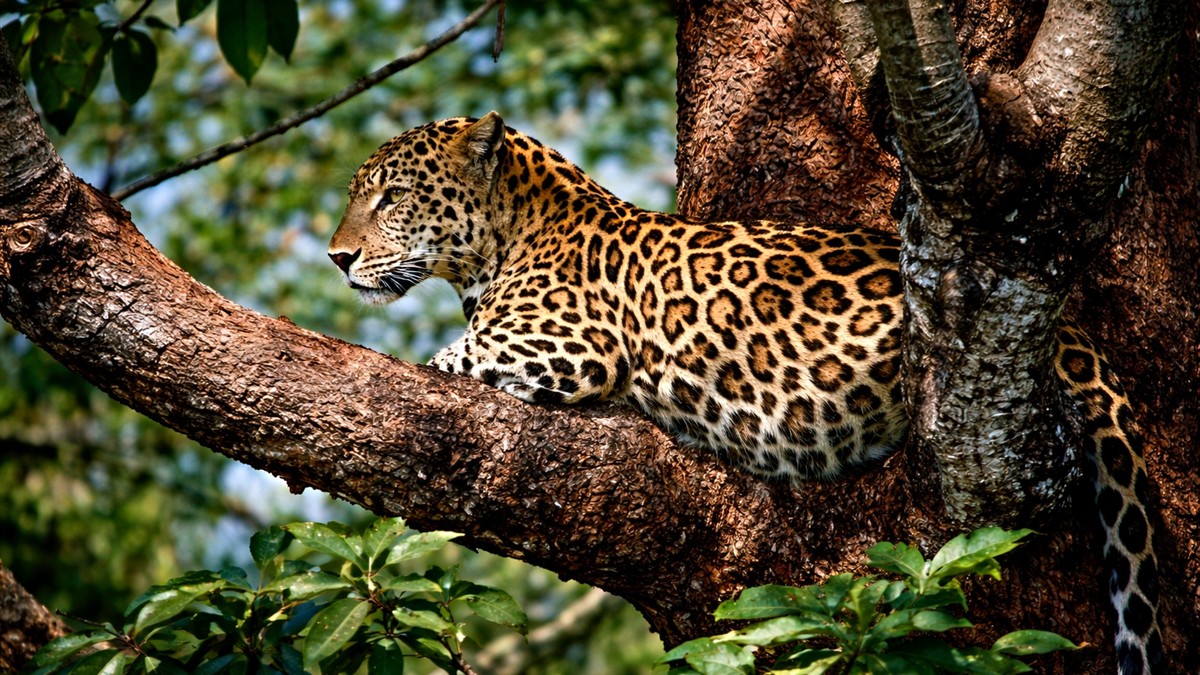
- Leopard: the hardest of the five almost everywhere. Leopards are solitary, nocturnal by habit, and spend daylight hours in thick cover or up a tree. Even a skilled guide with radio contact from other vehicles puts leopard odds at roughly 50 to 65% on a four to five day trip.
So the honest ranking, easiest to hardest, is buffalo, lion, elephant, rhino, then leopard. Rhino only ranks above leopard because the right park makes it close to automatic.
Park by park: who has what, and how good the odds really are
Not every Kenyan park holds all five. Some, like Amboseli and Samburu, lost their rhino populations to poaching decades ago and never got them back. Others were built specifically to protect rhino and now report the best odds in the country.
| Park or Conservancy | Big Five Present | Rhino Odds | Distance from Nairobi | Indicative Park Fee (per adult/day) |
|---|---|---|---|---|
| Masai Mara National Reserve | Lion, leopard, buffalo, elephant (rhino very rare) | Low, maybe 1 in 10 trips | 270 km, 5-6 hr drive or 45 min flight | USD 80 |
| Amboseli National Park | Lion, leopard, buffalo, elephant (no rhino) | None | 240 km, 4 hr drive | USD 60 |
| Lake Nakuru National Park | Lion, leopard, buffalo, rhino (elephants scarce) | Very high, fenced sanctuary | 160 km, 2.5 hr drive | USD 60 |
| Ol Pejeta Conservancy | Full Big Five | Near-certain, often multiple sightings | 200 km, 3-3.5 hr drive | USD 90 |
| Tsavo West (Ngulia Sanctuary) | Full Big Five | Moderate to high near the sanctuary | 240 km, 4 hr drive | USD 60 |
| Nairobi National Park | Lion, leopard, buffalo, rhino (no elephant) | High | 10 km from city center | USD 50 |
| Aberdare National Park | Full Big Five | Moderate | 160 km, 2.5-3 hr drive | USD 60 |
| Meru National Park | Full Big Five | Moderate, dedicated rhino sanctuary zone | 300 km, 5 hr drive or short flight | USD 60 |
| Samburu National Reserve | Lion, leopard, elephant, buffalo (no rhino) | None | 345 km, 6 hr drive or flight | USD 70 |
Fees shift with KWS and county reviews, so treat these as indicative planning figures, not a quote.
Where a rhino sighting is close to guaranteed
If rhino is the animal you worry about, three places solve it. Ol Pejeta Conservancy in Laikipia holds the largest black rhino population in East Africa, over 160 animals on 90,000 acres, plus southern white rhinos and Fatu, the last northern white rhino left on earth. Guides here track rhino daily and sightings are close to routine.
Lake Nakuru National Park is fully fenced, which sounds unromantic but works. Both black and white rhino live inside a compact 188 square km park, so the odds of missing them are genuinely low.
Ngulia Rhino Sanctuary inside Tsavo West is smaller and less publicized, but it holds a stable black rhino population inside a fenced 90 square km block. It suits travelers already routing through Tsavo who don’t want to add Ol Pejeta as a separate stop.
Trip length and multi-park routing
A single game drive in one park is a lottery ticket. A five to seven night trip pairing two or three ecosystems is closer to a plan. A common Valley Safaris pattern is three nights in Masai Mara for lion, leopard, and volume of game, followed by two nights at Ol Pejeta to lock in rhino, then a night or two in Amboseli or Tsavo for elephant herds against Kilimanjaro’s backdrop. That routing alone pushes realistic Big Five odds from maybe 40% on a rushed three-day Mara-only trip to well over 90% on a seven-night combination.
Timing and the guide network
June through October, Kenya’s dry season, concentrates animals around rivers and waterholes, which helps every sighting category, including leopard. The Great Migration crossings on the Mara River, usually July through September, add drama but also add vehicle traffic in the main Reserve.
Guide skill matters more than most guests expect. Experienced drivers in Masai Mara and Ol Pejeta stay in constant radio contact with each other, so a leopard spotted by one vehicle gets shared across a network within minutes. This is a bigger factor in leopard odds than luck.
National parks versus private conservancies
National parks like Masai Mara National Reserve can host 15 or more vehicles around one sighting during peak season, which crowds the animal and shortens your view. Private conservancies bordering the Reserve, such as Naboisho, Mara North, and Olare Motorogi, cap vehicle numbers at each sighting, often five or fewer. These are the conservancy vehicle-limit rules that improve sighting odds, and they matter more for leopard than any other animal, since a mobbed sighting often pushes a leopard straight back into cover.
Conservancies also allow off-road driving and night drives, both banned in national parks, which doubles your leopard window into the hours it actually hunts.
Being honest about the miss
Even Ol Pejeta’s near-guaranteed rhino odds still leave a real minority of guests who miss one. If your itinerary is three nights or fewer in a single park, plan on a realistic chance of missing leopard, and don’t let that ruin the trip. Most guides will tell you the golden jackal chasing a hare or a cheetah with three cubs beats a distant, half-hidden leopard silhouette anyway.
Sample pricing and lengths
A midrange five-night Big Five itinerary covering Masai Mara and Ol Pejeta runs roughly USD 1,800 to USD 2,800 per person, all-inclusive of lodging, meals, park fees, and a private vehicle. Add Amboseli for elephant and Kilimanjaro views and a seven-night version runs USD 2,600 to USD 4,200 per person, with camps ranging from mid-tier tented options near USD 250 a night to luxury lodges above USD 700 a night.
The Valley Safaris Difference
We don’t sell a Big Five guarantee because nobody honestly can. What we do instead is design the route to close the real gaps. That means pairing Masai Mara with Ol Pejeta rather than leaving rhino to chance, booking conservancy stays with the low vehicle limits that give leopard a fair shot, and briefing every guide before departure on which animal each guest most wants to see. If a species is still missing by the second-to-last day, we adjust the following day’s drive plan around it rather than sticking to a fixed script.
Plan your Big Five trip with us
If you want a trip built around realistic odds instead of vague promises, we can walk you through routing, timing, and camp choices that fit your dates and budget. Visit our Kenya safari tours page or reach out through our contact page to start planning.