If you’re planning a budget safari through Kenya, you’ve probably wondered whether you can grab a cold Tusker after a long day of game drives. Good news: you can. But the rules and the price tag change a lot depending on where you sleep and how you’re traveling. This guide breaks down the alcohol policy safari camps kenya operators actually enforce, plus what you’ll pay for a drink at each one.
I’ve watched backpackers get surprised twice on this trip. Once when a “drinks included” camp turns out to mean sodas only. And once when a single Amarula at a luxury lodge costs more than their whole night’s accommodation. Both traps are covered below.
Is Alcohol Legal on Safari in Kenya?
Yes. The legal drinking age in Kenya is 18, and alcohol is sold openly in bars, lodges, supermarkets, and even some petrol stations in towns like Narok and Nanyuki. Licensed camps and lodges can serve alcohol to guests without any special permit beyond their normal business license.
What changes is where you’re allowed to actually drink it. That’s the part most blog posts skip.
Alcohol Policy Safari Camps Kenya Follow, Park by Park
Alcohol is fine inside your camp or lodge, at the bar, at dinner, or during a sundowner stop your guide sets up. It is not allowed during an active game drive vehicle in most parks. Kenya Wildlife Service rangers and conservancy scouts do check for open containers, especially near Maasai Mara National Reserve gates like Talek and Sekenani.
The rule shifts by land type, and rules can differ between parks, reserves, and conservancies. Private conservancies bordering the Mara, like Olare Motorogi or Naboisho, tend to be more relaxed about a drink during an evening sundowner stop off-road. Government-run national parks like Amboseli or Nakuru are stricter about anything beyond water in the vehicle.
All-Inclusive vs. Pay-Per-Drink: What Camps Actually Charge
This is where budget travelers lose money without realizing it. Some camps bundle house wine, spirits, and local beer into the nightly rate. Others bill every drink separately at checkout. Here’s how it breaks down by tier, based on typical Maasai Mara area pricing.
| Camp or Option | Tier | Location | Alcohol Policy | Approx. Beer/Drink Price |
|---|---|---|---|---|
| Public campsite (self-catering, near Talek Gate) | Budget | Maasai Mara | No bar, bring your own | KES 150-200/beer from a Narok shop |
| Miti Mingi Eco Camp | Budget-mid | Maasai Mara | Pay per drink at camp bar | KES 300-400 (indicative) |
| Ol Pejeta Bush Camp | Mid-range | Ol Pejeta Conservancy | Pay per drink | KES 500-700 |
| Sarova Mara Game Camp | Mid-range | Maasai Mara | Alcohol billed separately | KES 500-650 (Tusker) |
| Mara Serena Safari Lodge | Mid-range/luxury | Maasai Mara | Drinks billed separately, settled at checkout | KES 700-900 |
| Kicheche Mara Camp | Luxury | Olare Motorogi Conservancy | House spirits, wine, and local beer included in full-board rate | Included |
Prices above are indicative ranges gathered from typical 2025-2026 guest reports, not fixed rates, since camps adjust pricing seasonally.
For backpackers joining a group safari, the practical move is simple. If you’re a light drinker, a budget or mid-range camp with pay-per-drink pricing saves money. If you drink two or three beers a night, ask your operator directly whether the package includes alcohol before you book. It’s one of the questions worth asking before you book, right alongside checking what’s typically included in a safari camp stay.
The Sundowner Tradition
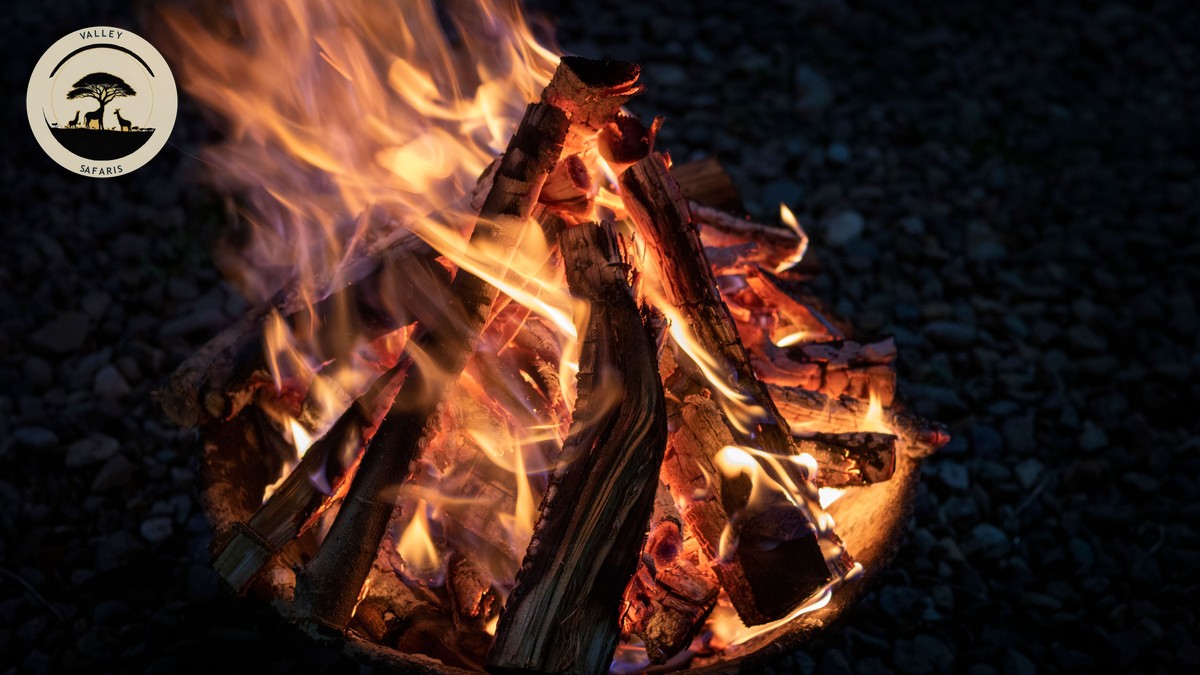
A sundowner is a drink stop at golden hour, usually on a ridge or riverbank with a view. Your guide parks the vehicle, sets up a folding table, and pours a cold beer or gin and tonic while the sun drops over the plains. It’s one of the most personal moments of a Kenyan safari, and most camps, even budget ones, can arrange it with advance notice.
Rangers generally allow this as long as the vehicle stays on a designated track or camp-approved spot, not deep in the bush near grazing wildlife. Ask your guide where the approved sundowner points are near your camp. In the Mara, popular spots include the Mara River overlook and various conservancy ridgelines.
Local Drinks and Brands Worth Trying
Kenya has its own drink culture worth exploring beyond imported labels.
- Tusker Lager: Kenya’s most iconic beer, brewed by East African Breweries.
- White Cap: A lighter lager, also EABL, common in camp bars.
- Kenya Cane: A local sugarcane spirit, often mixed with soda or juice.
- Amarula: A South African cream liqueur, popular as an after-dinner drink at lodges.
- South African wines: Most mid-range and luxury lodges stock Cape wines since local wine production is limited.
A Tusker at a Nairobi backpacker bar in areas like Kilimani runs about KES 250-300. That same beer at a remote luxury camp can hit KES 900 or more, since everything is trucked or flown in.
Bringing Your Own Alcohol
Many budget travelers bring duty-free bottles from Jomo Kenyatta International Airport, where the allowance is one liter of spirits or two liters of wine per adult. Self-catering campsites, like the public sites near Talek and Sekenani gates, are fine with this since there’s no bar to protect.
Full-service lodges are a different story. Some allow you to bring your own bottle for a corkage fee, often KES 500-1,000 per bottle. Others don’t allow outside alcohol at all, since the bar is a real revenue source. Always ask ahead, especially if you’re on a group safari and want to split a bottle of wine at dinner.
Safety, Culture, and Common Sense
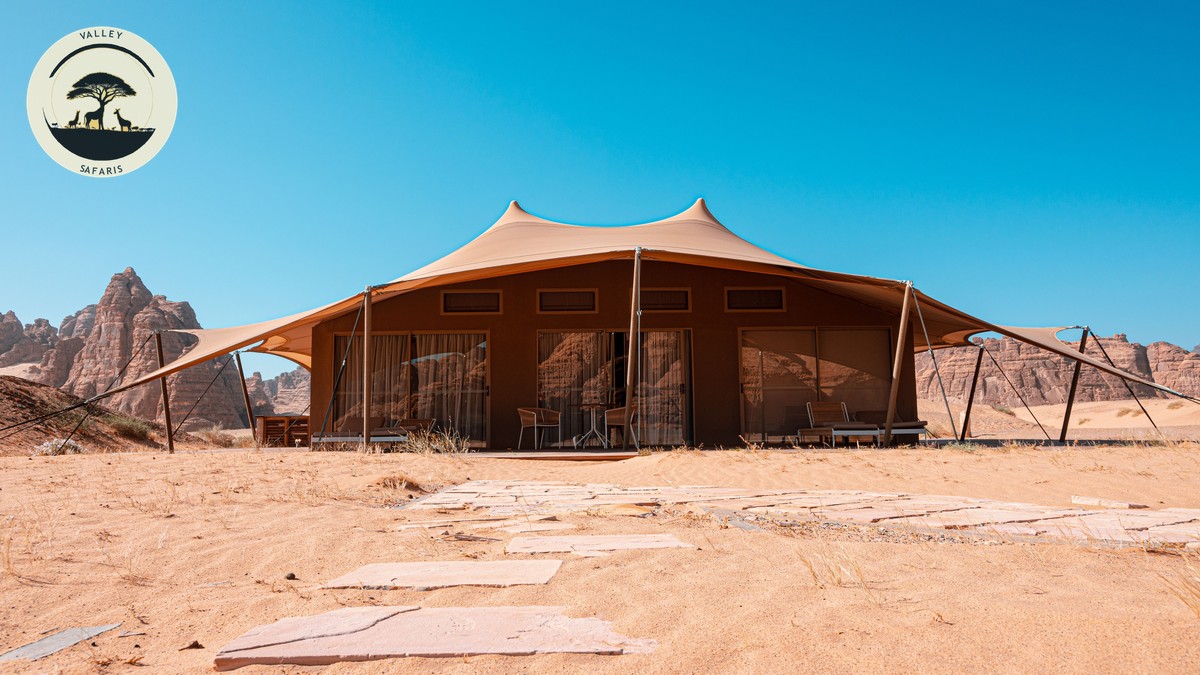
A night camp in the bush isn’t like a hotel corridor. Animals move through unfenced camps after dark, including hyenas and sometimes elephants near water sources. Staff will always escort you between your tent and the dining area at night. Keep drinking moderate so you can walk safely and follow instructions if an escort tells you to stop and wait.
Altitude and dehydration also matter more than people expect. Nairobi sits at about 1,795 meters and the Mara plateau is similar. Alcohol dehydrates faster at altitude, so drink water between rounds, especially after a hot day of game drives.
Cultural sensitivity matters too, particularly along the coast and in northern Kenya. Towns like Lamu have a strong Muslim population, and public drinking outside licensed hotel bars is not well received. Inland safari camps in Maasai Mara, Amboseli, and Samburu don’t carry the same restrictions, but it’s worth toning things down in coastal old towns.
Self-Drive and Mobile Safaris
If you’re self-driving or on a mobile camping safari, the open-container rule still applies to the driver and to anyone riding in the front. Police checkpoints on roads like the Nairobi-Narok highway do stop vehicles occasionally. Keep alcohol sealed and stored until you reach camp for the night.
The Valley Safaris Difference
We tell every guest exactly what’s included before they pay a shilling, alcohol included. If a camp on your itinerary charges per drink, we say so upfront instead of letting you find out at checkout. If you’re traveling on a tight budget and want to skip the alcohol upsell entirely, we can build your route around camps with honest bar pricing and easy public transport connections from Nairobi.
We’ve stayed at these camps ourselves, sat at the same bars, and settled the same tabs. That’s the difference between reading a policy online and having someone tell you which camp actually pours a fair drink.
Plan Your Trip
Ready to sort out camps, budgets, and bar tabs before you land? Have a look at our Maasai Mara safari tours or reach out through our contact page to start planning a trip that fits your budget and your taste for a good sundowner.