I still remember a guest asking me, halfway through a Land Cruiser ride in the Mara, “wait, is this a park or a reserve?” Fair question, and one that trips up almost every first-time visitor. This guide untangles national park vs game reserve conservancy terminology so you know exactly what you’re booking. Kenya throws three different land types at you and calls them all “wildlife areas,” and nobody explains the difference until you’re already booking flights.
Here’s the short version. A national park is government land run by the Kenya Wildlife Service. A game reserve is run by a county government. A conservancy is private or community land, usually leased from Maasai or Samburu landowners. Same animals, different rules, different price tags. Let’s go through each one properly.
What is a National Park?
National parks belong to the state and KWS manages them under national law. Nairobi National Park, Amboseli National Park, and Aberdare National Park all fall into this group. Rules are strict and apply everywhere: game drives only between 6 a.m. and 6.30 p.m., no driving off the marked tracks, and no walking outside a handful of designated areas.
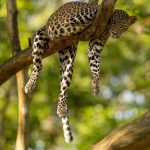
This strictness is a good thing for a first-timer. It keeps vehicle numbers predictable and protects fragile ground. The trade-off is less flexibility. If a leopard is thirty meters off the track at dusk, your driver legally has to keep going.
What is a Game Reserve?
A game reserve is managed by a county government rather than KWS. The most famous one, the Maasai Mara National Reserve, is run by the Narok County Government, with a smaller section called the Mara Triangle managed by a separate trust.
Reserves often allow a bit more flexibility than national parks. In parts of the Mara, licensed guides can go off-road to follow a sighting, and some camps run early or late drives close to the gates. Rules vary by reserve and even by season, so always check with your guide before assuming anything is allowed.
What is a Conservancy?
Conservancies are the newest layer, and the one that confuses people most. These are private or community-owned lands next to a park or reserve, leased long-term from local landowners, usually Maasai families around the Mara or Samburu families up north. Naboisho Conservancy, Olare Motorogi Conservancy, and Lewa Wildlife Conservancy are well known examples.
Because conservancies control their own bed numbers per acre, they cap how many camps and vehicles operate inside them. That’s the whole appeal. Fewer vehicles, quieter sightings, and rules written by the conservancy itself rather than by national law. Most allow night drives, walking safaris, and off-road driving, which is illegal in national parks and mostly restricted in reserves.
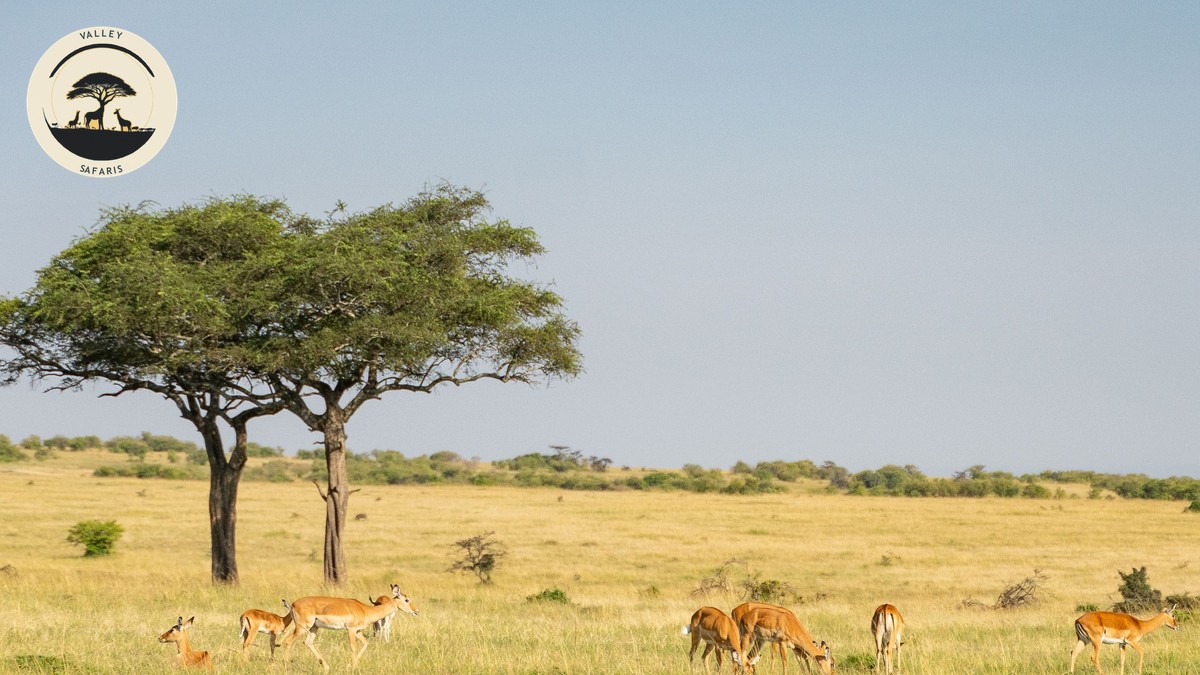
National Park vs Game Reserve Conservancy Terminology: Key Differences
| Category | Who manages it | Example | Night drives | Walking safaris | Off-road driving |
|---|---|---|---|---|---|
| National Park | Kenya Wildlife Service (KWS) | Amboseli, Nairobi, Aberdare | No | Rarely, guided only | No |
| National Reserve | County government | Maasai Mara National Reserve, Samburu National Reserve | Limited, camp-dependent | No | Limited, license-dependent |
| Conservancy | Private or community trust | Naboisho, Olare Motorogi, Ol Pejeta, Lewa | Usually yes | Usually yes | Usually yes |
Ownership decides everything else. Because KWS answers to national conservation law, its rules are the tightest. County-run reserves have more room to set local policy, which is why Mara rules differ camp to camp. Conservancies write their own rulebooks entirely, since the land and the lodges inside it are one operation.
Fees and Cost Comparison
This is where people get caught out. Fees are not one flat “Kenya safari price.” Every category charges differently, and conservancies often add a second fee on top of anything you already paid to enter a neighboring park.
As of 2026, non-resident adult fees run roughly like this. Always confirm current rates before booking, especially with the 2026 KWS park fee changes affecting several parks:
- National parks (KWS): around $60 to $90 per adult per day, depending on the park. Amboseli and Lake Nakuru sit near the top of that range; smaller parks are cheaper.
- Maasai Mara National Reserve: around $180 to $220 per adult per day in peak season (July to October), lower outside peak months. This is a county fee, separate from any KWS charge.
- Conservancies: typically $70 to $200 per person per night, usually bundled into your camp’s nightly rate rather than paid separately at a gate.
If you want the exact resident and non-resident breakdown for specific parks, I’d point you to our page on current resident vs non-resident park fees rather than guess here, since KWS updates these periodically.
One thing worth knowing early: conservancy fees are almost never included in a national park or reserve ticket. If your itinerary moves between, say, the Maasai Mara National Reserve and Naboisho Conservancy, you’re paying two separate systems.
Vehicle Density and Crowding
This is the practical difference guests feel most. In peak season, a lion kill in the Maasai Mara National Reserve can draw fifteen or twenty vehicles. It’s exciting, but noisy. National parks like Amboseli see fewer vehicles overall but still get busy at popular water points.
Conservancies cap vehicle numbers by contract. Naboisho, for instance, limits sightings to a handful of vehicles at once, sometimes just two or three. You pay more, but you get the kind of quiet moment where you can actually hear the grass move.
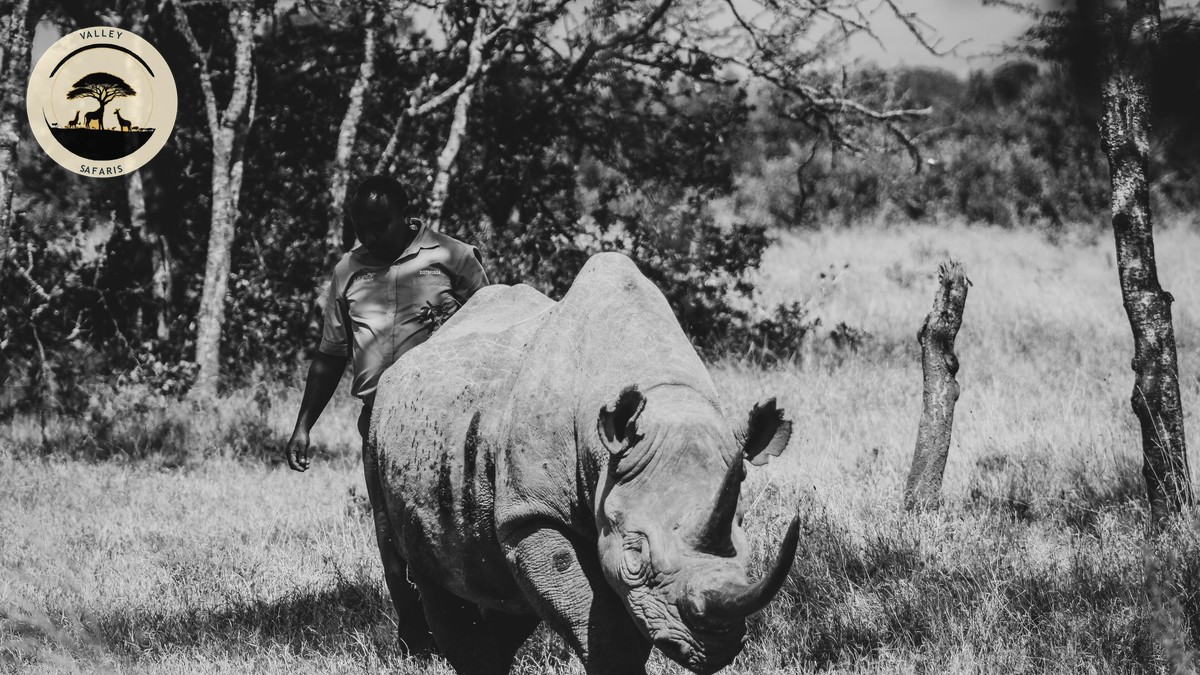
Named Examples by Category
For a quick mental map: Amboseli, Nairobi, Tsavo East, Tsavo West, and Aberdare are national parks under KWS. The Maasai Mara National Reserve and Samburu National Reserve are county-run reserves. Naboisho, Olare Motorogi, Mara North, Ol Pejeta, and Lewa Wildlife Conservancy are conservancies. Ol Pejeta sits a bit apart. It’s a fenced conservancy you can visit on a day trip from Nanyuki without staying overnight. Most Mara conservancies require a camp booking instead.
Where to Stay in Each Category
Lodging follows the land type. National parks mostly have larger lodges and public campsites, built decades ago under KWS concessions. Reserves have a wide mix, from budget camps near the Talek Gate to five-star tented camps along the Mara River. Conservancies only allow a small number of licensed camps, often owned by the same operators running your safari, which is part of why the experience feels more personal and less crowded.
Which One Should You Choose for Your Safari
For a first safari, I usually suggest starting in a reserve or park for volume and value, then adding one or two nights in a conservancy if the budget allows. The Maasai Mara National Reserve gives you the highest odds of seeing predators in a short trip. A conservancy stay afterward shows you what quiet, exclusive game viewing feels like once you’ve seen the basics.
If you’re deciding between regions rather than just categories, it helps to read our guide comparing Samburu and the Masai Mara for a first safari, since the animals, landscape, and crowd levels differ quite a bit between the two.
Repeat travelers often flip this order. They book a conservancy first since they already know what a busy sighting looks like. They want the walking safaris and night drives that parks simply don’t allow.
The Valley Safaris Difference
We plan every itinerary around this exact distinction, not around a generic “Kenya safari” package. When you book with us, we tell you plainly which nights are inside a KWS park, which are in a county reserve, and which conservancy fees are bundled into your camp rate. No surprise charges at the gate, no guessing whether your camp allows a night drive.
We also know the conservancies personally, which camps have the best access to the Mara River crossings, which ones are quietest in August, and where a guide is likely to know the resident leopard by name. That local knowledge is what turns a checklist safari into a trip you actually remember.
Plan Your Trip With Valley Safaris
If you’re still working out which parks, reserves, or conservancies fit your budget and travel dates, we’re happy to build that out with you. Take a look at our Kenya safari tours or reach out through our contact page and we’ll put together an itinerary that matches what you actually want to see.