If you have been reading Kenyan news lately, you have probably seen the words “El Niño” next to warnings about floods and washed-out roads. If you are also planning your first safari, that combination can feel worrying. Will your Masai Mara trip get rained out? Should you move your dates?
We have spent years driving these roads with guests, rebooking camps around rain, and watching the Mara River rise and fall with the season. Here is our Kenya safari weather El Niño 2026 forecast: what it actually means, region by region, and what we would tell a friend booking today.
The Kenya Safari Weather El Niño 2026 Forecast, Explained
El Niño is a warming of sea surface temperatures in the central and eastern Pacific Ocean. For Kenya, it usually means one thing: wetter short rains from October through December. The Kenya Meteorological Department (KMD) tracks this every year through its seasonal outlook.
As of KMD’s mid-2026 outlook, forecasters put the odds of El Niño conditions developing before the October to December rains in the range of 55 to 65 percent. That is a real possibility, not a certainty. Treat any specific percentage as an indicative range rather than a locked-in fact, since these forecasts get updated monthly as the season approaches.
What this range means in practice: above-average rainfall is more likely than not across much of Kenya’s short rains season, but “more likely” is not “guaranteed.” Some El Niño years bring only moderately enhanced rain. Others bring the kind of flooding Kenya saw in late 2023, when parts of Garissa, Tana River, and Nairobi flooded and some Mara access roads closed for days.
Month by Month: What to Expect June Through December
June through September stays dry across almost all safari country, El Niño or not. This is Kenya’s long dry season, driven by different weather patterns than the short rains. Your July or August safari is not affected by this forecast at all.
October usually opens gently, with scattered afternoon showers. By November, if El Niño conditions are active, rainfall can run 30 to 50 percent above the long-term average in parts of the Mara ecosystem and central Kenya. December often eases off again before the main dry season resumes in January.
The key point for planning: even in a strong El Niño year, rain rarely falls all day. Mornings are often clear. Afternoon storms build, drop heavy rain for an hour or two, and clear by evening. Game drives adjust around this rhythm rather than stopping for it.
Region by Region: Where It Stays Dry and Where It Gets Wet
Not every part of Kenya reacts the same way. The Mara ecosystem, central Rift Valley, and parts of northern Kenya tend to see the sharpest increases in rainfall during El Niño years. Coastal areas and the semi-arid north, including much of Samburu, usually see smaller increases.
| Region | Distance from Nairobi | Drive time | Approx. park fee (non-resident, per 24hrs) | Oct-Dec rain exposure |
|---|---|---|---|---|
| Masai Mara National Reserve | 270 km | 5-6 hours by road, 45 min by air | USD 80 | High |
| Mara conservancies (Naboisho, Mara North) | 270-290 km | 5-6 hours by road, 45 min by air | USD 70-100 | Moderate to high |
| Amboseli National Park | 240 km | 4 hours by road, 30 min by air | USD 60-80 | Moderate |
| Samburu National Reserve | 325 km | 5-6 hours by road, 1 hour by air | USD 70 | Low to moderate |
| Tsavo West National Park | 240 km | 4-5 hours by road, 40 min by air | USD 52 | Moderate |
Fees are indicative 2026 ranges based on current KWS and county rates, and camps often quote them separately from accommodation. Always confirm current fees with your operator before booking.
Samburu’s drier profile is one reason we often point first-time travelers there for a shoulder-season trip. If you are torn on where to start, our guide on choosing between Samburu and the Masai Mara walks through the trade-offs beyond just weather.
The Great Migration and Mara River Crossings
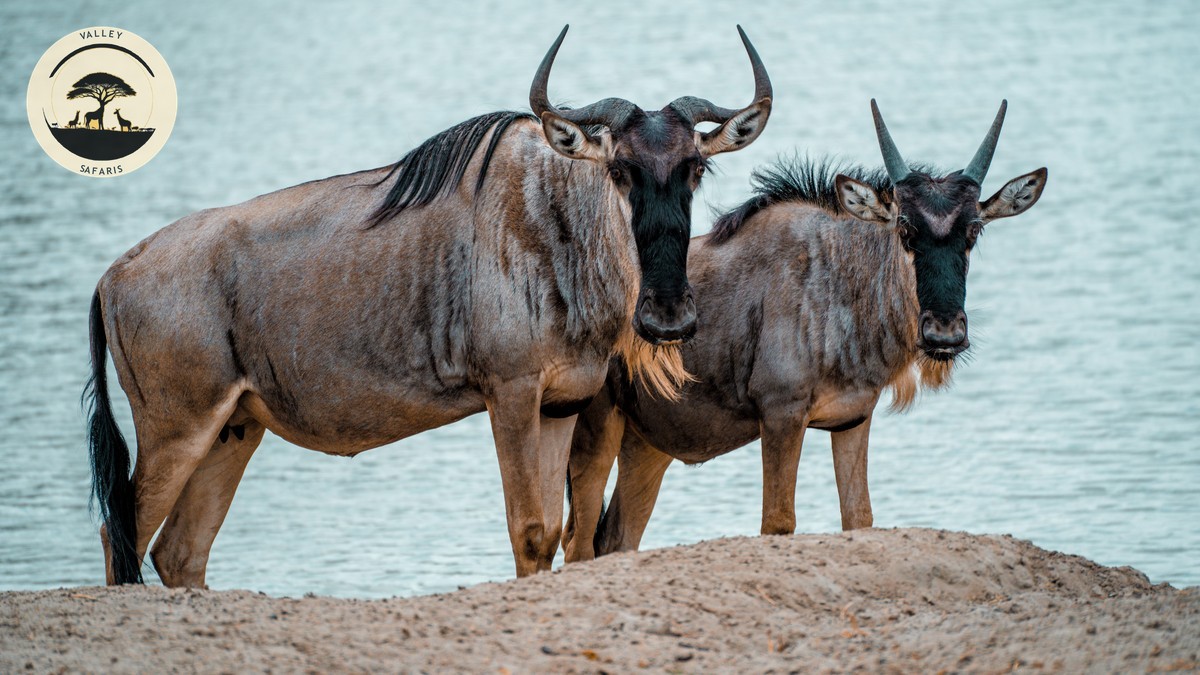
Here is the good news for Mara fans. The wildebeest migration’s big river crossings mostly happen July through September, well before any El Niño rain arrives. By October, most of the herd has already moved through the Mara and is heading back toward the Serengeti’s southern plains.
Some years, a wetter November keeps grass greener longer in the Mara Triangle and Naboisho Conservancy, which can hold smaller wildebeest groups later than usual. It is not the dramatic river-crossing spectacle, but it does mean fewer vehicles at sightings and lower rates at most camps.
Roads, Flooding, and Getting Around
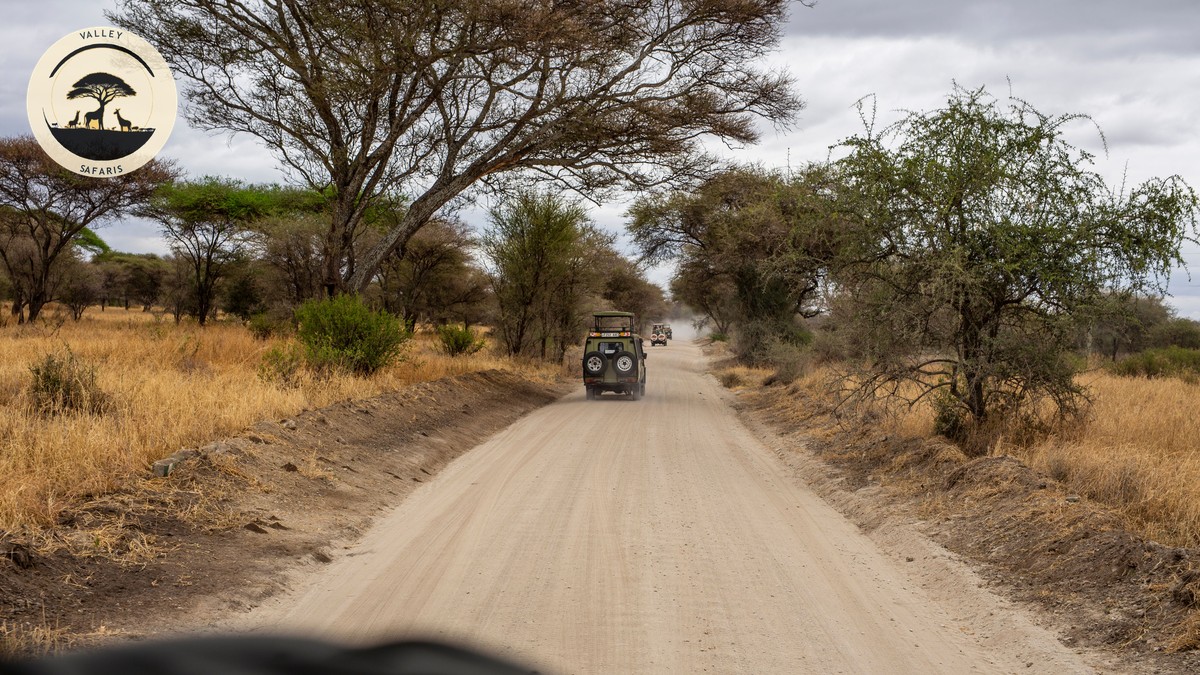
This is where El Niño actually bites. The black cotton soil around the Mara turns to thick, sticky mud after heavy rain, and some interior tracks become genuinely difficult even for experienced drivers. The main routes through Sekenani Gate and Talek generally stay usable, but detours happen.
Flying is the reliable workaround. Airstrips like Keekorok, Ol Kiombo, and Musiara stay operational through nearly all but the worst storms. That is why most of our Mara itineraries in the October to December window use light aircraft rather than road transfers.
Flooding risk concentrates around low-lying river crossings and certain roads in Narok and Tana River counties, based on the counties KMD has flagged in past El Niño outlooks. Amboseli and Samburu, sitting on more free-draining soil, rarely see the same road trouble.
Positive Indian Ocean Dipole: The Other Piece of the Puzzle
El Niño rarely acts alone. A positive Indian Ocean Dipole (IOD), a warming pattern in the western Indian Ocean relative to the east, often shows up alongside it and tends to push East Africa’s short rains even higher. When both patterns line up positive at the same time, as they did in 2023, rainfall totals can exceed what El Niño alone would produce.
KMD’s 2026 outlook has flagged a weak to moderate positive IOD signal as a factor worth watching alongside the El Niño probability. If both strengthen together into October, expect the wetter end of the forecast range rather than the milder one.
Should You Change Your Safari Dates?
For most first-time travelers, no. If you already booked June through September, this forecast does not touch you. If you are eyeing October through December, you are not choosing between a good trip and a ruined one. You are choosing between two different, both perfectly good, trips.
Go in the dry months if you want the highest odds of clear roads every single day and you are booking your one big trip with zero flexibility. Go in the shorter rains window if you want lower rates, thinner crowds, dramatic stormy-sky photography, and you are comfortable with the small chance of a rerouted game drive.
We have never had to cancel a safari outright because of rain. We have rerouted plenty.
The Valley Safaris Difference
We watch KMD’s updates the way other people watch football scores, because our guests’ trips depend on it. When a forecast shifts, we call our camp partners in the Mara, Amboseli, and Samburu directly, not just the booking desks.
Every camp we work with has a rain-season protocol. Some offer free date changes up to two weeks out. Others hold a room on courtesy for a set number of days if a road closes. We know which is which for every property we book, and we build that into your itinerary from day one rather than leaving you to find out mid-trip.
Our guides also know the back routes. When the main track through a conservancy turns soft, they know the ridge road that stays firm, the one most drivers do not know exists.
Booking, Rescheduling, and Peace of Mind
If your dates fall in the October to December window, book your camps as early as you can. The best-located tents in Naboisho and Mara North sell out first regardless of weather, and early booking gives you more room to adjust if the forecast sharpens closer to your travel dates. Our guide on how far in advance to book your safari dates has our general timeline, and it applies just as well outside honeymoon trips.
If your plans are more flexible, or a storm system does disrupt part of your trip, check our last-minute safari deals if you need to rebook. We often have short-notice availability at camps that had a cancellation, sometimes at a meaningfully lower rate than the original booking window.
The 2026 El Niño outlook is a reason to plan carefully, not a reason to cancel your safari. Kenya’s parks do not close for rain. They just look different, and honestly, a little wilder.
Ready to lock in your dates or talk through the trade-offs for your travel window? Get in touch with our team and we will build an itinerary around the weather, not despite it.