A photography hide is the closest you will get to wildlife without a vehicle between you and the animal. Sit low, stay quiet, and let a waterhole or spring do the work. After twenty years of putting photographers in Land Cruisers across Kenya, we still think hides are one of the most underused tools in the country. This guide is a practical photography hide safari Kenya planner: the real hides, what they cost, and when to book each.
What a photographic hide actually is
A hide is a sunken or partly buried structure set at eye level with a waterhole, spring, or salt lick. Most sit sixty centimeters to a meter above the water, with narrow viewing slots for lenses instead of open windows. Animals come to drink and mostly ignore you, because your scent and silhouette stay below their sightline.
This matters for the image, not just the experience. A lion drinking at eye level reads completely differently than the same lion shot from a raised vehicle seat. You lose the downward angle that flattens perspective on every normal game drive photo. In exchange, you give up mobility. You pick one spot and you stay there, sometimes for three or four hours, waiting for something to happen.
Where to find Kenya’s named hides
Shompole Wilderness, South Rift Valley. This is the hide most photographers ask us about by name. It sits inside the Shompole Conservancy near the Tanzania border, close to Lake Natron, and is built into the ground beside a spring that draws lion, leopard, and elephant through the dry months. Access is a 45-minute charter flight from Wilson Airport in Nairobi to the Shompole airstrip, or a 4 to 5 hour drive over rough road. Photographic safari packages built around the hide run from roughly $4,550 to $6,480 per person for a multi-night stay, guide included.
Saruni Samburu, Kalama Conservancy. The hide overlooks a waterhole below the lodge and is included free with a standard room rate, no separate booking or fee. Elephant, Grevy’s zebra, and reticulated giraffe are regulars, three of Samburu’s Special Five wildlife species you will not see further south. Room rates run roughly $450 to $600 per person per night, full board.
Sarara Tented Camp, Namunyak Conservancy. Sarara’s draw is the singing wells near Reteti, where Samburu herders sing to their cattle at the water, and a nearby hide that catches elephant coming through in the dry months. Indicative rates sit around $700 to $900 per person per night, all inclusive, hide access included.
Ol Malo, Laikipia. A private hide over a waterhole on Ol Malo’s own land, well suited to unhurried sessions since you are the only guests using it. Rates run roughly $500 to $650 per person per night.
Ol Pejeta hippo hide, Ol Pejeta Conservancy, Laikipia. A day-use hide on the Ewaso Nyiro river, good for a single afternoon rather than a dedicated stay. Conservancy entry runs around $90 per non-resident adult per day, with hide access included or added for a small extra fee depending on the operator.
Lewa Wildlife Conservancy / Sirikoi, Laikipia. Sirikoi’s hide sits within Lewa Wildlife Conservancy, one of the best places in Kenya to photograph black and white rhino at close range. Lewa’s conservancy fee runs around $135 per person per day on top of lodge rates, which sit roughly $900 to $1,200 per person per night at Sirikoi.
Lentorre Lodge, Il Ngwesi Conservancy, Laikipia. A smaller, quieter waterhole hide, roughly $550 to $700 per person per night, good value for the access you get.
Soroi Lion Bluff, Tsavo West, near Ngulia. The most affordable of the named hides, roughly $350 to $450 per person per night, overlooking a floodlit waterhole that draws lion and elephant after dark.
Comparing the hides side by side
| Hide / Camp | Conservancy / Region | Access from Nairobi | Best Season | Indicative Price (per person/night, or package) |
|---|---|---|---|---|
| Shompole Wilderness | Shompole Conservancy, South Rift | 45 min flight or 4-5 hr drive | Jun-Oct dry season | $4,550-$6,480pp (multi-night package) |
| Saruni Samburu | Kalama Conservancy, Samburu | 1 hr flight or 5-6 hr drive | Jun-Sep, Jan-Feb | $450-$600, hide included |
| Sarara Tented Camp | Namunyak Conservancy, Samburu | 1 hr flight | Jun-Sep dry season | $700-$900, hide included |
| Ol Malo | Laikipia | 45 min flight or 4-5 hr drive | Jul-Oct | $500-$650, hide included |
| Ol Pejeta hippo hide | Ol Pejeta Conservancy, Laikipia | 3-4 hr drive | Year-round, best Jun-Oct | ~$90 conservancy fee + small hide fee |
| Lewa / Sirikoi | Lewa Wildlife Conservancy, Laikipia | 40 min flight or 4-5 hr drive | Jun-Sep | $900-$1,200 + $135 conservancy fee |
| Lentorre Lodge | Il Ngwesi Conservancy, Laikipia | 4-5 hr drive | Jul-Oct | $550-$700, hide included |
| Soroi Lion Bluff | Tsavo West, near Ngulia | 4-5 hr drive | Dry season, Jun-Oct | $350-$450, hide included |
Prices are indicative and shift with season and operator. Always confirm current rates before you book.
Best time of year for hide photography
Dry season, roughly June through October, is when hides earn their keep. Water sources shrink, animals concentrate around the few that remain, and traffic through a hide picks up through the day. January and February offer a shorter dry window and can work well in Samburu.
The green season, November through May, is quieter at the hides. Animals spread out and drink from puddles and seasonal streams instead of queuing at one spot. Storm light can be dramatic, and newborn animals are common from January onward, but do not expect the same volume of visitors at the water. If your trip is built entirely around hide time, plan for the dry months.
What to bring
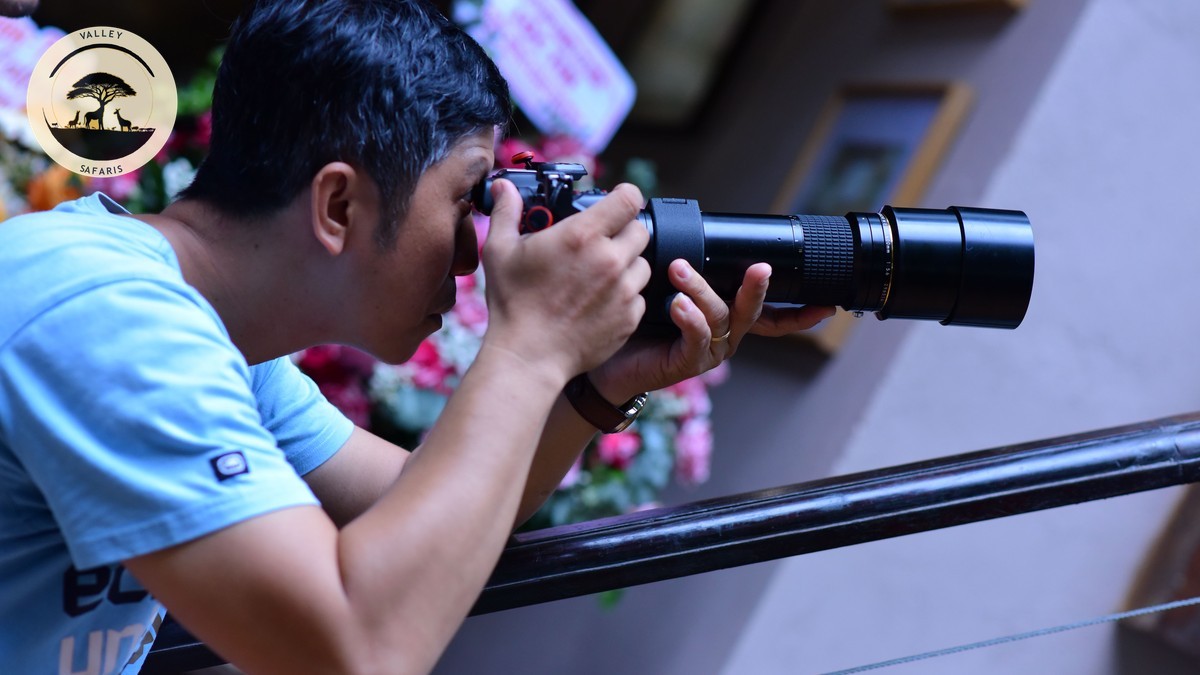
A telephoto in the 300mm to 600mm range covers most hide work, since you are often 15 to 30 meters from the water. A wide angle, 16mm to 35mm, earns its place too, for elephants or lions that come right up to the front of the hide. Bring a bean bag or a small tripod head that sits flat on the shooting shelf, not a full tripod, since hides rarely have the floor space. Pack a rain cover regardless of season and a spare battery, because sessions run long and you will not want to step out to recharge.
Practical details: how a hide session works
Most hide sessions run three to four hours, morning or afternoon, with a guide who knows the waterhole’s patterns and can read approaching animals before you can. Groups are kept small, usually two to four photographers per hide, so nobody is fighting for a slot at the viewing window. Silence matters more than anything else. Talking, even in a whisper, moves animals along faster than you would expect.
Some hides, including Soroi Lion Bluff and Shompole, offer night sessions using low, red-filtered lighting that does not spook nocturnal visitors. Night photography from a hide needs a fast lens and a steady hand, since shutter speeds drop and animals move unpredictably in low light. It is not for a first outing with a new camera body, but it is worth trying once you know your settings.
If you want structured guidance rather than a solo sit, our guided photography workshop safari pairs hide time with a working photographer who can help with settings and positioning through the session.
Is a hide worth it over a normal game drive
A hide costs more than a standard game drive and asks more patience. You might sit for two hours and see nothing, then have twenty minutes of elephants at the water as the light goes gold. That trade works for photographers chasing a specific image and struggles for families with young children or a one-park trip with no time to spare. If your itinerary already has one park and three days, a hide session is a hard fit. If you have a week and a lens you are itching to use properly, it changes what your gallery looks like by the end of the trip.
The Valley Safaris Difference
Most sites listing Kenya’s hides give you a paragraph of description and no honest number. We would rather tell you what a night at Shompole actually costs against a night at Ol Malo, and where the conservancy fees stack on top. We have sat in these hides ourselves, we know which ones run cold at dawn and which need a jacket by dusk, and we will tell you plainly if a hide does not suit your trip instead of selling you one anyway. We also build hides into wider itineraries, pairing a Samburu hide with time in Lewa Wildlife Conservancy or a Laikipia stay, so the days either side of your hide session are working just as hard as the hide itself.
Plan Your Photography Hide Safari Kenya
If you are weighing Shompole against Samburu, or wondering whether a hide fits your dates and your lens bag, we would like to help you work it out. Get in touch through our contact page and we will build a trip around the hides that match your season and your budget.