If you have already done the Masai Mara, Lewa Wildlife Conservancy is where your Kenya trip gets interesting again. This is not a national park with gates and crowds. It is a 62,000-acre private conservancy in Laikipia, on the lower slopes of Mount Kenya, where you can track rhinos on foot and never share a sighting with another vehicle.
I have sent repeat clients here for over a decade, and the reaction is almost always the same: why didn’t we come sooner. This Lewa Wildlife Conservancy guide covers what Lewa actually costs, which camps suit which budget, and whether it is the right add-on for your itinerary.
Lewa Wildlife Conservancy Guide: The Basics
Lewa sits in Laikipia County, northern Kenya, about 200 km north of Nairobi. It started in 1983 as the Ngare Sergoi Rhino Sanctuary, founded by the Craig family on their own cattle ranch, and grew into today’s conservancy in 1995. In 2013 it became part of the Mount Kenya UNESCO World Heritage Site.
Unlike a national park, Lewa is privately run by a nonprofit trust. That means strict visitor limits, no more than a handful of vehicles per sighting, and off-road access that most parks simply do not allow. It is not a substitute for the Mara’s predator drama. It is a different kind of safari, built around rhinos, walking, and open landscapes.
Wildlife: Rhinos, Grevy’s Zebra, and the Big Five
Lewa protects roughly 13 percent of Kenya’s black rhino population and around 90 to 100 white rhinos, figures that shift slightly year to year as the population is actively managed. It is also home to the largest single population of Grevy’s zebra anywhere, an endangered species found almost nowhere outside northern Kenya and Ethiopia.
You will also find lion, elephant, buffalo, and the occasional leopard, so the Big Five is technically on the table, though leopard sightings are far less reliable than rhino sightings here. Birdlife is strong too, with over 400 species recorded across the conservancy, including Egyptian vultures and the striking Somali ostrich.
The Rhino Conservation Story
Kenya’s black rhino population dropped from around 20,000 in the 1970s to fewer than 300 by the mid-1980s, hit hard by poaching. Lewa’s founders fenced off a rhino sanctuary within their ranch to give the species a fighting chance, and it worked. The conservancy’s success became the model for community conservancies across Kenya.
Today Lewa funds anti-poaching rangers, a canine tracking unit, and aerial surveillance, all backed by tourism revenue and conservation fees. If you want to see that work up close, you can spend a day with the rangers behind Lewa’s anti-poaching success, an experience that goes well beyond a normal game drive.
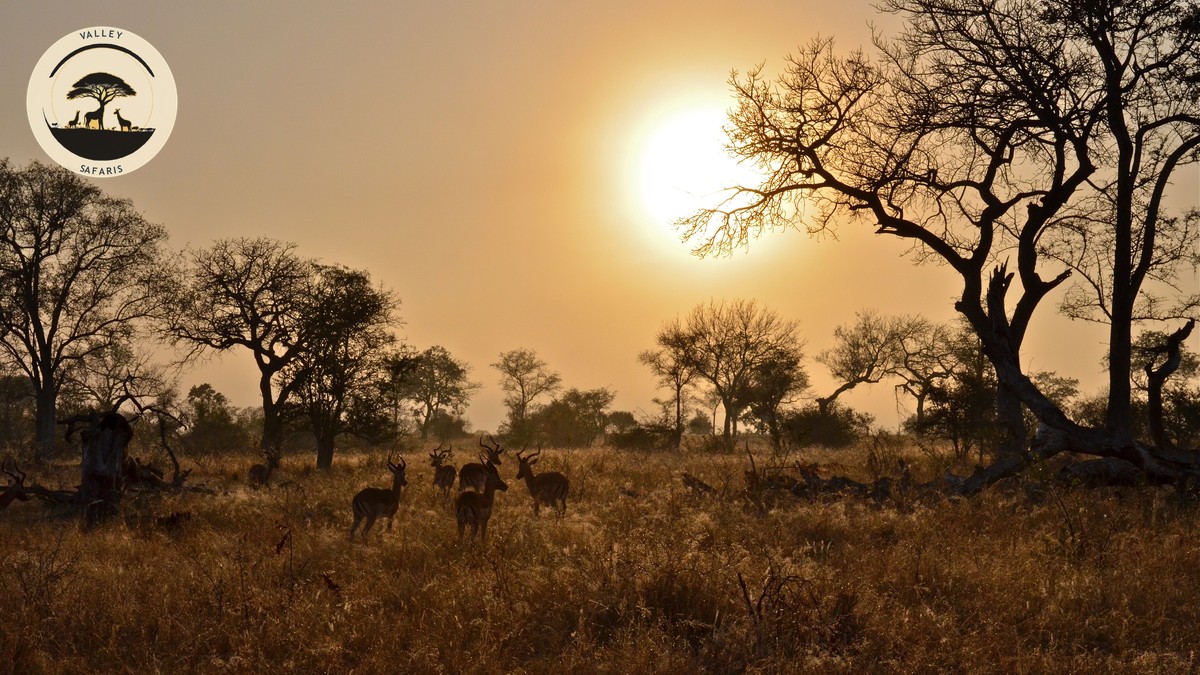
Activities: Walking, Tracking, and Night Drives
This is where Lewa earns its reputation. Activities include:
- Game drives, day and night, with spotlighting for genets, aardvarks, and other nocturnal species you rarely see in the Mara.
- Rhino tracking on foot, led by an armed ranger and a tracker, usually in groups of four to six guests. You approach on foot to a safe distance, not a chase, more a quiet, careful walk toward an animal the ranger already knows.
- Walking safaris across open savannah and riverine forest, often ending with tea or a bush breakfast.
- Horseback and camel safaris, offered at select camps, for guests comfortable riding near wildlife.
Most lodges include one or two of these activities in their rates. Rhino tracking on foot, where offered separately, typically runs from $50 to $100 per person, though several camps fold it into the nightly rate. If you have extra days, this is also a natural place to combine Lewa with a Mount Kenya trekking itinerary, since Mount Kenya’s foothills are visible from parts of the conservancy.
Where to Stay: Camps by Budget
Lewa has a small number of camps by design, which keeps the conservancy quiet. Here is how they compare.
| Camp / Lodge | Tier | Indicative Rate (per person/night, all-inclusive) | Known For |
|---|---|---|---|
| Sirikoi | Luxury | $1,000-1,500 | Owner-run, family suites, spa tent |
| Lewa Wilderness | Luxury | $900-1,300 | Craig family’s original homestead, horseback safaris |
| Lewa House | Upper-mid to luxury | $700-1,000 | Intimate, six rooms, strong guiding |
| Lewa Safari Camp | Mid-range | $500-700 | Elewana-run, good for families |
| IL Ngwesi | Mid-range | $400-600 | Community-owned, on Lewa’s border, tree-house rooms |
Rates are indicative and vary by season and operator; they typically exclude the conservation fee, charged separately at most camps.
Best Time to Visit
Dry season, June through October and again in January and February, gives the clearest game viewing, since animals gather near water and vegetation thins out. The green season, March through May, is quieter and cheaper, with newborn wildlife and dramatic skies, though some roads get muddy after heavy rain.
For a repeat visitor chasing an off-peak angle, September and early October are a sweet spot. Herds are concentrated, rates have not yet hit the December peak, and the light in late afternoon is extraordinary across the open plains.
Getting to Lewa from Nairobi
You have two options. Flying from Nairobi’s Wilson Airport to Lewa Downs airstrip takes about 45 to 55 minutes on scheduled carriers like Safarilink or AirKenya, with fares generally in the $150 to $250 one-way range. Driving takes 4.5 to 5 hours over roughly 240 km, mostly via Nanyuki on tarmac, then a final stretch of murram road into the conservancy.
Most of our clients fly in and drive out, or combine Lewa with Samburu or Meru by light aircraft, since the airstrips are close together. If you are mapping a longer northern Kenya circuit, it helps to see how far Lewa is from Nairobi and other parks before you commit to a route.
Lewa vs Masai Mara: Which Fits Your Trip?
Both are excellent, but they are not interchangeable. The Mara wins on predator density and sheer numbers, especially during the wildebeest migration from July to October. Lewa wins on exclusivity, rhino guarantees, and activities the Mara does not allow, since walking and off-road driving are restricted in most Mara conservancies and banned in the reserve itself.
Expect to pay more per night at Lewa, and expect fewer big cats. What you get instead is space, quiet, and a real chance to walk toward a rhino rather than watch one through a long lens from a crowded vehicle line.
Community and Conservation Impact
Lewa is not fenced off from the people around it. The conservancy funds schools, water projects, and healthcare clinics across Laikipia and neighboring Meru communities, and it works closely with community-owned conservancies like IL Ngwesi and Namunyak. A share of every conservation fee and bed-night rate goes back into this network.
That model, tourism revenue funding both wildlife protection and local development, is part of why Lewa became a template for Northern Rangelands Trust conservancies across Kenya.
Pricing: What a Lewa Safari Costs
Beyond your camp rate, expect a conservation fee of roughly $100 to $150 per person per night, sometimes included in the lodge rate and sometimes billed separately, so confirm this when you book. A three-night stay at a mid-range camp like Lewa Safari Camp, including the conservation fee, generally lands between $1,800 and $2,400 per person. At the luxury end, three nights at Sirikoi or Lewa Wilderness can run $3,500 to $5,000 per person, all-inclusive.
Add flights from Nairobi, roughly $300 to $500 return, and you have a realistic budget range for planning.
The Valley Safaris Difference
We do not sell Lewa as a checkbox stop. We have walked these trails with the same rangers for years, and we know which camps suit a family with young kids, which suit a honeymoon, and which suit a guest who wants five hours in the saddle each morning.
We also tell you when Lewa is not the right call. If predator sightings are your priority and this is your first Kenya trip, the Mara or Serengeti probably serves you better. If you have already seen that show and want something quieter, more personal, and built around conservation success rather than volume, Lewa belongs on your route.
Plan Your Trip to Lewa
Lewa rewards travelers who want depth over ticks on a checklist. Whether you are pairing it with Samburu, Mount Kenya, or a longer Laikipia circuit, we can build an itinerary around the camps and activities that actually match how you like to travel. Get in touch through our contact page and we will start shaping your Lewa safari from there.