You have done the Mara. You know what a wildebeest crossing sounds like. You have your favorite camp. Now you are ready for something that stretches you a bit more. A lot of our returning guests ask the same question. Can we climb Kilimanjaro and still do a proper Kenya safari, without flying home and back out again?
Yes, you can. A safari and Kilimanjaro climb combo Kenya trip is more straightforward than most people think. Kilimanjaro itself sits just over the border in Tanzania, about 300 km from Amboseli National Park by road. Most Tanzania-based operators write about this climb as if Kenya does not exist. But if you are building your trip from Nairobi, the logistics work differently. They are worth explaining honestly, including the extra days almost nobody budgets for.
The Safari and Kilimanjaro Climb Combo Kenya Advantage
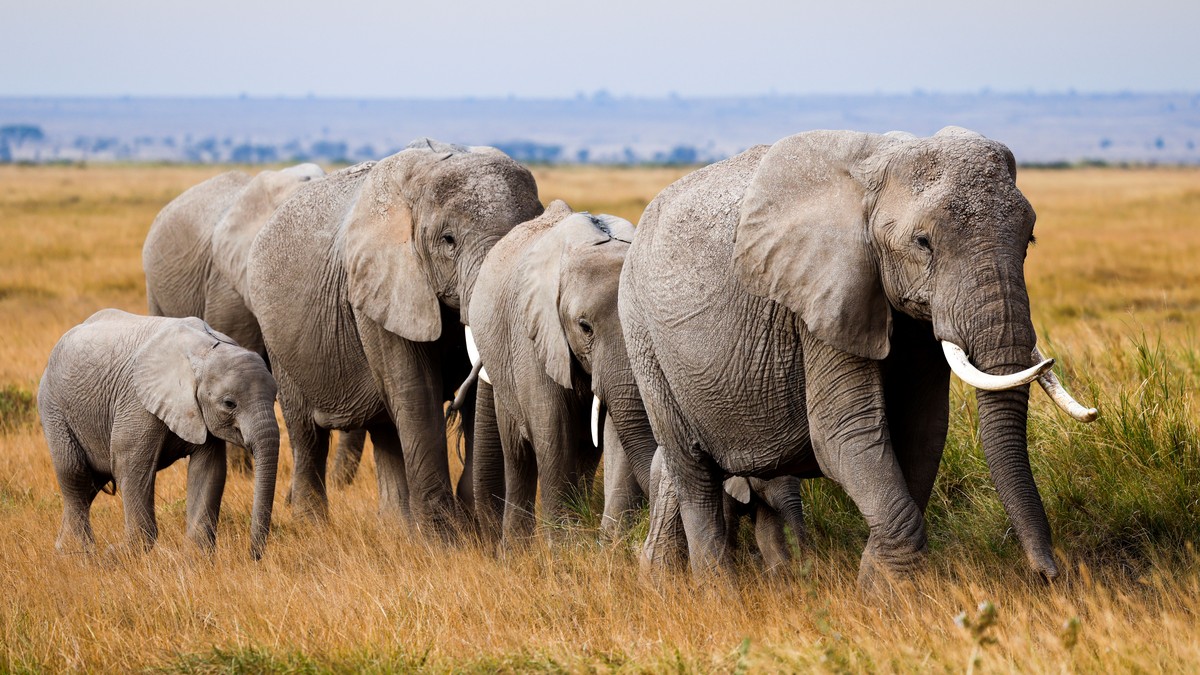
Amboseli is the best place on earth to see Kilimanjaro before you climb it. The mountain rises directly behind the elephant herds. On a clear early morning, you get the whole snow-capped profile in one frame. Many of our repeat guests spend two or three nights here, specifically photographing Kilimanjaro from Amboseli before you climb it, before crossing into Tanzania to start the ascent.
There is also a physical argument for the combo. Amboseli sits at about 1,150 meters and Samburu at roughly 800 to 1,200 meters. Both are too low to help much with altitude directly. But days on safari, moving between game drives and camp, keep you active and well rested before six or seven days of hard walking. Guests who fly in, climb immediately, then safari afterward often say the climb felt harder than it needed to. Building in two to three unhurried days on safari first tends to make a real difference to how you feel above 4,000 meters.
Sample Combined Itineraries by Length
Short but complete. Two nights in Amboseli, then cross to Tanzania and climb the Marangu route, 5 days and 4 nights, the fastest way up the mountain. Good if this is a top-up trip rather than your main event. That covers 7 to 9 days total.
Our most requested version runs 10 to 12 days. Three nights are split between Amboseli and Ol Pejeta Conservancy in Laikipia, home to the last two northern white rhinos and good black rhino density. Then comes the Machame route, 6 to 7 days, up Kilimanjaro. This gives you rhino, elephant, and mountain in one trip.
For guests who want the full northern Kenya circuit before the climb, 13 to 16 days works well. Start with Samburu National Reserve for gerenuk and reticulated giraffe. Add Laikipia for rhino and wild dog. Then head to Amboseli for the Kilimanjaro backdrop. Finish with the Lemosho or Northern Circuit route, 7 to 9 days, which has the highest summit success rate of any route. Some guests add three or four recovery days on the coast at Diani afterward, including a walk through the Kaya Kinondo sacred forest. It is a good way to let tired legs recover before flying home.
Kilimanjaro Routes Compared
Route choice matters more than most climbers realize. It also changes how the Kenya side of your trip should be timed.
| Route | Days on mountain | Approx. trail distance | Summit success rate (indicative) | Character |
|---|---|---|---|---|
| Marangu | 5 to 6 | 64 km round trip | 60 to 65% | Hut accommodation, fastest, least acclimatization |
| Machame | 6 to 7 | 62 km | 85 to 90% | Most scenic, popular, tents only |
| Lemosho | 7 to 8 | 70 km | 90%+ | Quieter start, strong acclimatization profile |
| Rongai | 6 to 7 | 72 km | 85% | Approaches from the north, drier route |
| Northern Circuit | 8 to 9 | 90 km | 95%+ | Longest, circles the peak, best acclimatization |
Success rates are indicative industry figures rather than a single verified source, since operators and seasons vary. The ranking between routes is consistent across most published data.
Best Safari Parks and Conservancies to Pair With the Climb
Since you already know the Mara, we usually steer combo trips toward Amboseli National Park. It is the obvious pairing, given the mountain views and only about 300 km from the Machame gate by road. Samburu National Reserve is drier and quieter. It is home to species you will not see further south, including Grevy’s zebra and the long-necked gerenuk. Laikipia, covering Ol Pejeta, Lewa, and Loisaba, offers private conservancies with strong rhino conservation stories and excellent walking safari options, a different pace after a busy Mara trip. Tsavo West sits closer to Amboseli, with the Mzima Springs underwater viewing chamber and red elephants dusted from the local soil.
Best Time of Year for Both
Kilimanjaro’s driest, clearest windows are January to mid-March and June to October. Kenya’s safari parks are at their best from late June to October, when the long rains have finished and grass is short. That overlap, roughly late June through October, is the sweet spot for combining both. January and February also work well and see fewer climbers on the mountain. Avoid April and May, when heavy rain makes both the trails and many Kenyan roads difficult.
Planning and Booking Logistics
Here is the part most combo articles skip, because they are written from Tanzania: getting from your Kenya safari to the mountain.
From Amboseli, it is about 80 km to the Namanga border, roughly 90 minutes by road. Namanga to Moshi, the usual base town for Machame and other western routes, is another 200 km. That is about 4 to 5 hours, including the border crossing itself, which typically takes 30 to 90 minutes depending on queues. From Moshi it is a short 25 km hop to the Machame gate. Budget a full travel day between your last safari camp and your first night in Moshi.
On visas, the East Africa Tourist Visa, about USD 100, covers Kenya, Uganda, and Rwanda, but not Tanzania. If your trip includes the Kilimanjaro climb, you will need a separate Tanzania visa, usually USD 50 to 100 depending on nationality. It can be arranged online in advance or on arrival at Namanga. Do not assume the East Africa visa carries you across the border. It does not.
You will also want to check yellow fever vaccine requirements for crossing into Tanzania well ahead of travel. Tanzania asks for proof of vaccination from travelers arriving from Kenya, even though Kenya itself does not always require it on entry.
We also get asked often about whether to fly or drive between safari camps and the Kilimanjaro trailhead. Flying from Nairobi to Kilimanjaro International Airport is faster, about 1 hour, and skips the border queue. Road transfers through Amboseli let you combine the drive with a final game drive and the classic mountain photograph, which most repeat visitors say is worth the extra hours.
Camps, Lodges and Accommodation
On the Kenya side, expect tented camps from about USD 250 to 600 per person per night, depending on season and location, with Laikipia conservancies generally at the higher end. On the mountain, Marangu uses fixed huts. Machame, Lemosho, Rongai, and the Northern Circuit all use mobile tented camps set up fresh each night by your climb crew.
Costs and What’s Included
A Kilimanjaro climb, including park fees, guides, porters, and camping equipment, typically runs USD 2,200 to 3,500 per person, depending on route length and group size. Kenya National Park and conservancy fees vary widely. Amboseli is around USD 60 per person per day for non-residents, while private Laikipia conservancies often bundle fees into the nightly rate. A combined 10 to 12 day trip covering both, land costs only, generally falls between USD 4,500 and 7,500 per person, before flights.
The Valley Safaris Difference
We are a Kenya-based company, so we are honest about the fact that the mountain is not ours. What we do well is the seam between the two trips. That means one itinerary and one point of contact, with vehicles and guides who know exactly when to leave Amboseli so you reach Moshi with daylight to spare. We work with a small number of trusted Tanzania climb operators rather than reselling generic packages. We also build in the extra acclimatization days that make the summit push more comfortable, not just cheaper on paper.
FAQs
Can you combine a Kenya safari with climbing Kilimanjaro even though the mountain is in Tanzania? Yes. It is a routine combination, just one that requires a border crossing and two visas.
How many days do you need? A minimum of 7 to 9 days for a short version, 10 to 12 for a comfortable combo, and up to 16 for the full northern Kenya circuit plus a longer climb route.
Should you climb before or after the safari? Climbing after a few safari days tends to leave people feeling better acclimatized. Climbing first and recovering on safari afterward also works well, especially with a coastal add-on.
Is it better to fly or drive between the two? Flying is faster. Driving lets you combine the transfer with sightseeing and a final Kilimanjaro photograph from Amboseli.
Do you need separate visas? Yes, the East Africa Tourist Visa does not cover Tanzania.
Which route pairs best with a short safari? Marangu, since it is the shortest at 5 to 6 days.
Plan Your Combined Trip
If you are ready to see Kilimanjaro from Amboseli’s elephant herds, and then stand on its summit a few days later, we would love to help you plan it properly, border crossing, visas, and all. Have a look at our Kenya safari and Kilimanjaro climb tours or get in touch through our contact page to start building your itinerary.