Every photographer who has sat in a vehicle at Enkongo Narok swamp at 6:45am, watching a bull elephant walk out of the mist with Kilimanjaro turning pink behind him, understands why Amboseli keeps pulling people back. The mountain, the dust, the sheer number of elephants close to the track. It is a rare combination.
Figuring out the Amboseli elephant photography best time takes more than “go in the dry season.” The dry season alone runs five months, and conditions inside it swing a lot. This guide gives you the month-by-month detail, the light windows, and the vehicle logistics that the usual roundups skip.
Why the Dry Season (June to October) Works Best
From June through October, Amboseli’s swamps shrink and the surrounding lakebed dries into fine volcanic dust. Elephants kick that dust up as they walk, and it hangs in the low sun, turning ordinary footage into something with real texture. Grass cover drops too, so herds stand out against open ground instead of hiding in thicket.
Rain also clears the air just enough to let Kilimanjaro show its snowcap on many mornings, something you cannot count on in the cloudier long-rains months of March through May.
Month-by-Month: The Amboseli Elephant Photography Best Time by Season
Here is how the year breaks down for a photographer weighing dust, mountain views, and crowd size against each other.
| Month | Kilimanjaro morning clarity (indicative) | Dust and light quality | Crowd level | Notes |
|---|---|---|---|---|
| January | High, 60-70% of mornings | Good, moderate dust | Moderate | Warm, dry, good value season |
| February | High, 60-70% of mornings | Good, moderate dust | Moderate to low | Often the quietest good-light month |
| March-May | Low, 20-30% of mornings | Soft, green, little dust | Low | Long rains, tracks can be muddy |
| June | Rising, 40-50% of mornings | Building dust, grass still present | Moderate | Transition month, good value |
| July-August | Moderate, 40-50% of mornings | Strong dust, dry grass | High, school holidays | Peak international crowds |
| September | High, 55-65% of mornings | Peak dust, dramatic backlight | Very high | Best dust light, most vehicles |
| October | High, 55-65% of mornings | Peak dust, dry ground | High | Similar to September, slightly quieter |
| November | Falling, 30-40% of mornings | Short rains begin, dust settles | Low to moderate | Short rains can start any week |
| December | Moderate, 40-50% of mornings | Mixed, festive crowds | Moderate to high | Holiday travelers arrive |
These percentages are indicative ranges built from typical dry and wet season patterns, not a guaranteed forecast for any single trip. Kilimanjaro makes its own weather, and a lucky February morning can beat an unlucky September one.
The honest trade-off: September and October give you the most dramatic dust and backlighting, but you will share sightings with more vehicles than any other time. January and February trade some of that drama for calmer mornings, thinner crowds, and Kilimanjaro views that are just as reliable.
Best Time of Day for Kilimanjaro and Elephant Light
Get out at first light, around 6:15am, and you have a clear run until roughly 9am before haze and rising heat start building a cloud cap on the peak. That three-hour window is when Amboseli photography actually happens.
Late afternoon, from about 5pm to 6:30pm, gives you warm sidelight on the elephants themselves, though the mountain is often clouded over by then. If you have to choose one session, choose the morning.
Kilimanjaro Visibility and Cloud Patterns
Kilimanjaro sits about 40 km south of Amboseli’s swamps, across the Tanzania border, and it builds its own cloud cover most afternoons regardless of season. Morning is almost always your best shot at the snowcap. Even in the dry season, expect maybe six clear mornings out of ten. Plan for at least three full mornings in the park if the mountain shot matters to you.
Why Amboseli Elephants Are So Easy to Photograph
Amboseli’s elephants have been studied since 1972 by the Amboseli Trust for Elephants, one of the longest continuous studies of any wild mammal population. Decades of respectful vehicle behavior around these herds mean the elephants are remarkably relaxed. Bulls will often walk within 15 to 20 meters of a stationary vehicle without changing pace. That habituation is what lets photographers get eye-level detail shots that would be impossible in a less settled ecosystem.
Gear and Camera Settings
A 100-400mm zoom covers most elephant work, letting you go from full-herd wide shots to single-animal portraits without changing lenses. For dust and mountain scenes, a 24-70mm earns its place, especially for wide shots with Kilimanjaro filling the background.
Dust is the real enemy here. Change lenses inside the vehicle as little as possible, keep a rocket blower and microfiber cloths within reach, and consider a rain cover even in dry months since the powder gets into everything. In the dusty light of September and October, underexpose slightly and shoot in shutter priority around 1/1000s to freeze dust particles without blowing out highlights.
Composition Tips: Silhouettes, Wide Shots, and Detail
Early morning backlight is made for silhouettes. Get low, shoot wide, and let a line of elephants cross in front of the rising sun.
For the postcard shot, back off to 24-70mm and frame a herd small in the foreground with Kilimanjaro filling the upper third of the frame. Swamp circuits near Ol Tukai and Enkongo Narok give the cleanest sightlines for this.
Then go close. A single ear, a trunk curling around grass, tusks catching sidelight. These detail frames are what separate a portfolio from a photo album, and Amboseli’s calm elephants make them easy to get.
Vehicle Positioning and Etiquette
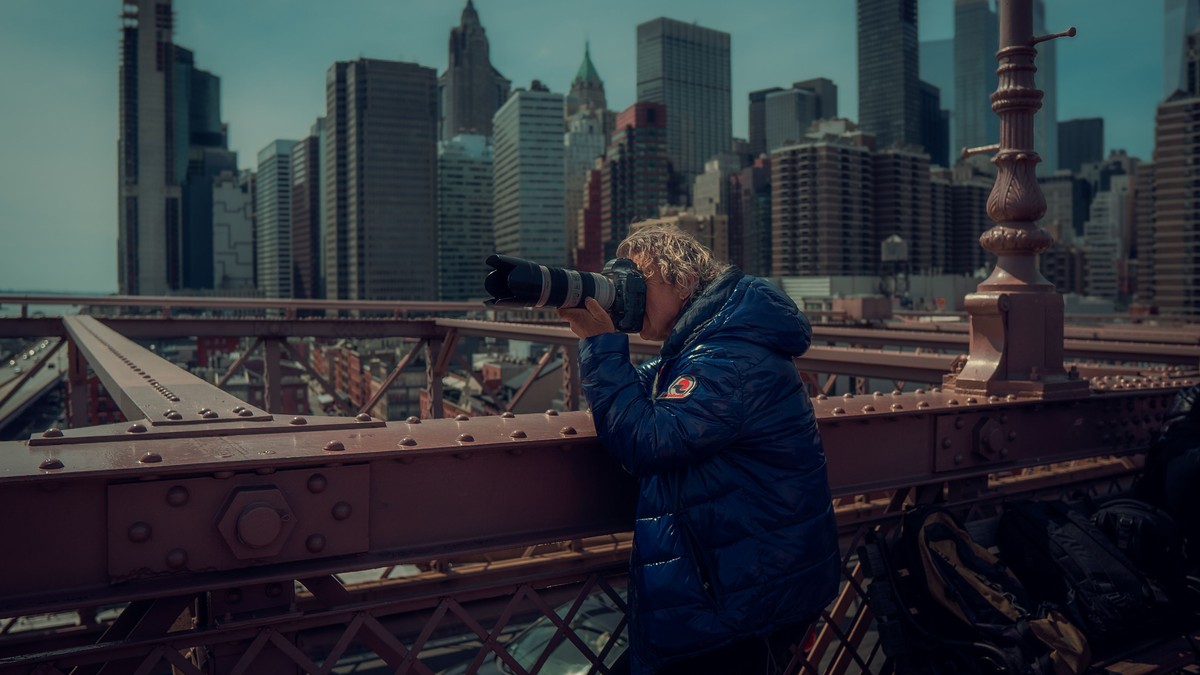
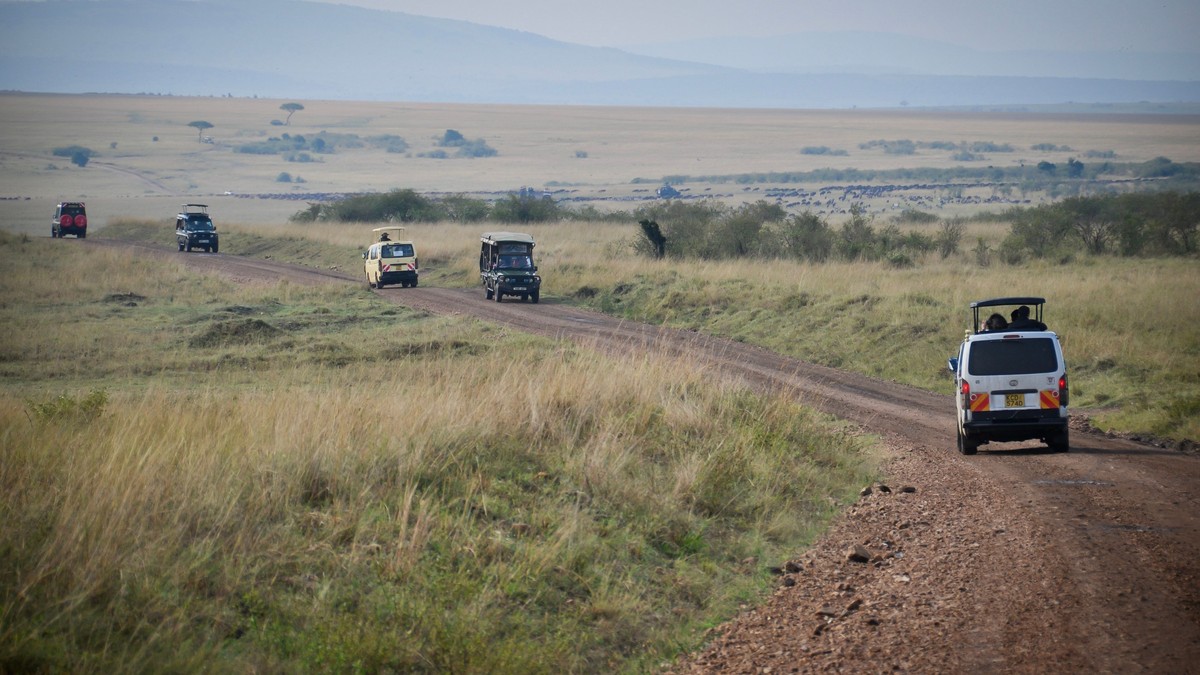
A private vehicle is worth the extra cost for serious photography. Shared vehicles mean compromise on stopping time and angle, and in a place where three minutes of good light can make or break a shot, that compromise adds up.
Ask for a vehicle with a full pop-up roof hatch rather than a fixed roof with side hatches only. It lets you shoot 360 degrees without leaning past other passengers, which matters when a bull turns unexpectedly. Window seats on the shaded side help avoid lens flare during midday drives, though for the golden hours you will mostly be standing at the hatch regardless of seat.
Keep at least 20 to 25 meters from any herd with calves, and never block an elephant’s path to water. Amboseli’s guides are strict about this, and it is also simply the right way to behave around an animal this size.
If you are cross-shopping destinations, it is worth understanding how Amboseli compares to Tsavo for photography safaris, since Tsavo offers red-dust elephants but no mountain backdrop.
Where to Stay for Photographers
Camps closest to the swamps put you in position before first light, which matters more than luxury finishes.
- Tortilis Camp, on a private conservancy south of the park, roughly USD 700-900 per person per night all-inclusive, with some of the best unobstructed Kilimanjaro views in the ecosystem.
- Ol Tukai Lodge, inside the park boundary near the main swamps, roughly USD 300-420 per night, a strong balance of access and price.
- Amboseli Serena Safari Lodge, also inside the park, roughly USD 260-350 per night.
- Kibo Safari Camp, just outside the gate, roughly USD 150-220 per night, a solid budget base.
Rates above are indicative ranges and shift with season and currency. Amboseli National Park’s own conservation fee runs around USD 60-75 per adult per 24 hours for non-residents, on top of accommodation costs, so budget for that separately.
| Route | Distance | Drive time | Indicative cost |
|---|---|---|---|
| Nairobi to Amboseli (via Namanga road) | About 240 km | 4 to 5 hours by road | Shared shuttle from USD 30-50 per person |
| Nairobi to Amboseli by air | About 210 km direct | 35-45 minutes | USD 150-250 per person one way |
If you are not driving yourself, it helps to plan ahead for getting from Nairobi to Amboseli, since public options run less frequently than private transfers.
Conservation Context Worth Knowing
The Amboseli Trust for Elephants and the Big Life Foundation both work in this ecosystem, funding anti-poaching patrols and community conservancy programs that keep wildlife corridors open between Amboseli and Kilimanjaro’s forests. Park fees and conservancy fees you pay as a visitor feed directly into that work. It is one more reason a slower, respectful vehicle approach matters, since it protects the very access that makes the photography possible.
Before you go, pack a decent pair of best binoculars for spotting elephant herds before they’re in frame, since spotting a herd early gives your guide time to position the vehicle before the light changes.
The Valley Safaris Difference
We build Amboseli itineraries around light, not just game drives. That means private vehicles with full pop-up roofs as standard for photography clients, guides who know which swamp circuit faces the sun at 6am versus 6:30am, and schedules that keep you out during the two windows that actually matter instead of a generic all-day drive.
We also tell you the trade-offs straight. If you want September dust, we will tell you which camps still have space and which circuits get crowded by 7am. If you would rather have February’s quiet mornings, we will say so, even if it means a shorter conversation about add-ons. Our guides have spent years watching how the same swamp looks different by the week, not just the season, and that detail shapes every itinerary we plan.
Plan Your Amboseli Photography Safari
If you are ready to time your trip around the light instead of guessing, we would like to help you plan it. Have a look at our Amboseli photography safari itineraries or get in touch through our contact page to talk through dates, vehicle setup, and which month fits what you are hoping to bring home.