Your guide cuts the engine before sunrise. No lion in the grass, no leopard on a branch. Instead, a pack of spotted hyenas trots past a wildebeest herd, and a marabou stork stands over what is left of last night’s kill. This is the ugly five animals Kenya safari guides watch closely, and they steal the show more often than you would think.
Every first-time safari traveler hears about the Big Five before they even land in Nairobi. Fewer people know about the Ugly Five. These are five animals that Kenyan guides quietly love, because they are strange, smart, and often easier to find than lions or rhinos. Here is what they are, why they matter, and exactly where to look for them.
What Is the Ugly Five?
The term is a joke that stuck. Safari guides in southern Africa coined it decades ago as a cheeky counterpoint to the Big Five. That original list named the five most dangerous animals to track on foot: lion, leopard, elephant, buffalo, and rhino.
The Ugly Five has no official origin story and no danger requirement. It is simply five animals that tourists used to overlook because they are not conventionally beautiful. The usual lineup is the spotted hyena, the wildebeest, the marabou stork, the vulture, and the warthog.
Once you understand what each one actually does, calling them ugly starts to feel unfair. Every one of them is built for a job, and most of them are doing Kenya’s ecosystem a favor.
Spotted Hyena: Not Just a Laugh Track
Forget the cartoon villain. Spotted hyenas hunt more of their own food than lions do, sometimes up to 70 percent of their meals. They live in matriarchal clans led by females who outrank every male. That whooping laugh is actually a distress or excitement call, not a punchline.
You will most likely hear them before you see them, especially on a dawn game drive near a den. Clans in the Maasai Mara can number more than 40 animals, and cubs are born jet black before lightening with age.
Are they dangerous to watch? Not from a vehicle. Guides keep a respectful distance, and hyenas generally ignore parked cars entirely.
Wildebeest: The Migration’s Main Character
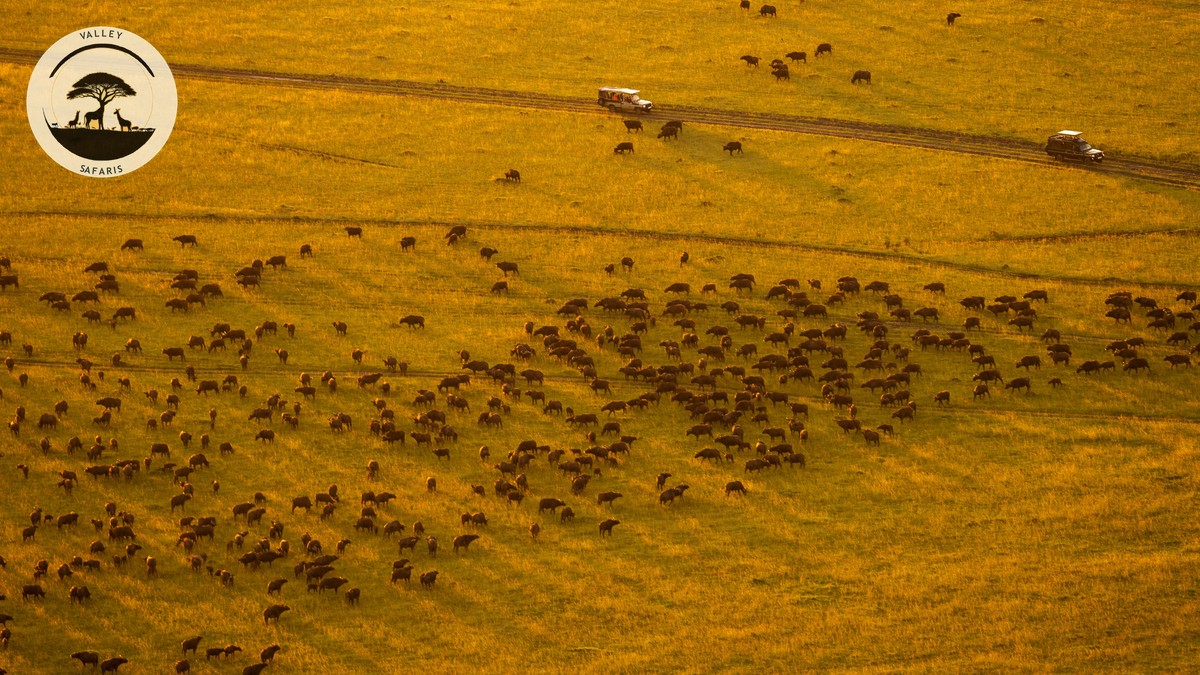
The blue wildebeest looks like it was assembled from spare parts, a horse’s body, a buffalo’s horns, and a beard that belongs on a goat. But this is the animal behind the Great Migration, when close to 1.5 million wildebeest cross the Mara River between July and October each year.
Outside migration season, resident wildebeest herds still graze year round in the Maasai Mara ecosystem and around Amboseli. They are a reliable, almost guaranteed sighting on nearly any Kenya game drive.
Marabou Stork: Kenya’s Undertaker Bird
Bald head, hunched shoulders, a wingspan that can top 2.6 meters. The marabou stork earned the nickname “undertaker bird” for good reason. It looks like it is wearing a black coat over hunched white feathers, standing quietly at the edge of a kill.
That bald head is not a design flaw. It keeps the bird clean while it feeds on carrion, digging into carcasses that would otherwise plaster feathers with blood and bacteria. You will often find marabou storks near rubbish dumps and lodge grounds too, since they are opportunistic scavengers, not fussy eaters.
Vulture: The Cleanup Crew Kenya Cannot Live Without
Kenya is home to several vulture species, including the Ruppell’s griffon and the white-backed vulture, both now listed as critically endangered. A single flock can strip a carcass to bone within 30 to 40 minutes, which slows the spread of disease across the savanna.
Populations have crashed across East Africa, partly from poisoned carcasses set out for predators. Guides in the Mara and Amboseli now treat every vulture sighting as something worth stopping for. It is not because vultures are rare here yet, but because that could change fast.
Warthog: The Underestimated Comedian
Warthogs trot with their tails straight up like little antennas, a habit that lets mothers keep track of piglets running behind them through tall grass. They also back into abandoned aardvark burrows tail first, so they can charge out horns first if something threatens them.
They graze on their front knees, using calloused pads built for exactly that posture. Nearly every park in Kenya has warthogs, which makes them the easiest of the Ugly Five to check off your list.
Ugly Five Animals Kenya Safari: Where to Look in Each Park
Some parks deliver all five reliably. Others are strong on two or three. Here is a realistic breakdown, with distances and drive times from Nairobi.
| Park or Conservancy | Distance from Nairobi | Drive Time | Park Fee (non-resident, indicative) | Best Ugly Five Odds |
|---|---|---|---|---|
| Maasai Mara National Reserve | about 270 km | 5 to 6 hours by road, or 45 minutes by air from Wilson Airport | around USD 100 per day (varies by conservancy) | Hyena, wildebeest, vulture, warthog |
| Amboseli National Park | about 240 km | around 4 hours | roughly USD 60 to 90 per day | Warthog, marabou stork, wildebeest |
| Lake Nakuru National Park | about 160 km | 2.5 to 3 hours | roughly USD 60 per day | Marabou stork, vulture, warthog |
| Samburu National Reserve | about 325 km | 5 to 6 hours | roughly USD 70 per day | Hyena, vulture, warthog |
Figures are indicative and change with park gate updates, so confirm current rates when you book. Want a deeper look at how these designations differ? Our guide to national parks, reserves, and conservancies explains the rules that apply inside each one.
Can you find all five Ugly Five animals in the Maasai Mara alone? Usually yes, especially during migration season, when wildebeest draw in hyenas and vultures too. Amboseli is the better bet for a calmer pace. It is also Amboseli, where warthogs and marabou storks pose against Kilimanjaro, a scene worth planning a morning around.
Timing Your Sightings Right
Hyenas, vultures, and marabou storks cluster around kills, which usually happen overnight or at dawn. That means an early morning game drive, not a leisurely 10 a.m. departure, gives you the best odds.
The dry seasons, from late June to October and again from January to February, concentrate animals around rivers and waterholes. Wildebeest sightings peak from July through October in the Mara, when the migration herds arrive from Tanzania’s Serengeti.
Big Five, Ugly Five, or Something Else Entirely
First-time travelers often ask how these lists relate to each other, and whether there is a “correct” one to chase.
| List | Animals Included | Why It Exists |
|---|---|---|
| Big Five | Lion, leopard, elephant, buffalo, rhino | Originally the five hardest animals to hunt on foot |
| Ugly Five | Spotted hyena, wildebeest, marabou stork, vulture, warthog | A playful counterpoint highlighting overlooked species |
| Little Five | Elephant shrew, buffalo weaver, leopard tortoise, ant lion, rhino beetle | A word game matching Big Five names to tiny animals |
| Shy Five | Aardvark, aardwolf, bat-eared fox, porcupine, meerkat | Nocturnal and secretive animals rarely photographed |
None of these lists replaces the others. They are different lenses on the same landscape, and a good itinerary layers them together instead of chasing one at a time. If Big Five sightings are your main goal, our guide to where to spot Kenya’s Big Five pairs well with everything above.
Why the Ugly Five Actually Matter
Vultures and marabou storks are nature’s sanitation department. Without them, carcasses linger longer, disease spreads faster, and other scavengers like jackals and hyenas face more competition. Hyenas themselves control prey populations as effective hunters, not just leftover feeders.
Conservationists now track vulture numbers as an early warning sign for ecosystem health. A landscape losing its scavengers is usually a landscape with a poisoning or poaching problem underneath. Spotting these animals on your safari is not just a fun checklist moment. It is a small window into how the whole system stays balanced.
The Valley Safaris Difference
We have sat in enough vehicles at 5:30 a.m. to know that the Ugly Five rewards patience and timing, not luck. Our guides know which hyena dens are active in the Mara Triangle this month. They also know which stretch of the Ewaso Nyiro River near Samburu is drawing vultures right now.
We also build itineraries that mix Ugly Five mornings with Big Five afternoons, so you are not choosing between the two. And when the game drive wraps early, we have been known to set up a surprise sundowner picnic on the spot. The best safari moments rarely happen exactly on schedule.
Plan Your Ugly Five Safari
The Ugly Five turns a slow morning into one of the best stories from your trip. Maybe you want a dawn hyena hunt in the Mara. Maybe you want a relaxed Amboseli morning with warthogs and Kilimanjaro in the background. We can build the itinerary around it.
Get in touch through our contact page and let’s plan a Kenya safari that shows you far more than the five faces everyone already knows.