Every website telling you self-driving in Kenya is safe also rents you the car. That is not a coincidence. Safari Masters, 4×4 East Africa, and Laba Africa all make money when you book a self-drive vehicle, so of course they lean toward yes.
We run guided safaris for a living, and we still think self-drive can work for the right traveler. It just is not the automatic win the rental sites suggest. Here is the honest take on self drive safari Kenya safety, with real numbers, so you can decide for yourself.
Self Drive Safari Kenya Safety: Is Kenya Safe for Tourists Overall?
Mostly, yes, on the main tourist routes. The road from Nairobi to Naivasha, Nakuru, and on to the Mara turnoff is used daily by tour vans, buses, and private cars. Carjacking corridors that used to worry visitors, like parts of the old Nairobi to Mombasa road at night, are far less of an issue now than a decade ago.
The real risks are less dramatic than carjackings. They are matatu overtaking on blind corners, potholes that swallow a tire at 80 km/h, and drivers who fall asleep on the long, flat stretch of the A109 after Voi. If you are used to disciplined lane driving, Kenyan roads will test your patience more than your courage.
Staying Safe Around Wildlife
This is where self-drivers get into real trouble, more than robbery ever does. Lions, elephants, and buffalo do not care that you are on a budget. Park rules everywhere, from the Masai Mara to Amboseli, require you to stay inside your vehicle except at designated picnic spots.
Keep at least 20 to 25 meters from big cats and elephants, more if a mother has calves nearby. Never reverse suddenly at an elephant, since sudden movement is what triggers a charge. Windows go up around buffalo, always. If you are new to reading animal body language, this is exactly the kind of judgment call common first-timer safari mistakes tend to involve, and it is one a trained driver-guide handles instinctively.
Night Driving Rules You Cannot Ignore
Every major reserve in Kenya, including the Mara, Amboseli, and Tsavo, bans game drives after dark for visitors without a licensed guide. Gates close around 6:30 pm and reopen at 6 am. Getting caught outside camp after dark inside a park can mean fines on the spot, and worse, it puts you in the dark with animals that hunt at night.
If your GPS sends you on a shortcut through reserve land near sunset, do not take it. Add a buffer hour to every drive estimate in this region.
What Vehicle Do You Actually Need?
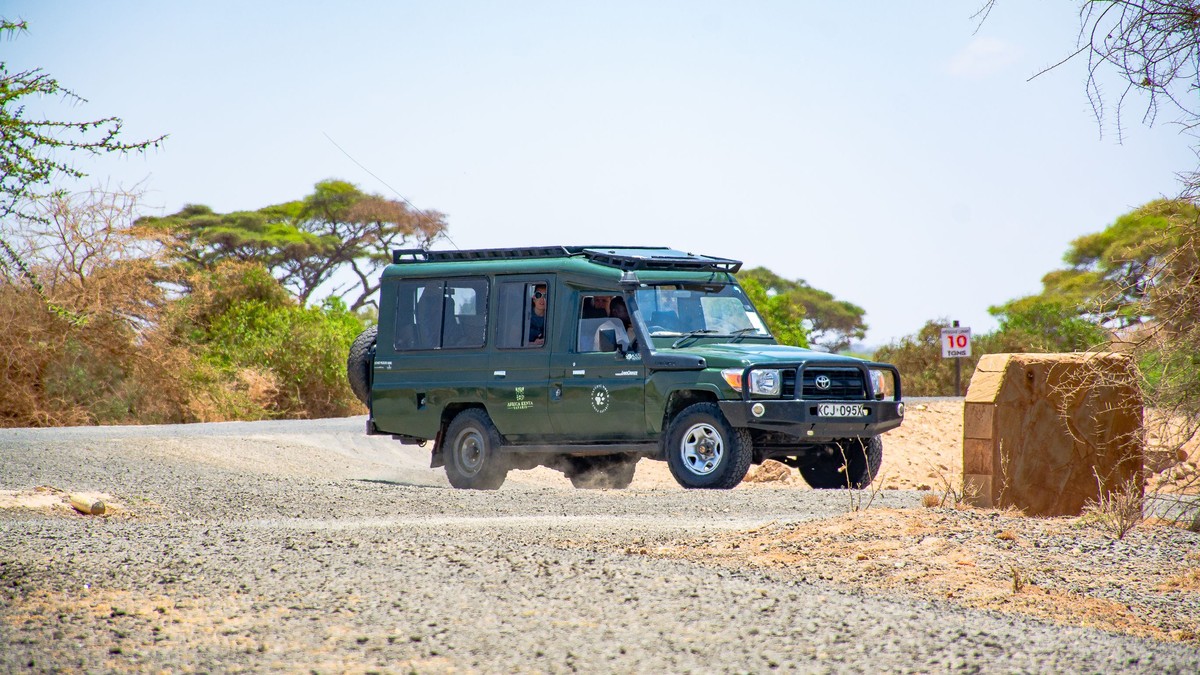
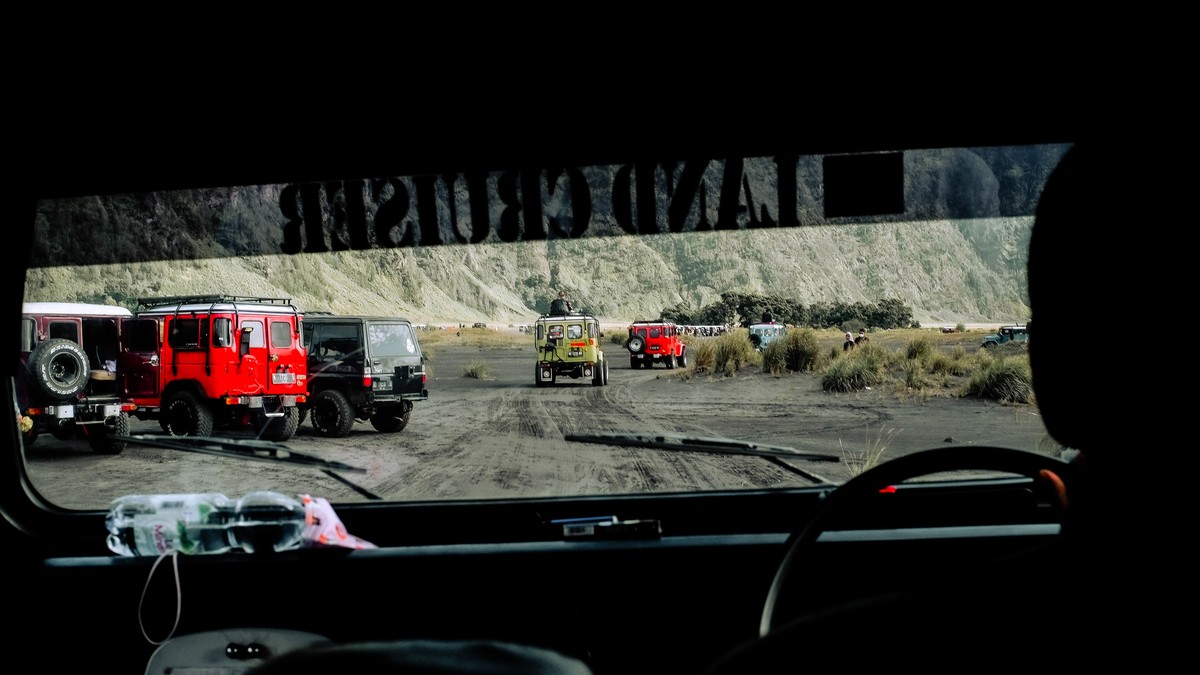
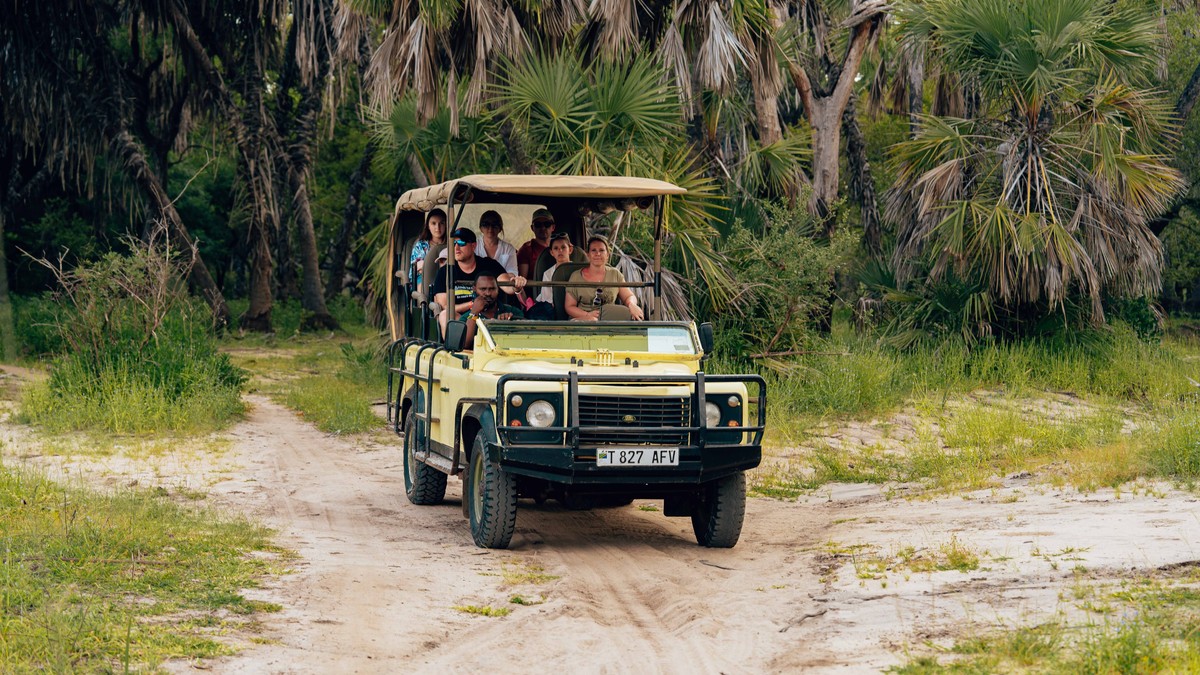
A real 4×4 with high ground clearance, not a soft-roader SUV. Mara tracks turn to black cotton soil mud in the April and November rains, and two-wheel-drive vehicles get stuck within meters. You want a Land Cruiser or similar, a full-size spare, a jack that works, a tow rope, and ideally a second spare for remote parks like Tsavo East.
Choosing the wrong rig is one of the most common regrets we hear about, which is why choosing the right safari vehicle matters more than people expect before they book.
Documents and Legal Requirements
You need a valid driving license from home plus an International Driving Permit, or Kenya’s own foreign license conversion done through NTSA. Rental companies will also want a large security deposit, typically USD 500 to 1,500 held on your card, refundable if the car comes back undamaged. Read the damage waiver carefully. Many budget rentals exclude windscreen cracks and undercarriage damage from their basic cover, and Mara tracks are hard on both.
Choosing a Reputable Operator, If You Rent
Stick to companies with a physical office in Nairobi, verifiable reviews older than six months, and a written contract that spells out excess mileage and off-road terms. If a deal looks 30 percent cheaper than everyone else, ask why. Cut corners usually show up later as bald tires or a spare that does not fit the rim.
Regional Safety, Zone by Zone
Nairobi, the Rift Valley towns, and the main safari circuit parks, Amboseli, Masai Mara, Lake Nakuru, are well traveled and generally safe for self-drivers who take normal precautions. Areas near the Somali border, parts of northern Turkana, and some stretches close to Garissa carry travel advisories and are not self-drive territory for visitors. If a route needs a police escort or a specific permit, that is your answer already.
Health and Medical Basics
Malaria prophylaxis is recommended for most of Kenya below 2,500 meters, which covers the Mara, Amboseli, and Tsavo. Nairobi’s altitude makes risk lower there, but the parks are not. Yellow fever vaccination is only required if you are arriving from a country where it is endemic. Travel insurance with medical evacuation cover is worth every shilling if you are hours from the nearest clinic in Narok or Loitoktok.
Self-Drive vs Driver-Guided vs Budget Group Safari: The Real Numbers
Here is the comparison nobody selling you a rental wants to run in full.
| Option | Approx. cost per person, per day (2 sharing) | Park fees handled by | Wildlife spotting | Breakdown risk | Best for |
|---|---|---|---|---|---|
| Self-drive 4×4 rental | USD 90-160 (rental + fuel + park fees, indicative) | You, at the gate | Depends on your own eye | High, no backup driver | Confident overlanders, longer trips |
| Driver-guided vehicle | USD 150-220 (indicative, shared cost) | Guide handles it | Guide radio network finds sightings fast | Low, driver trained for terrain | First-timers, families, short trips |
| Budget group/camping safari | USD 120-180 all-in (indicative) | Included in package | Shared vehicle, still guided | Low, operator’s problem | Backpackers, solo travelers wanting company |
Fuel alone is a hidden cost. Diesel runs roughly KES 180 to 200 a litre as of mid-2026, and a Land Cruiser doing Nairobi to the Mara and back, plus game drives, can burn 60 to 80 litres. That is another USD 60 to 90 you will not see advertised on the rental homepage.
Distance and time matter too. Nairobi to Sekenani Gate in the Mara is about 270 km and takes 5 to 6 hours on the Narok road, longer in rain. Nairobi to Amboseli’s main gate is roughly 240 km, about 4 to 5 hours. Both are manageable for a confident driver, both are long enough that fatigue becomes a real factor by the second leg.
Who Should Just Book a Guide Instead
If this is your first Kenya trip, skip self-drive. If you have kids under 12, skip it. If your whole trip is five days or less, the time you spend figuring out gate procedures and road junctions eats into actual safari time you paid for.
Self-drive makes sense for experienced overlanders with two or more weeks, people who have driven rough roads in Africa or Latin America before, and travelers who genuinely want the flexibility of setting their own pace. If none of that describes you, going without an operator entirely usually costs more in stress than it saves in shillings.
The Valley Safaris Difference
We are not going to tell you self-drive is dangerous just to sell you a seat in our vehicle. It genuinely works for the right traveler. What we will tell you, because we drive these same roads every week, is where the real friction points are: the Mara gate paperwork nobody explains well, the exact spot past Narok where the tarmac ends, the days when Amboseli’s tracks are impassable after rain and a guide already knows the detour.
Our driver-guides train on wildlife behavior, radio networks between vehicles, and recovery driving on black cotton soil, because that is what actually keeps guests safe out there. For backpackers, we also run joining safaris where you share a vehicle and camping costs with other travelers, which keeps the price close to self-drive without the deposit risk or the 2 am tire change.
Plan It With Us
If you are weighing self-drive against a guided trip, talk it through with us before you commit to a rental deposit. Have a look at our safari tour packages or reach out through our contact page and we will help you figure out which option actually fits your trip, your budget, and your comfort behind the wheel.