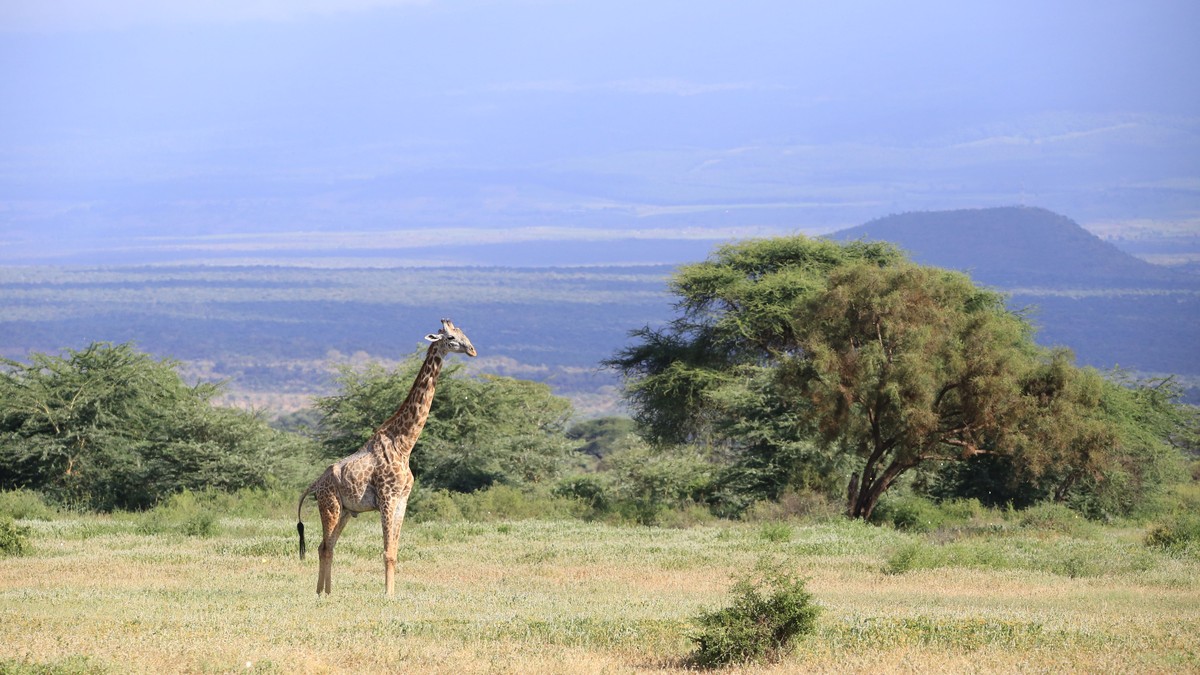
The first time I watched a Rothschild’s giraffe cross the road near Baboon Cliff, it stopped, turned its head, and looked straight down the lens at me. That pause, maybe four seconds, is the shot every photographer drives to Lake Nakuru hoping for. This guide tells you where to find that moment, not just that giraffes exist in the park.
A Short Conservation History
Rothschild’s giraffe (Giraffa camelopardalis rothschildi) almost disappeared from Kenya. By the mid-1970s, farmland expansion around Soy, near Eldoret in western Kenya, had squeezed the last wild population onto private land facing subdivision. Starting in 1977, Kenya Wildlife Service and conservation partners began moving giraffes out of harm’s way. Lake Nakuru National Park, already fenced for rhino security, became one of the main relocation sites.
That history matters for photographers. Every Rothschild’s giraffe you photograph at Nakuru descends from a rescue operation, not a naturally occurring herd. It is one of the few conservation wins you can see play out through a 400mm lens.
How to Identify a Rothschild’s Giraffe
Rothschild’s giraffes look different from the Maasai giraffes you might photograph in the Mara or Amboseli, and the reticulated giraffes further north. Three things to check through your viewfinder:
- Five ossicones. Most giraffes have two horn-like ossicones. Rothschild’s giraffes often grow two extra bumps behind those, plus a smaller central one, giving some individuals five in total. It is the single fastest way to confirm the subspecies in a photo.
- White “stockings.” Their lower legs, from about the knee down, stay clean and pale, almost sock-like, with no patchwork markings. Maasai giraffes have jagged patterns that run all the way to the hoof.
- Height and build. Rothschild’s giraffes are considered the tallest giraffe subspecies, with bulls regularly topping 5.5 meters. Against Nakuru’s yellow-bark acacia woodland, they tower over everything except the odd fever tree.
Where to See Rothschild’s Giraffe Inside Lake Nakuru
This is the part most articles skip. Lake Nakuru is compact, about 188 square kilometers, but giraffes favor specific ground within it. Based on ranger reports and repeat visits, here is where to point your driver.
Baboon Cliff and the escarpment road. The winding road below Baboon Cliff, on the park’s western edge, cuts through open acacia woodland that giraffes browse through most mornings. The elevated cliff itself also gives you a wide shot of giraffes moving against the lake and flamingo shoreline below.
Lion Hill circuit. East of the lake, the Lion Hill area combines grassland and scattered trees. Giraffes gather here in the late afternoon when the light turns gold, which is exactly the window photographers want.
Out of Africa viewpoint. This lookout on the eastern side gives you height and distance, useful for wide environmental shots that place giraffes against the whole lake basin. It is less reliable for close portraits but strong for context shots.
Naishi Plains. In the park’s southern section, Naishi Plains is quieter, with fewer vehicles, and giraffes here tend to be more relaxed around cars. If you want a giraffe that keeps browsing instead of startling, head south toward Naishi before mid-morning.
Rangers and guides move sightings around daily depending on where the grass and acacia leaves are freshest, so treat these as reliable zones, not guaranteed coordinates. A guide who checked the morning radio traffic will save you an hour of driving.
Best Time of Day and Season
Giraffes at Nakuru are active from first light until around 10am, then again from about 4pm until dusk. Midday heat pushes them into shade, where the light is flat and unflattering anyway. Plan your two game drives around those windows rather than one long midday loop.
Season matters more than most visitors expect. The dry months, from late June through September and again in January and February, thin out the vegetation, so giraffes are easier to spot and photograph without leaves breaking up the shot. The long rains, roughly March through May, green up the park beautifully but push giraffes deeper into thicker bush, and access roads can get muddy enough to slow your vehicle down.
For a wildlife photographer weighing this trip against July 2026 dates, that puts you in a strong dry-season window already.
Population and Why the Park Is Fenced
Estimates for the Rothschild’s giraffe population inside Lake Nakuru vary by survey year. Recent counts put the number in a rough range of 150 to 200 individuals, a figure worth treating as indicative rather than exact, since KWS updates it periodically. Globally, Rothschild’s giraffe is classified as Near Threatened, with the wider subspecies population estimated in the low thousands across Kenya and Uganda.
Lake Nakuru is entirely fenced, originally to protect its black rhino sanctuary from poachers and to reduce conflict with the farms and Nakuru town pressing against its borders. That fence is also why giraffe numbers here stay stable and trackable, unlike open ecosystems where animals range for miles beyond any survey line.
Vehicle Setup for Giraffe Photography
A pop-up roof hatch is worth more here than at almost any other Kenyan park. Giraffes are tall enough that a low window shot forces an awkward upward angle. Standing through a hatch gets your lens closer to eye level with the head and neck, which is where the best portraits happen. Bring a 100-400mm zoom if you have one. It covers both the close crossing shots near Baboon Cliff and the wider herd shots out on Naishi Plains without a lens change.
Other Wildlife You Will See on the Same Drive
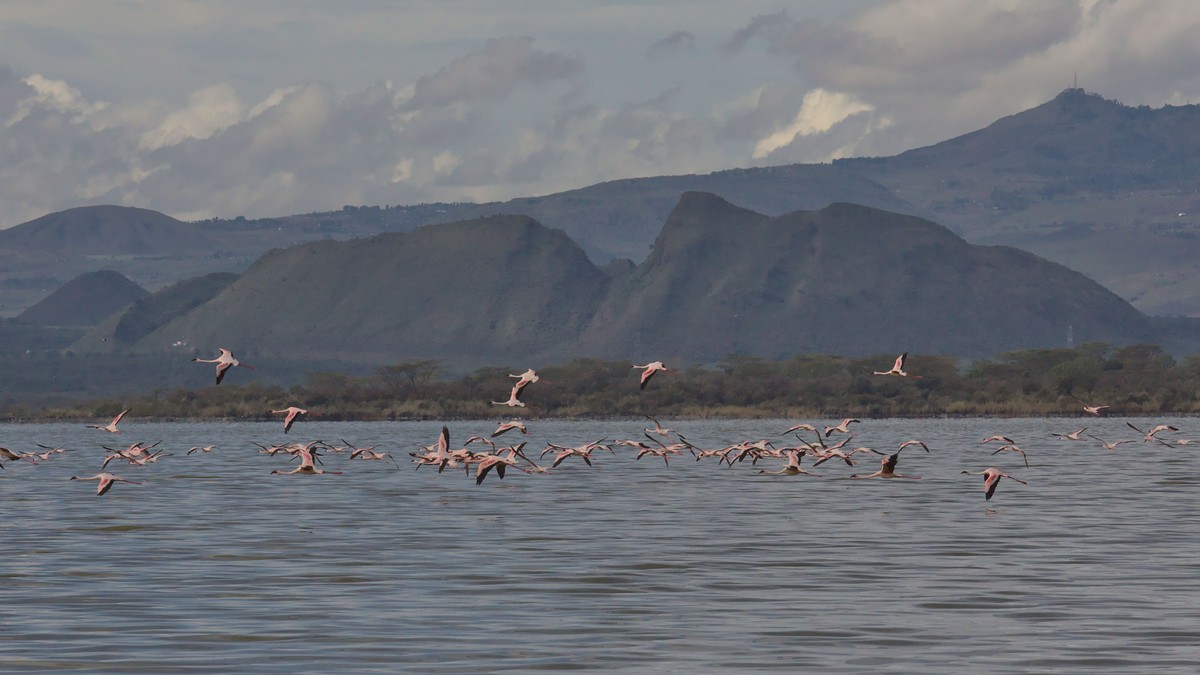
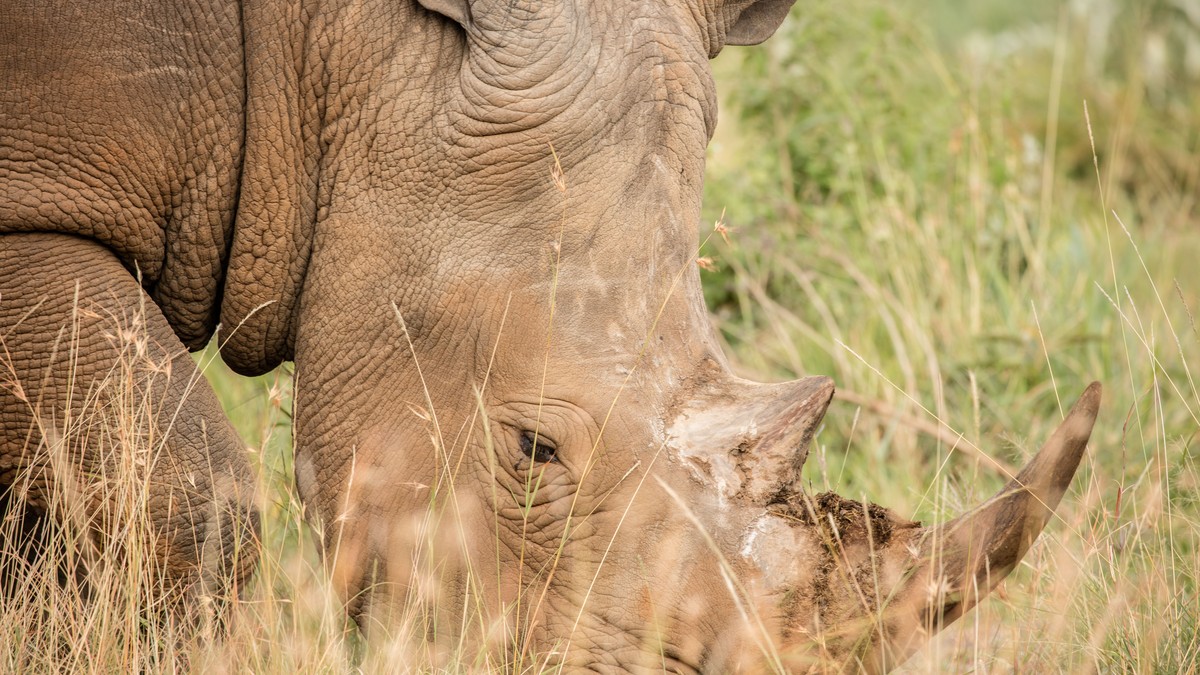
Giraffes share the park with both black and white rhino, making Nakuru one of the more reliable places in Kenya to photograph two Big Five species in a single loop. Lions patrol the euphorbia forest near the lake edge, and depending on rainfall, Lake Nakuru’s flamingo populations can still turn the shoreline pink, though numbers shift year to year with the lake’s water levels.
Costs and Logistics
| Item | Detail |
|---|---|
| Nairobi to Lake Nakuru (road) | Approx. 160 km, 2.5 to 3 hours via the A104 |
| Nakuru town to main park gate | Approx. 4 km, 10 minutes |
| Park entry fee, non-resident adult | Indicative range: USD 60 to 80 per day (KWS rate, confirm current rate before travel) |
| Park entry fee, non-resident child | Indicative range: USD 35 to 45 per day |
| Vehicle entry fee | Approx. KES 300 to 1,000 depending on size |
| Mid-range lodge near park | Approx. USD 150 to 300 per night, double occupancy |
| Nairobi Giraffe Centre entry | Approx. USD 15 to 20 adult |
Lake Nakuru works well as a long day trip from Nairobi if you leave by 6am, but an overnight stay near the park gives you both golden-hour drives instead of just one.
Lake Nakuru vs. the Nairobi Giraffe Centre
Photographers often ask whether they need both stops. They serve different purposes. The Nairobi Giraffe Centre houses Rothschild’s giraffes too, in a small sanctuary where you hand-feed them from a raised platform, arm’s length away. It is a guaranteed, intimate encounter, ideal if your schedule is tight or you want portraits of a giraffe’s face and eyes up close.
Lake Nakuru gives you the opposite trade. Sightings are not guaranteed to the minute, but the giraffes are wild, moving through real habitat, photographed against acacia woodland and a Rift Valley lake instead of a fence line. If your goal is documentary-style safari images, Nakuru is worth the extra hours on the road. If you want a sure thing with your family in an afternoon, the Giraffe Centre earns its place too.
The Valley Safaris Difference
We build giraffe-focused game drives around the actual movement patterns rangers report each week, not a generic loop of the park. That means checking radio updates from Naishi and Lion Hill before we commit to a route. It also means timing your drive to the light instead of a fixed departure hour, and booking vehicles with pop-up roof hatches as standard for anyone traveling with a camera. We have also picked up a habit of surprising guests with a sunset picnic near the lake when the timing lines up. The best light of the day deserves more than a quick photo stop before heading back to the lodge.
Plan Your Rothschild’s Giraffe Safari
If you want a Lake Nakuru itinerary built around photography, not just a checklist of animals, we can put one together around your dates and gear. Have a look at our Lake Nakuru safari tours or reach out through our contact page to start planning.