A guest emailed me last month with one question. She was bringing a 400mm lens to Kenya and wanted to know: pop-up roof vs open-sided vehicle, which one should she book? It is one of the most practical questions a photographer can ask before a trip. The honest answer is: it depends on where you are going.
I have sat in both. I have also missed a shot of a leopard dragging a kill up a tree. I was boxed in by a window frame in a closed vehicle. So let’s get specific about what each vehicle actually gives you, and where you can even choose.
Pop-Up Roof vs Open-Sided Vehicle: What’s the Difference
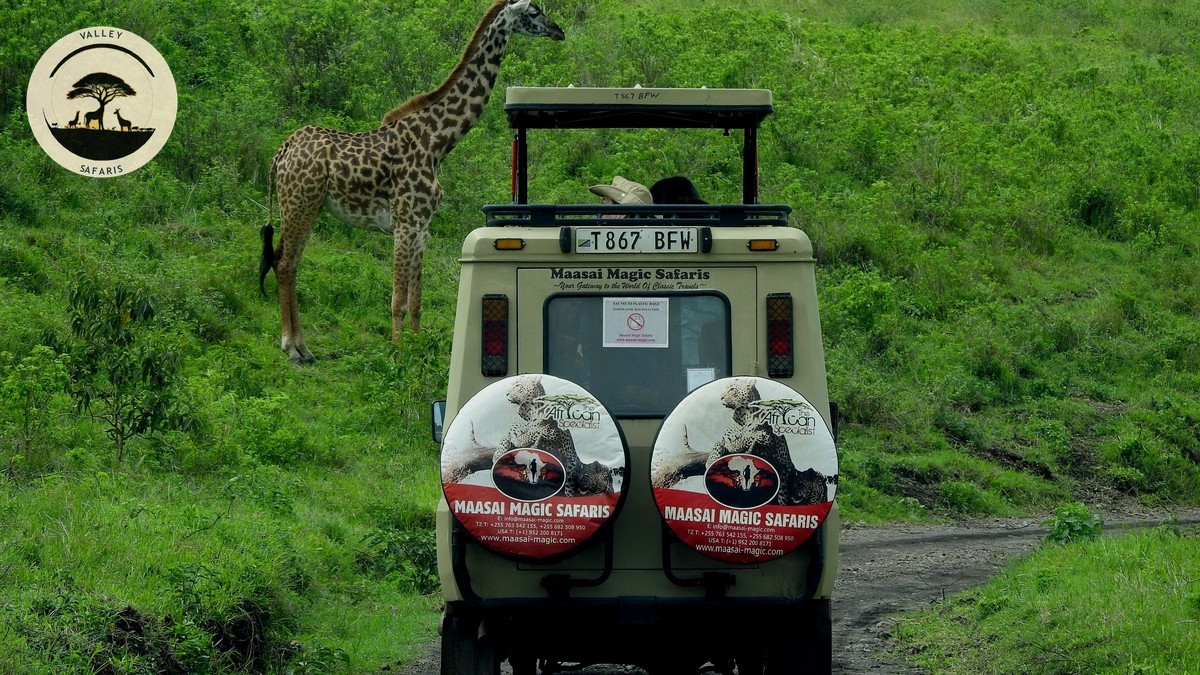
A pop-up roof vehicle is usually a Toyota Land Cruiser or minibus with a roof hatch that lifts up. Passengers stand and shoot over the top of the vehicle body, but the sides stay closed with windows. Most shared group safaris in Kenya and Tanzania use this style.
An open-sided vehicle has no doors and no windows, just a roof and a roll bar. You shoot straight out from your seat, at eye level with the animal, with nothing between your lens and the subject. These are common in private conservancies and at high-end camps built for photography.
Both usually run on the same chassis. The difference is entirely in the bodywork, and that difference changes almost everything else on this list.
Photography Quality: Sightlines, Angles and Obstructions
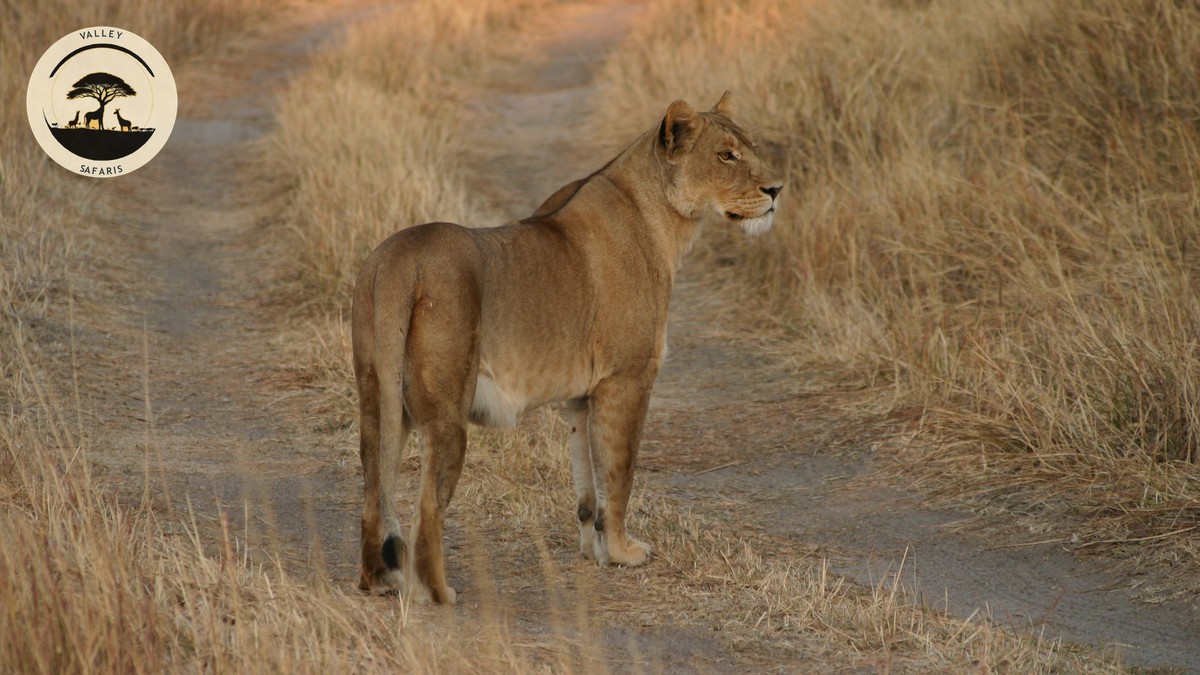
This is where open-sided vehicles win, and it is not close. From an open seat, you can shoot low, at grass level, which flattens the background and makes a lion look like it owns the frame. You can swing your lens 180 degrees without hitting a window pillar.
In a pop-up roof vehicle, you are shooting from a standing position through the hatch, which is higher above the animal. That angle works fine for wide shots of elephant herds or a pride lazing in the open. It is harder for low, intimate portraits, and if three other guests are also standing and shooting, you are sharing a narrow gap.
Window frames matter more than most first-timers expect. A pop-up roof’s side windows are usually down during game drives, so mid-body shots are open. The moment you want a portrait through the door line, metal gets in the way.
Comfort, Weather and Dust Exposure
Here the pop-up roof takes the win back. Kenya’s Maasai Mara can drop to around 12°C on a June or July morning drive. Rain during the November short rains can turn a game drive into a cold, wet slog. A closed vehicle with a working heater and a roof over your head matters a lot at 6 a.m.
Open-sided vehicles expose you fully to dust, wind chill, and rain. Camps that run them usually issue blankets, ponchos, and hot water bottles for early drives, and good guides carry rain covers for camera gear. Still, if you are sensitive to cold or traveling in the rainy season, this is a real trade-off, not a small one.
Dust is a wash either way once you are driving on the Mara’s black cotton soil tracks in the dry season. Both vehicle types eat dust. A closed pop-up roof at least lets you drop the hatch and roll up windows between sightings.
Safety and Proximity to Wildlife
Guides in both vehicle types are trained to read animal behavior and keep safe distances, and serious incidents are rare in either setup. Vehicles themselves are treated by wildlife as a single large, unfamiliar shape, which is part of why animals tolerate them at close range.
Open-sided vehicles do sit lower and closer to ground level. Guides tend to hold a slightly larger buffer around predators, especially with cubs nearby or during a hunt. Closed vehicles feel psychologically safer to nervous first-time travelers, even though the practical risk difference is small when guides follow protocol. If wildlife proximity worries you more than image quality, that feeling is worth respecting when you choose.
Where Each Vehicle Type Is Legally Allowed
This is the part most articles skip, and it is the part that actually decides your options. Maasai Mara National Reserve, managed by Narok County, requires vehicles to stay on marked tracks. Off-road driving is banned there except in designated circumstances, and both pop-up roof and open-sided vehicles operate inside the reserve.
The private conservancies bordering the reserve work differently. Mara Naboisho, Olare Motorogi, and Mara North conservancies cap vehicle numbers per sighting. They also allow controlled off-road driving to get a better angle, and permit night drives, which the National Reserve does not. This is exactly why conservancies are where you will find most dedicated open-sided photography vehicles. For the full breakdown, see why conservancies allow open-sided vehicles but national reserves don’t.
Amboseli National Park and Tsavo West follow park rules similar to the Mara, on-track driving and mixed vehicle types. Lewa Wildlife Conservancy and Ol Pejeta Conservancy, both private, run open-sided vehicles and allow off-road tracking for serious photographers.
| Location | Type | Vehicle rules | Park fee (indicative, non-resident) | Drive from Nairobi |
|---|---|---|---|---|
| Maasai Mara National Reserve | National reserve | On-track only, both vehicle types | USD 80-100/day | ~270 km, 5-6 hrs by road, or 45-min flight |
| Mara Naboisho Conservancy | Private conservancy | Off-road allowed, open-sided common | Included in camp rate, ~USD 100/day equivalent | ~280 km, or fly to Ol Kiombo airstrip |
| Amboseli National Park | National park | On-track only, both vehicle types | USD 60-70/day | ~240 km, 4-5 hrs by road |
| Ol Pejeta Conservancy | Private conservancy | Off-road and night drives allowed | USD 90/day | ~200 km, 3-4 hrs by road |
Fees change with season and currency movements, so treat these as planning ranges and confirm current rates when you book.
Cost Differences and When You Get a Choice
On a shared group safari, you rarely get to choose. Group departures from Nairobi almost always run pop-up roof minibuses or Land Cruisers. Prices run around USD 150-250 per person per day depending on camp standard, because the vehicle cost is split across six or seven guests.
A private open-sided vehicle, booked just for your party at a photography-focused camp in a conservancy, typically runs USD 400-650 per person per day all-in. That covers camp, guide, and vehicle. You are paying for exclusivity and a dedicated guide who works around your shot list, not a group itinerary.
If budget is tight but image quality matters, ask your operator whether a mixed itinerary works. Try a few nights in a National Reserve camp with a pop-up roof vehicle, then two or three nights in a conservancy with a private open-sided vehicle for the photography-priority days.
Group Size, Shared Vehicles and Space for Gear
Shared pop-up roof vehicles typically seat six to seven guests plus a guide. With three photographers all wanting the roof hatch during a leopard sighting, elbow room disappears fast, and bean bags and long lenses compete for space.
Open-sided vehicles at photography camps are usually capped at four seats, sometimes fewer. That way each guest gets a full side to themselves, with room for a bean bag, a second body, and a monopod. If you are traveling with a photography partner, ask camps directly about their maximum guest count per vehicle before booking.
Which Is Better for Specific Animals and Photo Styles
For low-angle portraits of big cats, an open-sided vehicle is worth the premium. Naboisho and the Mara Triangle are both strong for lion prides, and the wider Mara ecosystem holds some of Kenya’s best leopard territory. If leopards are your priority, it’s worth reading up on the best spots to photograph leopards before you pick a base camp.
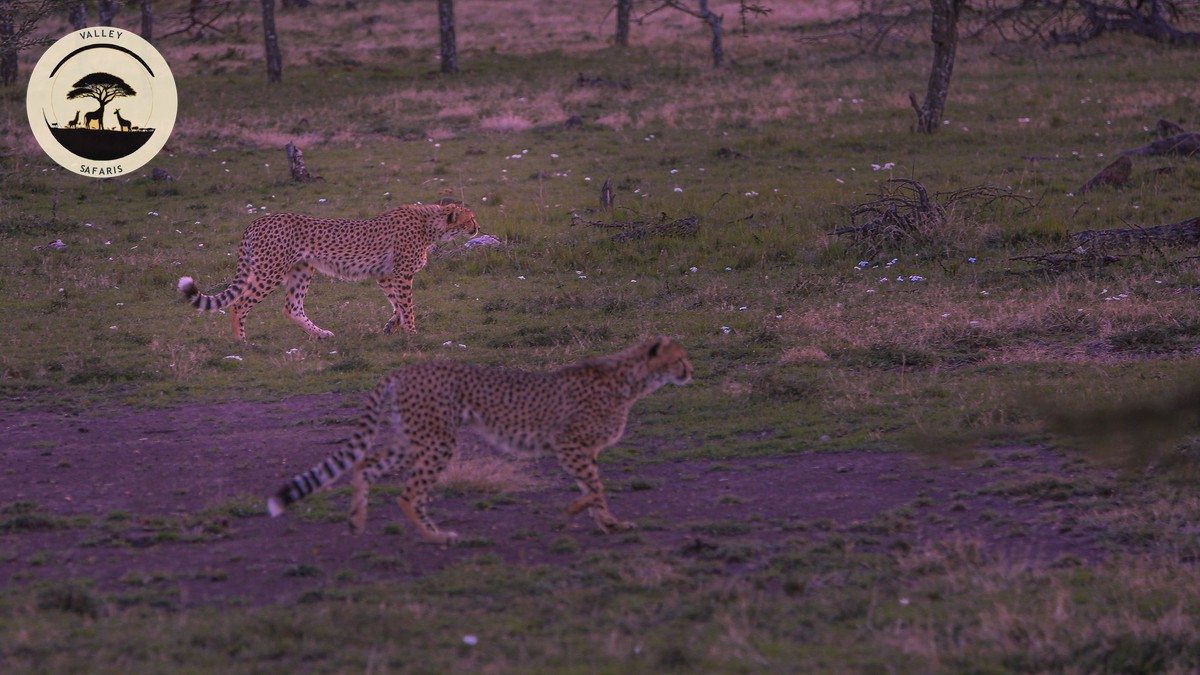
For action sequences, like a cheetah hunt or a river crossing during the July to October wildebeest migration, a pop-up roof works fine. You are shooting wider and tracking movement, not composing a tight low portrait. For elephant herds and general scenics, either vehicle does the job.
The Valley Safaris Difference
We do not sell a single vehicle type because no single vehicle type fits every trip. When a guest tells us photography is the main goal, we build the itinerary around conservancies like Naboisho or Ol Pejeta. We book a private open-sided vehicle and pair it with a guide who has spent years learning individual leopards by name.
When guests want a lower-cost, more social trip, we are equally honest. A shared pop-up roof vehicle in the National Reserve still delivers incredible sightings, just from a different angle and price point. We would rather tell you the trade-off up front than oversell a vehicle type that does not match your budget or your goals. That is the same approach we use across regions. It is worth understanding how vehicle types differ between Kenya and South Africa safaris if you are weighing both countries.
Verdict: How to Choose
If image quality is your top priority and budget allows it, book a private open-sided vehicle in a conservancy. You will get lower angles, unobstructed sightlines, and a guide focused on your shots instead of a group’s mixed interests.
If you are traveling on a shared group safari, cold mornings worry you, or you are visiting during the rainy season, a pop-up roof vehicle is the better choice. It is still very capable. Either way, ask your operator directly which vehicle type your specific camp and park combination actually uses, since the two are not interchangeable everywhere.
Plan Your Photography Safari with Valley Safaris
Tell us what you are hoping to photograph and we will match you to the right vehicle, camp, and conservancy for it. Visit our contact page to start planning your trip.