I once watched a guest lower her camera mid-shot because a Maasai grandmother shook her head, just once, from across a boma in Naboisho Conservancy. No translator jumped in. No guide intervened. The guest simply understood, and moved on to photograph the cattle instead. That small moment taught me more about photographing Maasai village etiquette than any listicle ever could.
Most safari blogs give you the same four lines: ask permission, dress modestly, learn a Maa greeting, buy crafts directly. All true, and all a bit thin. What they skip is the part you actually need on the ground: what a village visit costs, what a camera fee looks like versus a phone fee, and how to tell a community-run boma from one run by a broker who keeps most of the money.
Photographing Maasai Village Etiquette: Why Permission Matters
A boma is a working homestead. Cattle pens, cooking fires, children doing chores, all inside a circle of thornbush fencing that a family built and maintains. When you walk in with a camera, you’re a guest in someone’s yard, not a visitor to an attraction.
That distinction changes how you shoot. Skip the reflex of raising your camera the second you step through the gate. Greet people first. Let the visit breathe for a few minutes before any lens comes out.
How to Ask for Consent
Ask directly when you can. A simple gesture, camera raised with an eyebrow up, works even without shared language. Many Maasai in the Mara region speak some Swahili or English, especially younger men who’ve worked with tour groups, so a quiet “Naomba piga picha?” (may I take a photo?) goes a long way.
Your guide can help with translation, but don’t let the guide replace your own eye contact and pause for an answer. Consent given to your guide isn’t the same as consent given to you.
Individual Consent vs Blanket Permission
This is where a lot of visitors get it wrong. A village elder or chief agreeing to let your group visit is not the same as every individual agreeing to be photographed. Treat the group permission as the door opening, and each person’s nod as the actual shutter release.
If someone in the group covers their face or turns away while others pose freely, respect that split decision. It happens more than you’d think, especially with older women.
Photographing Children and Sensitive Subjects
Children in Maasai villages are often curious and will crowd a camera happily. That doesn’t mean the ethics are simpler. Ask a parent or the accompanying adult first, not just the child. Avoid close-up shots of kids alone without an adult in frame or aware of the shot, and never pay a child directly for a photo. Route anything financial through the visit fee or an adult guardian.
Dress Code and General Village Etiquette
Cover shoulders and knees. Avoid tight or sheer clothing. Bright colors are fine, Maasai dress itself is famously vivid, but skip anything that reads as costume or mimicry of their shuka cloth.
Remove sunglasses when greeting people. Shake hands gently. If offered milk or a taste of food, a polite decline is fine, but try to accept small gestures like sitting on offered stools.
Tipping and Photo Fees: What to Actually Bring
Here’s the part competitors leave vague. Village visit costs in the Maasai Mara area vary by conservancy and by whether the visit is bundled into your safari package. Below is an indicative range based on typical camp arrangements near Talek, Sekenani, and the Naboisho and Ol Kinyei conservancies.
| Village Type | Location Example | Entry Fee (per person) | Camera Fee | Phone Photo Fee |
|---|---|---|---|---|
| Community-run boma | Naboisho Conservancy, near Talek | $20-30 (indicative) | Usually included | Usually included |
| Broker-mediated boma | Roadside near Sekenani Gate | $10-20 (indicative) | 500-1,000 KES extra | 200-500 KES extra |
| Camp-arranged cultural visit | Ol Kinyei Conservancy area | Often bundled into stay | Included | Included |
| Independent negotiated visit | Aitong area | 1,000-2,500 KES (indicative) | Negotiated on arrival | Negotiated on arrival |
These numbers shift with the season and with individual arrangements, so treat them as a starting point, not a fixed price list. Carry small KES notes. Individual portrait requests outside the group fee often get a tip of 100-200 KES per person, paid directly and warmly, not thrust at someone. For the wider question of tipping across your whole trip, our guide on how much to tip your safari guide covers the daily rates guests usually budget for drivers and camp staff.
Community-Run vs Broker-Mediated Visits
This distinction matters more than most tourists realize. A community-run boma keeps the visit fee within the family or manyatta group, often funneling part of it into a shared fund for school fees or water access. A broker-mediated visit, common along the main road near Sekenani Gate, routes a cut to a middleman who arranged the stop, sometimes leaving the family with less than half.
Ask your guide directly which type you’re visiting. Camps with long-standing relationships in Naboisho and Ol Kinyei tend to favor community-run arrangements because repeat guests ask about it. If you want to be sure your fee reaches the family, ask before you arrive, not after you’ve paid.
Staged vs Authentic: The Honest Trade-Off
The adumu jumping dance, the one you’ve seen in every Mara photo, is performed on request. It’s not something you’ll stumble into during ordinary village life. That doesn’t make it fake, the warriors performing it are real Maasai showing a real skill, but it is arranged for visitors rather than spontaneous.
Know what you’re paying for. A jumping dance is a performance you’ve commissioned, much like hiring a musician. Enjoy it as that, and you’ll avoid the disappointment some guests feel when they realize the dance was cued rather than caught candidly.
What to Do With the Photos Afterward
Caption honestly. Name the conservancy or area if you know it, and avoid captions that reduce people to props, phrases like “untouched tribe” or “timeless people” flatten real, modern lives. Maasai families here have phones, send kids to school, and run businesses.
If you promised to send prints, follow through. Many camps can forward printed photos on your behalf during a later stay or via their community office. It’s a small gesture that means more than it costs.
Sample Visit Structure: What to Expect
A typical arranged visit runs 45 minutes to an hour. Expect a welcome song, a walk through the boma, a demonstration of fire-starting or beadwork, a chance to enter a house, and time for photos and craft shopping at the end. Guides usually schedule these visits in the late morning or afternoon, after game drives, so the light is workable but not ideal for portraits.
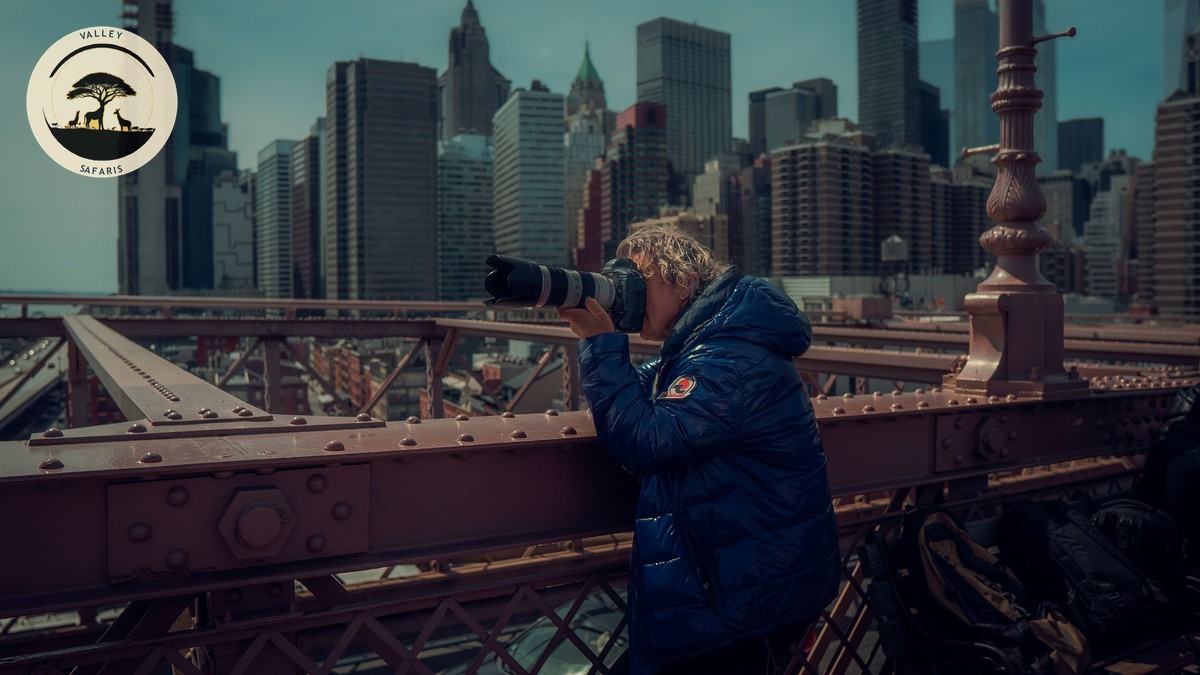
For the actual camera gear, a mid-range zoom in the 24-70mm range handles most boma interactions without feeling intrusive, since you’re close enough to interact naturally. Save the best telephoto lens for safari for wildlife drives, where distance and animal safety both call for more reach.
One more practical note. Maasai Mara conservation and county fees have shifted in recent years, and village visit costs sometimes get bundled with park entry discussions. Check our post on the Masai Mara conservation fee increase if you’re budgeting the whole trip and want current park-side numbers alongside village visit costs.
Handling a Refusal Gracefully
If someone declines, smile, lower the camera, and say thank you anyway. Don’t negotiate, don’t offer more money to change their mind, and don’t sneak a shot from a different angle. A refusal isn’t a puzzle to solve, it’s an answer.
The Valley Safaris Difference
We’ve built relationships with community-run bomas near Naboisho and Ol Kinyei over years of repeat visits, not one-off stops. Our guides tell you upfront which visit fee structure applies, community-run or broker-mediated, so you’re never guessing where your money goes.
We also brief photographers before the visit, not during it. That means talking through consent, camera fees, and lens choice over breakfast, so you’re not fumbling with settings while trying to read someone’s body language in the moment. It’s a small planning step that changes how the whole visit feels, for you and for the family hosting you.
Plan Your Visit With Us
If you want a village visit that’s honest about costs and respectful in practice, we can build it into your itinerary alongside your game drives. Have a look at our Maasai Mara safari tours or get in touch through our contact page to start planning.