Every family I plan a safari for asks the same question early on. “Which are the malaria-free national parks in Kenya?” It’s a fair question, and most blog posts answer it badly. They lump the Masai Mara in with genuinely low-risk parks like Laikipia, because altitude sounds reassuring and nobody wants to check the numbers. Let’s check the numbers.
What “malaria-free” actually means in Kenya
Malaria needs the Anopheles mosquito, and that mosquito struggles above roughly 1,800 to 2,000 meters. Cooler air slows the parasite’s development inside the mosquito, so transmission drops sharply at altitude. It doesn’t vanish completely, and no reputable travel clinic will call any part of Kenya truly zero-risk.
That distinction matters for parks that sit right on the edge. The Masai Mara Reserve floor ranges from about 1,500 to 1,850 meters, low enough that mosquitoes are active, especially near the Mara River and after the rains. Amboseli sits even lower, around 1,150 meters, in a swampy basin that mosquitoes like. Both parks carry real malaria risk. They are not malaria-free, no matter what a listicle says.
Compare that to the Laikipia Plateau, which averages 1,700 to 2,000 meters, or Aberdare National Park, which starts at 1,830 meters and climbs to over 4,000. Lake Nakuru National Park sits at roughly 1,754 meters at the lake shore and up to 2,073 meters along the Baboon Cliff rim. These places see occasional mosquitoes but almost no local malaria transmission. Nairobi itself, at about 1,795 meters, is generally treated as negligible risk by UK and US travel clinics, though clinics still recommend care during and after the rains.
Malaria-free national parks in Kenya: which ones are genuinely low risk
Here’s how the main family safari options actually compare, with real numbers instead of vague reassurance. Fees are indicative 2026 non-resident adult park rates in USD, since Kenya Wildlife Service and conservancy rates shift with the season.
| Park or region | Elevation | Malaria risk | Distance from Nairobi | Drive time | Adult park fee (indicative) |
|---|---|---|---|---|---|
| Masai Mara National Reserve | 1,500-1,850m | Present, moderate | 270 km | 5-6 hrs (or 45 min flight) | USD 100-200/day, season dependent |
| Amboseli National Park | 1,150-1,200m | Present, moderate | 240 km | 4 hrs | USD 60-90/day |
| Lake Nakuru National Park | 1,754-2,073m | Low | 160 km | 2.5-3 hrs | USD 60/day |
| Aberdare National Park | 1,830-4,001m | Very low | 160 km via Nyeri | 3 hrs | USD 60/day |
| Laikipia Plateau (Lewa, Ol Pejeta) | 1,700-2,000m | Very low | 200-220 km | 3.5-4 hrs (or 40 min flight to Nanyuki) | USD 90-100/day conservancy fee |
| Mount Kenya region | 1,600-5,199m | Very low | 175 km | 3 hrs | USD 65/day (park entry) |
If you want a deeper comparison of the two most requested options, we’ve written a full breakdown of how Laikipia compares to the Masai Mara, covering game density and cost alongside the health question.
For families set on genuinely low-risk ground, Laikipia, Aberdare, and the Mount Kenya foothills are the honest answer. Lake Nakuru National Park belongs on that list too, and it has the advantage of being a compact, easy park for a first game drive with small children, since sightings come quickly and drive days can stay short.
Malaria prevention that actually works
Even in low-risk parks, we tell families to travel prepared. Layered protection matters more than any single product.
- Repellent. DEET at 20-30% concentration on exposed skin, reapplied every four to six hours. Avoid DEET on infants under two months old, and instead rely on nets and clothing for that age group.
- Clothing. Long sleeves and long trousers from dusk onward, when Anopheles mosquitoes feed. Permethrin-treated clothing adds a second layer of protection and is safe for children.
- Nets. Most camps in Laikipia and around Lake Nakuru provide treated nets as standard, but ask your lodge directly before booking if you’re travelling with a baby who naps during the day.
- Prophylaxis. Whether tablets are needed depends on your full itinerary, not just the malaria-free sections. If your trip includes the Mara, the coast, or Lake Victoria, prophylaxis is generally advised regardless of how many nights you also spend at altitude.
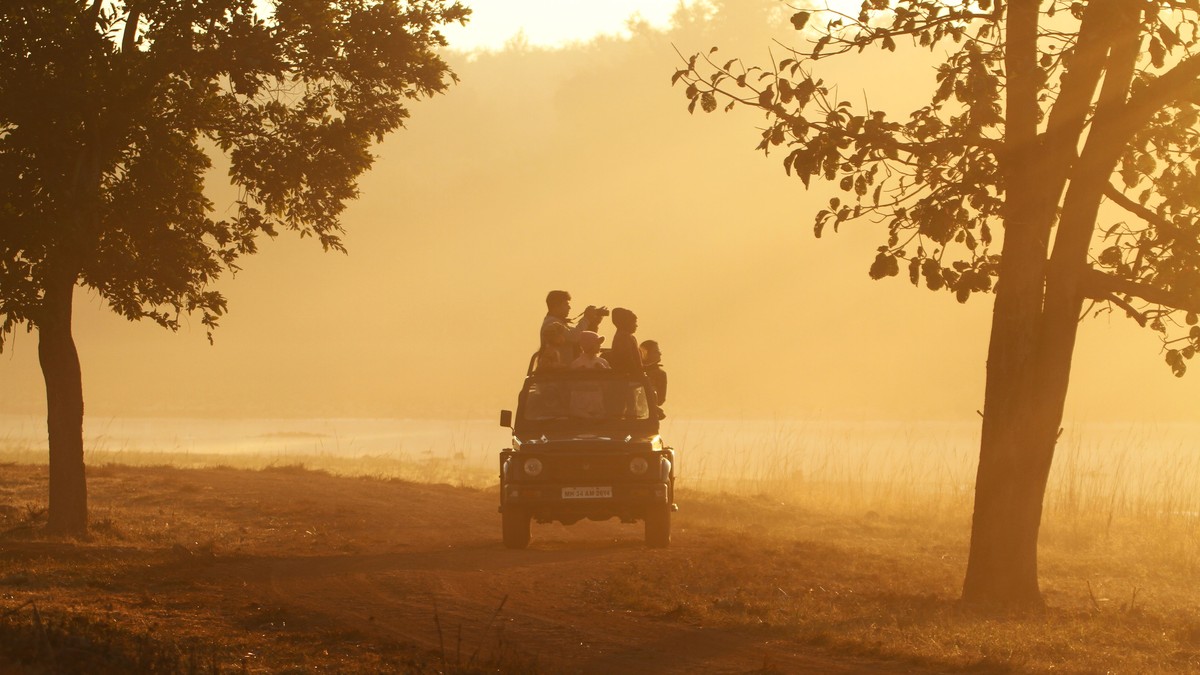
Family- and kids-specific safety considerations
This is the part most guides skip entirely, and it’s the part that matters most if you’re travelling with a baby or toddler.
No malaria chemoprophylaxis is approved for infants under 5kg or under two months old. That’s a genuine gap, not an oversight, so pediatricians typically recommend avoiding higher-risk malaria zones altogether with very young babies, and building trips around parks like Laikipia and Aberdare instead.
For babies over 5kg, Malarone pediatric (atovaquone-proguanil) is the option most UK and US travel clinics prescribe, dosed by weight band rather than age. It’s generally well tolerated and taken once daily, starting one to two days before entering a risk area. Mefloquine can be used in infants over 5kg too, though side effects are more common. Doxycycline is not suitable for children under eight, since it can affect developing teeth.
Always confirm dosing with your own pediatrician before you travel. This article is a planning starting point, not medical advice, and weight-banded dosing needs a clinician who has actually seen your child.
Beyond malaria, families ask us how young is too young for a first safari at all. We cover that in detail in our guide to the ideal safari age for children, including which parks suit shorter attention spans and which lodges take babies under two.
Recommended family lodges in the low-risk highlands
A few camps we book often for families with young children, all in genuinely low-risk elevation zones.
| Lodge | Location | Elevation zone | Family setup | Indicative price (per person/night) |
|---|---|---|---|---|
| Sirikoi Lodge | Lewa Conservancy, Laikipia | ~1,750m | Family cottage, connecting rooms | USD 700-950 |
| Sabuk Lodge | Laikipia, Ewaso Nyiro River | ~1,600m | Family rooms with river views | USD 450-600 |
| Serena Mountain Lodge | Mount Kenya forest | ~2,200m | Family rooms overlooking waterhole | USD 300-400 |
| The Ark | Aberdare National Park | ~2,150m | Family suite, indoor viewing deck | USD 350-450 |
| Lake Nakuru Sopa Lodge | Lake Nakuru National Park | ~1,850m | Family cottages, short drive days | USD 220-300 |
Prices are indicative rack rates and swing with season, so we always confirm current rates before quoting a family itinerary.
Why choose a malaria-free safari
Beyond the health question, altitude parks tend to suit young children in other ways too. Nights are cooler, which means fewer mosquitoes at the tent flap in general, and better sleep for everyone. Game drives in Laikipia and Aberdare can be shorter, since wildlife concentrates around rivers and waterholes rather than spreading across huge open plains. And several of these conservancies run dedicated family programs, from junior ranger activities to bush walks scaled for small legs.
None of this means the Mara or Amboseli are off-limits with kids. Plenty of families travel there safely with the right prophylaxis and precautions. It just means the choice should be an informed one, not a guess based on a listicle that never checked the elevation.
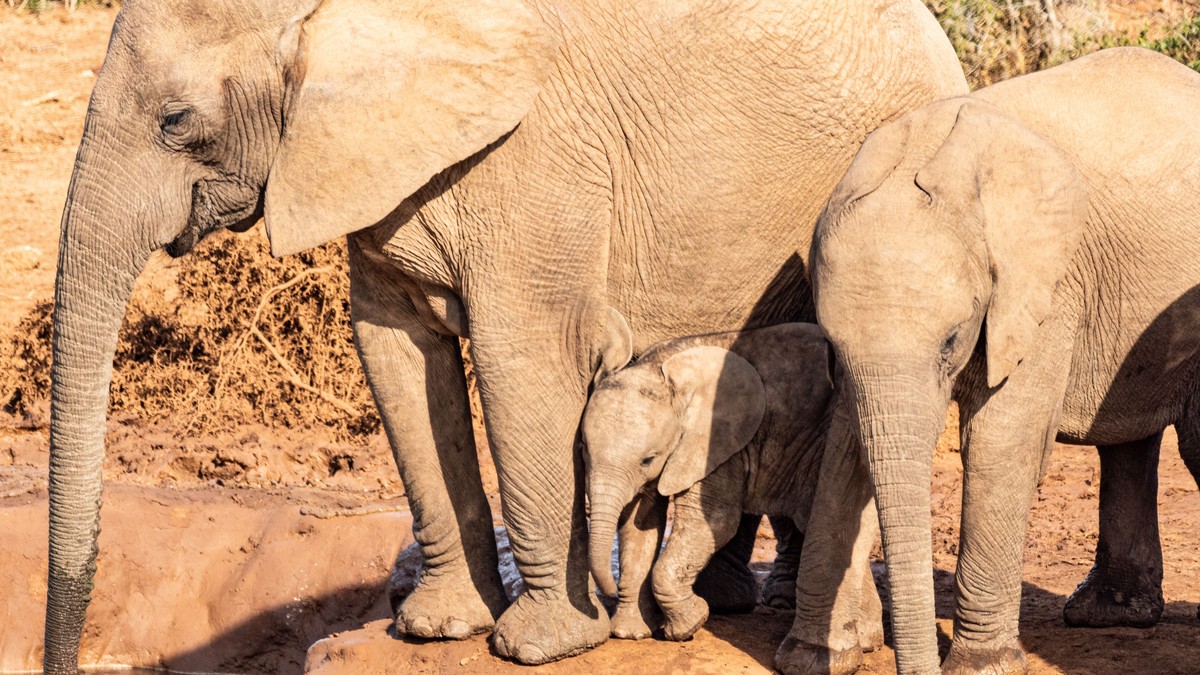
The Valley Safaris Difference
We plan safaris for Kenyan families and visiting families alike, and we’ve sat across the table from enough worried parents to know that generic advice doesn’t cut it. When we build a malaria-conscious itinerary, we check the actual elevation of every camp on the route, not just the park name. We call ahead to confirm which lodges stock treated nets as standard and which have family rooms with proper cot setups. And we’re honest when a park you’ve set your heart on carries real risk, so you can decide with full information rather than marketing copy.
We also know the small things that make a trip work with a baby in tow, like which airstrips have shade for a stroller transfer, and which guides are used to slowing down for a nap in the vehicle.
Plan your family’s safari with us
If you’re weighing up a malaria-free route through Laikipia, Aberdare, and Lake Nakuru, or want help deciding whether the Mara still makes sense for your family this year, we’d like to help you plan it properly. Take a look at our family safari tours or get in touch through our contact page to start building an itinerary around your children’s ages and your comfort with risk.