If you’ve been watching the news and wondering whether to keep your Kenya safari booking, you’re not alone. This Kenya travel safety protests 2026 guide answers the question a dozen guests have emailed us this month: are the protests going to ruin my trip?
Short answer: for almost every traveler, no. The unrest is real, it’s concentrated in specific parts of Nairobi and a handful of other towns, and it rarely touches the safari circuit or the coast. But “almost every traveler” isn’t “every traveler,” so let’s walk through the details instead of guessing.
Kenya Travel Safety Protests 2026: Quick Answer
Yes, with caveats. As of July 2026, Kenya’s national parks, conservancies, and coastal resorts are operating normally. The protests that make headlines are largely a Nairobi phenomenon, tied to specific dates and specific neighborhoods, mostly the Central Business District and government buildings around Harambee Avenue and Parliament.
We’ve run trips through every major protest wave since the 2024 Finance Bill demonstrations, and we have never had to cancel a Maasai Mara or Amboseli departure because of unrest. We have adjusted a few Nairobi transit days. That’s the honest picture.
What the Official Advisories Actually Say
The US State Department, UK Foreign, Commonwealth and Development Office (FCDO), and Australia’s Smartraveller all currently list Kenya at their middle tier, “exercise increased caution” or “exercise a high degree of caution.” None of them advise against travel to Kenya overall. All of them single out demonstrations in Nairobi, and sometimes Mombasa and Kisumu, as the specific risk.
Canada’s advisory reads similarly: normal precautions for most of the country, added caution around demonstrations and protest gathering points. None of the four advisories mention the Maasai Mara, Amboseli, Tsavo, or the coast by name as areas of concern. That absence is the most useful data point in the whole advisory system, and it rarely gets highlighted.
Why the Protests Happen, and When
Kenya’s current protest cycle traces back to the Gen Z-led demonstrations against the 2024 Finance Bill, and it has settled into a recognizable pattern since. Two dates matter most: June 25, the anniversary of the 2024 Finance Bill protests, and July 7, known locally as Saba Saba, a date with roots in the 1990 pro-democracy movement.
Expect gatherings around those anniversaries, plus occasional flare-ups tied to budget announcements or high-profile court rulings. Protests are usually announced in advance on social media, which gives operators like us real lead time to adjust transfer routes.
Is the Safari Circuit Affected?
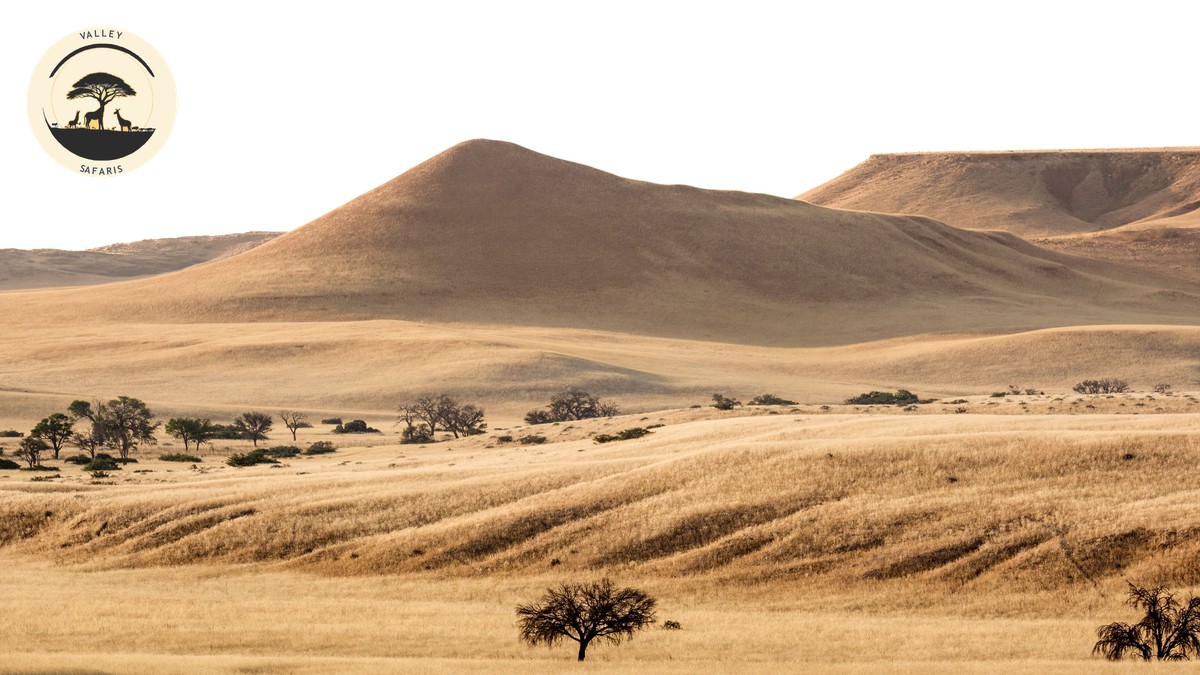
No. The Maasai Mara, Amboseli, Tsavo, and Laikipia conservancies sit far from any protest activity, both geographically and in character. These are rural, tourism-dependent economies where a disruption would hurt the community directly, so local conservancies work hard to keep things calm and normal.
Here’s how the main circuit stacks up in July 2026:
| Destination | Distance from Nairobi | Drive Time | Fly-in Time (Wilson Airport) | Park/Conservancy Fee (indicative, nonresident adult) | Unrest Status |
|---|---|---|---|---|---|
| Maasai Mara National Reserve | ~270 km | 5 to 6 hours | 45 minutes | $80 to $100/day | None reported |
| Amboseli National Park | ~240 km | 4 to 5 hours | 35 to 45 minutes | $60 to $80/day | None reported |
| Tsavo West National Park | ~240 km | 4 to 5 hours | 40 minutes | $50 to $60/day | None reported |
| Laikipia (Ol Pejeta area) | ~200 km | 3.5 to 4 hours | 40 minutes | $90 to $110/night, conservancy inclusive | None reported |
| Diani Beach (via Mombasa) | ~490 km | 7 to 8 hours by road, 1 hour by air | 1 hour | N/A, resort pricing | None reported |
Fees vary by season and by whether you book through a conservancy versus the Kenya Wildlife Service, so treat these as planning ranges, not quotes. Your Valley Safaris itinerary will always list the exact fee for your dates.
Nairobi: CBD vs. Westlands, Karen, and the Airport
This is where nuance actually matters. Nairobi is a big, layered city, and treating it as one safety zone is where most news coverage goes wrong.
The Central Business District, around Kenyatta Avenue, Moi Avenue, and Parliament, is where demonstrations concentrate. On flagged dates, we simply avoid routing guests through there.
Westlands and Karen, where most of our partner hotels sit, are residential and commercial areas several kilometers from the CBD and have not seen protest activity. Jomo Kenyatta International Airport (JKIA) sits about 15 km southeast of the CBD in Embakasi, and Wilson Airport, our domestic hub for safari flights, sits in Langata near Nairobi National Park. Neither has been affected by demonstrations.
If your itinerary has you flying in and straight out to the Mara the same day, you likely won’t see Nairobi traffic at all beyond the airport road. For guests with a Nairobi layover, we route transfers via Mombasa Road and Langata Road rather than through the center, which also happens to be the same route we use for a safe way to see Nairobi without heading into the CBD on your own layover day.
Coastal Kenya: Diani, Mombasa, Watamu
The coast has stayed quiet through every protest cycle we’ve tracked. Diani Beach, about 30 km south of Mombasa, and Watamu, north of Malindi, are resort towns built around tourism, and neither has reported demonstration activity in 2026. Mombasa town itself has occasionally seen small gatherings, but nothing on the scale of Nairobi’s CBD.
If your trip combines a Mara safari with a beach week, the two halves of your itinerary carry genuinely different risk profiles, and right now both read as calm.
Health and Road Safety vs. Political Risk
Here’s something the headlines miss: for most travelers, road safety and basic health precautions matter more than protest risk. Malaria prophylaxis, yellow fever documentation if you’re arriving from an endemic country, and seatbelt use on long drives are the risks that actually affect visitor safety statistics year over year. We brief every guest on these regardless of the political news cycle, because they’re the steadier, more relevant danger.
How Tour Operators Keep Guests Safe
At Valley Safaris, every vehicle carries a satellite tracker and a direct line to our Nairobi operations desk. We monitor protest announcements daily during flagged weeks, and we reroute or retime transfers accordingly, sometimes shifting a transfer by two or three hours to avoid a scheduled gathering entirely.
We also lean toward direct fly-in connections over an overnight Nairobi stay whenever a protest date falls near a guest’s travel window. It costs a bit more, typically $150 to $250 extra per person for the domestic flight versus a road transfer, but it removes the variable entirely.
A Practical Safety Checklist
- Check your government’s current advisory before departure, and again 48 hours out
- Ask your operator whether your transfer dates overlap with June 25 or July 7
- Keep a digital and paper copy of your itinerary and insurance policy
- Avoid the Nairobi CBD on any date with announced demonstrations
- If traveling solo, read our solo female safari safety guide for additional precautions
- Vet your operator before booking, and know the red flags to watch for when vetting a tour operator
Should You Cancel or Rebook?
For a standard Maasai Mara, Amboseli, or coast itinerary, we don’t recommend canceling. We do recommend flexibility around June 25 and July 7 specifically, either by shifting your Nairobi transit day or booking the direct flight option instead of a road transfer. Travel insurance policies vary widely on protest coverage, so check whether your policy covers “civil unrest” cancellations before you rely on it, since many only trigger once a government issues a formal “avoid all travel” advisory, which Kenya has not received.
The Valley Safaris Difference
We’re a Kenyan-run operator, which means our guides and drivers live in Nairobi, Nakuru, and Narok, not somewhere overseas reading the same advisories you are. That gives us same-day information on road closures and gathering points, not a headline from three days ago.
Every one of our vehicles is GPS-tracked from our operations base in Nairobi, and every guest gets a direct contact for their guide’s location in real time. We’ve adjusted transfer times for guests during four separate protest waves since 2024, and in every case, the safari portion of the trip ran exactly as planned. That’s the value of working with people on the ground rather than piecing together advisories from a distance.
Bottom Line
Kenya in July 2026 is safe for the vast majority of travelers, including first-timers. The protests are real, but they’re localized to specific parts of Nairobi on specific dates, and they haven’t touched the Maasai Mara, Amboseli, Tsavo, Laikipia, or the coast. Plan around June 25 and July 7 if your dates overlap, lean on your operator for same-day routing decisions, and don’t let a headline about downtown Nairobi cancel a trip to a conservancy 270 km away.
Plan Your Trip With Confidence
If you’d like a second opinion on your dates, or want us to build an itinerary that sidesteps any flagged protest days entirely, we’re happy to walk through it with you. Visit our contact page to start planning your Kenya safari with Valley Safaris.