I’ve put dozens of solo women on safari over the years, from a 23 year old backpacker joining a group truck out of Nairobi to a 61 year old retired teacher who wanted her own vehicle and guide. Almost all of them asked me the same question before booking: is Kenya actually safe to do this alone?
Solo female safari safety kenya wide comes down to your operator, your vehicle, and your room setup, not the country itself. A well-run trip with a vetted company is safer than walking home alone in most Western cities at night. A poorly run one, with an unvetted driver and a tent with a broken zip, is not. This guide tells you what actually keeps solo women safe here, with real prices, real camps, and the questions to ask before you hand over a deposit.
Solo Female Safari Safety Kenya: The Real Verdict
Yes, for the parts of Kenya most travelers see. Nairobi’s Wilson Airport, the safari circuits in the Masai Mara, Amboseli, and Samburu, and the coast around Diani all see thousands of solo women pass through every year without incident. Kenya’s tourism police and conservancy rangers take safari-route security seriously, because the industry depends on it.
The precautions that matter are the same ones you’d use anywhere: avoid walking alone after dark, keep your itinerary shared with someone, and don’t accept unmarked taxis. Layer on safari-specific habits, like never leaving your tent alone at night without an askari escort, and you’re in good shape.
Nairobi and Getting Around
Nairobi has a reputation that outpaces its actual risk to tourists who take basic precautions. Stick to Uber or Bolt rather than street-hailed taxis, and avoid walking around the CBD or Westlands after dark alone. Daytime visits to the Nairobi National Park gate, the Giraffe Centre, or the Karen Blixen Museum are low risk and popular with solo travelers.
For budget travelers connecting onward, the Modern Coast and Easy Coach bus lines run daytime routes from Nairobi to Mombasa (about 480 km, 8 to 9 hours) and are widely used by solo backpackers. Matatus are cheap but chaotic. If you’re on a tight budget, buses beat matatus for solo comfort and safety.
Self-Drive, Group Joining, or Private Guided?
This is the decision that matters more than almost anything else. A self-drive safari alone as a woman is not something I recommend, even for confident drivers. Kenya’s park tracks wash out, phone signal drops entirely inside reserves like the Masai Mara, and a breakdown near wildlife with no guide is a genuinely bad situation.
Group joining safaris solve this and fit a backpacker budget well. You share a vehicle and guide with 4 to 6 other travelers, which cuts costs and puts you around other people every day. Private guided safaris cost more but give you full control over pace and stops, which some solo women prefer for peace of mind.
| Format | Typical cost per day (USD) | Solo-friendliness | Best for |
|---|---|---|---|
| Group joining safari | $120 to $180 | High, built-in company daily | Budget backpackers, first-time solo travelers |
| Private guided safari | $250 to $450 | High, but you’re alone with one guide | Travelers wanting full control, willing to pay more |
| Self-drive rental | $70 to $120 (vehicle only) | Low, not recommended solo | Experienced drivers with a travel partner |
These ranges are indicative and shift with season and fuel prices, so always confirm current quotes with your operator.
Deciding which region suits a first solo safari also shapes your safety experience. The Masai Mara has the densest network of camps, rangers, and other travelers, which makes it a forgiving first choice.
Camp and Lodge Safety at Night
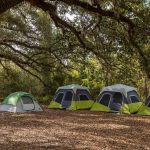
Every reputable camp in Kenya’s conservancies uses an askari, a night guard, to walk you between the mess tent and your room after dark. This isn’t optional theater. Kenya’s parks have real wildlife moving through camps at night, including hyenas and the occasional elephant, so the askari system exists for animals as much as for personal security.
At Basecamp Explorer in the Masai Mara Naboisho Conservancy, and at Porini Lion Camp in Ol Kinyei Conservancy, staff walk every guest to their tent after dinner and again in the morning. Ask any operator directly whether this is standard practice at every camp on your itinerary, not just the flagship one. Zip your tent fully, use the provided torch, and never walk to the bathroom tent alone at night. These three habits prevent the vast majority of camp incidents.
Dress, Culture, and Handling Attention
Kenya is culturally conservative outside beach resort areas. Loose trousers or knee-length skirts, and tops that cover the shoulders, work well in towns, markets, and Nairobi. On game drives, dress code relaxes considerably since you’re in a vehicle with your group.
Unwanted attention tends to show up more in markets, bus stations, and tourist strips than inside the safari circuit itself. A firm “no thank you” and continuing to walk works better than engaging further. Guides and camp staff on organized trips are used to fielding this on your behalf if it happens near camp.
Choosing a Reputable Operator
This is the single biggest safety lever you control. A trustworthy operator vets its drivers, maintains its vehicles, and briefs solo women on camp routines before the trip starts. Before booking, ask to see the operator’s driver-guide credentials, ask what camps they use and whether those camps have askari escorts, and ask for two recent references from solo travelers.
If an operator dodges specifics, quotes a price that seems far below the market range, or pressures you to book without a written itinerary, treat that as a warning sign. We’ve written up more red flags to watch for when vetting a tour operator if you want the full list before you commit.
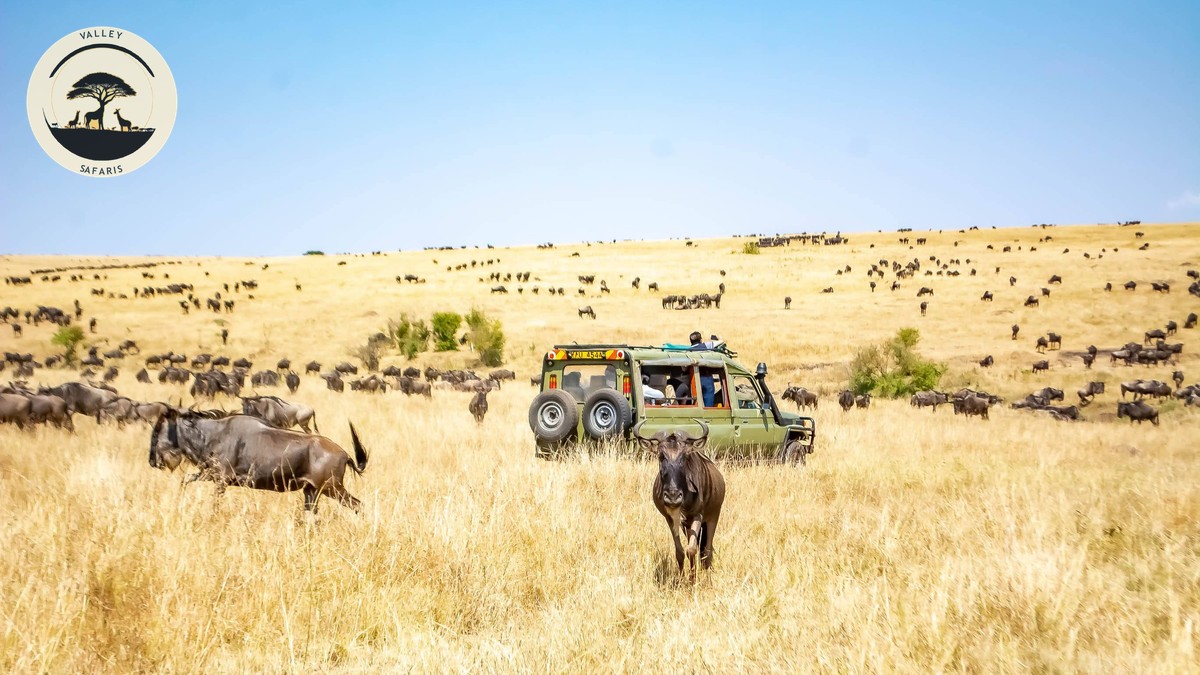
Costs and Single Supplements
Solo travelers on group tours usually pay a single supplement, a surcharge for not sharing a room, typically ranging from $30 to $80 per night depending on the lodge tier. Some operators waive it entirely on group joining departures where you’re sharing a vehicle but get your own tent. We break down single supplement costs for solo travelers by region and season if you’re budgeting closely.
Health and Practical Prep
Kenya requires a yellow fever vaccination certificate if you’re arriving from a country with yellow fever risk, and malaria prophylaxis is strongly recommended for all safari regions below 2,500 meters. Travel insurance with medical evacuation cover is non-negotiable for a solo trip, since flying doctor evacuation from a remote conservancy runs into the thousands of dollars without it.
Buy a local SIM at the airport (Safaricom is the most reliable network) and share your daily itinerary with someone at home. Most camps have patchy or no signal, so tell your contact not to worry when you go quiet for a day.
The Valley Safaris Difference
We’ve placed solo women guests at Elephant Bedroom Camp in Samburu, Porini Lion Camp in the Mara’s Ol Kinyei Conservancy, and on group joining departures that run weekly out of Nairobi. Every driver-guide we use has been with us for at least three years, and every camp on our list confirms askari escorts in writing before we book it.
We tell solo travelers the real single supplement cost upfront, not after deposit. If a camp can’t confirm night-escort protocols, we don’t put solo women there, full stop. That’s not a marketing line, it’s how we’ve run trips for over a decade without a serious safety incident on a solo booking.
Plan Your Trip
Kenya is safe for solo female safari travelers who choose their operator carefully and pack a bit of common sense. If you’re ready to talk through group joining dates, camp options, or a first-time itinerary, get in touch with Valley Safaris and we’ll build it around what actually keeps you comfortable and safe.