You’ve already watched the wildebeest cross the Mara River. You know what a leopard in a sausage tree looks like at 6 p.m. Now you’re weighing two very different next trips: Uganda’s gorillas, or a deeper cut of Kenya through Samburu, Laikipia, and the Kaya forests near the coast.
Both are good answers to the Kenya safari vs Uganda safari question. But they solve different problems, and the operator blogs that rank for this question tend to flatten the choice into vague pros and cons. We’d rather give you real numbers and let you decide.
Wildlife: Big Five Country vs. Gorilla Country
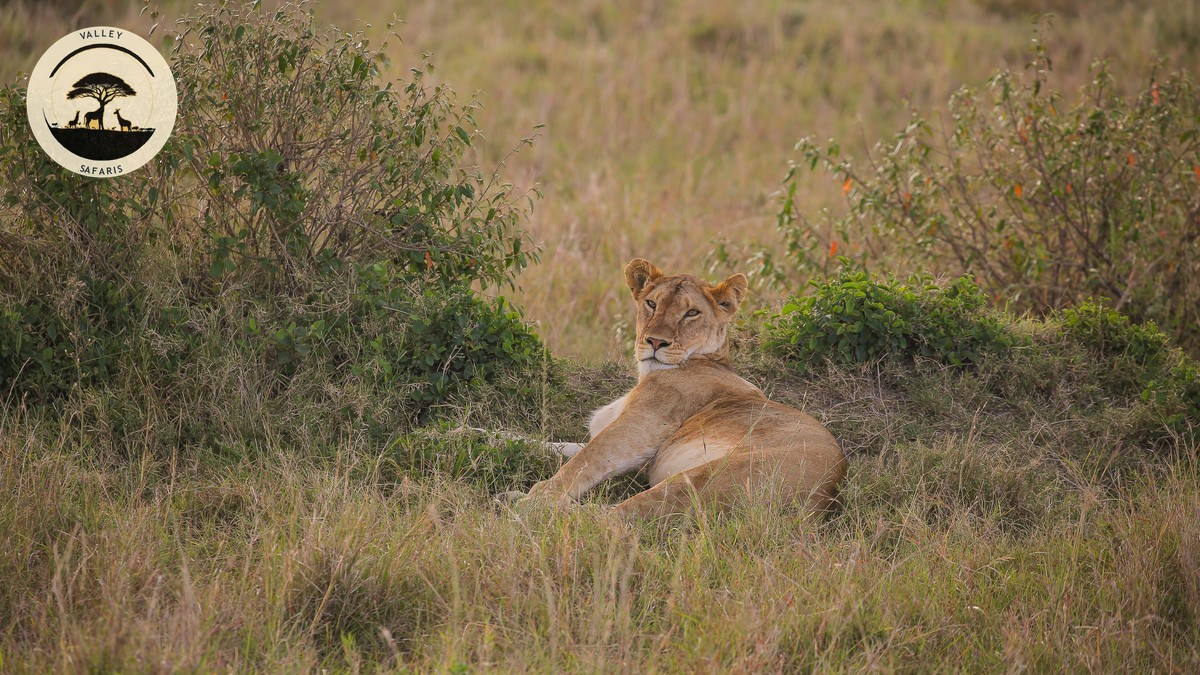
Kenya’s strength is volume and variety in open country. The Maasai Mara, Amboseli, Samburu, and the Laikipia Plateau hold lion, elephant, leopard, rhino, and buffalo, often within a single game drive. Samburu National Reserve also has species you won’t see further south: Grevy’s zebra, reticulated giraffe, and the gerenuk, a long-necked antelope that browses standing on its hind legs.
Uganda’s strength is one thing done extremely well: primates. Bwindi Impenetrable National Park holds roughly half the world’s mountain gorillas, and Kibale Forest has the highest density of chimpanzees in East Africa. Uganda does have savanna parks, Queen Elizabeth and Murchison Falls, with lion and elephant, but the density and predator sightings don’t match the Mara or Samburu.
If you want the Big Five in open grassland, Kenya wins outright. If gorilla trekking is the point of the trip, Uganda (or Rwanda) is where you need to be.
Kenya Safari vs Uganda Safari: Cost Comparison
This is where the generic comparison posts get vague. Here’s what things actually cost, based on published 2026 park and permit fees.
| Item | Kenya | Uganda |
|---|---|---|
| Maasai Mara Reserve fee (non-resident, per person/day) | ~$100 | n/a |
| Samburu National Reserve fee (per person/day) | ~$100 | n/a |
| Amboseli National Park fee (per person/day) | ~$60-90 (indicative) | n/a |
| Gorilla trekking permit (per person) | n/a | $800 |
| Chimp trekking permit, Kibale (per person) | n/a | $200 |
| Flight, Nairobi to nearest safari airstrip | 30-60 min | n/a |
| Flight, Nairobi to Entebbe | ~1 hr 45 min | ~1 hr 45 min |
| Typical 7-night mid-range trip, per couple | $3,500-6,000 (indicative) | $4,500-7,500 (indicative, gorilla permits included) |
The permits are the real cost driver. Two people trekking gorillas pay $1,600 in permits alone, before flights, lodges, or park fees. A Kenya safari with the same lodge quality usually comes in lower because there’s no single line item that size. For our own guests, we publish real 2026 Kenya safari pricing for two rather than estimates, which is worth reading before you compare quotes.
Landscapes and Scenery
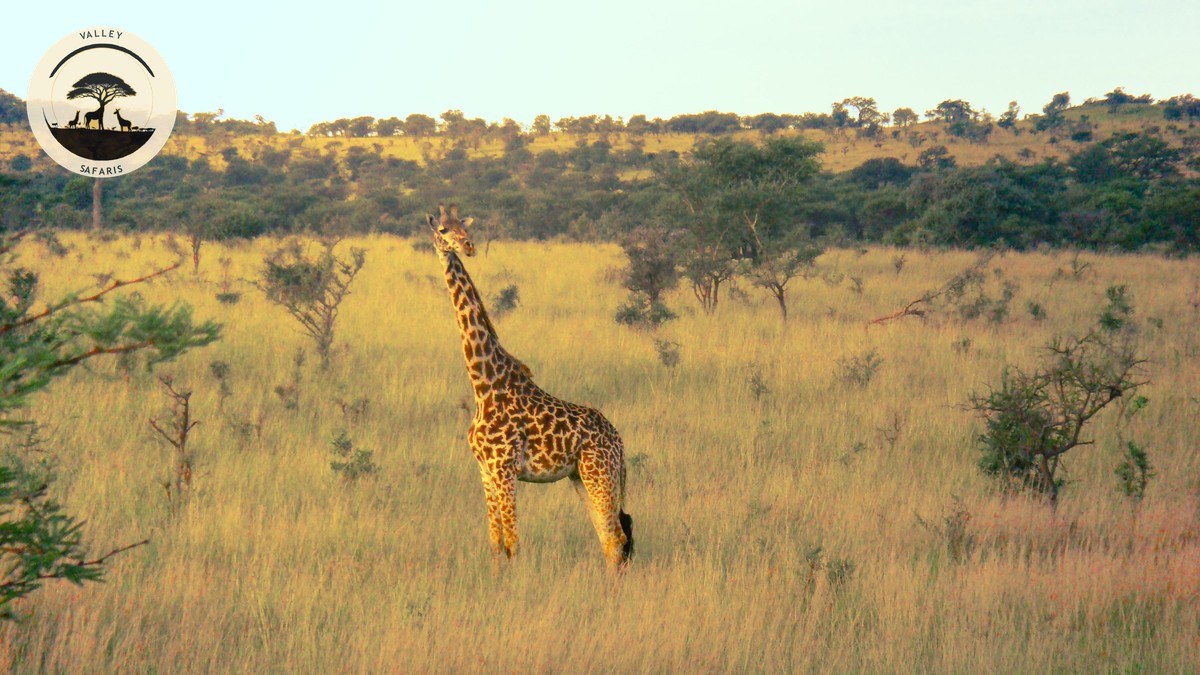
Kenya’s landscapes shift dramatically over short distances. The Mara is rolling grassland. Amboseli sits under Kilimanjaro, visible across the border in Tanzania on a clear morning. Laikipia is drier, rockier, dotted with acacia and conservancies like Ol Pejeta and Lewa. Down at the coast, the Kaya forests near Diani and Kilifi are a different world entirely, sacred groves of coastal Kenyan communities, humid and dense, a short drive from white sand beaches.
Uganda is greener and wetter almost everywhere. Bwindi is genuinely dense montane forest, steep and thick with vines. The Rwenzori mountains rise in the west. Lake Victoria’s shoreline and the Nile at Murchison Falls add water features Kenya’s savanna parks don’t have. If you want lush, forested scenery, Uganda delivers more consistently than Kenya’s drier ecosystems.
Best Time to Visit
Kenya’s dry seasons, January to March and June to October, are best for game viewing because animals gather at water sources. The Great Migration river crossings in the Mara peak from late July through September.
Uganda’s gorilla trekking works year-round since gorillas are habituated and tracked daily, but the drier months (June to August and December to February) mean easier, less muddy hiking. Trails in Bwindi can be steep and slippery in the March-May and September-November rains.
Neither destination has a true off season worth avoiding, but if you’re chasing river crossings, Kenya in August beats anything Uganda offers that month.
Activities Beyond Game Drives
Kenya offers hot air balloon safaris over the Mara (around $450-500 per person), walking safaris in Laikipia conservancies, horseback riding near Borana, and cultural visits to Samburu and Maasai communities. The coast adds diving, dhow sailing, and the Kaya forest walks.
Uganda’s activities center on trekking: gorillas, chimps, golden monkeys in Mgahinga. White-water rafting on the Nile at Jinja is a genuine highlight, class 5 rapids, and boat cruises on the Kazinga Channel between Lake Edward and Lake George add good birdlife and hippo viewing.
If you want variety in one place, Kenya has more on the menu. If you want one unforgettable, physically active day, Uganda’s rafting or trekking wins.
Accommodation and Named Camps
Kenya’s lodge and camp scene is more developed, with decades of investment across the Mara conservancies (Naboisho, Olare Motorogi, Mara North), Samburu (Elephant Bedroom Camp, Saruni Samburu), and Laikipia (Sosian, Sabuk). Standards run from solid tented camps at $300-400 per person per night to top-tier camps well above $1,000.
Uganda’s lodges cluster around Bwindi (Sanctuary Gorilla Forest Camp, Buhoma Lodge) and Queen Elizabeth. Quality is good but the choice is narrower, and most itineraries revolve around getting you to the trekking start point rather than a wider circuit of properties.
Getting There, Visas, and Logistics
This is where Kenya’s advantage is easy to miss. Nairobi’s Jomo Kenyatta International Airport connects directly to most Kenyan safari airstrips by short scheduled flights, often under an hour. A single Kenya e-visa covers your whole trip.
Uganda requires flying into Entebbe, then a long drive (Bwindi is 8-9 hours from Entebbe by road, or a shorter charter flight to Kihihi or Kisoro) since Bwindi has no direct commercial jet service. The East Africa Tourist Visa covers Kenya, Uganda, and Rwanda together if you’re combining countries, which is worth doing if gorillas are on your list.
Who Should Choose Kenya, Who Should Choose Uganda
Choose Kenya if you want the Big Five, easy internal logistics, a single visa, and a wide range of lodges and landscapes in one trip. This fits most first-time and repeat safari travelers, including anyone wanting to add Samburu, Laikipia, or the coast to a Mara trip they’ve already done.
Choose Uganda if gorilla or chimp trekking is the actual reason for your trip and everything else is secondary. Read our notes on comparing Kenya against a dedicated gorilla trekking trip if you’re weighing Uganda against Rwanda specifically, since Rwanda’s shorter drive to Volcanoes National Park (about 2.5 hours from Kigali) often makes more sense than Uganda’s longer transfer to Bwindi.
Combining Kenya and Uganda in One Trip
You don’t have to choose. A common route is 6-7 nights in Kenya (Mara, then Samburu or Laikipia) followed by a 3-4 night gorilla add-on in Uganda or Rwanda, flying Nairobi to Entebbe or Kigali. This spreads cost across two countries but avoids doubling on flights and logistics, since both legs can share planning and, where relevant, a joint East Africa visa.
The Valley Safaris Difference
We’re a Kenya-based operator, so we won’t pretend to know Uganda’s camps the way we know Samburu’s or Laikipia’s. What we do well is building Kenya itineraries around what repeat visitors actually want after the Mara: fewer vehicles, lesser-known conservancies, and guides who’ve tracked the same prides for years. We also work directly with partner operators in Uganda and Rwanda when a guest wants to add gorilla trekking, so you get one planning point of contact instead of juggling two agencies. For a wider view of the region, our guide on how Kenya stacks up against other safari destinations covers more ground beyond just Uganda.
Final Verdict
For most travelers, Kenya wins on value, logistics, and range. One visa, short internal flights, and a proven lodge network make it the easier trip to plan and the better fit for a repeat visitor wanting Samburu or Laikipia next. Uganda earns its place only if gorilla trekking is non-negotiable, and even then, pairing it with Kenya or comparing it against Rwanda usually gets you a better trip than Uganda alone.
Plan Your Next Trip
If Samburu, Laikipia, or the Kaya forests are calling, we’d love to help you build the itinerary. Get in touch through our contact page and we’ll start putting your trip together.