You’ve done the Mara. You’ve seen the wildebeest crossing, ticked the Big Five, and taken the photo everyone takes at Sarova or Governors’ Camp. Now you’re wondering if Botswana is the next step up, or if Kenya still has more to give you.
I’ve guided both, and I’ll be honest with you here. This Kenya vs Botswana safari comparison isn’t a “both are wonderful” article. It’s a real comparison with real numbers, so you can decide where your next trip and your money should go.
Wildlife and game viewing: different stories, not a ranking
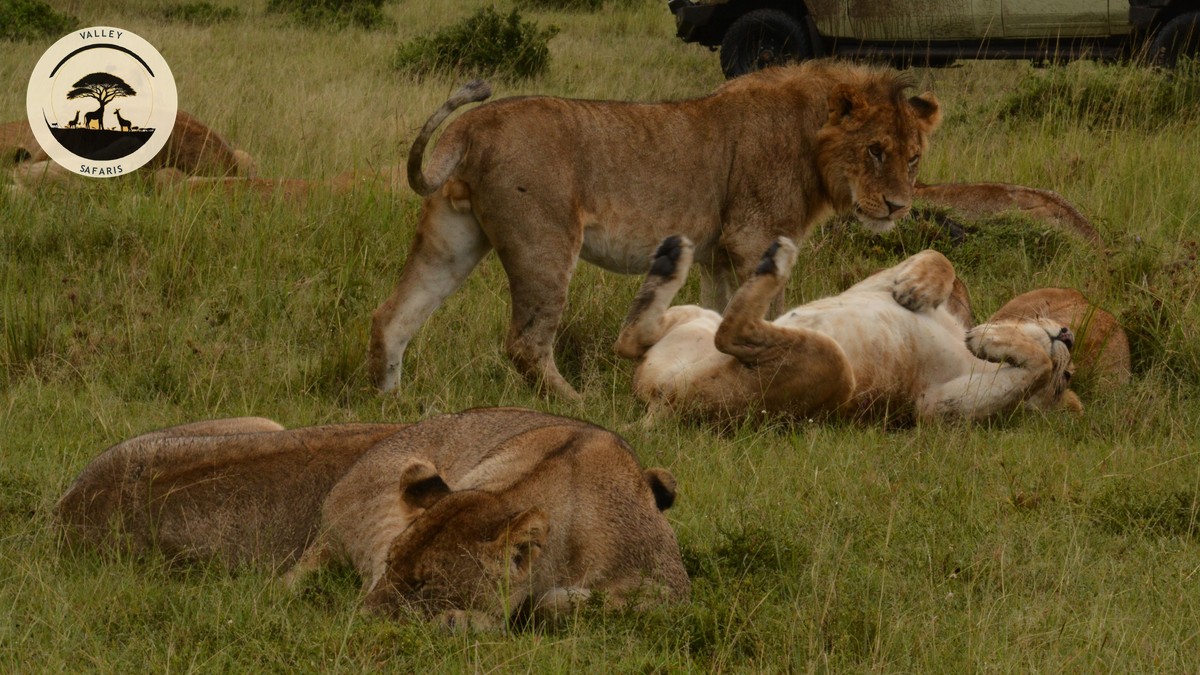
Kenya’s Masai Mara and its neighboring conservancies hold the highest density of predators in East Africa. Lion prides here are large, sometimes 15 to 20 animals, and cheetah sightings are common in the open plains around Naboisho and Olare Motorogi Conservancies. From July to October, the Great Migration adds close to two million wildebeest and zebra to the ecosystem.
Botswana doesn’t have the migration. What it has instead is the Okavango Delta, a flooded wetland where you’ll find African wild dogs, one of the rarest predators on the continent, plus huge elephant herds in the Chobe and Linyanti regions. If you’ve never seen wild dogs hunt, that alone might tip your decision.
Both countries have the Big Five, though rhino numbers are thin in Botswana outside a few protected zones like Khama Rhino Sanctuary. Kenya’s black rhino population is stronger, especially in the Ol Pejeta Conservancy near Laikipia.
Kenya vs Botswana safari cost and value: where the real difference sits
This is where most articles get vague. Here are indicative ranges based on typical 2026 rates.
| Category | Kenya (Masai Mara ecosystem) | Botswana (Okavango Delta) |
|---|---|---|
| Park or conservancy fee per person/day | USD 80 to 100 (Mara Triangle/Narok County) | Included in most camp rates |
| Mid-range camp, per person/night | USD 350 to 600 | USD 700 to 1,000 |
| Luxury camp, per person/night | USD 700 to 1,200 | USD 1,200 to 2,000+ |
| Flight from hub city to camp | Nairobi to Mara airstrips, about 45 min | Maun to Delta camps, 20 to 45 min |
| Road transfer option | Nairobi to Mara, 5 to 6 hours (270 km) | Almost none, most camps are fly-in only |
| Typical minimum stay | 3 nights | 4 to 5 nights |
Botswana runs on a low-volume, high-cost model by government policy. Kenya has more range, from budget mobile camps around USD 150 per person/night to ultra-luxury options that rival Botswana’s prices. If your budget is under USD 400 per person/night, Kenya gives you far more choice.
Crowd levels and exclusivity: Kenya has an answer you haven’t tried
Here’s the part that surprises repeat visitors. The “Botswana equals exclusivity, Kenya equals crowded minivans” idea isn’t the full picture anymore.
Yes, the Masai Mara National Reserve itself gets busy during migration season, with 15 or more vehicles at a single sighting some mornings. But the private conservancies bordering the reserve, Naboisho, Olare Motorogi, and Mara North, cap vehicle numbers by contract. Most limit sightings to three or four vehicles, and night drives and off-road tracking are allowed, which the main reserve doesn’t permit. For the truth about Masai Mara vehicle crowding, it really depends on which side of the reserve boundary you’re staying on.
Botswana’s camps in the Delta are genuinely low-density too, often just one camp per large concession, so guests rarely see another vehicle. It’s still the gold standard for solitude. But if solitude is your main goal and your budget is tighter, a Naboisho or Olare Motorogi stay gets you close to that feeling at a fraction of the Botswana price.
Safari style and activities: this is Botswana’s real edge
If you want to walk, canoe, and drift silently past a hippo pod, Botswana wins outright. The mokoro canoe rides through the Delta’s channels, poled by a local guide, are unlike anything Kenya offers. Walking safaris are common in Botswana’s Linyanti and Selinda concessions too.
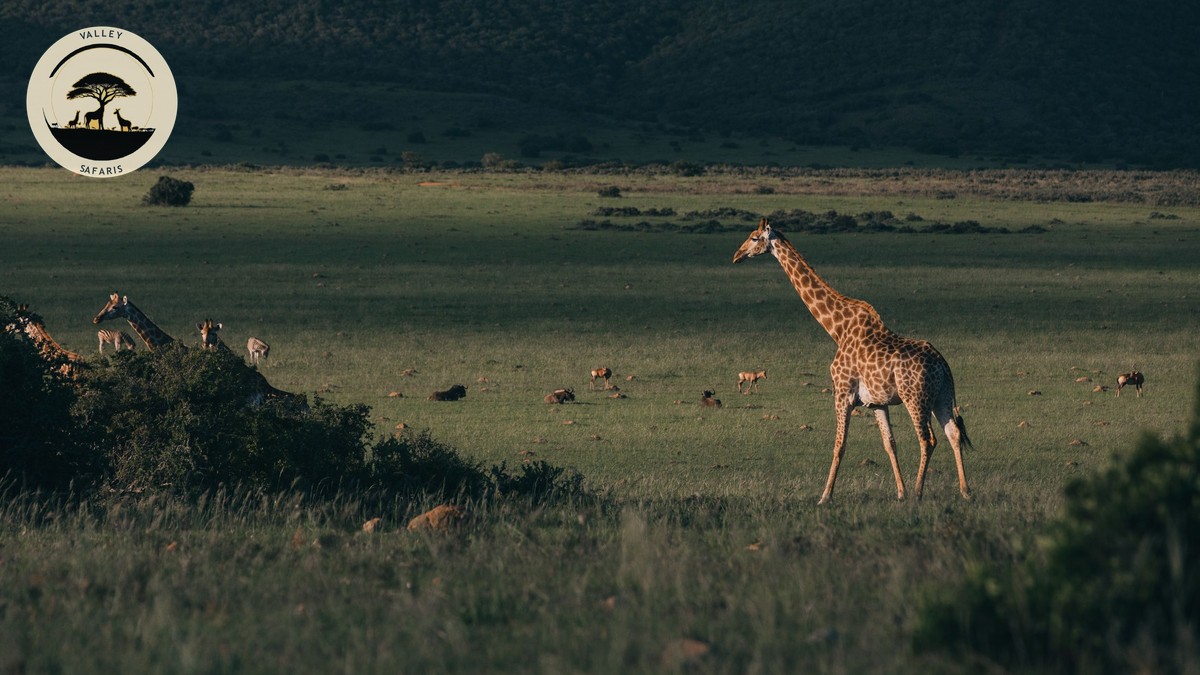
Kenya’s activities center on 4×4 game drives, though Laikipia and the private conservancies now offer walking safaris and horseback rides, and some camps run night drives. If you’ve already done classic Mara game drives and want something different on Kenyan soil, Samburu’s riverine landscape and the Laikipia plateau give you a genuinely different feel, plus species you won’t see in the Mara, like the reticulated giraffe and Grevy’s zebra.
Landscape and ecosystem: savannah versus wetland
The Mara is open, rolling savannah cut by the Mara River. Samburu is drier and more rugged, with doum palms lining the Ewaso Nyiro River. Laikipia sits higher, around 1,800 meters, with cooler mornings and views toward Mount Kenya on a clear day.
Botswana’s Okavango Delta is the opposite entirely, a wetland the size of Wales that floods every year, creating channels, islands, and lagoons. This is why the two countries feel so different even though both are “African safari.” You’re choosing between dry-country plains and a shifting waterworld.
Best time to visit each
Kenya’s Great Migration season runs July through October, when the herds cross from the Serengeti into the Mara. Shoulder months like January and February bring calving season and thinner crowds. Samburu and Laikipia are good almost year-round since they don’t depend on migration timing.
Botswana’s dry season, May through October, is when wildlife concentrates near the remaining water and game viewing peaks. The Delta itself floods with water arriving from Angola’s highlands, usually peaking between June and August, which is also the best time for mokoro trips.
If you’re chasing the migration specifically, Kenya has a fixed answer. Botswana’s dry season window is broader and more forgiving.
Trip length and logistics
A Kenya safari works well in 5 to 7 days: 3 nights in the Mara or a conservancy, 2 to 3 nights in Samburu or Laikipia. Nairobi’s Wilson Airport handles most safari flights, and road transfers are a realistic option if you want to see the Rift Valley en route.
Botswana needs more time and more flights. Most itineraries combine 2 to 3 camps, each reached by a separate light aircraft hop from Maun, so 7 to 10 days is closer to standard. There’s no meaningful road network into the Delta, so budget accordingly for flight costs, they add up fast per person.
Who each destination suits
Kenya suits first-time safari-goers, families, and anyone balancing cost against a wide range of experiences. It also suits repeat visitors who want variety within one country, since Samburu and Laikipia feel nothing like the Mara.
Botswana suits travelers who’ve already done a classic savannah safari and want water-based activities, wild dog encounters, and a higher comfort-to-crowd ratio, and who have the budget and days to spend on it.
Combining or choosing between destinations
You don’t have to pick just one, ever. Some of our clients combine a Kenya conservancy stay with a shorter Botswana add-on, flying via Johannesburg or Nairobi. It’s a bigger trip, usually 10 to 12 days total, and a bigger budget, but it gives you both ecosystems in one journey.
If you’re weighing this decision against a totally different second-safari option, it’s worth reading how Kenya compares to Rwanda for a first safari too, since gorilla trekking changes the cost math again.
Whichever way you lean, check hidden costs that safari package prices skip before you commit to a quote. Conservancy fees, park fees, flight transfers, and gratuities rarely show up in the headline price for either country.
The Valley Safaris Difference
We’re based in Nairobi, and we build itineraries on the ground, not from a brochure. When we recommend Naboisho over the main Mara Reserve, it’s because our guides have sat there at sunrise with zero other vehicles in sight, not because it reads well online.
We’ll tell you honestly if Botswana is worth the extra cost for your specific interests, or if a well-chosen Kenya conservancy gets you 90 percent of that experience for half the price. We’ve walked both landscapes, priced both against real camp rates, and we’d rather lose a booking than oversell you on a trip that isn’t right.
Plan your next safari with us
If you’re ready to compare real itineraries side by side, Kenya conservancies, Samburu, Laikipia, or a Botswana add-on, we’d love to help you map it out. Take a look at our Kenya safari tours or get in touch and tell us what you saw last time. We’ll build the next trip around what you haven’t seen yet.