
I’ve watched a lot of parents stand at a lodge reception looking worried. They’re all asking the same question: will my kids actually be safe and happy here. It’s the right question, and it’s why finding the right Kenya family safari lodges kids will love takes more than reading marketing copy. Not every camp that markets itself as “family-friendly” really is. Some have a strict minimum age of 12 because open vehicles and big cats don’t mix well with a toddler who won’t sit still. Others have built entire programs around kids. Think fenced pools, junior ranger badges, and guides who can turn a 6am wake-up into an adventure instead of a chore.
This guide skips the vague marketing language. It gets into specifics: real minimum-age policies, real price ranges, and which regions actually make sense for young children. I’ll also flag the malaria question honestly, since it matters more than most guides admit.
Best regions for a family safari in Kenya
Where you go matters as much as which lodge you pick. Four regions come up again and again for families, and each has a different personality.
The Masai Mara is the big draw for wildlife density. You’ll see more lions, more wildebeest, more drama per game drive here than almost anywhere else. The trade-off is that the main reserve has strict rules on off-road driving and many camps set a minimum age of 12 for game drives. The private conservancies around the reserve, like Mara North and Naboisho, are more relaxed. They allow night drives and walking, which suits families with older kids better than toddlers.
Laikipia, north of Mount Kenya, is where I send most families with children under 8. It sits at around 1,700 to 2,000 metres, which keeps malaria risk low. The conservancies here run bush schools, horse riding, and camel walks built specifically for kids. Read more about Laikipia’s conservancies if you want the full picture of why repeat visitors keep coming back.
Samburu, in the hot lowlands north of Laikipia, has unique wildlife like the reticulated giraffe and Grevy’s zebra, plus excellent guiding. It does carry a real malaria risk. It suits families comfortable with prophylaxis and mosquito precautions, rather than those trying to avoid the issue entirely.
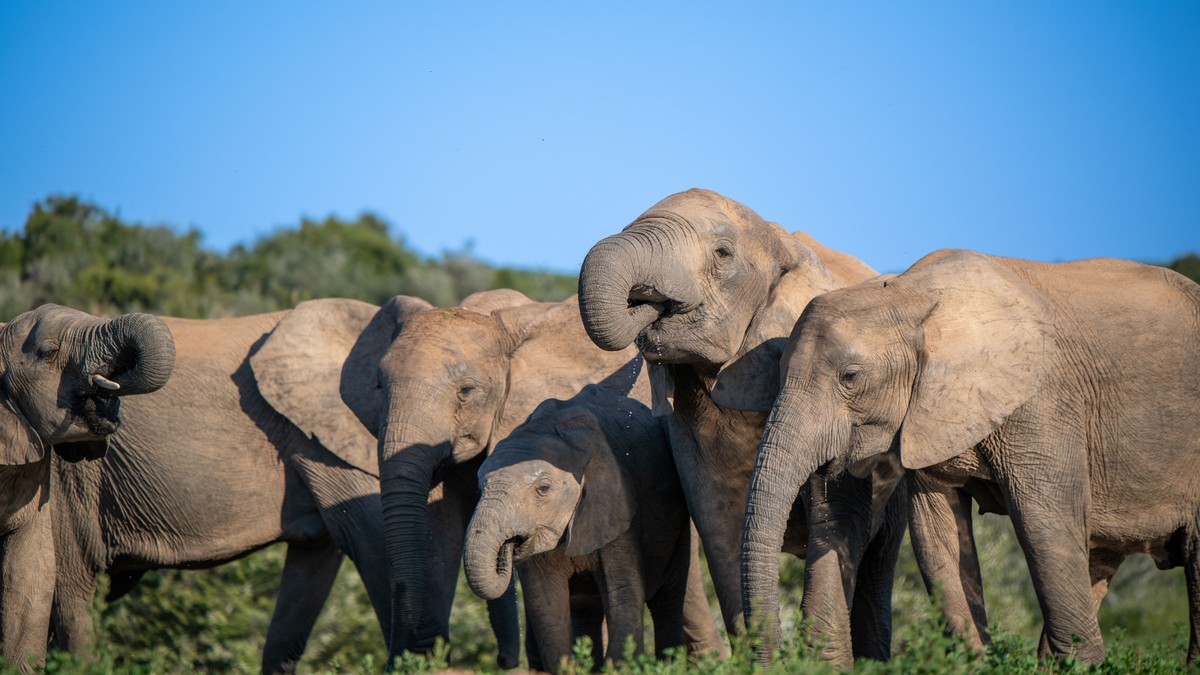
Amboseli gives you Mount Kilimanjaro as a backdrop and reliable elephant sightings close to the vehicle, which kids love. Malaria risk is present but generally lower than the coast, and drive times from Nairobi are short.
Best Kenya family safari lodges kids will love
Here’s how six well-known lodges actually compare on the details that matter to parents. Prices are indicative per-person, per-night ranges in high season, before park fees, since rates shift year to year and by room type.
| Lodge | Region | Minimum age policy | Malaria risk | Indicative price range (USD, high season) | Family setup |
|---|---|---|---|---|---|
| Lewa House | Lewa Conservancy | None; family cottage sleeps up to 6 | Low (altitude ~1,700m) | $650-900 pp/night | Private family cottage with connecting rooms |
| El Karama Lodge | Laikipia | None; kids under 12 stay free in some seasons | Low | $350-550 pp/night | Family cottages, self-drive friendly |
| Saruni Samburu | Samburu | 5+ for game drives, flexible for villas | Present | $600-850 pp/night | Two-bedroom family villa |
| Tortilis Camp | Amboseli | 5+ for game drives | Present, lower than coast | $550-750 pp/night | Family tents with interconnecting rooms |
| Angama Mara | Masai Mara (Oloololo) | 5+ for game drives, 6+ for walking | Present | $900-1,300 pp/night | Family suites, separate kids’ area |
| Giraffe Manor | Nairobi | None | Very low (urban, high altitude) | $1,200-1,600 pp/night | Shared breakfast with resident giraffes, short stay add-on |
A note on that table: park and conservancy fees are extra almost everywhere. Masai Mara conservation fees run roughly $80 to $100 per adult per day. Children aged 3 to 12 pay about $45 to $60, depending on which county manages the sector. Amboseli National Park fees are lower, closer to $60 adult and $35 child per day. Laikipia conservancy fees are often bundled into the lodge rate already, which is one more reason families find the budgeting simpler there.
What age is right for a Kenya safari with kids
There’s no single right answer, but a few patterns hold up. Babies and toddlers under 3 do best in malaria-free or low-risk areas like Laikipia, close to Nairobi, on short 3 to 4 night stays. Long game drives bore them and heat exhausts them faster than adults.
Children aged 4 to 7 are ready for proper game drives if the lodge allows it. This is exactly where minimum-age rules trip families up. The Masai Mara’s main reserve and several premium camps set the bar at 5, 6, or even 12 for vehicle-based drives. Always check the specific policy before booking, not just the marketing copy.
From age 8 up, most doors open. Walking safaris, night drives, and even fly-camping become realistic, and this is when Samburu and the Mara conservancies really shine.
Malaria-free and low-risk areas for families
This is the question I get asked most, and the honest answer is that very few parts of Kenya are truly malaria-free. What exists are low-risk zones, mostly at higher altitude. Laikipia and the Nairobi area sit above 1,600 metres, where the anopheles mosquito struggles to survive, which makes them genuinely lower risk. For a full regional breakdown, see our guide to malaria-free parks that suit young children before you decide on prophylaxis with your paediatrician.
The Masai Mara, Amboseli, and Samburu all sit at lower elevations with active malaria transmission. Families heading there should plan properly, with repellent, nets, and appropriate medication for children over the recommended age and weight.
Kids’ programs and activities
The best family lodges don’t just tolerate children, they build a day around them. Lewa House runs a bush school with tracking and bird walks. El Karama has a swimming pool, pony rides, and a resident conservation team that lets kids help with camera-trap checks. Saruni Samburu offers a Warrior Academy morning with local Samburu guides, teaching basic tracking and traditional skills. It runs seasonally, so confirm it at booking.
Junior Ranger programs, common across Laikipia and some Mara conservancies, give kids a workbook, a badge, and a reason to pay attention on every drive. It’s a small thing that changes a 7-year-old’s whole attitude toward a 6am wake-up call.
Family accommodation types
Look past the word “family-friendly” and check the actual room configuration. Interconnecting rooms, where two tents or cottages share a locking internal door, are the gold standard. They let parents hear a child at night without sharing one room. Family tents, usually a step up in size with a sofa bed or bunk area, work well for one child. Private family villas or cottages, like the ones at Lewa House and Saruni Samburu, suit larger families or two families travelling together. They often include a private plunge pool and dedicated staff.
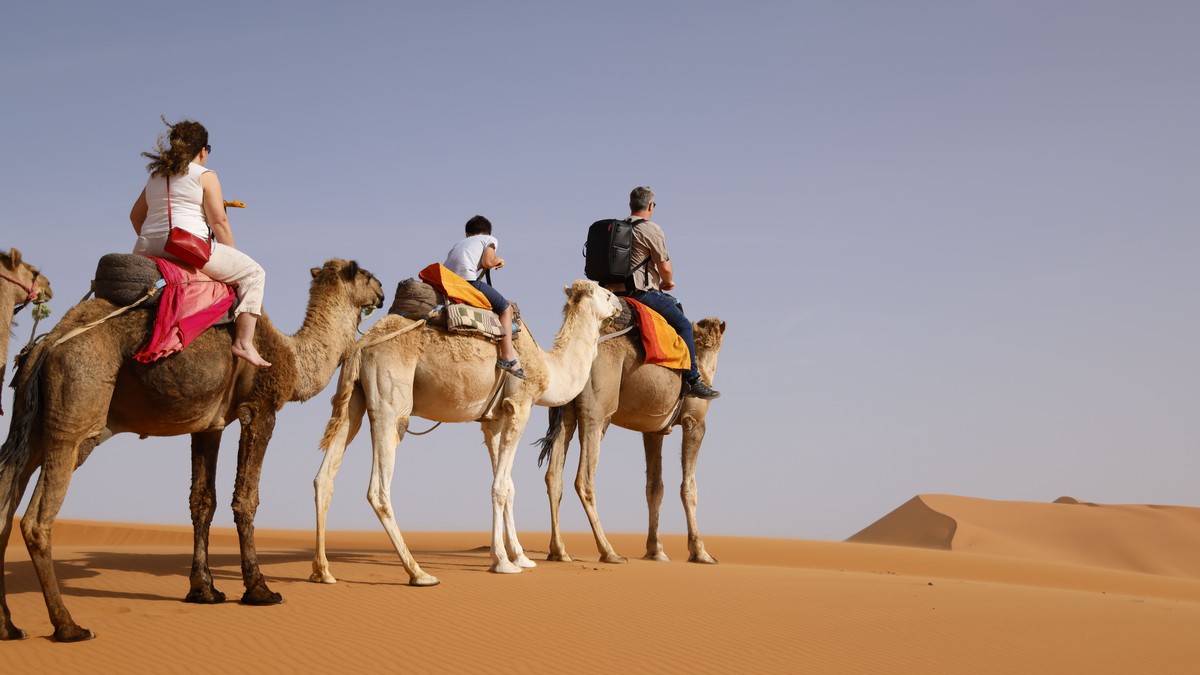
Tips for booking and planning a family safari
Book 3 to 4 night stays per camp rather than one-night stops. Children settle in and enjoy activities more when they’re not packing up every morning. Fly rather than drive where budgets allow. A 45-minute flight from Nairobi’s Wilson Airport to a Laikipia or Mara airstrip beats a 5 to 6 hour drive on rough roads with carsick kids. Confirm minimum-age policies in writing before paying a deposit, since some camps enforce them strictly at check-in. And take time over what to pack for a family safari. The right hat, torch, and layers make far more difference to a child’s mood than any itinerary detail.
Cost and pricing guide for a family safari
A realistic 6-night family safari for two adults and two children runs roughly $9,000 to $16,000 all-in. That covers one Laikipia camp, one Mara conservancy, domestic flights, and park fees at mid to high-end lodges. Budget-conscious families can bring that down by choosing owner-run camps like El Karama and staying longer in one region to save on internal flights.
The Valley Safaris Difference
We plan family safaris the way we’d plan one for our own kids. That means we check minimum-age policies directly with each camp before we recommend it, not just relay what’s on their website. We build in downtime between game drives, because a 4-year-old needs a nap more than a fourth wildlife sighting. And we know which guides are genuinely good with children. They slow down, explain, and turn a dung beetle into the highlight of the day.
We’ve sat in the vehicles, checked the pool fences, and asked the awkward questions about mosquito nets and generator noise at night. That groundwork is what turns a good safari into one your kids still talk about years later.
Plan your family safari with us
If you’re ready to match your children’s ages and interests to the right lodges and regions, we’d love to help. Have a look at our family safari tours or get in touch through our contact page to start planning.