If you’ve been asking which Kenya parks allow self drive, the short answer is: more than you’d think, but not all of them the way the guidebooks suggest. We’ve driven most of these roads ourselves, and the rules change often enough that outdated blog posts do real damage to a trip budget.
This guide gives you the parks that are genuinely open to self-drive, the ones that restrict it, and the truth about the Masai Mara, where online advice is split down the middle. We’ll also cover fees, permits, and what a realistic self-drive budget looks like for a backpacker travelling solo or joining a small group.
Which Kenya parks allow self-drive: the full list
Seven parks are fully open to independent self-drive with no guide requirement. You pay your fee, enter through a KWS gate, and drive yourself. Here’s the current picture, with indicative 2026 non-resident entry fees.
| Park or reserve | Self-drive status | Non-resident fee (2026) | Pay through | Main gate |
|---|---|---|---|---|
| Nairobi National Park | Fully self-drive | Indicative USD 43-52/day (confirm before travel) | KWS eCitizen | Langata Gate |
| Amboseli National Park | Fully self-drive | Indicative USD 52-90/day (confirm before travel) | KWS eCitizen | Meshanani Gate |
| Lake Nakuru National Park | Fully self-drive | Indicative USD 43-60/day (confirm before travel) | KWS eCitizen | Main Gate, Nakuru town |
| Tsavo East National Park | Fully self-drive | Indicative USD 30-52/day (confirm before travel) | KWS eCitizen | Voi Gate |
| Tsavo West National Park | Fully self-drive | Indicative USD 30-52/day (confirm before travel) | KWS eCitizen | Mtito Andei Gate |
| Aberdare National Park | Self-drive, ranger advised on forest tracks | Indicative USD 60-70/day (confirm before travel) | KWS eCitizen | Ruhuruini Gate, Nyeri |
| Hell’s Gate National Park | Fully self-drive, even cycling | Indicative USD 20-30/day (confirm before travel) | KWS eCitizen | Elsa Gate, Naivasha |
| Ol Pejeta Conservancy | Fully self-drive | Indicative USD 90/day (confirm before travel) | Ol Pejeta online portal | Nanyuki |
| Masai Mara National Reserve | Self-drive legal, ranger escort strongly advised | Indicative USD 200/day (confirm before travel) | Narok County portal | Sekenani or Oloolaimutia Gate |
A quick warning on fees: KWS and Narok County both adjust rates without much public notice, and different websites quote different numbers for the same park. Treat every figure above as a planning estimate, not a locked-in price. Confirm the live rate on the eCitizen KWSPay portal or the Narok County site shortly before you pay.
Where self-drive is restricted or banned
Not every wild place in Kenya lets you turn up in your own car. The Masai Mara’s neighbouring conservancies, Mara North, Naboisho, and Olare Motorogi, are guide-only. So is Lewa Wildlife Conservancy near Isiolo. These are private or community-run areas that cap vehicle numbers to protect the land, and entry is bundled into a lodge or camp stay with their own driver-guide.
If you’re backpacking on a tight budget, this actually works in your favor. You skip the conservancy’s higher nightly rates and stick to the government-run parks in the table above, where a rented 4×4 and a KWS ticket are all you need.
Masai Mara self-drive rules, settled
Here’s where most blog posts contradict each other. Some say the Mara now requires a mandatory ranger escort. Others say it’s freely self-drivable. Both are half right.
Self-drive is legally permitted in the Masai Mara National Reserve, provided you enter in a proper 4×4 through a recognised gate and pay through the Narok County portal, not the KWS eCitizen system. That distinction trips up a lot of first-timers who assume all Kenyan parks use the same payment system. They don’t.
Narok County has charged non-residents around USD 200 a day for several years now, and that number has stayed fairly stable. Treat it as an indicative figure rather than a guarantee, and check the Narok County portal before you pay, since county rates can move with little warning.
There is no legal requirement for a ranger or guide to ride with you. But hiring one at the gate, typically around KES 3,000 for a few hours, is genuinely worth it. Rangers know where the cats are that morning, carry a radio, and keep you from wandering onto a track that gets your tyres stuck in black cotton soil after rain. Tickets are valid for 12 hours, from 6am to 6pm, so plan your exit time before you cross the gate.
Permits, fees, and how to actually pay
Two separate payment systems cover Kenya’s self-drive parks, and mixing them up is the single most common mistake we see.
KWS parks, meaning Nairobi, Amboseli, Nakuru, Tsavo East and West, Aberdare, and Hell’s Gate, are all paid through the KWS eCitizen portal (KWSPay) before you arrive. Cash isn’t accepted at most gates anymore. The Masai Mara runs on its own Narok County portal, and gate wifi is unreliable, so pay online from your hotel the night before.
No special “self-drive permit” exists beyond the standard park entry ticket. What you do need is a valid driving licence, and an International Driving Permit is required if your home licence isn’t in English or doesn’t meet Kenya’s recognised format.
Vehicle and driving rules inside the parks
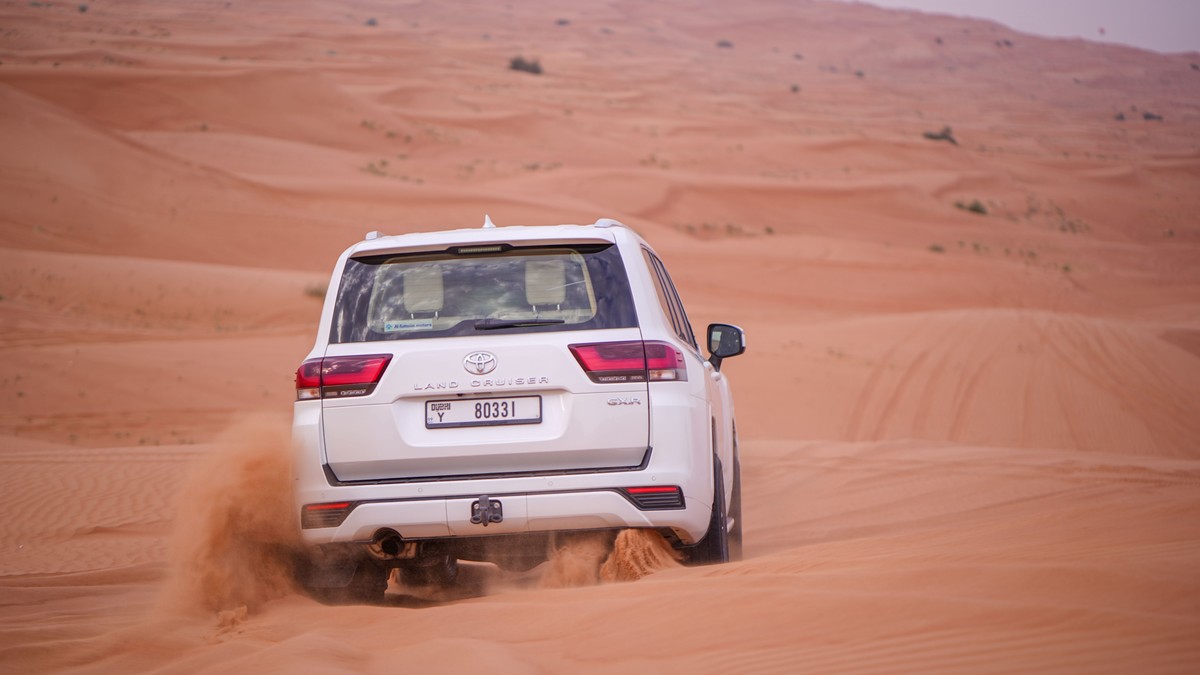
A 4×4 with real ground clearance is non-negotiable for Amboseli, Tsavo, and the Mara, where tracks turn to mud in the rains and volcanic dust in the dry season. Hell’s Gate and Nairobi National Park are the exceptions, with graded roads passable in a saloon car if you’re careful.
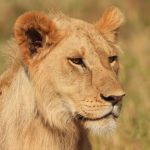
Inside any park, expect a 40-50 km/h speed limit, a rule to stay on marked tracks, and a ban on getting out of your vehicle except at designated picnic sites. Off-road driving to chase a sighting is illegal almost everywhere now and carries real fines. It’s also why animals barely react to vehicles that stick to the tracks. We’ve written before about why lions largely ignore safari vehicles, and staying on the road is a big part of why that trust holds.
Self-drive vs guided: which one actually fits you
Self-drive saves money and gives you total freedom over pace and route. It suits travellers who are comfortable navigating without cell signal, since coverage drops out completely in parts of Tsavo West and the Mara’s western conservancy border.
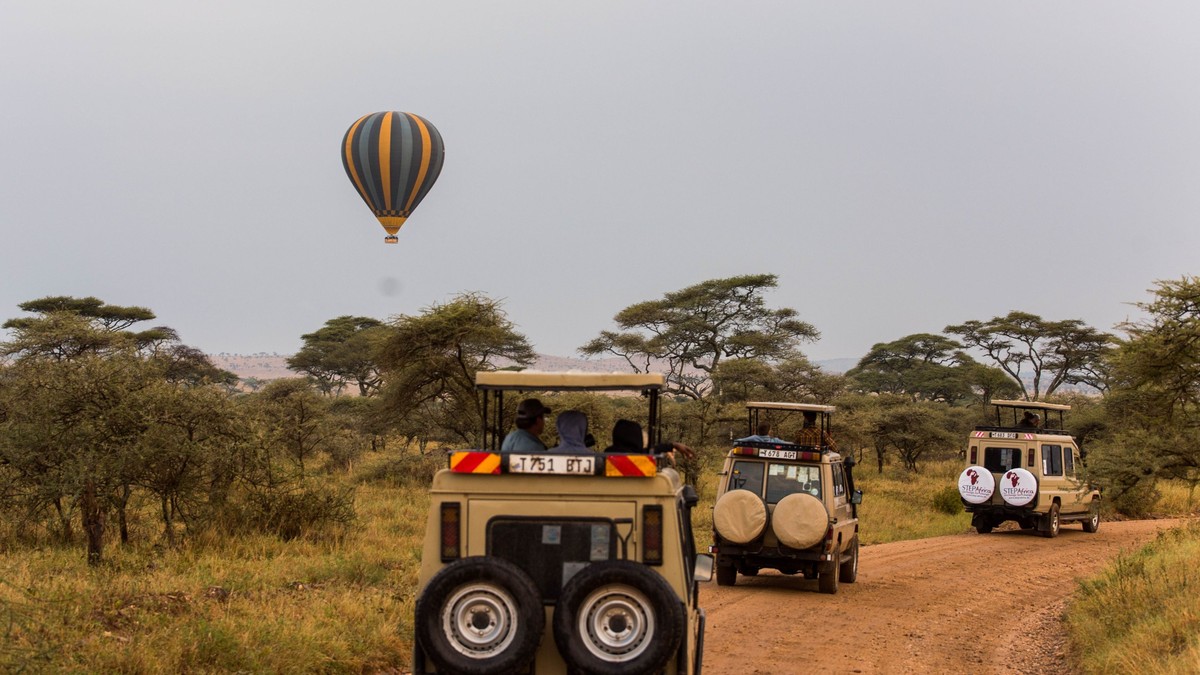
A guided day, or joining a shared group safari, makes more sense for the Mara in July and August, when wildebeest crossing crowds jam the river points and a driver who knows the radio network finds you a spot. It’s also the safer call for a first solo trip to Kenya, before you’ve got a feel for the roads.
Plenty of backpackers do both: self-drive the easy parks like Nakuru and Hell’s Gate, then book one guided day for the Mara during peak season. If you’re short on time, a Nairobi National Park day safari is an easy way to self-drive your first park within an hour of landing at JKIA.
Safety, common mistakes, and the best months
The biggest mistake we see is arriving without a paper printout of your KWS or Narok County receipt when phone signal drops at the gate. Print it or screenshot it offline. The second is underestimating fuel range. Fill up in Nairobi, Nakuru town, Voi, or Narok town before entering, since fuel stations inside the parks don’t exist.
The dry months, late June through October and January through February, give the firmest roads and the easiest self-drive conditions. April and May bring the long rains, when Tsavo’s black cotton soil roads can strand a two-wheel-drive vehicle for hours. Budget travellers chasing lower lodge rates should also read about why Kenya safari prices are rising in 2026, since fuel and park fee increases are reshaping shoulder-season deals too.
What a self-drive trip actually costs
For a backpacker doing a 7-day loop covering Nairobi, Lake Nakuru, and Amboseli, expect roughly this breakdown per person, based on a shared rental among three or four people:
- 4×4 rental: USD 60-90 per day, split between passengers
- Park fees: roughly USD 140-200 total across three parks (indicative, confirm before travel)
- Public campsites inside KWS parks: USD 20-30 per person per night (indicative, confirm at booking)
- Fuel for the loop: roughly USD 80-120 total, split among the group
- Food and basic supplies: USD 15-25 per day
A frugal week-long self-drive loop for one person in a shared vehicle often lands between USD 400 and 650, campsite nights included. That’s well under what most guided packages charge for the same route.
Where to camp and stay
Public campsites run by KWS sit inside Nairobi National Park, Lake Nakuru, Amboseli, and both Tsavo parks, usually with basic toilets and a water point, sometimes nothing more. Naivasha town, just outside Hell’s Gate, has backpacker hostels and campsites a short matatu ride from Elsa Gate, which suits travellers without their own vehicle. Nakuru town connects by bus from Nairobi in about three hours, with rental agencies and budget guesthouses near the park gate.
For the Mara, Talek and Sekenani towns outside the reserve have budget camps where you can join a shared safari vehicle if you’d rather split the reserve’s roughly USD 200 daily fee across a group than pay for a solo rental.
The Valley Safaris Difference
We don’t just point you at a gate and wish you luck. Valley Safaris builds mixed itineraries for backpackers who want to self-drive the easy parks and join a guided day where it counts, like a Mara crossing in August. We keep a running list of which fee portals are actually working that week, which campsites have water, and which rental companies hand over a 4×4 that’s genuinely fit for Tsavo’s tracks. That’s the kind of detail that saves a trip from a flat tyre 40 km from the nearest gate.
Plan your Kenya self-drive trip with us
If you want a route that mixes self-drive freedom with a guided day where it matters most, get in touch through our contact page and we’ll help you plan it around your budget and dates.