If you’ve been reading safari blogs for more than ten minutes, you’ve probably seen the same six parks listed over and over: Masai Mara, Amboseli, Tsavo, Samburu, Lake Nakuru, Ol Pejeta. This guide covers where to see the Big Five in Kenya, park by park, with the honest odds most lists skip. No single Kenyan park guarantees all five animals on every visit. Some barely try.
We’ve been planning Big Five trips out of Nairobi for years, and the question we get most from first-time travelers isn’t “which parks have the Big Five.” It’s “which park will actually show them to me.” Those are different questions, and this guide answers both.
What are the Big Five, and why is this list so hard to complete
The term comes from old hunting language, not tourism. Lion, leopard, elephant, buffalo, and rhino earned the name because they were the five most dangerous animals to hunt on foot. Today the same list drives safari planning, but the difficulty hasn’t changed much.
Lion, elephant, and buffalo are common across most Kenyan parks. Leopard is shy and mostly nocturnal, so sightings depend on luck and a sharp guide. Rhino is the real bottleneck. Kenya lost most of its black rhino population to poaching in the 1970s and 80s, and today most rhinos live inside fenced or heavily patrolled sanctuaries, not roaming free across open savannah.
That single fact should shape your whole itinerary.
Where to see the Big Five in Kenya: quick comparison of fees and drive times
| Park or Conservancy | Distance from Nairobi | Drive time | Approx. park fee (non-resident, per adult/day) | Rhino odds | Leopard odds |
|---|---|---|---|---|---|
| Masai Mara National Reserve | 270 km | 5 to 6 hrs by road, 45 min flight | USD 100 to 200 (varies by sector) | Low to moderate | Moderate |
| Amboseli National Park | 240 km | 4 to 5 hrs | USD 60 to 90 | Low | Low |
| Tsavo East National Park | 330 km | 4 to 5 hrs | USD 52 to 60 | Low (higher near Ngulia) | Low to moderate |
| Tsavo West National Park | 240 km | 4 hrs | USD 52 to 60 | Moderate (Ngulia Rhino Sanctuary) | Moderate |
| Lake Nakuru National Park | 160 km | 3 hrs | USD 60 to 82 | High | Low to moderate |
| Ol Pejeta Conservancy, Laikipia | 200 km | 3 to 4 hrs | USD 90 | Very high | Moderate |
| Samburu, Buffalo Springs, Shaba | 325 km | 5 to 6 hrs | USD 70 (roughly) | Very low | Moderate to high |
| Nairobi National Park | 10 km | 20 to 30 min | USD 50 | Moderate to high | Low |
Fees shift often and vary by season and residency status, so treat these as planning ranges, not quotes. We check current rates before every itinerary we build, including Masai Mara’s 2026 conservation fees, which have moved more than most.
Masai Mara National Reserve: the classic, but rhino is a gamble
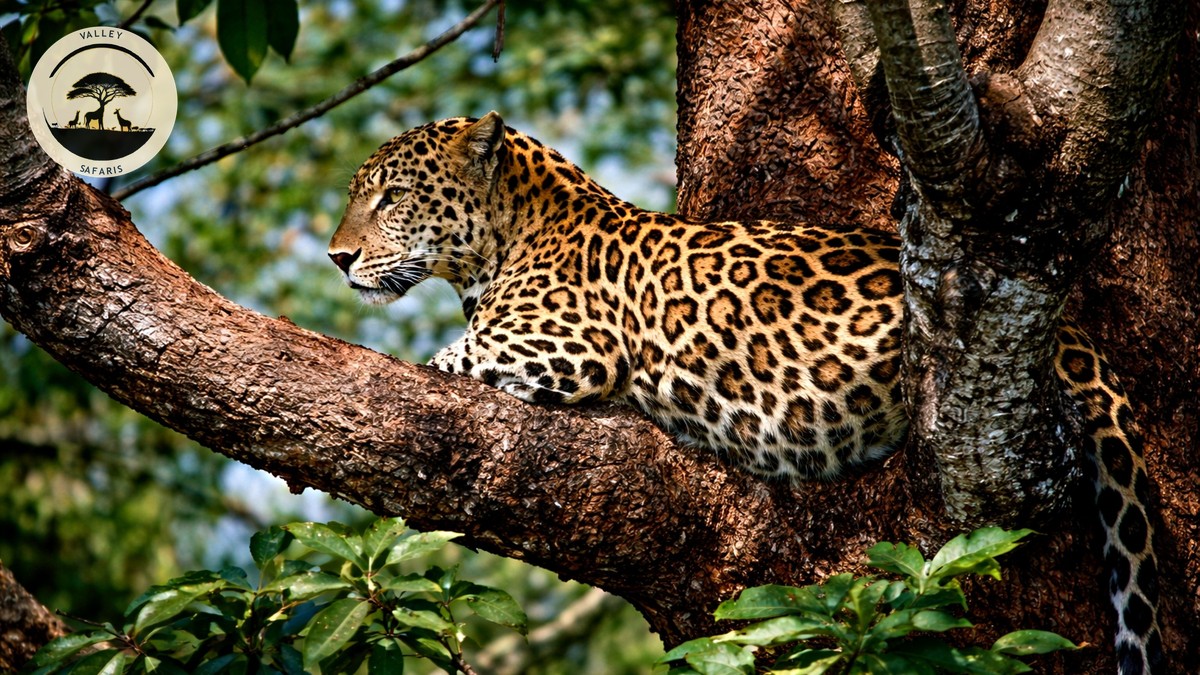
The Mara is where most people picture their safari before they’ve even booked one. Open grassland, huge lion prides, and the Great Migration between July and October, when over a million wildebeest cross the Mara River. Leopards turn up along the river tree lines more often than you’d expect.
Rhino is the catch. The Mara Triangle holds a small population of black rhino, and Mara Conservancy rangers know roughly where they hang out, but sightings still aren’t guaranteed on a two or three night stay. If rhino matters to you as much as the migration, plan the Mara for lion, leopard, elephant, and buffalo, then pair it with a rhino-focused park.
Amboseli National Park: elephants and Kilimanjaro, but light on the rest
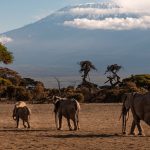
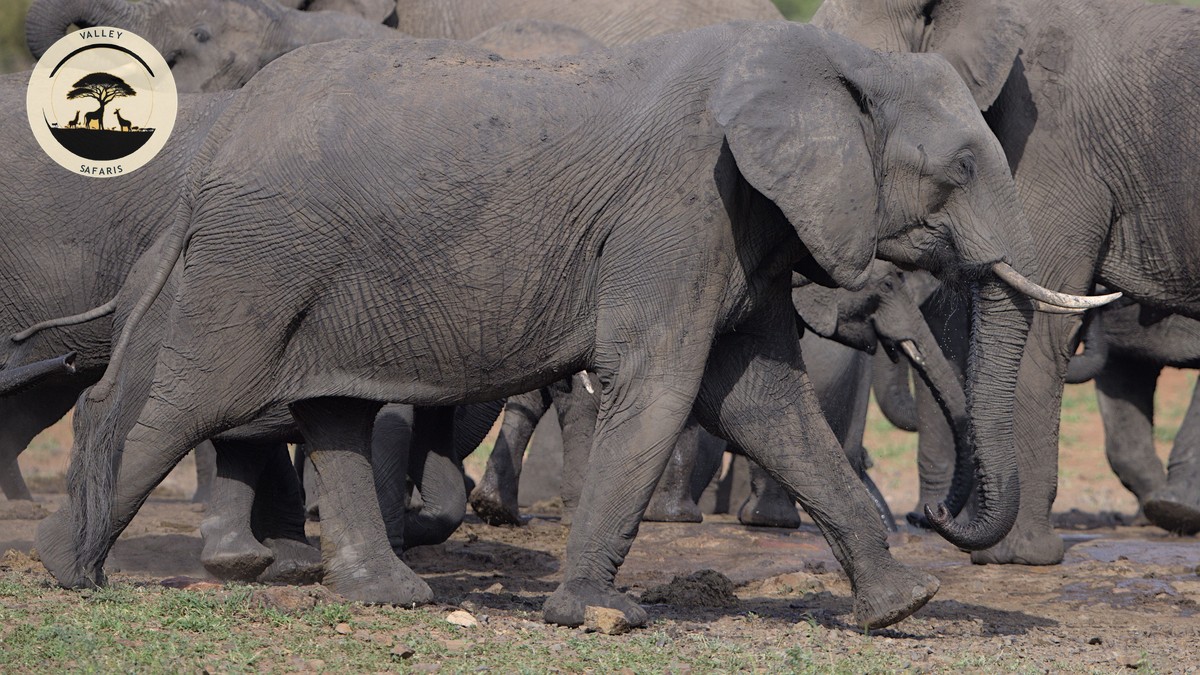
Amboseli’s real draw is elephant herds walking across dry lake beds with Mount Kilimanjaro behind them. It’s one of the best places in Africa for close elephant encounters, and buffalo and lion show up reliably too.
Leopard and rhino are both weak here. The terrain is too open for leopard cover, and Amboseli has no resident rhino population to speak of. If you’re weighing Amboseli against a park with better red soil and denser bush, our Tsavo East vs Amboseli for a first Big Five trip piece breaks down which one suits your priorities.
Tsavo East and Tsavo West: red elephants and a rhino sanctuary
Tsavo is Kenya’s largest protected area, split into two parks by the Nairobi-Mombasa highway. Tsavo East is vast and open, known for elephants dusted red from the local soil. Tsavo West is hillier, with lava flows, natural springs, and better leopard cover.
Tsavo West also holds the Ngulia Rhino Sanctuary, a fenced 90 square kilometer enclosure protecting around 100 black rhino as of recent counts. It’s the most dependable rhino stop in the Tsavo ecosystem. Outside the sanctuary fence, rhino sightings in open Tsavo are rare.
Lake Nakuru National Park: your best bet for both rhino species
Lake Nakuru is fully fenced, which sounds unromantic until you realize what it means for rhino numbers. The park protects both black and white rhino, and with a good guide you have a genuinely strong chance of seeing them in a single morning game drive.
Lion and buffalo are common. Leopard sightings happen but aren’t frequent. The lake itself, once famous for pink flamingo flocks, has fluctuated with water levels over the past decade, so don’t build your whole visit around flamingos. Build it around rhino instead.
Laikipia and Ol Pejeta Conservancy: the rhino capital of East Africa
If seeing rhino matters more to you than anything else on this list, Ol Pejeta is the answer. The conservancy protects the highest rhino density in East Africa, including the last two northern white rhinos left on the planet, both female, both under round-the-clock guard.
Ol Pejeta also runs night drives, which most national parks don’t allow, and that’s where your leopard odds improve. Lion, elephant, and buffalo are all present in healthy numbers. Conservancy fees run a bit higher than KWS parks, but the money funds anti-poaching units directly, and you can feel that on the ground.
Samburu, Buffalo Springs, and Shaba: a different five altogether
Samburu sits in Kenya’s arid north, along the Ewaso Nyiro River, and it’s genuinely worth visiting. But be clear-eyed about what you’ll see. Rhino is essentially absent here.
Instead, the region offers its own “Special Five”: Grevy’s zebra, reticulated giraffe, Somali ostrich, gerenuk, and beisa oryx, species adapted to dry country and found almost nowhere else in Kenya. Leopard sightings along the riverine forest are actually quite good. If you want the full picture before booking, read our guide to Samburu’s Special Five instead of the Big Five.
Nairobi National Park: four out of five, minutes from the airport
This is the park most people underestimate. Fifteen minutes from Nairobi’s city center, it holds lion, leopard, buffalo, and one of the densest black rhino populations in Kenya, all within 117 square kilometers.
The missing animal is elephant. The park is too small and too close to the city for elephant herds to roam through safely. If you land with a long layover or want a Big Four warm-up before heading further out, this is a smart, low-cost way to spend a morning.
Best time of year for Big Five sightings
Dry seasons make game viewing easier everywhere, because animals cluster around rivers and waterholes instead of scattering across green bush. In Kenya, that means late June through October, and again from January through February.
The Mara migration peaks July through September. Rhino sightings at Ol Pejeta and Lake Nakuru stay fairly consistent year-round, since both are enclosed. Leopard sightings improve slightly in dry months when vegetation thins out.
Planning a multi-park itinerary to see all five
Realistically, most travelers need two parks and five to seven days to have a strong shot at all five animals. A dependable combination looks like this:
- Nights 1 to 3: Masai Mara for lion, leopard, elephant, buffalo, and the migration if timing allows
- Nights 4 to 6: Ol Pejeta or Lake Nakuru for rhino, plus a second look at the other four
Flying between parks costs more but saves a full day of driving each way, which matters if your trip is under a week. Driving is cheaper and lets you stop at viewpoints like the Great Rift Valley escarpment between Nairobi and Nakuru.
The Valley Safaris Difference
We don’t sell you the six-park list and let you sort out the logistics yourself. Every itinerary we build starts with what you actually want to see, then works backward to the parks, camps, and drive order that get you there.
That means telling you plainly when a park won’t deliver rhino, recommending Ngulia or Ol Pejeta over a prettier but rhino-thin alternative, and building in buffer time for the drives that Google Maps underestimates. We’ve walked these roads with our guests for years, and we’d rather send you home having seen four animals we promised than five we couldn’t.
Ready to plan your Big Five safari?
Every traveler’s priorities are different, some want the migration, some want guaranteed rhino, some just want their first lion sighting to count. Tell us what matters most and we’ll build the route around it. Visit our Kenya safari tours page to start planning, or reach out through our contact page with your dates and we’ll take it from there.