This Samburu Special Five animals guide is for travelers who have already done the Masai Mara. You watched a wildebeest crossing and ticked off lion, leopard, elephant, buffalo, and rhino. You might think you have seen what Kenya has to offer. You haven’t. Head north to Samburu National Reserve and you will meet five animals that simply do not live in the Mara’s grasslands. Locals call them the Samburu Special Five, and they are the real reason repeat visitors keep coming back to Kenya.
This guide walks through who they are, why they only live up here, and where to actually stay to see them well. No vague promises, just real distances, real prices, and an honest answer to whether Samburu is worth the extra time on your itinerary.
What Does This Samburu Special Five Animals Guide Cover?
The Samburu Special Five are five species adapted to the dry, thorny country of northern Kenya. They evolved separately from their Mara cousins because the terrain here is different. Red earth, doum palms, and acacia scrub replace open grass plains. The five are:
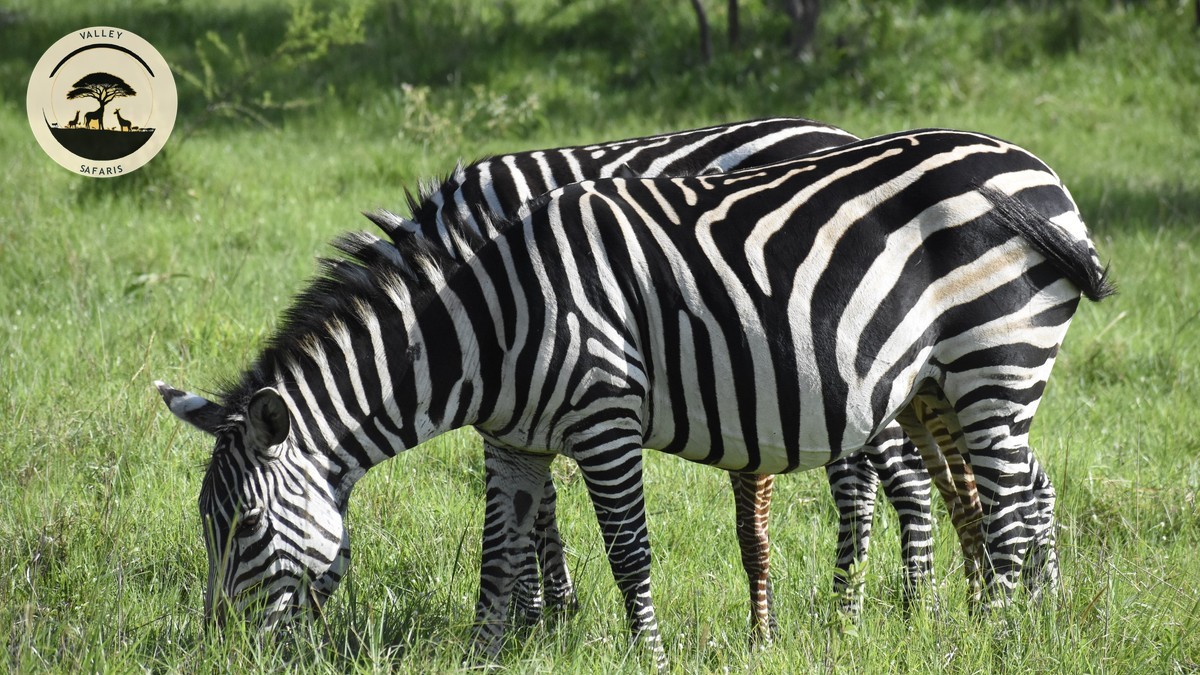
- Grevy’s zebra, the largest and most striped of all zebra species
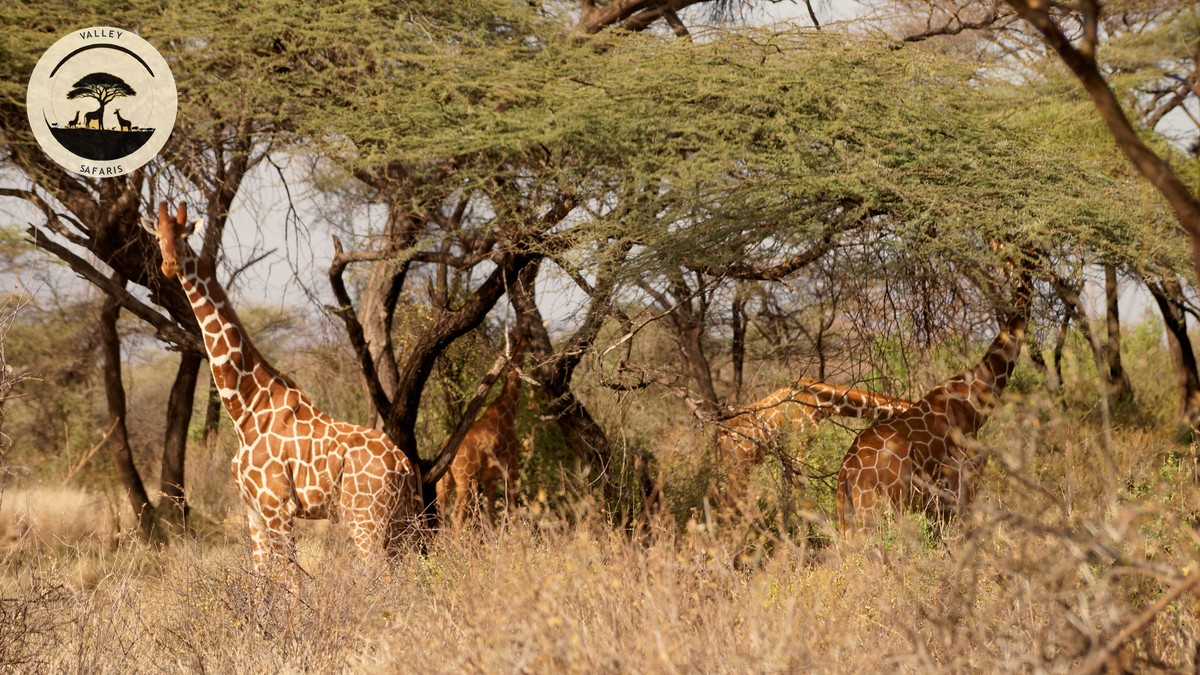
- Reticulated giraffe, with a coat pattern like cracked tiles
- Beisa oryx, a desert antelope with rapier-straight horns
- Gerenuk, the long-necked “giraffe gazelle” that browses standing on its hind legs
- Somali ostrich, with blue-grey legs instead of the pink legs of the common ostrich
None of these live in the Masai Mara or Amboseli. Their range is limited to the arid north: Samburu, Buffalo Springs, Shaba, and parts of Laikipia and Meru. If you want to see them, you have to come here.
The Five Species, One at a Time
Grevy’s zebra is the rarest of the group and one of the most endangered large mammals in Africa. Current estimates put the wild population at roughly 2,000 to 3,000 animals, almost all of them in northern Kenya and a small pocket of Ethiopia. You can tell them apart from the common plains zebra by their narrower stripes, bigger rounded ears, and white belly with no stripes at all.
Reticulated giraffe is the giraffe most photographers picture when they think of Africa, thanks to its sharp, geometric coat pattern. They browse acacia along the Ewaso Ng’iro River, often in loose groups of five to ten.
Beisa oryx can survive weeks without drinking water, pulling moisture from the plants they eat. Their straight horns can reach a metre long and are used seriously in fights between males, so keep a respectful distance if you’re on a walking safari.
Gerenuk is easy to miss until you see one rear up on its back legs to reach a branch other browsers can’t touch. That upright stance, balanced on a long thin neck, is unique among African antelope.
Somali ostrich was only classified as a separate species from the common ostrich in 2014. Males turn a striking blue-grey during breeding season, especially on the legs and neck, which is the fastest way to identify one from a vehicle.
None of the Special Five is considered dangerous to humans in the way lion or buffalo are, though oryx horns and territorial ostrich males deserve caution on foot.
Samburu Special Five vs. Samburu Big Five
Samburu also has its own take on the Big Five, and comparing the two lists helps explain why serious wildlife travelers add this reserve to their Kenya itinerary instead of treating it as optional.
| Feature | Samburu Big Five | Samburu Special Five |
|---|---|---|
| Species | Lion, leopard, elephant, buffalo, rhino (reintroduced) | Grevy’s zebra, reticulated giraffe, Beisa oryx, gerenuk, Somali ostrich |
| Found in the Mara? | Yes, all five | No, none of the five |
| Conservation status (most threatened member) | African lion, Vulnerable | Grevy’s zebra, Endangered |
| Best reason to prioritize | Classic, dramatic sightings | Species you can only see up here |
| Typical sighting difficulty | Moderate to hard (leopard, rhino) | Easy to moderate (most seen daily) |
If you already have Big Five photos from the Mara, the Special Five is where a Samburu trip earns its place on a repeat itinerary. If this is your first Kenya safari, ask us about balancing both, since Samburu still has healthy lion and elephant numbers along the Ewaso Ng’iro.
Where to See Them: Samburu, Buffalo Springs, and Shaba
Most travelers say “Samburu” and mean three separate reserves sitting side by side, split by the Ewaso Ng’iro River. Treating them as one spot, like most blog posts do, misses the point. Each has a different character, and a same-day circuit between them is realistic if your camp is well positioned.
| Reserve | Size | Distance from Nairobi | Entry fee (non-resident, per adult/24hrs, indicative) | Character |
|---|---|---|---|---|
| Samburu National Reserve | 165 sq km | About 325 km by road (5-6 hrs), or 1 hr by air to Samburu/Kalama airstrip | Around USD 100 | Best density of Special Five, river frontage, busiest of the three |
| Buffalo Springs National Reserve | 131 sq km | Same access road, just south of the river | Around USD 100 | Quieter, natural springs, good oryx and gerenuk country |
| Shaba National Reserve | 239 sq km | About 20 km east of Samburu gate | Around USD 100 | Wildest and least visited, dramatic lava rock scenery, the reserve where Joy Adamson was based rehabilitating a leopard in her later years |
Fees change often, so treat these as an indicative range and confirm current Kenya Wildlife Service and county rates before you book. A single vehicle permit can often cover a same-day loop through Samburu and Buffalo Springs since they share a boundary, which is the circuit we build into most Valley Safaris itineraries here.
For photography, early morning (6:30 to 9:00 am) and the last two hours before the 6:30 pm gate closing give the best light and the most animal movement, especially for gerenuk feeding and oryx heading to water.
Best Time of Year
June through October and January through February are the driest stretches, when animals cluster near the Ewaso Ng’iro River and sightings come easily. The short rains in November and the long rains from March to May green up the bush fast. That makes photography harder but bird life spectacular. Grevy’s zebra and Beisa oryx are visible year-round since they don’t migrate, unlike the wildebeest further south.
Where to Stay
Camp choice decides how much of the Special Five you actually see. Some properties sit right on prime oryx and gerenuk ground, while others are better for river-based elephant and leopard viewing.
- Elephant Bedroom Camp, on the river inside Samburu National Reserve, roughly USD 450 to 600 per person per night (indicative, high season, full board). Best for river frontage and elephant sightings alongside Special Five game drives.
- Saruni Samburu, a small hillside camp overlooking Kalama Conservancy, roughly USD 600 to 800 per person per night (indicative). Strong for walking safaris where you can approach oryx and gerenuk on foot with a Samburu guide.
- Sasaab, on the Buffalo Springs side of the river, roughly USD 550 to 750 per person per night (indicative). Known for camel treks that reach gerenuk territory most vehicles miss.
- Samburu Sopa Lodge, mid-range option near Buffalo Springs, roughly USD 250 to 350 per person per night (indicative). Good value base for a Samburu and Buffalo Springs same-day circuit.
- Sarova Shaba Game Lodge, the main option inside Shaba itself, roughly USD 200 to 300 per person per night (indicative). Worth it if you want a night away from the Samburu crowds.
Rates shift by season and currency, so treat these as a planning range rather than a quote. We’ll confirm exact pricing and availability once we know your travel dates.
Is Samburu Worth Adding to a Mara Itinerary?
Honestly, it depends on your time. Flying Nairobi to Samburu takes about an hour, and Samburu to the Mara is roughly two hours by light aircraft with a stop in Nairobi. That’s a full extra day of flying if you want both. For a first-time Kenya trip with seven to ten days, we usually recommend Mara and Amboseli or Mara and Lake Nakuru instead, since Samburu’s animals are genuinely different rather than just more of the same.
For a second or third Kenya trip, Samburu earns its place. Pair it with a couple of nights in Laikipia for rhino tracking, and you have a completely different safari from your first one, without repeating a single game drive. If you’re curious about other species groupings worth chasing, the Ugly Five is another lesser-known animal grouping worth tracking down. Meru National Park, further east, is one of Kenya’s most underrated parks if you want to extend the northern circuit, and it’s the actual home of Elsa the lioness from Joy Adamson’s “Born Free,” not Shaba.
The Valley Safaris Difference
We’ve planned enough repeat trips to know that most travelers asking about the Special Five have already done the obvious Kenya route. So we don’t just hand you a five-species checklist. We build the actual driving loop between Samburu, Buffalo Springs, and Shaba around your camp’s location, so you’re not backtracking across the same road twice. We check park fees and camp rates against what’s current before you pay for anything, not what a blog said two years ago. And our guides know the difference between a Grevy’s zebra and a plains zebra at 200 metres, which matters when gerenuk and Beisa oryx can vanish into thorn scrub in seconds. If you also want help telling similar species apart once you’re out there, our field guide to telling similar-looking species apart covers cheetah versus leopard the same way.
FAQ
Why are they called the Samburu Special Five? Because these five species live only in Kenya’s arid north and don’t appear on a standard Mara or Amboseli game drive.
Can I see the Samburu Special Five in the Masai Mara or Amboseli? No. Their range is limited to arid habitat in Samburu, Buffalo Springs, Shaba, Laikipia, and parts of Meru.
Which of the Special Five is rarest? Grevy’s zebra, with roughly 2,000 to 3,000 left in the wild and an Endangered listing.
Can you see the Special Five on a walking safari? Yes. Oryx, gerenuk, and giraffe are all commonly seen on foot with camps like Saruni Samburu, though keep distance from oryx horns.
Is it worth combining Samburu with the Mara on one trip? Only if you have ten or more days. Otherwise, save Samburu for a return visit so each trip feels distinct.
Plan Your Samburu Trip With Us
If the Special Five sounds like the right next chapter after your Mara trip, we’d love to help you build it properly, camp by camp and drive by drive. Have a look at our Samburu and Laikipia safari page or get in touch through our contact page and we’ll start mapping out dates.