If you have never been on safari, the schedule can feel like a mystery. Do you wake up at dawn every day? Is there real food out there? What happens if you need a toilet break halfway through a game drive? I have planned hundreds of these trips, and the questions are always the same. Here is a typical day on Kenya safari schedule, hour by hour, with real numbers instead of guesswork.
The Night Before and the Wake-Up Call
Most camps knock on your tent between 5:30am and 6:00am, often with a tray of tea or coffee and a couple of biscuits. It feels early, but there is a reason. Predators like lions and leopards hunt through the night. They are often still active and visible in that first hour after sunrise, before the heat sends them into the shade. By 8am, a lot of the best action has already settled down.
You will hear camp staff call this the “wake-up call.” Yes, it is a literal knock or a soft voice outside your tent, not an alarm clock. Bring a headlamp. Most camps do not light the paths brightly after dark. This is partly for atmosphere and partly because bright lights disturb wildlife moving through camp at night.
Morning Game Drive
Game drives in Kenya’s national parks and reserves, including the Masai Mara National Reserve, run on official gate hours: 6:00am to 6:00pm. Your guide will usually roll out by 6:15am to catch the early light and the tail end of nighttime hunting activity.
A typical morning drive lasts three to four hours. In the Masai Mara itself, sightings can draw a cluster of vehicles quickly. How vehicle crowding can affect your game drive schedule in the Masai Mara is worth understanding before you go. It shapes how your guide times and routes the drive. In private conservancies bordering the reserve, vehicle numbers are capped, so your guide has more room to work and can hold a sighting longer.
Bush Breakfast
Around 9:00am, many guides pull the vehicle over at a scenic spot, a riverbank or a rise with a view. They lay out a folding table with a full breakfast: eggs, sausages, fresh fruit, and coffee brewed on a gas burner. It is one of the small moments that makes a safari morning memorable. You might eat breakfast within earshot of hippos or a distant herd of elephant.
If a bush breakfast is not on the plan that day, you will head back to camp by 9:30am or 10:00am. A sit-down breakfast waits in the mess tent instead.
Midday Rest at Camp
By late morning, the heat rises and most animals bed down in shade. Guides use this window, roughly 11:00am to 3:00pm, for rest. This is not wasted time. It is when you nap, read on your veranda, or take a dip in the camp pool if there is one. Or you simply watch birds from your tent.
Lunch is usually served between 1:00pm and 1:30pm. It is either a plated meal in camp or, at some properties, another bush setup under a fig tree.
Afternoon Activities
From about 3:00pm, options open up depending on where you are staying. In national parks like the Masai Mara or Amboseli, your choices are largely limited to resting or a second game drive. In private conservancies like Mara North or Naboisho, and in conservancies like Lewa that allow night drives and walking safaris, guides can offer more. Options include a guided bush walk or a visit to a local Maasai or Samburu village. After dark, some camps run a spotlight night drive to look for genets, bushbabies, and hunting leopards.
This is one of the biggest practical differences between a national park stay and a conservancy stay. It is worth asking about when you book.
Evening Game Drive and Sundowners
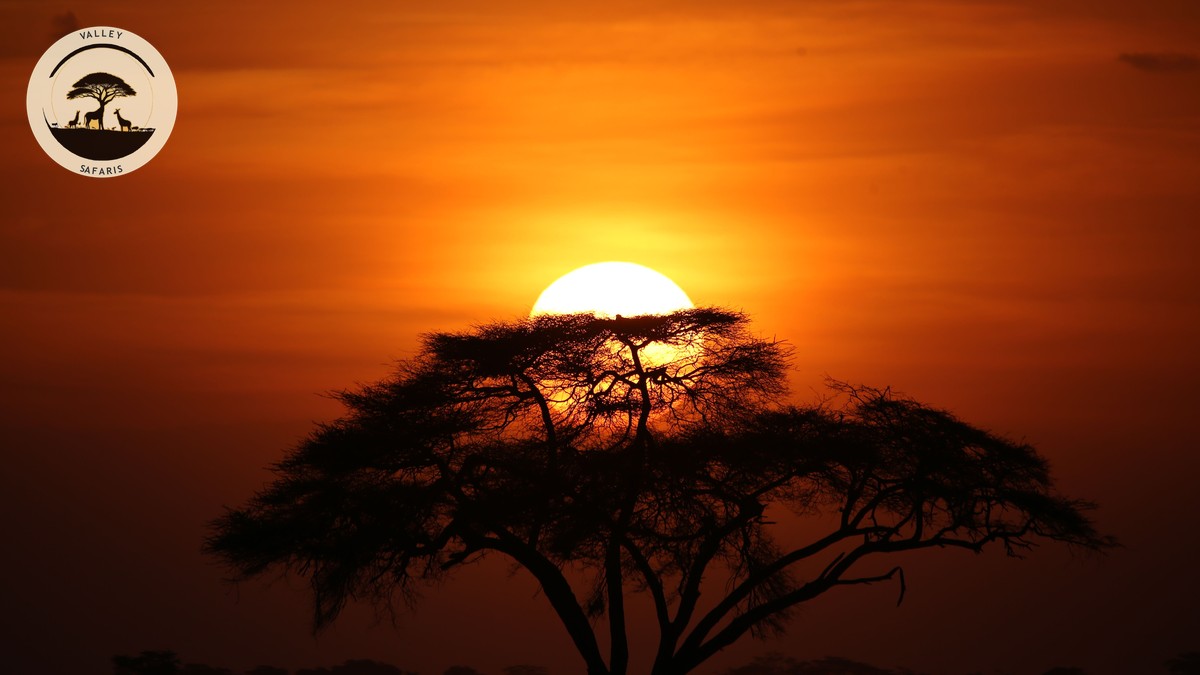
The second game drive usually leaves camp around 4:00pm. It runs until close to the 6:00pm gate closing time in parks, or a little later in conservancies. Guides often time the route to end at a scenic spot for sundowners. Expect a folding table, cold Tusker beers or gin and tonics, and a view over the plains as the light turns gold. It is a quiet, unhurried half hour that most guests remember as much as any big cat sighting.
Dinner, Campfire, and Bedtime
Dinner is typically served between 7:30pm and 8:00pm, often three courses, sometimes around a campfire under a genuinely dark sky. Camps without heavy light pollution offer some of the clearest stargazing you will find anywhere.
Bedtime tends to come early, by 9:30pm or 10:00pm, partly because the next wake-up call arrives fast. Most camps insist on an escort back to your tent after dark, since animals do wander through camp at night. This is standard practice, not a special precaution just for you.
Safety and Bush Practicalities
Vehicles stay on marked tracks and keep a respectful distance from wildlife, generally at least 20 to 25 meters. The exact distance depends on the animal and the guide’s judgment. Guides are trained to read animal behavior and will never push a vehicle closer than an animal is comfortable with.
For toilet breaks during a game drive, your guide will find a safe, open spot to stop. They scan the area, then let you step out briefly. It is informal but it works, and every guide has done it hundreds of times. Some conservancies also have simple long-drop toilets at scenic viewpoints for exactly this purpose.
Tipping Your Driver-Guide and Camp Staff
Tipping is expected in Kenya and it matters to the people who make your trip work. As a rough guide, plan on USD 15 to 20 per day for your driver-guide. Camp staff usually receive USD 10 to 15 per day, split through a communal tip box. For a longer view on this and other customs, see our tipping and etiquette guide for your safari day. It covers what is appropriate at different types of camps.
How a Typical Day on Kenya Safari Schedule Shifts by Location
The exact rhythm of your day depends heavily on where you are. Here is how it typically compares across some of Kenya’s best-known parks and conservancies. Figures below are indicative ranges, since fees and policies do change.
| Location | Distance from Nairobi | Drive Time | Fly Time (from Wilson Airport) | Gate Hours / Night Drives | Approx. Fee (per person, per day) |
|---|---|---|---|---|---|
| Masai Mara National Reserve | ~270 km | 5 to 6 hours | ~45 minutes | 6am to 6pm, no night drives | USD 80 to 100 (indicative) |
| Mara North / Naboisho Conservancies | ~275 km | 5 to 6 hours | ~45 minutes | Flexible, night drives allowed | USD 90 to 120 (indicative) |
| Lewa Wildlife Conservancy | ~280 km | 5 to 6 hours | ~1 hour | Flexible, night drives and walks allowed | USD 100 to 130 (indicative) |
| Amboseli National Park | ~240 km | 4 to 5 hours | ~45 minutes | 6:30am to 6:30pm, no night drives | USD 60 to 80 (indicative) |
| Samburu National Reserve | ~325 km | 6 hours | ~1 hour | 6am to 6:30pm, limited flexibility | USD 70 to 100 (indicative) |
Fly-In vs Road Safari: How the Schedule Changes
On a road safari, one or two travel days get eaten up by long drives between parks, which cuts into game drive time. A fly-in circuit trades that driving time for short hops of 45 minutes to an hour between airstrips. You land close to camp and can be out on your first game drive within a couple of hours. The trade-off is cost. Fly-in itineraries generally cost more because of charter and scheduled flight fees. In exchange, they buy back full days of your trip for actual wildlife time instead of tarmac.
How Many Days You Need, and When to Go
For a first safari, five to seven days lets you settle into the rhythm above without feeling rushed. Most guests split this time between two or three camps. Three days is workable but tight, mostly one park and little room for a bad-weather day.
The classic high season runs from late June through October. This is when the Great Migration crosses the Mara River and the dry grass makes animals easier to spot. January and February offer good value and calving season in the southern plains, with fewer crowds and lower prices.
The Valley Safaris Difference
Every guide who works with us has spent years learning specific stretches of bush, not just a park in general. That is the difference between a driver who follows radio chatter and a guide who reads fresh tracks. It is knowing which fig tree a leopard likes at 4pm. We also build real flexibility into each day. If a sighting is worth staying for another twenty minutes, your guide has the room to make that call. There is no rush to the next stop on a fixed script. We also work with a mix of national park camps and private conservancies like Lewa. That means we can design your week around the activities that matter most to you, whether that is a dawn balloon flight or a walking safari at sunset.
Plan Your Days with Us
Now that you know roughly how each day unfolds, the real planning is about which parks, camps, and pace fit you best. Have a look at our Kenya safari tours or get in touch through our contact page. We will build a day-by-day schedule around what you actually want to see.