Every first-time safari guest asks the same question at the briefing table. Will we see the Big Five? It’s a fair question. But after twenty years of putting guests in vehicles across Kenya, I’ve learned the small stuff often makes the best stories around the campfire.
Ask any guide about the elephant shrew and watch their face light up. These five tiny creatures rarely make the postcards, but they turn a good safari into a great one. This guide is your big five little five safari kenya plan: how the two lists fit together, and how to actually see both without wasting a single game drive.
What Is the Big Five, and Why That Name?
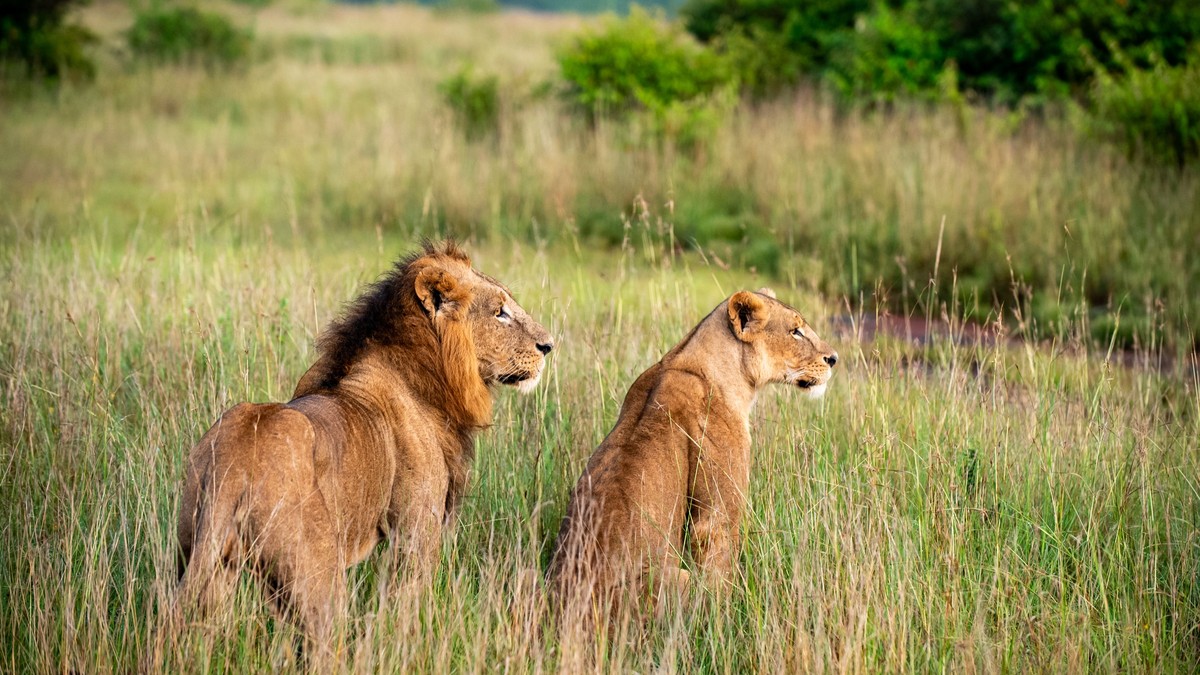
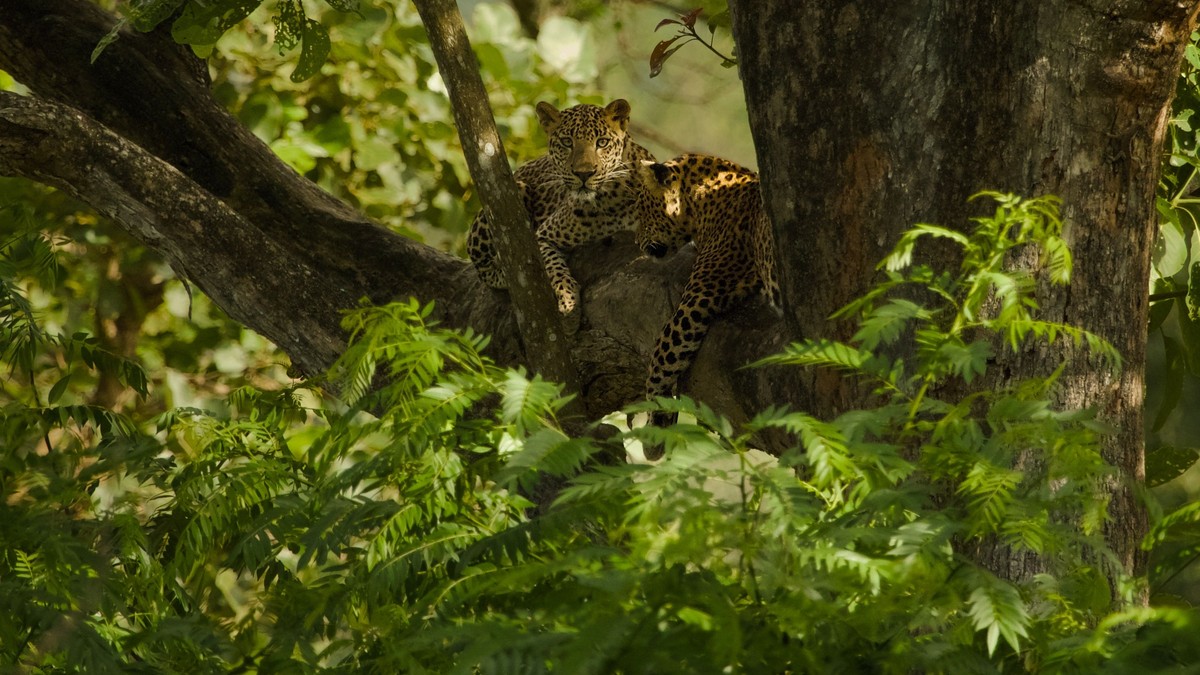
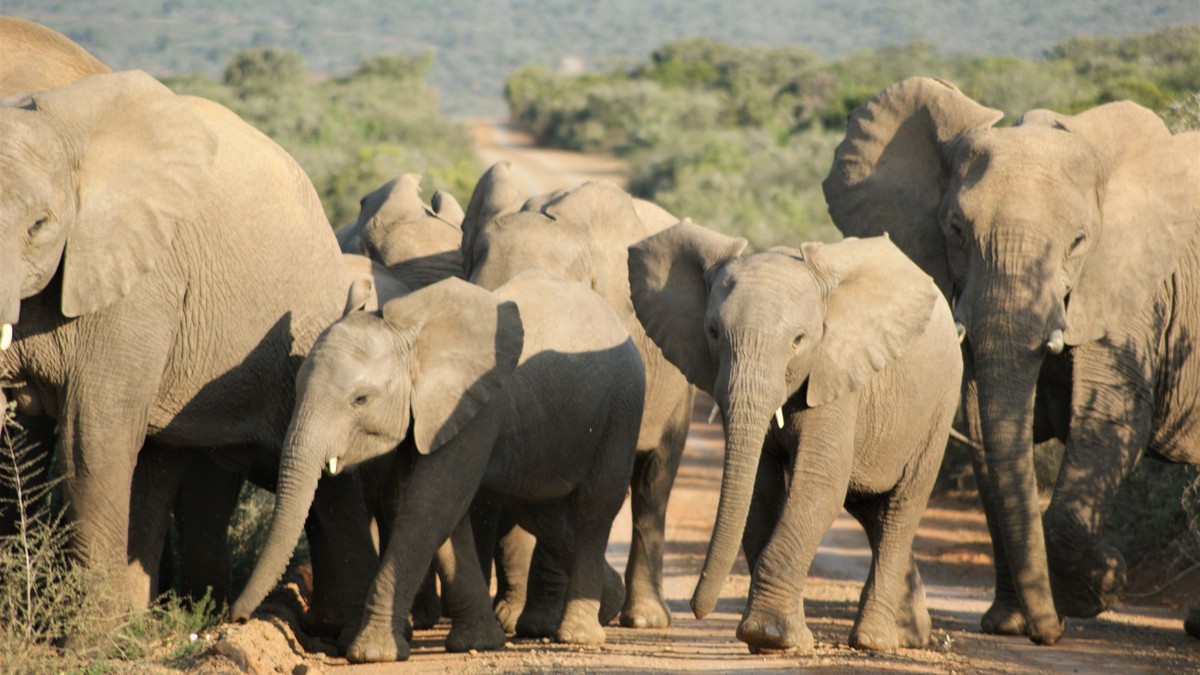
The Big Five are lion, leopard, African elephant, Cape buffalo, and black rhino. The name has nothing to do with size or popularity. It comes from 19th and early 20th century big game hunters, who ranked these five as the hardest and most dangerous animals to hunt on foot.
That hunting history feels uncomfortable now, and it should. Today the term survives purely as a photography and viewing checklist. No safari operator in Kenya is chasing trophies. We’re chasing sightings, and the name just stuck because it’s memorable.
Buffalo surprise most guests. They look like slow-moving cattle, but old bull buffalo, often pushed out of the herd, are responsible for more guide injuries than lion. Respect the list. It was built on real danger.
What Is the Little Five, and Where Did the Name Come From?
Someone in the safari industry, probably a clever marketer in the 1990s, noticed guests loved the Big Five naming convention. So they built a matching set out of small animals whose names echo the originals:
- Elephant shrew (instead of elephant)
- Antlion (instead of lion)
- Leopard tortoise (instead of leopard)
- Buffalo weaver (instead of buffalo)
- Rhinoceros beetle (instead of rhino)
It’s a fun bit of naming, not a scientific grouping. But it does something useful. It gives guests a reason to look down and sideways during a game drive, not just straight ahead at the horizon.
Meet the Little Five
Elephant shrew. A mouse-sized insect eater with a long flexible snout that looks like a tiny trunk. Fast, shy, and genuinely hard to spot. Best chance is a quiet walking safari at dawn.
Antlion. Not the insect you picture flying around a lamp. This is the larva stage, which digs small funnel-shaped pits in sandy soil to trap ants. You’re looking for a hole in the dust, not a bug in the air. Guides in Amboseli’s sandy patches are good at finding these pits.
Leopard tortoise. The easiest of the five by far. Named for its spotted shell pattern, it grows up to 40 cm long and wanders across open grassland in full daylight. Most guests spot one without even trying.
Buffalo weaver. A noisy black bird that builds huge untidy stick nests in acacia trees, often in colonies of a dozen or more nests per tree. Common around Meru and the Mara. Easy to hear before you see it.
Rhinoceros beetle. Named for the horn on the male’s head. Mostly nocturnal, so daytime sightings depend on luck or a guide flipping over old logs and dung piles.
Where to See the Big Five in Kenya
Masai Mara National Reserve is still the most reliable single spot for four of the five, though black rhino numbers there are low. Amboseli is famous for elephant herds against the Kilimanjaro backdrop. Lake Nakuru National Park has a fenced rhino sanctuary with both black and white rhino, plus healthy lion prides.
| Park | Distance from Nairobi | Drive time | Non-resident park fee (indicative) | Best Big Five strength |
|---|---|---|---|---|
| Masai Mara National Reserve | 270 km | 5 to 6 hours by road, 45 min flight | USD 70 to 100 per day | Lion, leopard, buffalo, elephant |
| Amboseli National Park | 240 km | 4 hours | USD 60 to 82 per day | Elephant, buffalo |
| Lake Nakuru National Park | 160 km | 2.5 to 3 hours | USD 50 to 60 per day | Black and white rhino, lion |
| Ol Pejeta Conservancy | 200 km (via Nanyuki) | 3.5 to 4 hours | USD 90 to 110 per day | Black and white rhino, lion |
Fees change often and vary by season and residency status, so treat these as an indicative range and confirm current rates before booking. Fees are usually charged in USD but payable in KES equivalent at the gate.
Where to See the Little Five in Kenya
This is where the trip gets interesting, and where most blog posts stop being useful. The Little Five don’t live in one obvious park. You need places with the right habitat and guides trained to look for small things.
Ol Pejeta Conservancy, near Nanyuki, pairs its rhino sanctuary with guided walks where trackers regularly point out antlion pits and buffalo weaver nests. Lewa Wildlife Conservancy, about 45 minutes further north, is one of the best conservancies that allow walking safaris, and its dry acacia scrub is good ground for elephant shrew if you’re patient. Meru National Park, roughly 280 km northeast of Nairobi and about 5 to 6 hours by road, has thick riverine bush where buffalo weaver colonies are common and leopard tortoises turn up on the open plains.
Masai Mara and Amboseli work too, since leopard tortoise and buffalo weaver show up almost anywhere. But antlion and elephant shrew are genuine long shots without a guide who specifically looks for them.
Can You See Both on a Big Five Little Five Safari Kenya Trip?
Yes, but be realistic about it. A typical seven-day Kenya itinerary might run three nights in the Mara for the Big Five, then two nights at Ol Pejeta or Lewa where a walking safari adds the Little Five as a bonus activity, not a separate trip.
Think of the Little Five as a layer on top of your main safari, not a reason to book one on its own. A standalone Little Five safari would mean a lot of driving and searching for animals that, frankly, aren’t dramatic enough to justify the fuel cost.
Tips for Actually Spotting the Little Five
Here’s the honest version, not the marketing version.
- Go on foot. Vehicles move too fast and stay on tracks. Walking safaris in conservancies like Ol Pejeta and Lewa let guides stop and search dung piles, sand patches, and low branches.
- Bring binoculars, but expect to use your eyes more. Most of these sightings happen at close range, under two meters.
- Ask for a specialist guide. Not every guide hunts for small species. Before you book, run through a list of questions to ask your safari operator, including whether Little Five spotting is something your specific guide actually practices.
- Set realistic odds. In my experience over many trips, leopard tortoise and buffalo weaver show up on nearly every walk. Rhinoceros beetle and antlion sightings happen maybe half the time. Elephant shrew is the hardest, and even skilled trackers strike out on a given morning.
- Early morning wins. Cooler temperatures bring out ground-dwelling insects and small mammals before the heat pushes them into shade.
Other Animal Groupings Worth Knowing
Kenya and southern Africa have layered on a few more naming conventions over the years. The Ugly Five (wildebeest, hyena, warthog, marabou stork, vulture) celebrates Africa’s less photogenic survivors. The Shy Five (aardvark, aardwolf, bat-eared fox, meerkat, porcupine) are all nocturnal or burrow-dwelling and hard to see on a standard drive. Samburu National Reserve has its own Samburu Special Five, five species found there and barely anywhere else in Kenya: Grevy’s zebra, reticulated giraffe, Somali ostrich, gerenuk, and Beisa oryx.
None of these are official or scientific lists. They’re memory hooks that make a long game drive more rewarding, one small discovery at a time.
Conservation Angle Worth Mentioning
The Little Five rarely get conservation attention because they’re not charismatic and not endangered in most cases. But healthy populations of buffalo weaver and antlion signal a healthy insect ecosystem underneath the animals everyone photographs. Guides who point these out are quietly teaching guests that a safari is about the whole habitat, not five trophy sightings.
The Valley Safaris Difference
We don’t treat the Little Five as a gimmick. When we build an itinerary that includes Ol Pejeta or Lewa, we specifically request guides who track and enjoy pointing out small species, not just the guides assigned to your vehicle by default.
We’re also honest about odds before you pay for an add-on walking safari. If you’re traveling in a season when elephant shrew sightings have been rare, we’ll tell you that upfront rather than oversell it. And because we plan the logistics ourselves, we know exactly which lodges near Meru and Nanyuki have guides with a real interest in this kind of tracking, not just a script.
We’ll also help you time the trip well. If photography matters to you, our guide on the best time for wildlife photography in Amboseli covers light conditions that work for both elephant herds and smaller ground-level subjects.
Plan Your Trip
If chasing all ten, Big Five and Little Five, sounds like your kind of safari, we’d love to help you build it. Have a look at our Kenya safari tours or reach out through our contact page and we’ll put together an itinerary that fits your time and budget.