Short answer: yes, it is safe, and thousands of guests sleep through it every week in the Maasai Mara without incident. But “safe” is not the same as “risk-free,” and safari tent safety predators night questions deserve a real answer, not a brochure line.
I’ve put guests into both fenced lodges and open-sided canvas tents in unfenced conservancies. The honest picture sits between the two extremes you’ll find online: the reassuring “predators think your tent is a rock” articles, and the campfire stories that make lions sound like they’re stalking the zipper. Let’s get specific about what actually keeps you safe.
Safari Tent Safety Predators Night: The Short Answer First
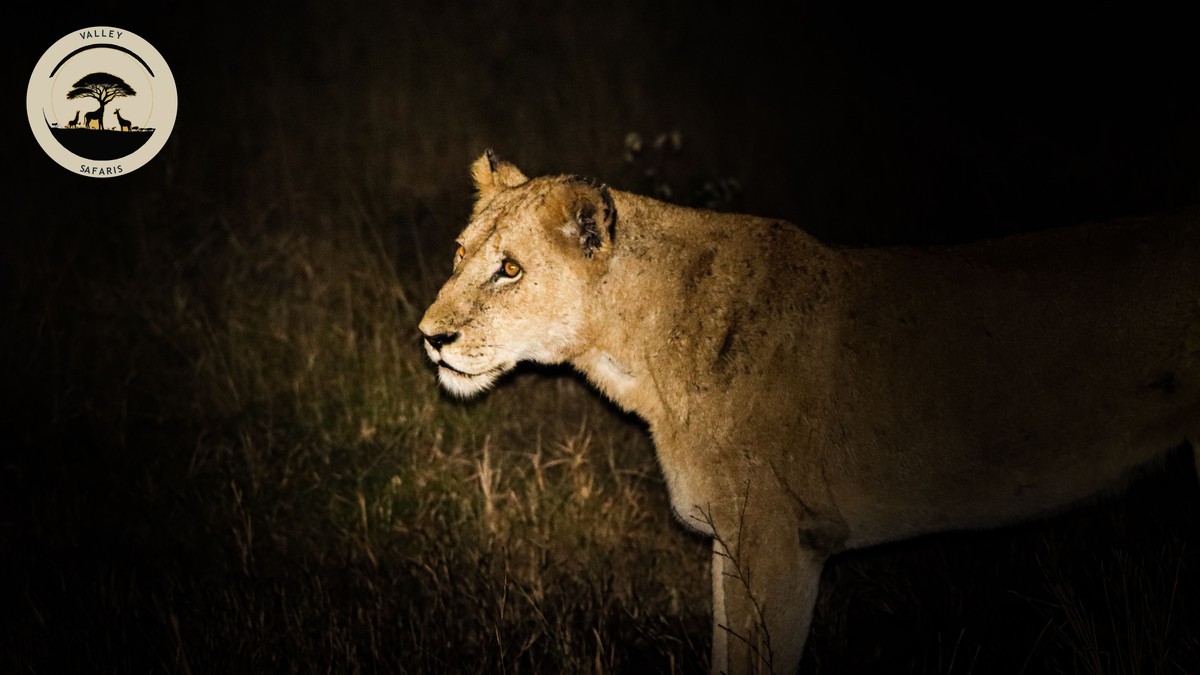
Lions, leopards, and elephants walk through camps most nights during the dry season, June to October especially. Serious incidents involving guests inside a properly zipped tent are extremely rare. Most operators I know, including the camps we book through Valley Safaris, haven’t had one in decades of operation. The animals aren’t hunting you. Camps sit on well-used wildlife corridors, so the traffic is routine, not targeted.
The real risk sits outside the tent, not inside it. It happens when someone unzips the flap at 2am to look at a noise, or walks to the mess tent alone without calling for an escort.
How Predators Actually Perceive a Tent
A canvas tent doesn’t look, smell, or move like prey to a lion or leopard. Predators hunt by recognizing shape and movement patterns built over a lifetime of tracking antelope and buffalo. A static canvas structure doesn’t register as food. Guides in Naboisho Conservancy describe lions walking within two or three metres of tent walls, sniffing once, and moving on, the same way they’d pass a termite mound.
Hyenas are the exception, and I’ll come back to them, because they behave differently around camps than cats do.
Tent Construction and Material Quality
Not all tents are equal. Reputable camps use heavyweight canvas, 300 to 400 grams per square metre, over steel or timber frames, with reinforced zips and a second interior mesh layer for airflow without gaps. Cheaper mobile setups sometimes use lighter canvas that sags and lets zips jam. When you’re comparing camps, ask what the tent walls are made of. It’s a fair question, not a paranoid one.
Camp Security: Guards, Escorts, and Night Patrols
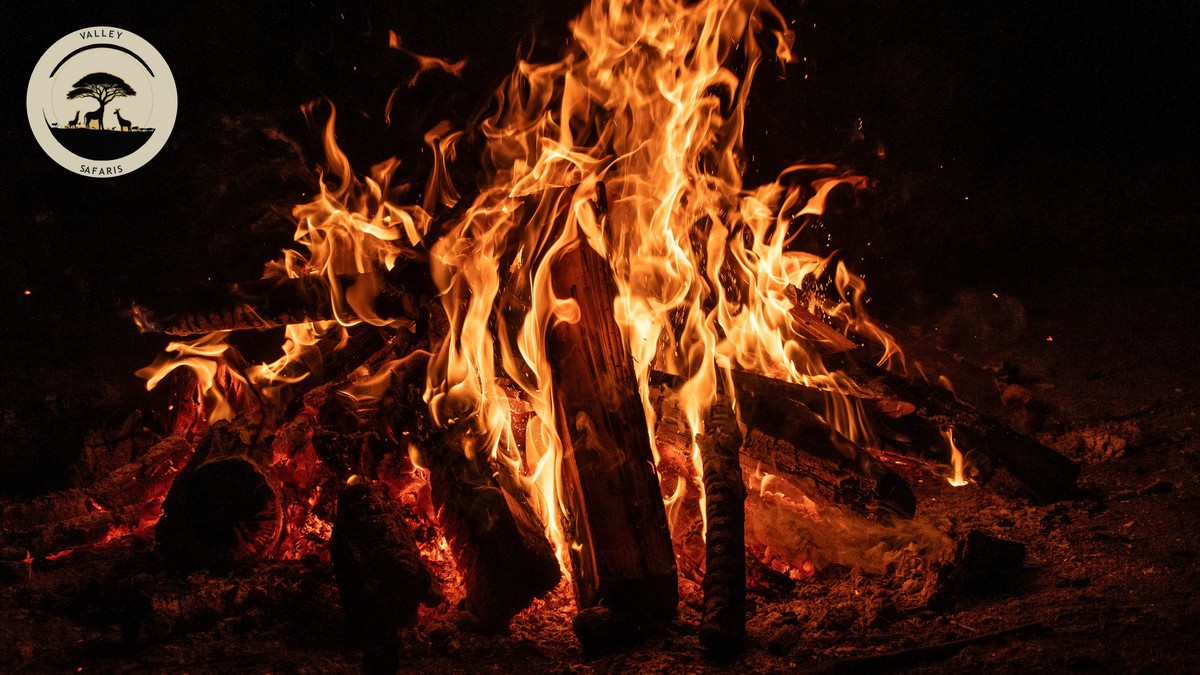
Every legitimate camp in the Mara ecosystem runs an askari (guard) system after dark. Typically one or two Maasai guards patrol on foot with torches through the night, and every guest movement after dinner, even the ten-metre walk to your tent, is done with an escort. You’ll be walked to your door, and the guard checks the path is clear before you go in.
Some camps also add a call system: a whistle, a radio, or a bell inside each tent so you can summon someone rather than opening the flap yourself. Ask about this specifically when booking. It matters more than the thread count on the sheets.
Fenced vs Unfenced Camps: What Actually Changes
Here’s where most articles get vague. Fencing changes exposure, not overall safety, because the guard and escort system does the real work either way.
| Camp Type | Example Areas | Fenced? | Night Protocol | Typical Price Range (USD, per person/night) |
|---|---|---|---|---|
| Permanent lodge | Mara Serena, Amboseli Sopa | Often electric-fenced perimeter | Guards at gate, escort optional within compound | $250 to $450 |
| Unfenced conservancy camp | Mara North, Naboisho, Ol Kinyei | No fence, open corridor | Mandatory escort every trip outside tent, night patrols | $400 to $900 |
| Mobile tented camp | Seasonal Mara camps, Serengeti migration routes | No fence, camp moves with wildlife | Guard rotation, torch checks before any exit | $350 to $800 |
Fees and rates shift by season and operator, so treat these as indicative ranges rather than fixed quotes. Maasai Mara National Reserve conservation fees run around $100 per person per day for non-residents, with most conservancies charging a similar or slightly higher separate fee on top, since they fund the wildlife corridors that make unfenced camping possible at all.
Unfenced camps carry marginally higher exposure simply because nothing physically blocks a hyena or elephant from walking between tents. In practice, the escort system closes that gap. I’d still steer a first-timer travelling with young kids toward a fenced or semi-fenced property, just for peace of mind on the first night.
Rules for Guests: The Part That Actually Matters
Camps ask three things of you, and they’re the whole safety system in practice:
- Never leave your tent after dark without calling for an escort.
- Keep the zip fully closed, top to bottom, even for five minutes.
- Don’t feed, photograph through the mesh, or shine torches at animals near the tent.
Guests who get into trouble almost always broke rule one. It’s tempting to think a ten-metre dash is fine. It isn’t, and guides will tell you the same thing every briefing.
Food and Scent Management
Never keep snacks, fruit, or strong-smelling toiletries in your tent overnight. Baboons and hyenas both have sharp noses and will investigate a zipped bag of biscuits. Camps store food in the mess tent or a sealed kitchen store specifically to keep this smell away from sleeping areas. If you brought trail mix from home, hand it to your guide rather than tucking it in your daypack by the bed.
What to Do If an Animal Is Right Outside
Stay still and stay quiet. Don’t shine a torch or unzip the flap to look. Use the call system if the camp has one, or wait it out, since most visits last under a minute. Lions and elephants passing through camp are usually just walking a habitual path, not investigating your tent specifically.
Hyena Risk: The One Predator Worth Respecting
Hyenas are the animal guides actually worry about, more than lions. They’re curious, they have a strong bite, and they’ll occasionally test an object with their mouth, including a tent zip left slightly open or a shoe left outside the flap. This is why the “keep it fully zipped” rule exists. Documented hyena incidents at camps are still rare, but they’re the realistic scenario, not a lion pushing through canvas.
Reading Nighttime Sounds Without Panicking
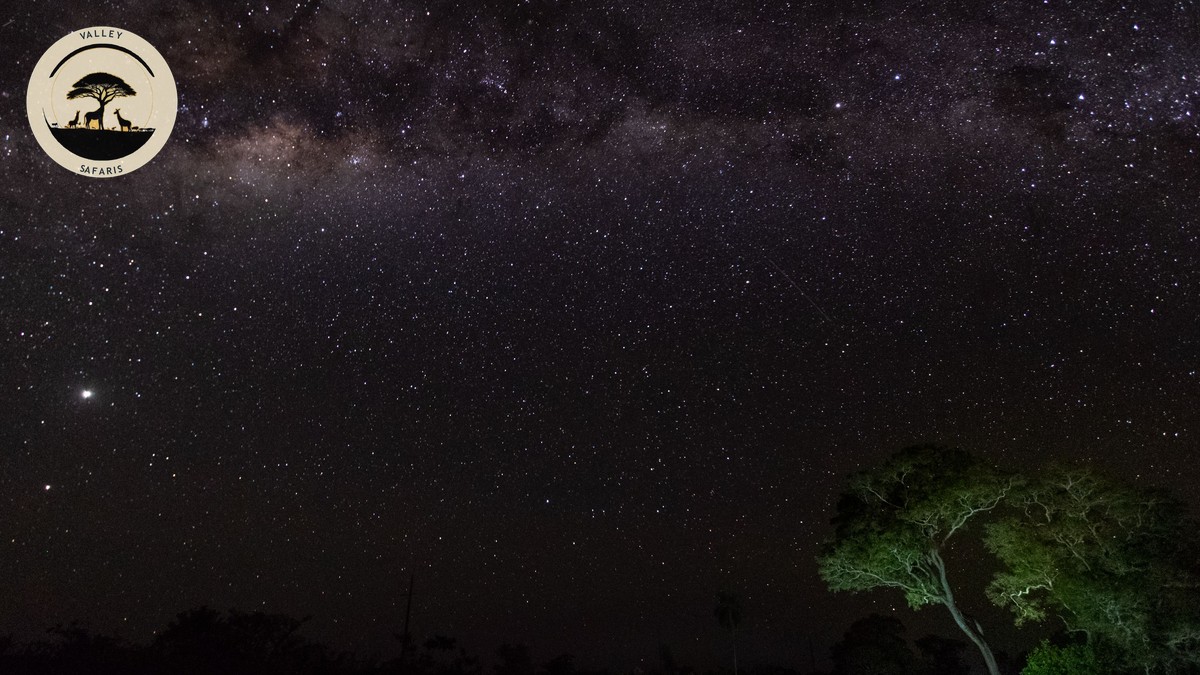
You’ll hear a lot: hyena whoops, lion roars carrying from a kilometre off, hippo grunts near rivers, and the occasional elephant rumble as it browses past your tent. Most of what sounds close is actually 100 to 300 metres away, since sound travels far on the open plains at night. Guides can usually identify a call from inside the mess tent before dinner ends, so ask them during the evening briefing what to expect.
Families, Kids, and Solo Travellers
Kids sleep fine in tented camps, and most family-friendly properties put connecting or adjacent tents together with an extra guard check. For solo travellers, especially women travelling alone, the same escort rules apply, and we cover more on this in our guide to solo female safari safety in Kenya. If you’re nervous about being alone at night, ask for a tent near the mess area rather than at the end of the row.
Choosing a Reputable Operator
Not every camp runs a tight safety protocol, and it’s worth asking directly before you book: how many guards work the night shift, is escort mandatory, and has the camp had an incident in the past five years. It also helps to understand the difference between national parks, reserves, and conservancies, since conservancy camps operate under different wildlife density and access rules than reserve lodges. For a wider view of safety planning beyond tents, see our broader guide to safari travel safety in Kenya.
Rare Incidents and How Operators Respond
Serious incidents are rare enough that most long-running camps can point to zero in their operating history. When something does happen, it’s almost always linked to a guest leaving the tent unescorted. Reputable operators respond with mandatory briefings, escort enforcement, and sometimes physical changes like better torches or added guards at problem spots. Ask your operator directly if you want specifics. A camp that answers plainly is usually the one doing it right.
The Valley Safaris Difference
We only book camps where we’ve personally checked the night protocol, not just the reviews. That means confirming guard numbers, testing the escort call system, and asking hard questions about past incidents before we put a client’s tent number on the list. We steer first-timers and families toward fenced or semi-fenced properties unless they specifically want the open conservancy experience, and we brief every guest ourselves on the three rules that actually matter before the first night. It’s a small thing, but it’s the difference between a guest who sleeps well and one who lies awake at every rustle.
Plan Your Trip With Us
If you’re weighing a fenced lodge against an open conservancy camp for your first Mara trip, we can walk you through the trade-offs honestly, camp by camp. Have a look at our Maasai Mara safari packages or get in touch through our contact page and we’ll help you pick the right camp for how you actually want to sleep at night.