If you have spent an evening with 20 browser tabs open, comparing Mara North to Naboisho to Ol Pejeta, you are not alone. Almost every first-time traveler we plan for at Valley Safaris hits this same wall while working out how to choose a safari conservancy that actually fits their trip. The names all sound similar. The websites all promise the same thing. And nobody tells you what a night actually costs until you ask.
Here is the short version. A conservancy is private or community land next to a national park or reserve, run under an agreement between landowners and safari operators. You pay a conservancy fee, usually bundled into your camp rate, and in exchange you get fewer vehicles, more activities, and land that funds the community living on it. Choosing between one is really about matching wildlife priorities, budget, and how much crowding you can tolerate.
Let’s work through it properly.
Conservancy vs National Park: What Is Actually Different
A national park, like Amboseli or Nairobi National Park, is government land managed by the Kenya Wildlife Service. A national reserve, like the Maasai Mara, is managed by the county government. Both charge a flat park fee, and both allow any licensed vehicle to drive in, which is why sightings there can get crowded.
A conservancy is different. It is private or community-owned land, usually bordering the park, leased by camps and lodges that limit how many beds and vehicles operate on it. If you want the full breakdown, we wrote a longer piece on how conservancies differ from national parks and reserves that goes into the legal and historical side.
For most first-timers, the practical difference comes down to three things: fewer people, more freedom, and a closer link to the community that owns the land.
Private, Community, and Group Ranch Conservancies
Not all conservancies work the same way.
- Private conservancies, like Ol Pejeta and Borana in Laikipia, are owned outright or leased long-term by a single trust or company.
- Community conservancies, like Naboisho and Ol Kinyei near the Mara, are made up of Maasai landowners who lease their parcels collectively through a trust.
- Group ranch conservancies sit somewhere in between, often transitioning from communal grazing land into a formal conservancy structure, as happened with Mara North.
The distinction matters because it affects how directly your fees reach individual families versus a central conservation budget. We cover this in detail in our post on where your conservancy and park fees actually go.
What You Can Do in a Conservancy That You Can’t in a Park
This is usually the deciding factor once people understand it. Inside the Maasai Mara National Reserve, night drives are banned, off-road driving is restricted, and walking safaris are not allowed at all. In Mara North, Naboisho, or Ol Kinyei, all three are standard.
That means a sundowner spotting hyenas heading out to hunt, or a bush walk with a Maasai guide reading tracks in the red soil, is a conservancy thing. Fly camping, where you sleep out under a fly sheet away from the main camp, is also conservancy-only in most of the Mara ecosystem.
How to Choose a Safari Conservancy by Wildlife Priority
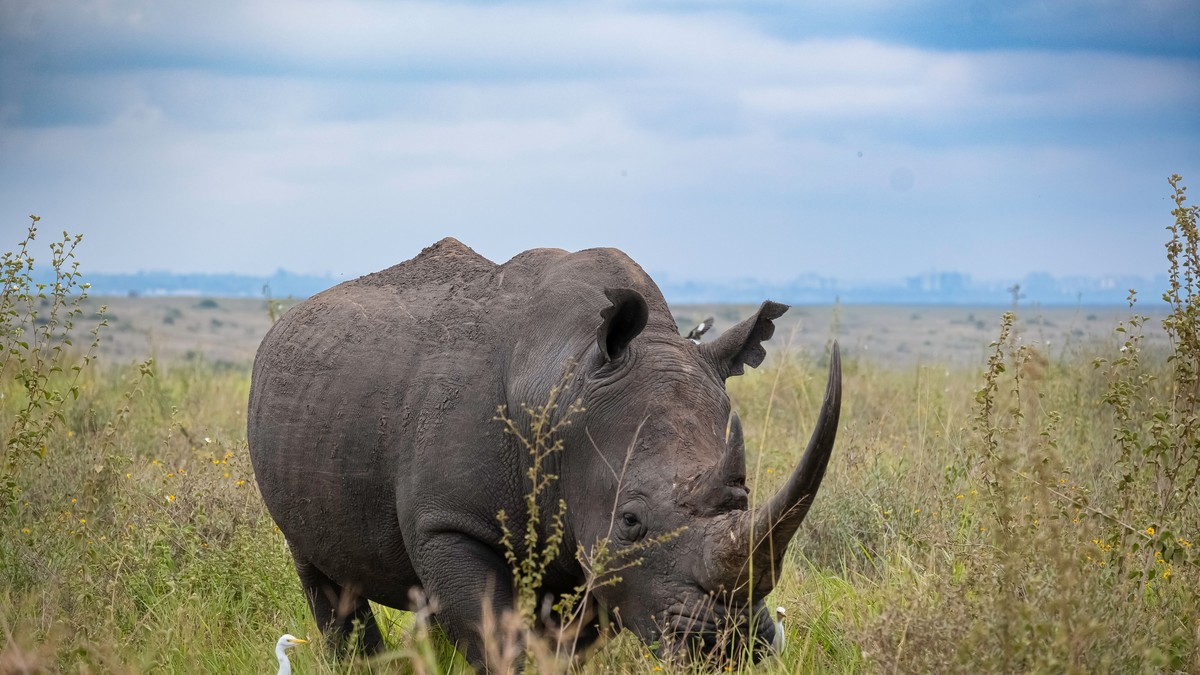
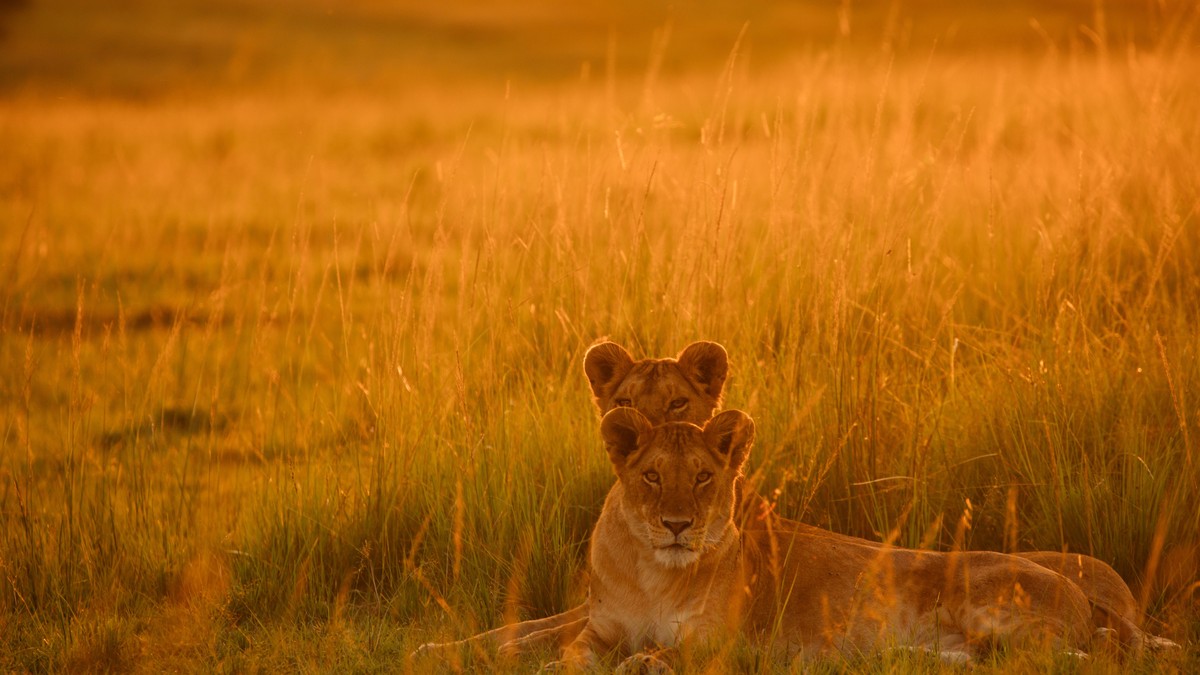
If lions are your priority, Naboisho and Mara North both hold some of the highest lion densities in the Mara ecosystem, partly because prey is abundant and vehicle pressure is low. If rhinos matter most, Ol Pejeta and Lewa in Laikipia are the honest answer. Ol Pejeta alone protects the last two northern white rhinos on earth alongside a healthy black rhino population, and Lewa has been breeding rhinos successfully since the 1980s.
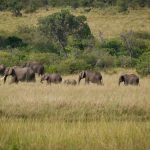
Elephants move through nearly every conservancy in both regions, but Borana and Lewa, which share an open border, give you some of the calmest elephant viewing because herds are used to slow-moving vehicles.
For the Great Migration specifically, Mara North, Olare Motorogi, and Naboisho all border the reserve directly, so wildebeest and zebra move through them from around July through October most years. You do not need to enter the reserve itself to see it.
Vehicle Limits: Why Exclusivity Is the Real Selling Point
Most established conservancies cap sightings at 5 to 6 vehicles maximum, and some, like Ol Kinyei, hold to a stricter 3-vehicle limit at any single sighting. Compare that to peak season in the Mara Reserve’s Talek or Mara Triangle zones, where a good leopard sighting can pull in 15 or more vehicles. If quiet, unhurried time with animals matters more to you than ticking off the reserve’s name, this is the number to pay attention to.
What It Actually Costs
Rates change with season and camp category, so treat these as indicative 2026 ranges rather than fixed prices. These are the kind of all-inclusive, per-person, per-night figures we quote regularly at Valley Safaris.
| Conservancy / Reserve | Conservancy or Park Fee (per person/day) | Typical Camp Rate (all-inclusive, per person/night) | Vehicle Cap at Sighting |
|---|---|---|---|
| Maasai Mara National Reserve | approx. USD 100 (non-resident) | USD 250 to 700 | Not enforced, can exceed 10 |
| Mara North Conservancy | approx. USD 100, usually bundled | USD 450 to 900 | 5 |
| Naboisho Conservancy | approx. USD 100, usually bundled | USD 400 to 850 | 5 |
| Ol Kinyei Conservancy | approx. USD 80 to 90, usually bundled | USD 350 to 650 | 3 |
| Ol Pejeta Conservancy | approx. USD 90 (non-resident) | USD 300 to 750 | 6 |
Figures are indicative ranges based on current 2026 camp quotes and published conservancy fee schedules, and will vary by camp tier and season.
What Conservancy Marketing Won’t Tell You
Conservancy brochures sell the dream well, so here is the part they leave out. Dining choice is usually fixed, one set menu a night, because camps are small and kitchens are basic by design. Phone signal is patchy or absent in Ol Kinyei and parts of Naboisho, which is a feature for some travelers and a problem for others. Single travelers often face a steeper single supplement in conservancies than in larger reserve lodges, because tented camps have fewer rooms to spread fixed costs across. None of this makes conservancies a bad choice. It just means going in with realistic expectations, not the polished version from the website.
Is a Conservancy Right for a First Safari?
For most first-timers, yes, with one condition: pair it with at least one night in the main reserve if budget allows. You get the exclusivity and activities of the conservancy plus the raw density of wildlife the Mara Reserve is famous for. It is genuinely worth combining a conservancy with the Maasai Mara National Reserve rather than choosing only one, if your itinerary has room for it.
If you are watching costs closely, Ol Kinyei or a community camp in Naboisho gives you the conservancy experience at a lower nightly rate than Mara North’s more established camps.
Outside the Mara ecosystem, Lake Elmenteita is worth knowing about too. Take a closer look at the Soysambu Conservancy if you want a shorter, more affordable add-on near Nakuru, good for flamingos, giraffe, and a change of scenery from the Mara.
The Valley Safaris Difference
We do not sell conservancies as a package deal. Every itinerary we build starts with a conversation about what you actually want to see and how you like to travel, then we match that to specific camps we have stayed in ourselves. If lions matter most, we will steer you toward Naboisho over a generic Mara add-on. If your budget is tight, we will say so plainly rather than upselling a camp that stretches it.
Our guides also know the informal side of each conservancy, which camps have the best walking guides, which waterholes are quiet in dry season, and where a sunset picnic can be arranged without a fuss. That local knowledge, built over years of running trips here, is what turns a good sighting into the story you tell for years.
Frequently Asked Questions
What is the difference between a conservancy and a national park in Kenya? A national park or reserve is government or county-managed land with open vehicle access. A conservancy is private or community land bordering it, with limits on vehicles and beds.
Are private conservancies worth the extra cost? For most travelers, yes, because you pay for fewer vehicles per sighting and access to night drives, walking safaris, and off-road tracking that parks do not allow.
Do conservancy fees actually go to the local community? In community conservancies like Naboisho and Ol Kinyei, a large share goes directly to landowner families as lease payments. In private conservancies, fees fund conservation and anti-poaching work more directly.
How many vehicles are allowed at a sighting in a conservancy? Most cap it at 5 to 6 vehicles. Ol Kinyei holds to a stricter 3-vehicle limit.
Plan Your Conservancy Safari With Us
If you are still weighing Mara North against Naboisho, or wondering whether Ol Pejeta fits your first trip, we would rather talk it through than have you guess from a spreadsheet. Have a look at our Maasai Mara safari tours or reach out through our contact page and we will build an itinerary around what actually matters to you.