Most visitors drive right past Lake Elmenteita. They are headed to Nakuru for rhinos or Naivasha for hippos, and the smaller soda lake between them barely gets a glance out the window. That is a mistake, but I understand it. This Lake Elmenteita Soysambu Conservancy safari is not about lion kills or a hundred elephants, even if you have already done the Mara and Amboseli. What it gives you is quiet, real quiet, and some of the best birdlife in the Rift Valley.
This guide is for travelers who have seen the big names and want something different. I will be honest about what Soysambu Conservancy is and is not, what it actually costs, and how to fit it into a Kenya itinerary that already includes bigger parks.
Location, geography and distance from Nairobi
Lake Elmenteita sits in the Great Rift Valley, about 120 km northwest of Nairobi on the road to Nakuru. Most self-drive visitors reach the conservancy gate in around 2 to 2.5 hours, depending on traffic through Naivasha and roadworks near Gilgil. The lake itself is a shallow soda lake, smaller than Nakuru, fed by the Mereroni and Kariandusi streams with no outlet.
Soysambu Conservancy wraps around the lake’s southern and eastern shores. It sits between Naivasha and Nakuru, which makes it an easy stop rather than a detour, especially if you are already driving the A104 highway.
History of Soysambu Conservancy and the Delamere estate
Soysambu is private land, not a national park. It has belonged to the Delamere family since Lord Delamere first settled the area in the early 1900s. Today it covers roughly 48,000 acres and is run as a working conservancy, combining cattle ranching with wildlife conservation and tourism.
That private ownership explains a lot about how the place feels. There are no crowds of matatus and no busloads of day visitors. It also explains the rules. Soysambu is fenced land with working staff and livestock, so it operates on a booking system rather than open walk-in access, more on that below.
Wildlife: birds first, mammals second
Lake Elmenteita is part of the Kenya Lakes System UNESCO World Heritage Site, alongside Nakuru and Bogoria, listed in 2011 largely for its bird value. Over 400 species have been recorded here. Lesser flamingos gather in their thousands when soda levels are right, and the lake holds one of only three regular breeding colonies of great white pelicans in Kenya.
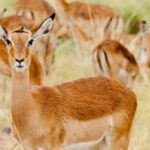
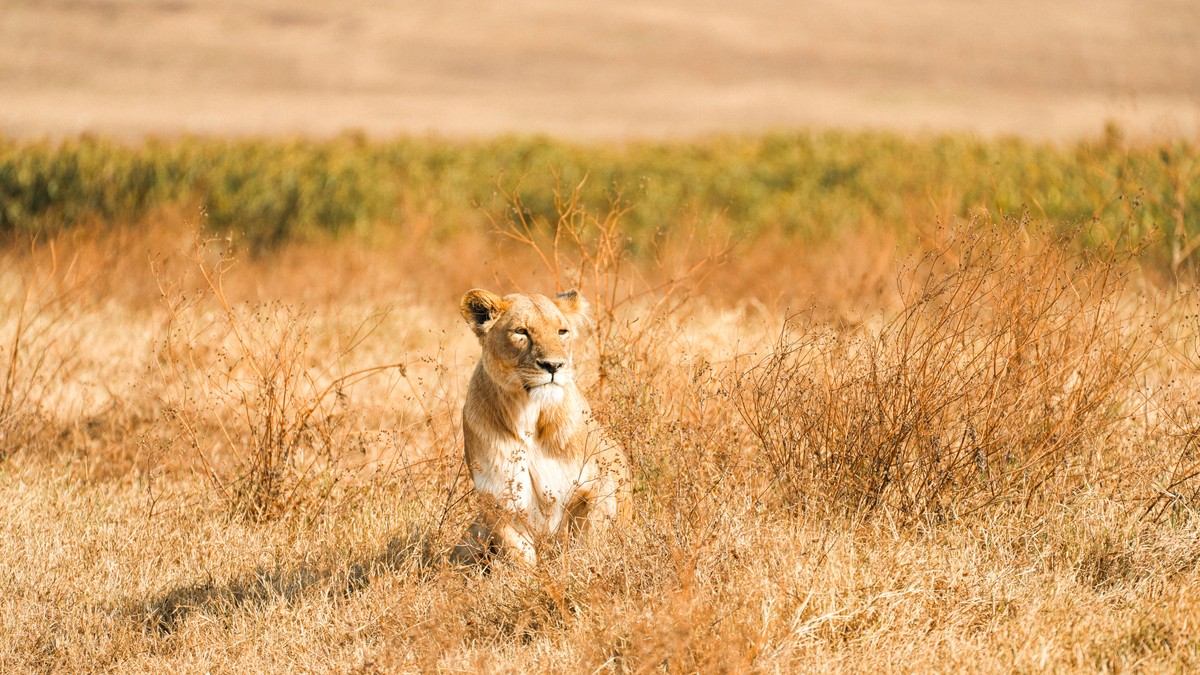
On the mammal side, expect Rothschild’s giraffe, Burchell’s zebra, eland, buffalo, and several gazelle species. Leopard are present but rarely seen, being shy and mostly nocturnal. Here is the trade-off competitors do not say plainly: Soysambu has no lions and no elephants. If you want predator sightings, this is not that trip. If you want giraffe silhouettes against a soda lake at sunset and birding that rivals anywhere in East Africa, it delivers.
Safari activities at Soysambu
Because it is private conservancy land, Soysambu offers activities you cannot do in a national park like Nakuru. Game drives are the base, but you can also add:
- Walking safaris with an armed ranger
- Horseback safaris among the giraffe and zebra
- Camel safaris for a slower pace
- Guided birding walks along the lakeshore
- Bush dinners and sundowners set up on the plains
- Fly camping for a night under canvas away from the main camps
This range of activities is really the point of visiting. You are not just ticking a species list. You are moving through the landscape in different ways, which suits a repeat visitor looking for something beyond another game drive.
How to get there
Self-drive is straightforward from Nairobi. Take the A104 towards Nakuru, and turn off near the Elmenteita weighbridge or via the Soysambu gate signposted off the highway. The last few kilometers are murram road, manageable in a normal saloon car in dry weather, better in a 4×4 after rain.
By air, the nearest airstrips are at Naivasha and Nakuru, both served by charter flights from Nairobi’s Wilson Airport, usually 30 to 40 minutes in the air. Most guests then transfer by road, around 30 to 45 minutes depending on which airstrip and which camp.
Guided transfers remove the guesswork on gate booking and road conditions, which matters more here than at a signposted national park.
Lake Elmenteita Soysambu Conservancy Safari: Entrance Fees and the Booking Requirement
This is where most blogs go vague, so let’s be specific. Soysambu Conservancy charges a conservation fee, and current published rates sit in the range of USD 47 to 50 per adult per day, with lower rates for children and East African residents. Treat this as an indicative range and confirm before you travel, since conservancy fees change without much notice.
The detail that matters more than the number: Soysambu does not run a casual walk-in gate the way Nakuru National Park does. Access is by advance booking through a camp or tour operator, since the conservancy manages visitor numbers alongside working ranch operations. Turning up unannounced can mean turning back around.
Where to stay near Lake Elmenteita
Accommodation splits clearly into three tiers, and picking the right one depends on your budget and how much comfort you want after a day of dust and birding.
Lake Elmenteita Serena Camp sits right on the lakeshore and is the polished option, full luxury tented rooms, a spa, and lake views from your veranda. Expect rates from roughly USD 250 to 450 per person per night, full board, depending on season.
Mbweha Camp and Punda Milia Camp offer a mid-range, owner-run feel, smaller camps with genuine warmth and knowledgeable guides, generally USD 120 to 220 per person per night.
Conservancy campsites, such as Sugonoi and Pelican, are the bring-your-own-tent option, basic facilities, and a fraction of the cost, often under USD 30 per person per night plus the conservation fee.
Best time to visit
Elmenteita is a year-round destination, but timing affects what you see. The dry seasons, January to March and June to October, give the easiest roads and clearest game viewing. Flamingo numbers shift with rainfall and lake chemistry, so a wet season visit after the March to May long rains can occasionally bring spectacular flocks, though never guaranteed.
Lake Elmenteita vs Lake Nakuru vs Lake Naivasha
Here is how the three lakes actually compare, so you can decide how to sequence them.
| Feature | Lake Elmenteita (Soysambu) | Lake Nakuru National Park | Lake Naivasha |
|---|---|---|---|
| Distance from Nairobi | ~120 km | ~160 km | ~90 km |
| Drive time | ~2 to 2.5 hrs | ~2.5 to 3 hrs | ~1.5 hrs |
| Entry fee (adult, indicative) | USD 47 to 50 | USD 60 (KES varies for residents) | Boat/park fees vary, often KES 500 to 1,000 |
| Ownership | Private conservancy | National park (KWS) | Mixed private land and public lake |
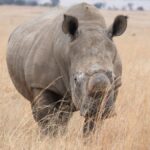
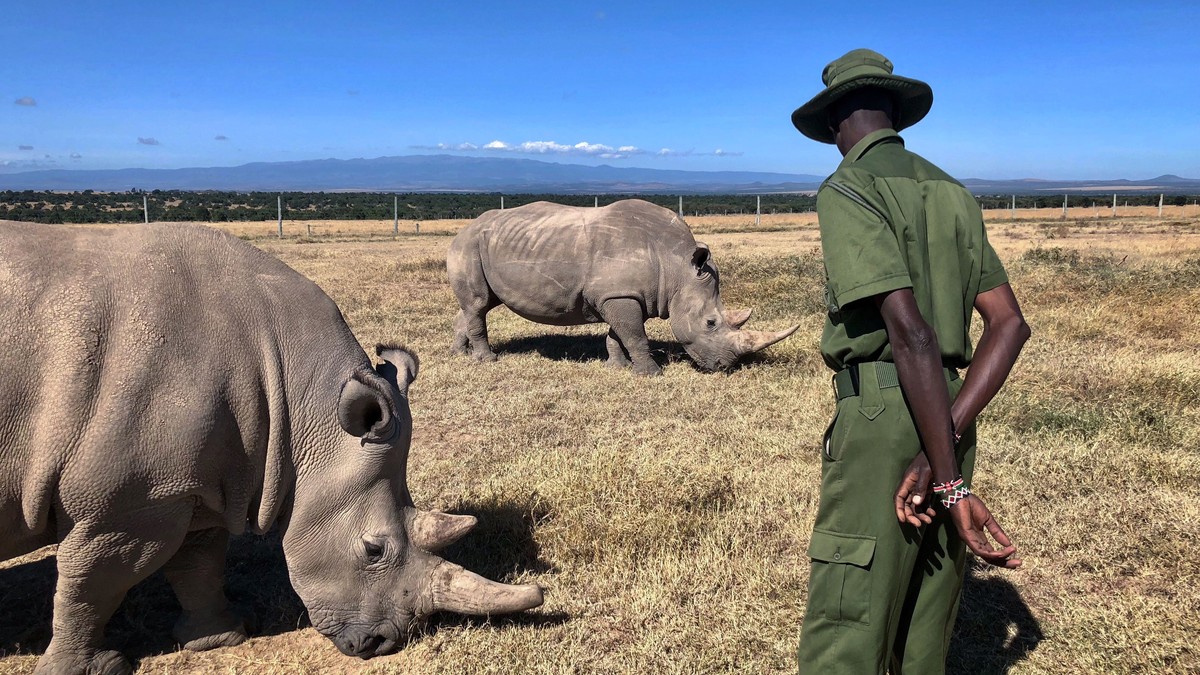
| Standout wildlife | Flamingos, pelicans, giraffe | Rhino (black and white), leopard, lion | Hippos, fish eagles |
| Booking required | Yes, advance booking | No, gate entry | No, but boat trips need booking |
| Best for | Birding, quiet, activities | Big game checklist | Boat rides, day trips |
This table shows why Elmenteita works best as a pairing rather than a solo stop. It sits between the two bigger lakes geographically and complements what they offer.
Combining Elmenteita with other stops
Because of where it sits, Elmenteita fits naturally into a longer Rift Valley loop. Many of our guests pair it with a Lake Naivasha hippo boat ride and Hell’s Gate on the way in, then push on to Nakuru for rhino tracking the next day. It also works well as a weekend safari from Nairobi for anyone based in the city who wants two nights away without a long flight or a multi-day itinerary.
The Valley Safaris Difference
We do not sell Soysambu as a standalone safari, because it is not one. We sell it as the quiet chapter in a bigger trip, the place where you slow down after Nakuru’s rhino drives or before Naivasha’s hippos and boat rides. Our guides know the conservancy’s booking rules cold, so you are never turned away at the gate, and they know which camp fits your budget without overselling you into a luxury tent you did not need.
We are also upfront when a destination is not the right fit. If you want lions and elephants, we will tell you Soysambu is not that place, and route you elsewhere. That honesty is worth reading through questions to ask your safari operator before booking, because it is the difference between an itinerary built around what you actually want and one built around what is easy to sell.
FAQs
Is Lake Elmenteita worth visiting? Yes, especially for birders and repeat visitors who want a quieter stop between bigger parks.
Do you need a booking to enter Soysambu Conservancy? Yes. There is no casual walk-in gate, book through a camp or operator in advance.
Can you swim in Lake Elmenteita? No. It is a soda lake with high alkalinity, unsuitable and not permitted for swimming.
Is Lake Elmenteita a national park? No, it is private conservancy land owned by the Delamere family estate, though the lake itself is part of a UNESCO World Heritage Site.
Is this a day trip or an overnight stay? It works as a day trip from Nairobi, but an overnight lets you add a game drive, a walk, and a proper sunset without rushing back to the highway.
Ready to see it for yourself? Get in touch through our contact page and we will build your Rift Valley route around Lake Elmenteita, Nakuru, and Naivasha.