A guest from Sharjah once asked me if fasting and game drives could even mix. I told her the truth: yes, but you plan around the sun, not the other way around. That is the whole trick behind a good ramadan eid safari travel kenya plan.
This guide covers real dates, real parks, and what actually happens at camp during Ramadan. The muezzin’s call plays from a phone app at 5:40 am. The Land Cruiser is due to leave at 6.
When to Plan Your Ramadan Eid Safari Travel Kenya Trip
Islamic dates shift about 11 days earlier every year because the calendar follows the moon. Based on current lunar projections, Ramadan 2027 should begin around February 7 and end around March 8. Eid al-Fitr follows soon after. Eid al-Adha 2027 is projected for mid-May, roughly 70 days later.
These are indicative dates only. Kenya’s government, like most Muslim-majority and Muslim-minority countries, confirms the actual start after moon sighting. This is usually announced a day or two before. Eid al-Fitr and Idd-ul-Hajj, Kenya’s official gazetted name for Eid al-Adha (also written Eidul-Hajj), are both public holidays in Kenya. Hotels and government offices observe them, even though Kenya is a Christian-majority country.
If you’re booking from the UAE or elsewhere in the Gulf, build in a buffer day on both ends of your trip. Airlines rarely move fast, but tour timing sometimes does.
Why Choose a Ramadan Eid Safari Travel Kenya Trip
Ramadan is Kenya’s quiet season for a reason unrelated to Islam. In some years it falls during the long rains lull, just before the wet season builds up. Lodges outside the coast often drop rates by 15 to 30 percent during this window. Fewer Gulf and European tourists travel during Ramadan itself. Camps in the Maasai Mara that run at 80 percent occupancy in July often sit closer to 40 to 50 percent in late February.
Eid, on the other hand, is a celebration. Coastal towns like Lamu and Malindi fill with Kenyan Muslim families. Mosque courtyards host communal prayers, and the energy feels genuinely different from a normal beach week.
Best Parks for a Ramadan Eid Safari Travel Kenya Itinerary
Heat matters more than usual when you’re fasting from sunrise to sunset. Tsavo East regularly hits 34°C by midday. That same drive feels far tougher without water than a drive in the cooler Mara conservancies.
Here’s how the main regions compare for a Ramadan trip specifically:
| Region | Distance from Nairobi | Typical Drive Time | Avg. Daytime Temp (Feb-Mar) | Park Fee (adult, per day) | Fasting Suitability |
|---|---|---|---|---|---|
| Maasai Mara (Mara Triangle) | 270 km | 5-6 hrs by road, 45 min fly-in | 24-27°C | USD 200 (peak season) | High. Cool mornings, mosque in Talek town |
| Amboseli National Park | 240 km | 4-5 hrs by road, 40 min fly-in | 27-30°C | USD 60 | Medium. Hot midday, shaded lodges available |
| Tsavo East/West | 330 km | 5 hrs by road | 30-34°C | USD 30 (Tsavo East) | Lower. Long hot exposure, best for late drives only |
| Lake Nakuru National Park | 160 km | 2.5-3 hrs by road | 22-25°C | USD 60 | High. Shortest drive, mild climate |
| Lamu/Malindi coast | 440-540 km | 1 hr flight | 28-31°C, humid | No park fee (town/beach) | High for Eid culture, humidity needs planning |
Park fees change with Kenya Wildlife Service and county council updates. Always confirm current figures before you book. Our page on Maasai Mara entrance fees has the latest breakdown by gate and season.
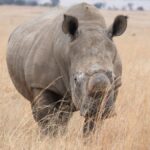
If altitude and mild mornings matter more to you than dramatic wildlife density, Lake Nakuru is genuinely underrated for a fasting traveler. It’s close, cool, and the flamingo and rhino sightings stay consistent year round.
Halal Dining on Your Ramadan Eid Safari Travel Kenya Trip
Here’s the honest part competitors gloss over. Most camps in the Mara and Amboseli can prepare halal-style meals, meaning no pork and no alcohol in the dish. They need advance notice of at least two weeks. Fully halal-certified meat, where the animal was slaughtered under certification, is harder to guarantee outside Nairobi and Mombasa. Camps source beef and chicken from regional suppliers, and certification paperwork doesn’t always travel with the delivery truck to a bush camp.
What we do at Valley Safaris is simple. We call ahead to camps like Kicheche Mara Camp, Ol Donyo Lodge in the Chyulu Hills, and Sentrim Elementaita near Lake Nakuru. We confirm exactly what they can source locally versus what needs to come from Nairobi. If certified halal meat matters to you, we tell you honestly which camps can deliver it and which can only offer non-alcoholic, pork-free meals.
Suhoor is the trickier meal because it happens before sunrise, often before the kitchen staff’s normal shift starts. Camps that host regular Ramadan guests, particularly along the coast, pack a suhoor box the night before. Expect dates, boiled eggs, flatbread, and a thermos of tea. In the Mara, we arrange this directly with the head chef so nobody has to skip the meal or wake the whole camp.
Iftar is easier. Most camps time the evening game drive to return just before sunset. You break your fast with dates and water back at camp. The full dinner follows an hour later once everyone’s settled.
Prayer Times During a Ramadan Eid Safari Travel Kenya Trip
Five prayers a day means the schedule needs a rework, not a redesign. Fajr lands close to the early game drive departure. We simply shift the wake-up call 20 to 30 minutes earlier so there’s time to pray before boarding the vehicle. Dhuhr and Asr usually fall during the midday rest period back at camp anyway. Most lodges pause between 11 am and 3:30 pm regardless of religion. Maghrib lines up with the drive back to camp, and guides know to time the return so you’re not praying in a moving vehicle.
Mosques do exist near some parks. Talek town, on the eastern edge of the Mara, has a small mosque used by local Maasai and Somali traders. Narok town, the main gateway to the Mara, has a larger one. Along the coast, Lamu’s Riyadha Mosque is one of the oldest and most active in East Africa. It’s worth visiting even outside prayer times for the architecture alone.
Practical Tips for a Ramadan Eid Safari Travel Kenya Trip
A few things I tell every guest before a Ramadan trip, safari or otherwise:
- Hydrate heavily during suhoor and iftar. Dehydration in a hot vehicle sneaks up fast, even with the roof hatch open.
- Choose early morning and late afternoon drives over midday ones. The 6 am and 4 pm slots are cooler, and the animals are more active anyway.
- Pack electrolyte sachets. Most Nairobi pharmacies stock them, and camps rarely do.
- Download a prayer time app before you leave home. Mobile signal is patchy in the Mara and Tsavo, so set your times for the week in advance.
- Talk to your operator early. Our questions to ask your operator about dietary and prayer needs guide has the full list. The short version: ask two weeks out, not two days out.
Eid Celebrations on the Coast for a Ramadan Eid Safari Travel Kenya Trip
If your trip lands over Eid al-Fitr or Eid al-Adha, the coast is where the celebration actually happens. Lamu’s Eid festivities include communal prayers on the beach at dawn and traditional Swahili dishes like biryani and mahamri. Dhow races follow in the afternoon. Mombasa’s Old Town hosts a similar but bigger, louder version of the same thing, with Fort Jesus as a backdrop. Malindi sits between the two in scale, quieter than Mombasa, livelier than Lamu.
If you’re choosing between the two smaller towns, Lamu wins for authenticity and a slower pace. Mombasa wins if you want more restaurants, more infrastructure, and an easier airport connection.
Fly-In or Road: Choosing Your Ramadan Eid Safari Travel Kenya Route
Road trips during a fast add hours of exposure to heat and motion that flights skip entirely. A fly-in from Wilson Airport to the Mara takes 45 minutes. The road option takes 5 to 6 hours each way on a stomach with no food or water since sunrise. We usually recommend fly-in safaris for Ramadan travelers for exactly this reason. Our breakdown of fly-in vs road safari logistics covers the cost difference in more detail. Expect to pay roughly USD 250 to 400 more per person for the flight. For a fasting traveler, it’s often worth every shilling.
The Valley Safaris Difference
We’ve been arranging Ramadan and Eid trips for Gulf and diaspora families for years. The difference isn’t a special package with a religious label slapped on it. It’s the phone calls we make two weeks before you land. We confirm with the camp chef exactly what suhoor box they can pack. We check whether the meat is halal-certified or simply pork-free. We confirm what time the muezzin app needs to sound each morning.
We’ve walked into camps that assumed “Muslim guest” meant no changes needed, and we’ve corrected that before you ever arrive. We’ve also been honest with guests when a remote tented camp genuinely can’t source certified halal meat on short notice. That way, you can decide if it matters enough to change camps. That kind of groundwork is why families come back to us year after year, Ramadan or not.
Book Your Ramadan Eid Safari Travel Kenya Trip With Us
If you’re weighing dates, parks, or which camps can genuinely meet your dietary and prayer needs, we’re happy to walk through it with you. Visit our contact page to start planning your Kenya safari around Ramadan or Eid. We’ll build the itinerary around your fast, not the other way around.