You have already stood at the Mara River and watched wildebeest throw themselves down the bank. You have the photos. So when guests ask us about a second migration happening quietly east of the reserve, in the Loita Plains, we understand why they lean in.
This is the Loita Plains zebra migration Kenya rarely talks about outside conservancy circles. It will not fill an Instagram feed with river crossings. But it is real, it is Kenyan, and in July 2026 it is still running with far fewer vehicles around it.
What is the Loita Plains zebra migration Kenya?
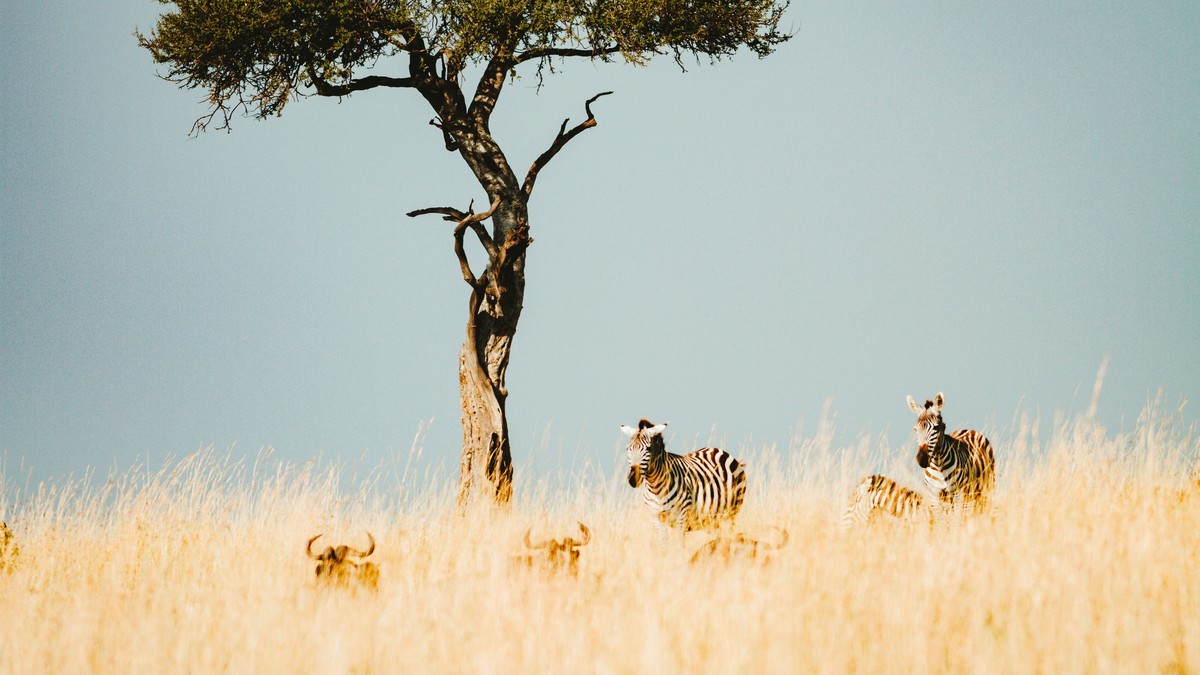
The Loita migration is the movement of zebra, and a smaller number of wildebeest, between the Loita Plains and Loita Hills in eastern Narok County and the northern conservancies of the Maasai Mara ecosystem, chiefly Ol Kinyei, Naboisho and Olare Motorogi.
Unlike the famous Serengeti-Mara migration, this movement does not cross a border or a major river. The animals shift roughly 60 to 80 km depending on rainfall, following fresh grass down from the Loita Hills onto the plains, then west into the conservancies bordering the Maasai Mara National Reserve.
Local guides have tracked this pattern for decades. It rarely makes international headlines because there is no single dramatic crossing point, just a slow, steady flow of animals across open grassland.
How it differs from the Great Migration
The word “migration” does a lot of work here, so let’s separate the two clearly.
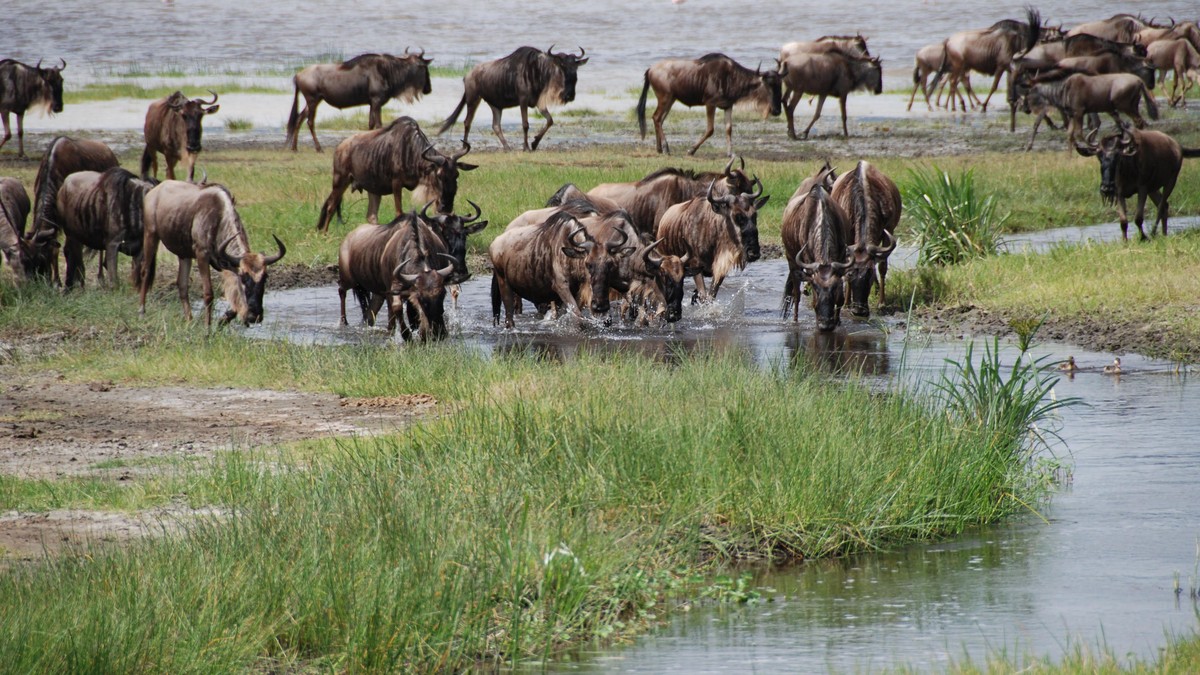
The Serengeti-Mara migration involves an estimated 1.3 to 1.5 million wildebeest and around 200,000 zebra, crossing the Mara and Sand Rivers between Tanzania and Kenya each year. The Loita migration is smaller by a wide margin. Estimates from conservancy managers put the Loita zebra numbers in the low tens of thousands, with wildebeest in the low thousands, though exact counts are hard to verify and change year to year with rainfall.
There is no river crossing spectacle. Instead, you get long lines of zebra moving across the Loita Plains at dawn, sometimes strung out for a kilometre, with none of the vehicle congestion you’d find at Mara River crossing points in August.
Where it happens: Loita Plains vs Loita Hills
The Loita Hills rise east of the Maasai Mara, reaching around 2,600 metres in places, and hold the Naimina Enkiyio forest, one of the last indigenous forests still managed by a Maasai community. Below the hills sit the Loita Plains, open grassland that floods with new growth after the short rains.
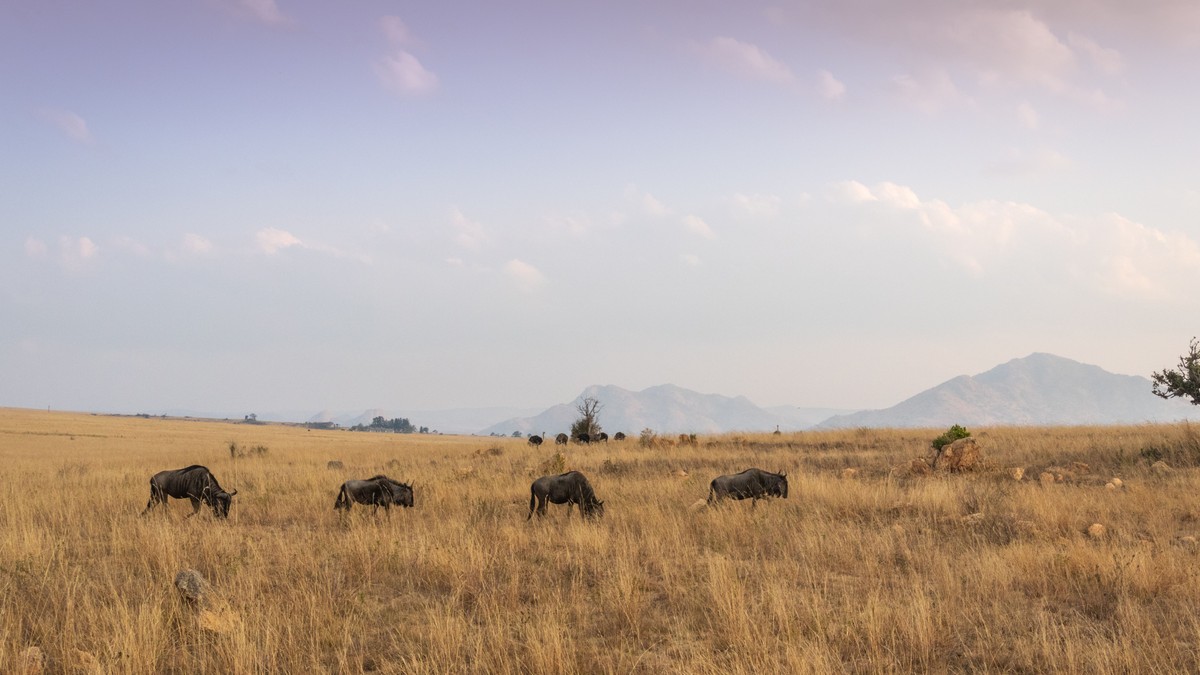
Zebra and wildebeest graze the plains, then push west as the grass dries out, funneling into Ol Kinyei Conservancy first, then spreading into Naboisho and Olare Motorogi. If you want to understand the people side of this landscape too, our Loita Hills Maasai cultural trek covers the community forest and the families who still graze cattle alongside the wildlife here.
Month-by-month movement calendar
Rainfall drives everything, so treat this as a guide, not a guarantee.
| Months | Typical animal location | What you’ll see |
|---|---|---|
| January to March | Loita Plains, dispersed | Zebra and wildebeest spread thin, grazing after short rains |
| April to May | Loita Plains, long rains | Animals concentrate on remaining dry patches, calving continues |
| June to July | Moving west toward Ol Kinyei | Grass on the plains dries out, herds start shifting |
| August to September | Ol Kinyei and Naboisho | Peak viewing in the conservancies, grass still green here |
| October to November | Naboisho and Olare Motorogi | Herds push further west as conservancy grass is grazed down |
| December | Return east toward Loita Plains | Short rains bring fresh grass back east, herds follow |
We update this pattern with our guides each season, since fence lines and farm expansion are shifting the timing year on year.
Predators and the viewing experience
Where zebra and wildebeest concentrate, predators follow. Ol Kinyei and Naboisho both hold resident lion prides, and cheetah sightings are common on the open plains sections of Naboisho in particular. Leopard are harder to find but present along the riverine woodland edges.
The real draw for repeat visitors is space. Conservancies cap vehicle numbers per sighting, usually five vehicles maximum, compared to the sometimes 20 or more that gather at a popular Mara River crossing in peak season. For photography, that difference matters more than raw animal numbers.
Threats: fencing and farming
We would rather tell you the honest version than a tidy one. The Loita migration route is under real pressure.
Wheat farming has expanded into parts of the Loita Plains over the past decade, and fencing around private and group ranch land has started cutting some of the traditional movement corridors. Conservancy managers we work with describe the route as narrower than it was 15 years ago.
This matters for your trip planning too. Timing advice that holds today may shift again in a few years if fencing continues. If seeing this migration is a priority, sooner is genuinely better than later.
Loita migration vs Serengeti migration
| Feature | Loita Migration | Serengeti-Mara Migration |
|---|---|---|
| Animals involved | Zebra (tens of thousands, indicative), wildebeest (low thousands, indicative) | Wildebeest (approx. 1.3-1.5 million), zebra (approx. 200,000) |
| Distance covered | Approx. 60-80 km, Loita Plains to Mara conservancies | Approx. 800 km round trip, Serengeti to Mara and back |
| River crossings | None | Mara River and Sand River crossings |
| Peak viewing months | August to October (conservancies) | July to September (Mara River crossings) |
| Typical vehicles per sighting | Up to 5 (conservancy rule) | Often 15-30+ at popular crossing points in peak season |
| Access | Ol Kinyei, Naboisho, Olare Motorogi conservancies | Maasai Mara National Reserve and Mara conservancies |
Best conservancies and camps by price tier
Conservancy fees sit on top of your accommodation cost, typically in the range of USD 80 to 150 per person per night depending on the conservancy and camp, so always confirm the current rate when booking. Our page on Masai Mara and conservancy entrance fees breaks down the 2026 figures conservancy by conservancy.
| Conservancy | Camp example | Indicative price per night (per person, sharing) | Style |
|---|---|---|---|
| Ol Kinyei | Porini Lion Camp | USD 450-600 (indicative, all-inclusive) | Classic tented, closest to the Loita Plains edge |
| Naboisho | Kicheche Valley Camp | USD 550-750 (indicative, all-inclusive) | Mid-size camp, strong guiding reputation |
| Naboisho | Basecamp Naboisho | USD 400-550 (indicative, all-inclusive) | Solar-powered, family-run feel |
| Olare Motorogi | Mahali Mzuri | USD 900-1,300 (indicative, all-inclusive) | High-end, Richard Branson’s camp |
Prices move with season and currency, so treat these as a starting point for conversation, not a quote.
Getting there: fly-in or road
Most conservancy camps use a shared airstrip network, with flights from Nairobi’s Wilson Airport landing at strips like Ol Kiombo or Naboisho, a flight of around 45 minutes. Road transfers from Nairobi take 5 to 6 hours via Narok, longer in wet weather when the last stretch of murram road slows down.
For a first trip focused on the Loita migration, we usually recommend flying in and driving out, or the reverse, so you get the scenery without spending your whole first day in the car. Our guide to flying in versus a road transfer to the conservancies walks through the cost difference in more detail.
Combining Loita with the Great Migration
You do not have to choose one migration over the other. A well-timed August or September trip can put you in Naboisho or Ol Kinyei for the Loita movement, then transfer into the Maasai Mara National Reserve proper for a shot at the Mara River crossings, all inside one 8 to 10 day itinerary.
We build these combined routes often for guests who have already done a standard Mara safari and want to layer in something quieter.
The Valley Safaris Difference
We have been running trips into these conservancies since before most of them had a name recognisable outside Kenya. That means our guides know which Ol Kinyei waterhole the zebra favour in a dry August, and which Naboisho ranger to call before you arrive, not just which camp to book.
We also tell you what we do not know. Migration timing is shifting with fencing and farming, and anyone who gives you an exact date for Loita zebra movements two years out is guessing. We would rather set expectations honestly and adjust your itinerary close to travel, once we have current reports from guides on the ground.
Plan your trip
If the Loita migration sounds like the right next chapter after your Mara trip, we can build an itinerary around it, timed to the current season’s movement reports. Get in touch through our contact page and we will start planning.