You have already done the Mara game drives. Maybe you are planning Samburu next, or Laikipia, and someone has suggested a stop at a Maasai village along the way. It is a fair question to ask whether that stop does any good, or whether you are just paying to watch a show.
This maasai village visit ethics guide gives you the honest answer: it depends entirely on which village, and who is collecting your money.
The Maasai Village Visit Ethics Guide: What a Visit Actually Includes
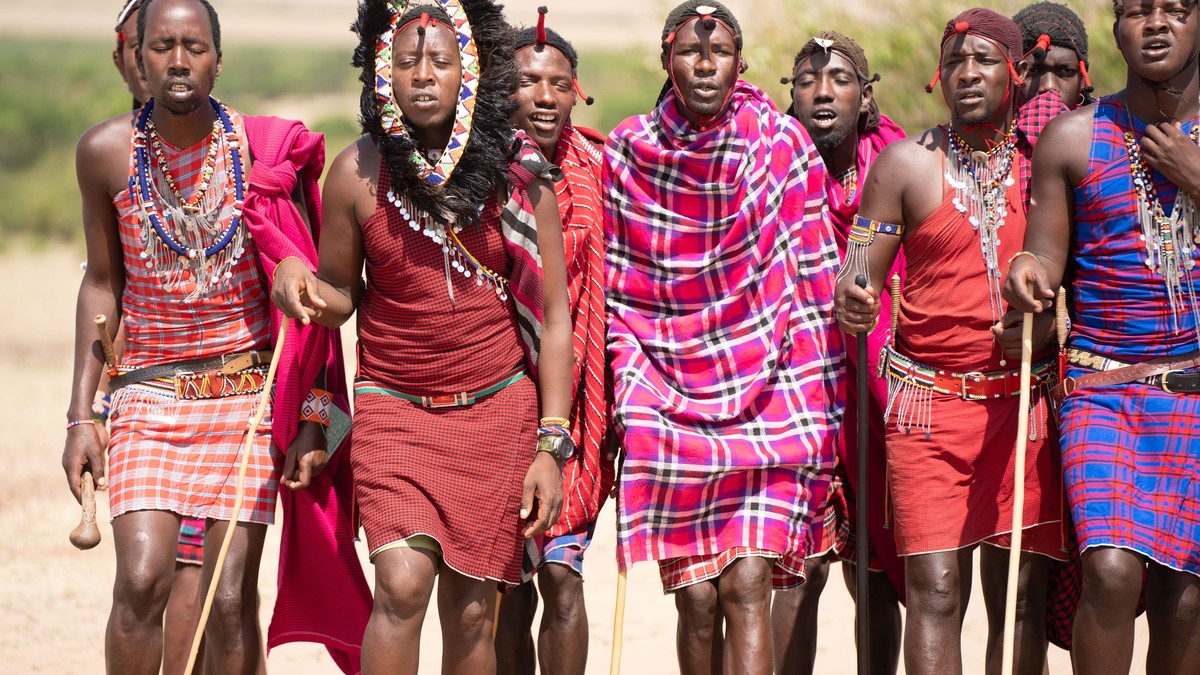
A typical visit lasts 45 minutes to an hour. You are welcomed with a greeting song, shown inside a mud-and-dung homestead called an enkang or boma, watched a jumping dance called adumu, and browsed beadwork laid out on cloth. Some visits include a fire-starting demonstration using sticks and dry grass.
That is the format almost everywhere. What differs is who owns the boma, where your fee goes, and whether the families living there earn a real income from it or just a cut handed down by a broker.
Community-Run Visit or Broker Add-On?
Two very different setups get sold as the same “Maasai village experience.”
The first is a community-run boma. It sits inside a conservancy like Naboisho, Ol Kinyei, or Mara North. A resident family or a community trust sets the fee, keeps the earnings, and reinvests in things like school fees or a water tank. The second is a roadside cultural boma set up near a park gate. It is built mainly for tour buses. A middleman negotiates the fee with your driver, and the resident families see a smaller, less certain share.
Neither is automatically wrong. But knowing which one you are visiting changes what your money actually does.
What Happens During the Visit, Step by Step
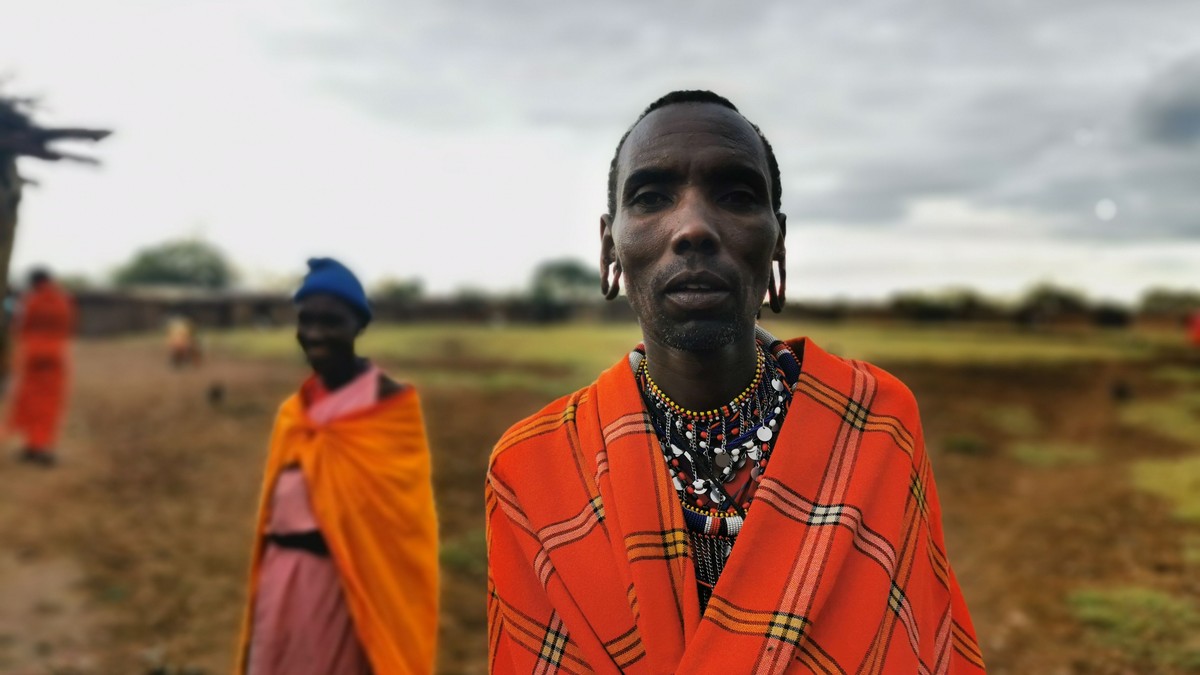
You arrive and are met by a group of morans, young warriors, and women in beaded collars called enkorotoi. A welcome song starts, and men take turns jumping straight up from a standing position, the adumu.
Next you are led inside a boma, a circular fence of thorn branches enclosing several huts. A guide, often the village chief’s son or a designated English speaker, explains how the huts are built from branches, mud, and cow dung, and why the layout keeps cattle safe from lions at night.
Inside one hut, you will see a small fire pit, a sleeping area, and maybe a food store. It is dim and smoky, since huts are built without windows to keep the heat in and predators out.
After the walkthrough, you are brought to a semicircle of blankets covered in beaded jewelry, knives, and carved animals. This is where most of your spending happens, and where bargaining is expected but should stay respectful.
The Real Cost: Entrance Fees, Photos, and Crafts
Prices vary by region and by how the visit is arranged, but here is a realistic range based on typical Mara and Samburu visits in 2026.
| Visit type | Typical location | Entrance fee (per person) | Photo fee | Where it mainly goes |
|---|---|---|---|---|
| Roadside cultural boma | Near Sekenani Gate, Masai Mara | USD 20 to 30 | Often included, sometimes KES 100 extra per photo | Split between broker and families, share to families varies widely |
| Community-run boma | Inside Naboisho or Ol Kinyei Conservancy | USD 20 to 25 | KES 100 to 200 | Community trust, often funds a school or clinic |
| Samburu community visit | Kalama or Westgate Conservancy, near Archer’s Post | USD 15 to 20 | KES 100 to 150 | Northern Rangelands Trust member community accounts |
| Craft purchase | Any village | KES 500 to 3,000 per item | N/A | Usually direct to the maker, if you buy from the person who beaded it |
These are indicative ranges, not fixed prices. Ask your guide or the community representative for the current fee before you go in. If you are also planning park entry, it helps to check Masai Mara entrance fees so you know the full day’s cost before you commit to an add-on visit.
Where the Money Actually Goes
This is the part most advice articles skip. In a well-run community boma, your fee is split roughly three ways: a portion to the household hosting you, a portion to a shared community fund, and a small amount for the guide who translated. In conservancies like Naboisho, that community fund has paid for classroom blocks and borehole repairs in past years.
In a broker-run roadside setup, the split is less transparent. Your driver may have negotiated a flat rate with a manager who is not from the village at all. Some of that fee never reaches the families you actually met. This does not mean every roadside boma is a scam, but it is worth asking directly: “Does this fee go to the families here, or to an agency?” A hesitant answer is itself useful information.
Staged or Real? The Truth About the Adumu Dance
Here is the trade-off nobody likes to say out loud: even an ethical, well-run visit is partly a performance. The adumu jumping dance is a real Maasai tradition tied to warrior ceremonies, but on a tourist visit, it is being performed on request, on a schedule, for payment. The same goes for the fire-starting demonstration.
That does not make it fake. The people demonstrating it are Maasai, the technique is accurate, and many families genuinely do live in the boma you are visiting. But you are watching a condensed, repeatable version of culture, not a candid moment. Go in expecting an honest cultural demonstration, not a documentary.
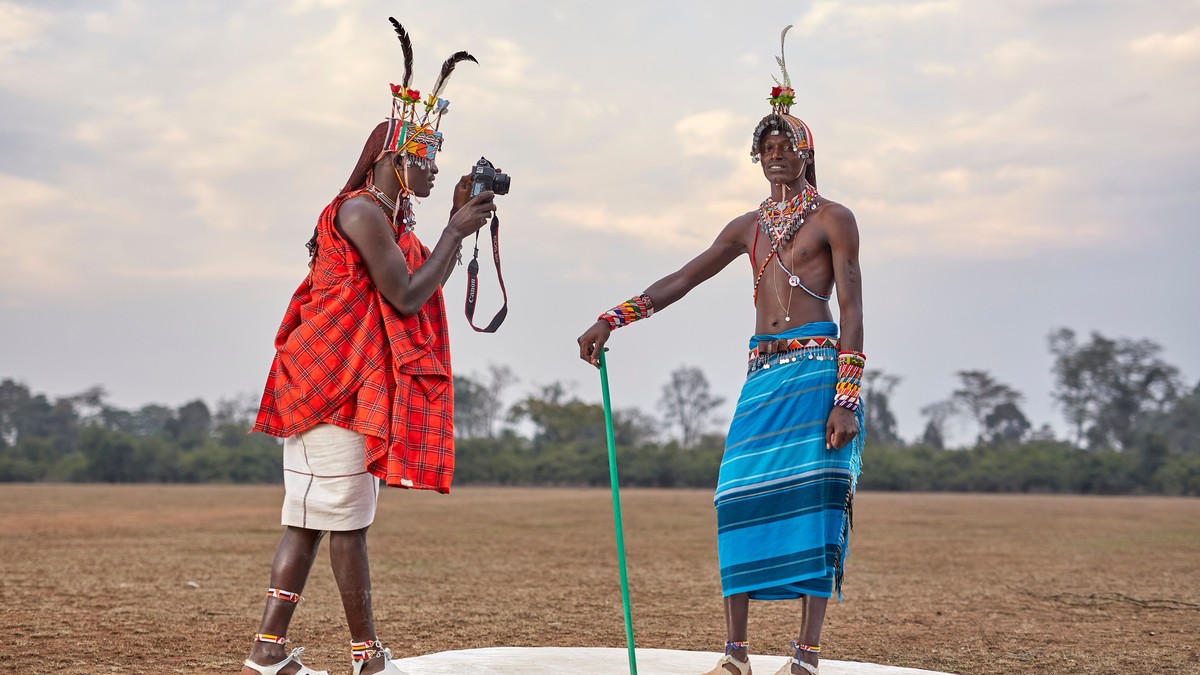
Green Flags and Red Flags
Green flags: the community sets its own fee, a resident (not an outside agency) explains where the money goes, photography rules are clear before you start, and you are not pressured to buy crafts.
Red flags: your driver collects cash and hands it to someone waiting at the gate, nobody can tell you where the fee goes, children are used to solicit tips directly, or you are rushed through in fifteen minutes.
Photography Etiquette and Consent
Always ask before photographing a person, not just the boma itself. Many villages include a standard photo fee in the entrance price, others charge separately, often KES 100 to 200. If someone declines to be photographed, respect that immediately. Group photos of dances are usually fine once the group has agreed to perform.
What to Wear and How to Greet Elders
Modest clothing works best. Cover your shoulders and avoid short shorts, especially in Samburu communities, which tend to be more conservative than roadside Mara bomas. Greet elders with a slight bow of the head. Many visitors are also taught the traditional greeting where a younger person bows their head for an elder to touch.
Should You Bring Gifts for the Children?
Skip the sweets. Handing out candy to children encourages begging behavior and creates dental problems in communities with limited access to dental care. If you want to give something useful, ask your guide about donating school supplies or a contribution to the community fund instead. A direct cash gift to a child, however well meant, undercuts the structured fee system the community has agreed on.
Is It Worth It?
For a first-time visitor to Kenya, yes, with the right setup. For a repeat visitor who has already done the Mara, a community-run boma inside a conservancy like Naboisho, or a Samburu community visit near Kalama, tends to feel more grounded and less rehearsed than a roadside stop. If you want a deeper connection to the land itself rather than a cultural show, pairing your trip with wildlife conservation volunteering in Kenya is worth considering too.
The Valley Safaris Difference
We only arrange visits to community-run bomas where we know the fee structure and can tell you, in writing, roughly how it breaks down. We do not use roadside setups near Sekenani Gate. For clients moving between the Mara, Samburu, and Laikipia, we also help you weigh choosing between a fly-in and road safari, since that decision affects which community visits are realistically on your route.
We would rather you visit one honest boma than three staged ones.
Plan Your Visit With Us
If you want a Maasai village visit that actually supports the community you meet, we can build it into your Samburu or Laikipia itinerary. Get in touch through our contact page and we will walk you through the options.