If you have been pricing out a Kenya safari this year, you have probably noticed the numbers look different from what a friend paid in 2023. You are not imagining it. Park fees, conservancy rates, and camp prices have all moved, some of them sharply, in the last twelve months.
I want to walk you through exactly what changed, why it changed, and which parts are still unsettled. This is not a generic cost guide. People keep typing some version of “why kenya safari prices rising 2026” into search bars, and this is the plain answer I give clients at Valley Safaris when they ask why their quote is higher than expected.
What Is Actually Driving the Increase
Three things are pushing Kenya safari prices up in 2026.
First, several major parks raised their entry fees, and a few raised them a lot. Second, the Kenyan shilling and fuel costs have made vehicles, fuel, and imported camp supplies more expensive to run. Third, demand is simply high. Kenya had a strong recovery after the pandemic years. Camps in popular areas like the Masai Mara are often full during July, August, and the calving season in February.
Park fees usually make up 15 to 30 percent of what you pay for a guided safari, depending on how many parks you visit and how long you stay. When those fees jump, the total quote moves with them.
Why Kenya Safari Prices Rising 2026: The Masai Mara Fee Doubled
The biggest single change is in the Masai Mara National Reserve. The Narok County Government, which manages the reserve, introduced a seasonal pricing structure that splits the year into low and peak periods.
In the low season, from January through June, nonresident adult entry sits around $100 per day. During peak season, from July 1 through December 31, that fee rises to $200 per day for the same reserve. That is a full doubling, and it covers the exact months most first-time travelers want to visit, because it lines up with the wildebeest migration crossing the Mara River.
This does not mean the Mara is off the table. It means the timing of your trip now has a real price tag attached to it, not just a “busier or quieter” trade-off.
Amboseli: A Fee Hike Still Fighting Its Way Through Court
Amboseli National Park is the messier story, and it is worth understanding before you book.
In October 2025, the Kenya Wildlife Service (KWS) moved to reclassify Amboseli into a higher fee category, pushing the nonresident adult daily rate from around $60 to about $90. Tour operators and county stakeholders pushed back, and the increase was challenged in court. As of mid-2026, the reclassification has faced legal suspension and the final fee has not been permanently settled.
What this means for you is simple but important. If you book Amboseli now, your operator may quote the old rate, the new rate, or a rate that could still shift before your travel date. Ask directly which fee your quote assumes, and ask whether the quote is protected against a mid-contract change. At Valley Safaris we lock our client rates at the time of booking, so this uncertainty stays on our side, not yours.
Nairobi National Park: An 86 Percent Jump
Nairobi National Park, just 7 kilometers from the city center, has seen the sharpest percentage increase of any major park. Reports point to an 86 percent rise in the nonresident entry fee, pushing what used to be around $43 per day toward roughly $80 per day.
Because Nairobi National Park is often a half-day add-on before a flight, some travelers used to treat it as a low-cost bonus. That math has changed. It is still a remarkable outing, rhinos and lions with the city skyline behind them, but it is no longer the bargain stop it once was.
Fee Changes at a Glance
Here is how the major parks compare. Fees below are nonresident adult, per day, in USD. Amboseli’s figure is marked because it remains contested in court.
| Park or Reserve | Distance from Nairobi | Old Fee (approx.) | 2026 Fee (approx.) | Status |
|---|---|---|---|---|
| Masai Mara National Reserve (peak season) | 270 km, about 5-6 hrs by road or 45 min by air | $100 | $200 | In effect |
| Masai Mara National Reserve (low season) | same as above | $80-100 | $100 | In effect |
| Amboseli National Park | 240 km, about 4 hrs by road | $60 | $90 | Contested, court-suspended |
| Nairobi National Park | 7 km from CBD | $43 | $80 | In effect |
| Samburu National Reserve | 325 km, about 5-6 hrs by road | $70 | $75-80 | In effect |
Private conservancies bordering the Mara, like Mara Naboisho or Olare Motorogi, bundle a conservancy fee into your nightly camp rate instead of charging separately at a gate. Those rates have risen too, but more gradually, often 5 to 10 percent year over year rather than in one sharp jump.
Is It Inflation, Fuel, or the Exchange Rate?
All three play a part, but fee reclassification is the bigger driver right now. The Kenyan shilling has been relatively stable through 2025 and into 2026 compared to the sharp swings of a few years back. Currency alone does not explain the jumps you are seeing at the gate. Fuel costs and vehicle maintenance have added maybe 5 to 8 percent to operating costs for camps and operators. The rest comes directly from the county and KWS fee decisions described above.
Conservancies Can Be a More Stable Bet
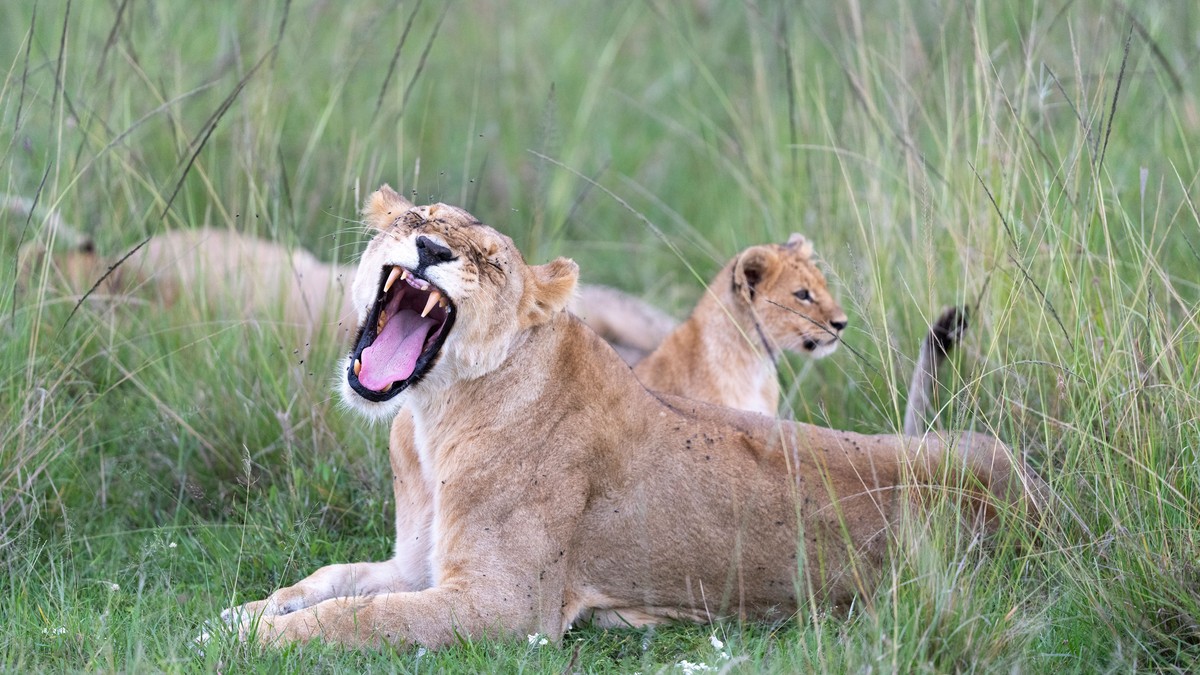
If unpredictable park fees make you nervous, it is worth looking at choosing a private conservancy instead of a national park. Conservancies set their own rates, control visitor numbers more tightly, and tend to raise prices in smaller, more predictable steps rather than sudden reclassifications. You also get night drives and off-road tracking, which national parks do not allow.
Don’t Forget the Other Costs
Park fees are only one line item. Before you finalize a budget, factor in other hidden costs like required vaccinations, travel insurance, and visa fees (currently $30 for the standard Kenya eTA). Add tips for your guide and camp staff too. Most lodges and parks now prefer card or mobile payment. If you are paying park fees and tips in cash, bring newer bills, since older or worn notes are often refused.
Kenya vs Tanzania: Is It Cheaper to Go South?
People ask me this constantly now. Tanzania’s Serengeti fees have also risen, with nonresident entry running around $70 to $82 per day depending on season, so it is not the discount escape it once was. Tanzania’s parks tend to be more spread out, which can mean longer drives and higher fly-in costs. Kenya still offers shorter distances between parks and more flexible short-stay itineraries. Neither country is clearly cheaper anymore. The choice comes down to what kind of trip you want.
How to Save Without Cutting Corners
You can manage these increases without downgrading your trip.
- Travel in the low season, January through June, when Mara gate fees drop to $100 a day and camps often cut rates by 20 to 30 percent.
- Book a conservancy stay instead of a national-reserve-only itinerary.
- Lock your quote early, before any pending fee changes like Amboseli’s take final effect.
- Combine parks that are close together, like Amboseli and Tsavo West, to cut drive time and fuel costs.
- Ask your operator exactly which fees are included in your quote, and which are estimates.
Will Prices Keep Rising After 2026?
Likely yes, though probably at a slower pace. Peak-season Mara pricing appears to be a permanent structural change now. Amboseli’s fee will likely settle somewhere between $60 and $90 once the court process concludes. Booking now, with a locked rate, protects you from whatever comes next.
The Valley Safaris Difference
We have been planning Kenya safaris for years, and we track every one of these fee changes as they happen, not after a client gets an unexpected bill. When you book with us, we lock your park fees and camp rates at the time of confirmation. A court ruling on Amboseli or a county fee update in the Mara will not change what you owe.
We also know which conservancies still offer excellent game viewing without peak-season surge pricing, and we build itineraries around that. Our guides know where the animals are moving that week. We still love arranging small touches, a sunset picnic overlooking the Mara River, a quiet stop at a waterhole nobody else knows about, that make a trip feel personal instead of packaged.
Plan Your 2026 Safari With Us
Rising fees do not mean you should wait. They mean it pays to book with someone who is watching the details closely. Take a look at our Kenya safari tours or reach out through our contact page and we will build a trip that fits your budget and the year you actually want to travel.