If you have already done the Maasai Mara and Amboseli, you know the drill. Convoys of vans at the same river crossing. A lion sighting with fifteen other vehicles parked around it. That is not a knock on those parks, they earned their fame. But Kenya has ten parks below that get a fraction of the visitors and just as much wildlife. This underrated national parks kenya list is built for the repeat visitor who wants Samburu’s dry-country herds, Laikipia’s rhinos, or a Kaya forest walk without another safari van in the frame.
National Park, Reserve, or Conservancy: Know the Difference First
Before you book, it helps to understand what you are actually paying for. Kenya Wildlife Service runs national parks directly, county governments run most reserves, and private or community trusts run conservancies. Fees, rules on night drives, and off-road access all differ by category. We break this down fully in our guide to national park vs game reserve vs conservancy, which is worth a read before you build your route.
The 10 Parks on Our Underrated National Parks Kenya List
Meru National Park. This is where Elsa the lioness lived, the one from Born Free. Doum palms line the rivers and reticulated giraffe move through open grassland. Entry runs about USD 65 per adult per day. It sits 348 km northeast of Nairobi, a 5 to 6 hour drive, or a 50-minute flight to the Kinna or Elsa’s Kopje airstrip. Elsa’s Kopje camp overlooks the whole park from a hillside. Trade-off: rhino sanctuary access needs a separate permit, and roads inside can flood after long rains.
Samburu National Reserve. Home to the Special Five: Grevy’s zebra, reticulated giraffe, gerenuk, Beisa oryx, and Somali ostrich, all species you will not see in the Mara. Fees sit around USD 100 per adult per day, reflecting how much wildlife density it packs into a small reserve. It is 325 km north of Nairobi, roughly 5 to 6 hours by road via Isiolo, or under an hour by air. Samburu Intrepids sits right on the Ewaso Nyiro river. Trade-off: it gets hot, often above 30°C, and the terrain is scrubby rather than scenic.
Shaba National Reserve. Joy Adamson’s old camp was here, and it still feels wilder than neighboring Samburu. Fees run close to USD 70 per day. It is a 30-minute drive from the Samburu gate, about 345 km from Nairobi. Sarova Shaba Game Lodge is the main option, built around natural springs. Trade-off: fewer game drive tracks mean sightings take longer to find.
Aberdare National Park. Thick forest, waterfalls, and one of Kenya’s better black rhino populations. Entry is about USD 60 per day. It is only 150 km from Nairobi, a 2.5 to 3 hour drive through Nyeri. The Ark and Treetops both overlook a floodlit waterhole for night viewing. Read our full Aberdare National Park guide for a route that pairs well with Nyeri town. Trade-off: dense bush and frequent fog can limit visibility for hours at a time.
Chyulu Hills National Park. Rolling volcanic hills with Kilimanjaro views and very few vehicles. Fees run around USD 30 per day. It sits about 250 km southeast of Nairobi near Amboseli, a 4 to 5 hour drive, or a short flight to the Kimana or Chyulu airstrips. Ol Donyo Lodge anchors the area. Trade-off: this is scenery and horseback riding country more than dense game viewing.
Kakamega Forest National Reserve. Kenya’s only tropical rainforest remnant, with primates and birds you cannot find anywhere else in the country. Fees are around USD 25 per day. It is 415 km west of Nairobi, 7 to 8 hours by road, or fly to Kisumu and drive an hour. Rondo Retreat, a former colonial guesthouse, sits inside the forest. Trade-off: this is a walking and birding park, not a big game destination.
Ruma National Park. The only place in Kenya to see roan antelope in the wild, plus reintroduced Rothschild’s giraffe. Fees are about USD 25 per day. It sits 425 km southwest near Lake Victoria, 7 to 8 hours by road, or fly to Kisumu and drive roughly 1.5 hours. Accommodation is basic, mainly KWS bandas and campsites. Trade-off: infrastructure is thin, so book a guide in advance.
Marsabit National Park. Big-tusker elephants and the crater lake at Lake Paradise, wrapped in highland forest above the northern desert. Fees run near USD 25 per day. It is 560 km north of Nairobi, 8 to 10 hours by road on a rough route, or about 1.5 hours by air. Marsabit Lodge, run by KWS, overlooks a crater. Trade-off: this is genuinely remote, and self-drive is not recommended without local knowledge.
Ndere Island National Park. A forested island on Lake Victoria, reached only by boat from Kisumu. Fees are about USD 25 per day plus a boat charge. It is roughly 360 km from Nairobi via Kisumu, then a short crossing. There is no lodge on the island itself, most visitors base in Kisumu. Trade-off: it is a half-day trip, not an overnight stay.
Saiwa Swamp National Park. Kenya’s smallest national park and the best place to see sitatunga antelope, a shy swamp-dwelling species. Fees run around USD 25 per day. It is 450 km northwest of Nairobi, about 7 to 8 hours by road near Kitale. KWS self-help bandas and a campsite are the only options. Trade-off: no game drives here, it is walking trails and raised viewing platforms only.
Quick Comparison Table
| Park | Distance from Nairobi | Drive Time | Entry Fee (approx, non-resident) | Named Camp/Lodge |
|---|---|---|---|---|
| Meru NP | 348 km | 5-6 hrs | USD 65/day | Elsa’s Kopje |
| Samburu NR | 325 km | 5-6 hrs | USD 100/day | Samburu Intrepids |
| Shaba NR | 345 km | 5.5-6 hrs | USD 70/day | Sarova Shaba |
| Aberdare NP | 150 km | 2.5-3 hrs | USD 60/day | The Ark |
| Chyulu Hills NP | 250 km | 4-5 hrs | USD 30/day | Ol Donyo Lodge |
| Kakamega Forest NR | 415 km | 7-8 hrs | USD 25/day | Rondo Retreat |
| Ruma NP | 425 km | 7-8 hrs | USD 25/day | KWS Bandas |
| Marsabit NP | 560 km | 8-10 hrs | USD 25/day | Marsabit Lodge |
| Ndere Island NP | 360 km | 6 hrs + boat | USD 25/day | None, base in Kisumu |
| Saiwa Swamp NP | 450 km | 7-8 hrs | USD 25/day | KWS Bandas |
Fees are indicative and change with KWS updates, so confirm current non-resident park fees before you book.
Conservancies Are Worth Building Into Your Route
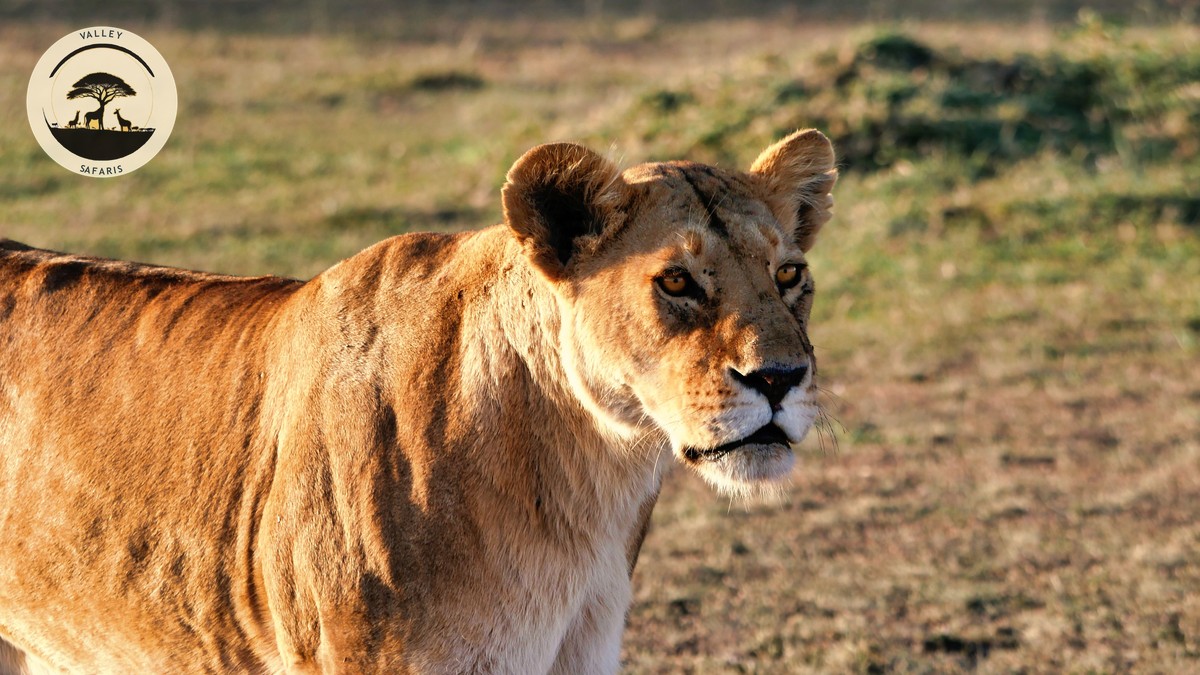
Laikipia’s private conservancies, like Ol Pejeta and Lewa, sit right next to this route and often have better rhino density than the national parks themselves. They charge separate conservancy fees, usually USD 90 to 100 per day, but include benefits like night drives and walking safaris that national parks restrict. If you are already heading toward Samburu or Meru, adding two nights in Laikipia rarely adds much drive time.
Best Time to Visit and Safety Notes
June through October and January to February give you dry tracks and easier river crossings, especially in Meru and Ruma. Marsabit and the northern route are best avoided during the March to May long rains, when roads can become impassable. On safety, these parks are patrolled by KWS rangers and see fewer visitors, not less security. Fly in where roads are rough, especially to Marsabit, and always travel with a licensed guide who knows the current road conditions.
How Many Days to Add
Most of these parks work best as a 2 to 3 night add-on to a longer Kenya itinerary. Samburu and Shaba pair naturally as a single 3-night base. Meru works well as a standalone 2-night stop between Nairobi and the coast. Kakamega, Ruma, and Ndere Island are better suited to travelers already looping through western Kenya.
The Valley Safaris Difference
Any agency can hand you a list of park names. What we do differently is match the park to your actual travel style. If you want fewer vehicles and don’t mind a longer drive, we send you to Marsabit or Ruma. If you want dry-country wildlife with easy access, Samburu and Shaba fit a tighter schedule. We also build in the small things that make repeat visitors come back: a sunset picnic on a Chyulu Hills ridge, a guide who already knows which waterhole the Aberdare bongo favors this week. We plan around your pace, not a fixed template.
Plan Your Underrated Kenya Route With Us
If this list has you rethinking your next Kenya trip, we would love to help build the route. Browse our tailored northern Kenya safari packages or reach out through our contact page to start planning a trip around the parks most tourists never see.