You have probably heard the one-line version already. A young princess climbed a ladder into a tree in Kenya, and came down the next morning as queen. That is the short version of Treetops Lodge Queen Elizabeth history, and most blogs stop right there.
We have driven guests up to Aberdare National Park for years, and the real story has more layers than that. There are three royal properties involved, not one, and people mix them up constantly. There was a fire. There was a decades-long shutdown that most articles skip entirely. And Treetops today is a much smaller, plainer place than its history suggests. That matters if you are deciding whether to book a night there. Let’s go through it properly.
Treetops Lodge Queen Elizabeth History Begins: Eric Sherbrooke Walker, Lady Bettie, and the 1932 Fig-Tree Treehouse
Treetops began in 1932 as a very small idea. Eric Sherbrooke Walker was a British former army officer who had settled near Nyeri. He and his wife, Lady Bettie, built a simple two-room platform high in a wild fig tree. It looked out over a natural waterhole and salt lick on the edge of what is now Aberdare National Park.
Walker already ran the Outspan Hotel in Nyeri town. Treetops was meant as a novelty add-on for his guests. It was a place to sit quietly above the ground and watch elephant, rhino, and buffalo come to drink at dusk. Guests reached it on foot, often with an armed guide, since there was no road access. It slept only a handful of people at a time. Nobody involved thought they were building a future royal landmark.
The night of February 5-6, 1952
Princess Elizabeth and Prince Philip, Duke of Edinburgh, arrived in Kenya at the start of a planned Commonwealth tour. They stood in for her father, King George VI, who was too unwell to travel. On the afternoon of February 5, 1952, the royal party walked out to Treetops and climbed the wooden ladder into the fig tree.
They spent hours watching animals at the waterhole below, including a herd of elephants that came in close to the tree that evening. Hunter, conservationist, and guide Jim Corbett was part of the small escort party that night, along with the Walkers. Nobody in that tree knew it yet. King George VI had already died in his sleep at Sandringham House in England earlier that same day.
King George VI’s death and the moment of accession
The princess became queen the instant her father died, not the instant anyone told her. That happened early on February 6, 1952, London time, while she was still asleep or watching game from the tree platform in Kenya.
The royal party left Treetops the next morning and returned to Sagana Lodge, their base near the town of Sagana. News of the king’s death reached them there by telephone that afternoon. Prince Philip was the one who told his wife. So while Treetops is where the queen technically became queen, the news itself caught up with her back at Sagana, not in the tree. That distinction gets lost in almost every retelling.
Jim Corbett’s famous visitors’ book entry
Jim Corbett was the hunter-turned-naturalist who had settled near Nyeri and helped guide the royal party that night. He later wrote a line in the Treetops visitors’ book that became the most quoted sentence in the hotel’s history.
His entry read: “For the first time in the history of the world, a young girl climbed into a tree one day a princess, and after having what she described as her most thrilling experience, climbed down from the tree next day a queen.”
That single sentence did more for the hotel’s fame than any marketing campaign could have. Decades later, it is still the line every travel writer reaches for.
Sagana Lodge and Outspan Hotel: the rest of the royal story
This is the part almost nobody separates out clearly, and it is worth doing properly.
Outspan Hotel, in Nyeri town, was Eric Sherbrooke Walker’s original hotel. In the early years, guests stayed the night at Outspan. Then they walked or drove out to Treetops for a single overnight game-viewing session before heading back. It was the gateway, not the destination.
Sagana Lodge was a different property entirely, on the Sagana River roughly 100 km north of Nairobi. It was given to Princess Elizabeth and Prince Philip as a wedding gift from the people of Kenya in 1947. That was five years before their 1952 visit. It was their actual home base during the Kenya leg of the tour. Treetops was a day-and-night excursion from there, not where they were formally staying.
Treetops itself was the small overnight platform where the historic night happened. Three different places, three different roles, and one very compressed news story that has flattened them into one location ever since.
The 1954 Mau Mau arson and rebuilding of Treetops
The original fig-tree Treetops did not last long after its royal moment. During the Mau Mau uprising, the small hotel was burned down in 1954, only two years after the queen’s visit.
A new, much larger Treetops was rebuilt nearby on a bigger tree platform, engineered to hold far more guests. It reopened in the late 1950s. The original two-room structure held a handful of people. The rebuilt version could sleep around 50 guests across multiple small rooms connected by narrow corridors, a layout that is still recognizable today.
Later history: the 1983 royal return and the Beatles’ 1966 stay
Queen Elizabeth II came back to Treetops in 1983, more than thirty years after her accession night. She unveiled a plaque marking the spot where she had been sitting when she became queen. It is still there for guests to see.
The hotel also picked up a smaller pop-culture footnote. In 1966, Paul McCartney and Beatles roadie Mal Evans reportedly spent a night at Treetops during a private trip to Kenya. They took a break from touring life to watch elephants at the same waterhole the young princess had watched fourteen years earlier.
Closure in 2021 and reopening in August 2024
This is the part most history articles leave out completely, and it matters if you are actually planning a trip. Treetops closed in 2021, as the pandemic collapsed international travel and put heavy financial strain on its operator, the Aberdare Safari Hotels group. The lodge sat empty for close to three years.
It reopened in August 2024 after refurbishment work. As of 2026, Treetops is operating again, though it remains a smaller, simpler property than modern Aberdare lodges built in the decades since. If you are booking now, confirm current room counts and rates directly. A property coming back from a multi-year closure can change its offering season to season.
Visiting Treetops today
Treetops sits inside Aberdare National Park, in Nyeri County, at an elevation of around 2,200 meters. Nights are genuinely cold up there, so pack a warm layer even in the dry season. Our Aberdare National Park guide covers the wider park in more depth if you are building out a longer Laikipia-Aberdare-Samburu loop.
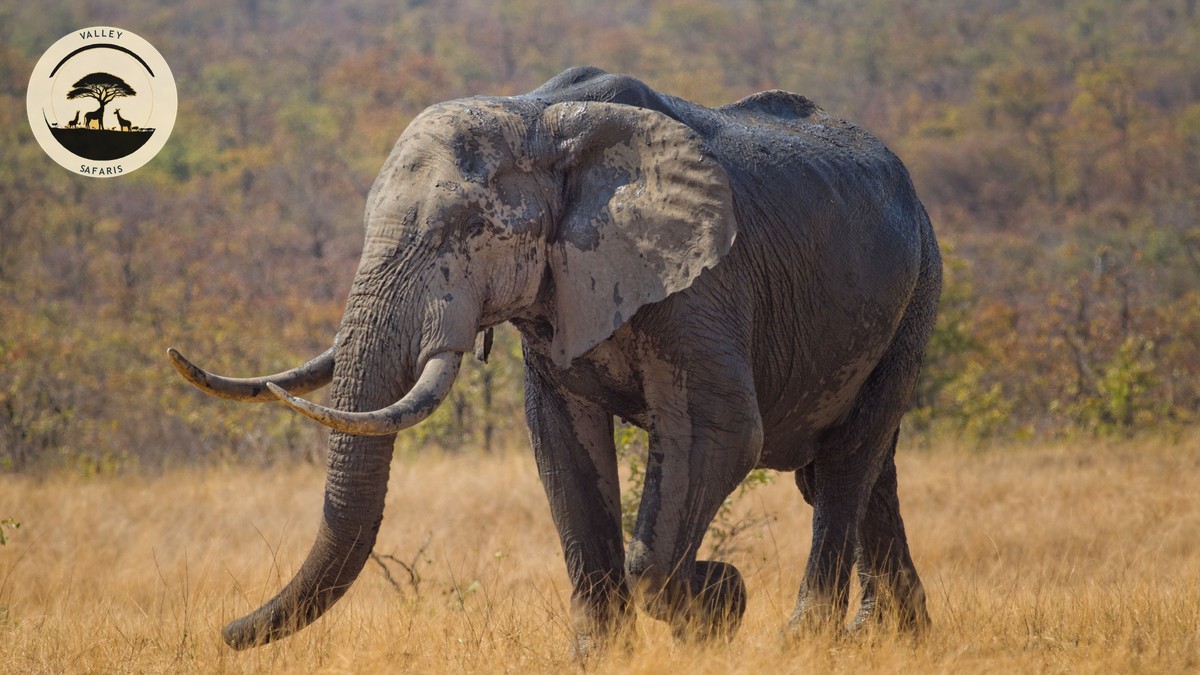
The draw is still the same floodlit waterhole and salt lick that Walker built the original tree around. Elephant, buffalo, and the occasional rhino or leopard come through at night. Guests watch from communal lounges and a rooftop platform, not a private balcony. Walker’s era had an old promise, sometimes called the “no see, no pay” policy. It guaranteed that guests who saw no game overnight would not be charged. It is more a piece of hotel folklore now than a formal policy. Ask your operator to confirm current terms before you rely on it.
Here is how Treetops compares with two other well-known Aberdare options, so you can weigh the history against the comfort level:
| Lodge | Location | Distance from Nairobi | Drive time | Indicative price range (per person, per night) |
|---|---|---|---|---|
| Treetops Lodge | Aberdare National Park, near Nyeri | approx. 165-180 km | approx. 3.5 hours | USD 150-250 (indicative, confirm on booking) |
| The Ark | Aberdare National Park, Aberdare salient | approx. 175-190 km | approx. 4 hours | USD 200-320 (indicative, confirm on booking) |
| Aberdare Country Club | Mweiga, near the park gate | approx. 160 km | approx. 3.5 hours | USD 180-300 (indicative, confirm on booking) |
Rooms at Treetops are small, and corridors are shared, closer to a rustic wildlife hide than a luxury lodge. If you have already stayed in spacious tented camps in the Maasai Mara, treat Treetops as a history stop with a strong story attached. It is not a comfort upgrade. Park entry fees also apply on top of accommodation, so check our page on current Kenya park fees before you budget the trip.
The Valley Safaris Difference
We do not sell Treetops as a stand-alone bucket item. On its own, it is one cold night in a small room with a great story attached. What we do is fit it into a route that makes sense for a returning visitor.
Say you have already done the Mara and want to see the Samburu specialists, Laikipia’s private conservancies, or the Kaya forests on the coast. Treetops works well as a one-or-two-night history stop on the way north from Nairobi. We pair it with a proper Aberdare lodge or a Laikipia camp that offers more space and comfort. We tell clients honestly when a night at Treetops is worth the history and when a modern alternative nearby will serve them better. That is the kind of call that only comes from having actually stood in both rooms. For help weighing the options, our guide to planning a custom safari itinerary walks through how we build routes like this one.
Plan your own Aberdare chapter
Treetops earned its place in history in one very short night, and it is still worth seeing for that reason alone. You might want a single night there as a history stop, or a longer Aberdare-Laikipia-Samburu route built around it. Either way, we can put the details together for you. Get in touch through our contact page and let’s plan the trip.