Your guide will speak English. Most Kenyan safari guides are fluent, often in three or four languages, and they will happily explain every impala and acacia tree in plain English. So why bother learning Swahili phrases for safari travelers at all?
Because a few words change how a trip feels. When you greet your driver in Swahili at 5:30 a.m. outside your tent in the Maasai Mara, or thank the camp staff who left a hot water bottle in your bed at Elephant Bedroom Camp in Samburu, something shifts. You stop being a guest and start being a traveler who noticed the place you are in.
This list is built for Kenya specifically, not a general East Africa blend. Kenyan Swahili has its own rhythm, its own slang, and its own etiquette around greeting elders and Maasai guides. Here is what to actually say, and when.
Do You Need Swahili Phrases for Safari Travelers in Kenya?
No. English is Kenya’s official language alongside Swahili, and every licensed guide, lodge manager, and pilot you meet will speak it well. You will not get stranded or misunderstood if you never learn a word.
But Swahili is not hard to pick up at a basic level. It is phonetic, meaning words sound exactly as they are spelled, with no silent letters or tricky vowel shifts. Stress almost always falls on the second-to-last syllable. Say ha-BA-ri, not HA-ba-ri, and you are already close.
Greetings That Open Doors
Jambo is the word every visitor learns first, and it works, but it is aimed at tourists. Kenyans greeting each other say Habari, which means “news” or “how are things.” The reply is Nzuri, meaning good or fine.
For anyone older than you, especially a Maasai elder or a senior guide in Laikipia, use Shikamoo. It is a term of deep respect, roughly “I hold your feet.” The correct reply is Marahaba. Using it correctly, even once, tends to earn a genuine smile.
| Swahili | Pronunciation | Meaning | When to use it |
|---|---|---|---|
| Jambo | JAM-bo | Hello (tourist-friendly) | Casual first greeting |
| Habari | ha-BA-ri | How are things? | Everyday greeting with guides, staff |
| Nzuri | n-ZOO-ri | Good, fine | Reply to Habari |
| Shikamoo | shee-ka-MOH | Respectful greeting to elders | Greeting a Maasai elder or older guide |
| Marahaba | ma-ra-HA-ba | Reply to Shikamoo | After being greeted with Shikamoo |
| Asante | a-SAN-teh | Thank you | Any moment of gratitude |
| Asante sana | a-SAN-teh SA-na | Thank you very much | Tipping, big favors |
| Karibu | ka-REE-boo | Welcome, you’re welcome | Arriving at camp, replying to thanks |
| Tafadhali | ta-fa-THA-li | Please | Asking for anything politely |
| Pole pole | PO-leh PO-leh | Slowly, slowly | Guides calming excited guests, or hiking |
| Twende | TWEN-deh | Let’s go | Starting a game drive |
| Tazama | ta-ZA-ma | Look | Guide pointing out wildlife |
| Simba | SIM-ba | Lion | On a game drive |
| Tembo | TEM-bo | Elephant | On a game drive |
| Twiga | TWEE-ga | Giraffe | On a game drive |
| Chui | CHOO-ee | Leopard | On a game drive |
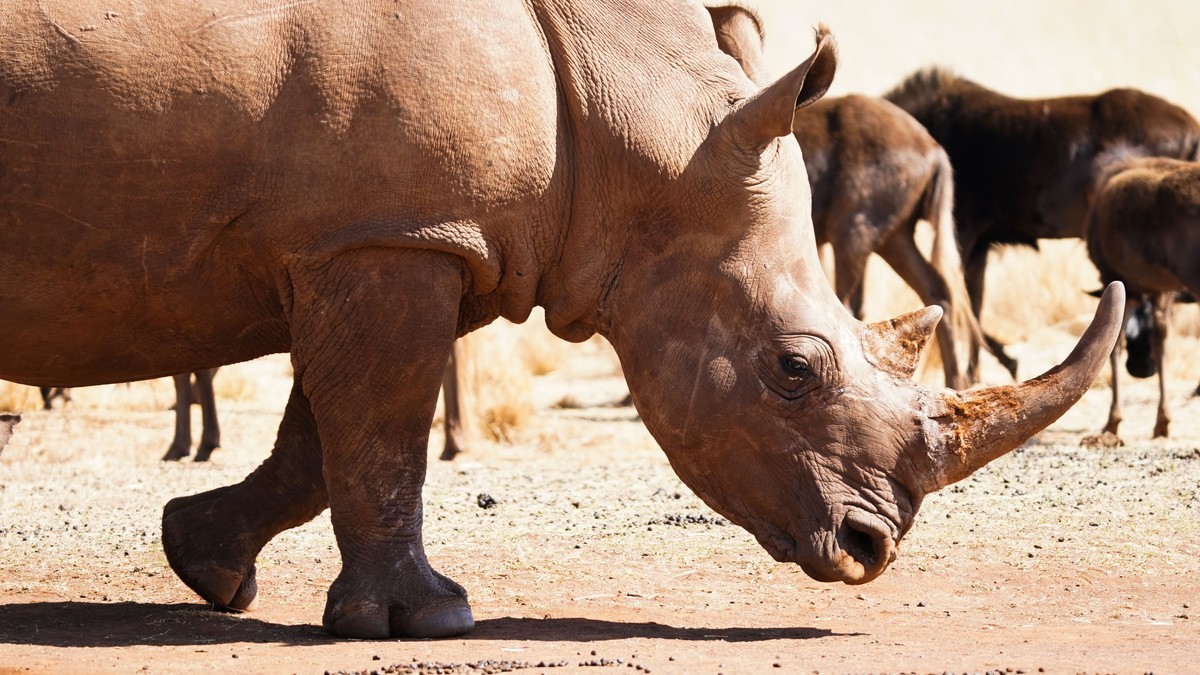
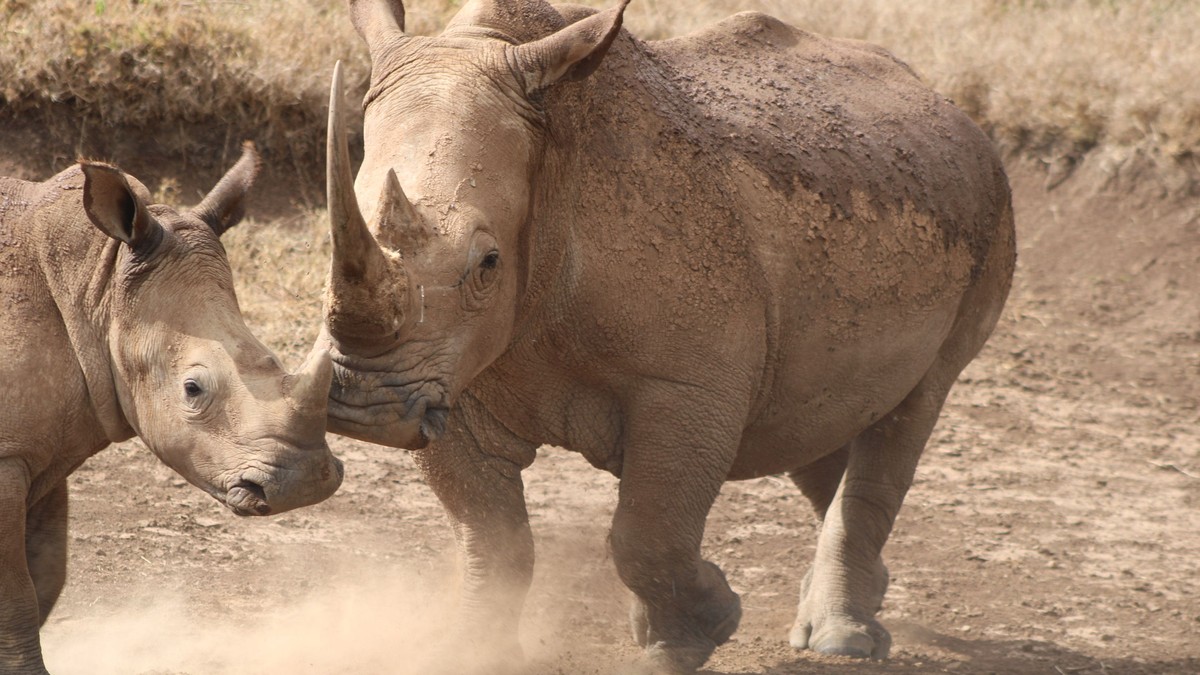
| Kifaru | ki-FA-roo | Rhino | On a game drive |
| Choo | CHO-oh | Toilet | Rest stops, camp |
| Maji | MA-jee | Water | Asking at a lodge or on a drive |
| Safari njema | sa-FA-ri n-JEH-ma | Safe travels, have a good trip | Saying goodbye at the end |
On the Game Drive: Phrases That Matter Most
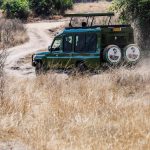
Your guide will use twende to signal the vehicle is moving, and pole pole far more than you expect. It is not just about pace on foot. Guides say it when a cheetah is stalking, when you lean too far out of the pop-top roof, or when you are rushing toward a sighting that needs quiet.
Tazama means look, usually followed by a pointed finger and a lowered voice. Learn it and you will catch the moment before the camera clicks.
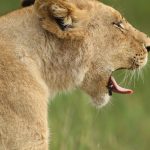
For the animals themselves, the Big Five animal names you’ll actually hear on a game drive are worth memorizing before you land. Simba, tembo, twiga, chui, and kifaru come up constantly, and guides genuinely enjoy it when a guest uses them unprompted. If you want to go further, the antelope species you’ll want vocabulary for include swala (gazelle), kongoni (hartebeest), and nyumbu (wildebeest), all common on the plains of the Mara and Amboseli.
Food, Water, and the Basics
At camp, maji gets you water, still or otherwise. Chakula means food, and chai covers both tea and, confusingly, a bribe in slang, so stick to context. Choo is the word you will actually need most on long drives between Nairobi and Samburu, a 325-kilometer stretch with long stretches between rest stops.
Numbers rarely come up beyond counting animals or agreeing on tip amounts. Moja (one), mbili (two), and tatu (three) cover most casual counting during a sighting.
Cultural Etiquette Beyond Words
Shikamoo aside, a few habits matter more than vocabulary. Ask before photographing Maasai or Samburu community members, and expect a small fee, often 200 to 500 KES per photo, at community visits near conservancies like Ol Pejeta or the Mara North Conservancy. Remove hats when entering someone’s home. Accept tea if it is offered, even a small cup, since refusing can read as impolite.
Where You’ll Actually Use These Words: Kenya Safari Circuit Distances
Phrases mean more when you know the ground they cover. Here is roughly what a first-time Kenya itinerary looks like from Nairobi, with distances, drive times, and standard non-resident park fees. Fees change periodically, so treat these as indicative ranges and confirm current rates before booking.
| Park or Reserve | Distance from Nairobi | Drive Time | Park Fee (non-resident, per adult/day, indicative) |
|---|---|---|---|
| Maasai Mara National Reserve | ~270 km | 5-6 hours by road, 45 min by air | USD 70-80 |
| Amboseli National Park | ~240 km | 4-5 hours | USD 60 |
| Lake Nakuru National Park | ~160 km | 3 hours | USD 60 |
| Samburu National Reserve | ~325 km | 5-6 hours | USD 65-70 |
| Tsavo East National Park | ~233 km | 4 hours | USD 50-55 |
Most first-time itineraries combine two or three of these, often flying between them to save driving time. That is also where your Swahili gets the most mileage, since each park has its own guiding culture. Maasai guides in the Mara lean on Maa alongside Swahili, while Samburu guides mix in Samburu language words for local wildlife.
Tipping and Saying Thank You Properly
Asante sana is the phrase to know at the end of a trip, said while handing over a tip in an envelope, not loose cash passed hand to hand. For specifics on amounts, our guide on how much to tip your guide breaks down daily rates for guides, camp staff, and trackers across a typical Kenya circuit.
A printable version of the phrase table above fits on one card. Keep it in your daypack alongside your binoculars, and glance at it before each new camp rather than trying to memorize everything before you fly out.
The Valley Safaris Difference
We brief every guest on these phrases before departure, not as a formality but because our guides genuinely notice when someone tries. Our itineraries are built around named camps and conservancies, not generic “East Africa” packages, so you will know exactly which Swahili and which local dialect words apply to Laikipia versus the Mara versus Samburu.
We also tell you honestly when English is enough. Not every guest wants to study vocabulary before a trip, and that is fine. What we will not do is hand you a script that mixes in Tanzanian Swahili slang you will never hear in Kenya, or skip the tipping and etiquette details that actually matter once you land.
Common Questions
What is the single most useful phrase? Asante sana. Gratitude, said with intent, carries further than any other phrase on this list.
Is Kenyan Swahili the same as Tanzanian Swahili? Close, but not identical. Kenya blends in more English and Sheng slang, especially in Nairobi and among younger guides, while Tanzanian Swahili tends to stay closer to formal Swahili.
What does “safari” actually mean? It simply means journey or trip in Swahili. It has nothing to do with animals specifically, which is why “safari njema” works as a farewell for any trip, not just a game drive.
Plan Your Trip With Someone Who Knows the Ground
Learning a handful of Swahili words is a nice start. Knowing which camp, which conservancy, and which season fits your first Kenya safari matters more. Talk to our team about building an itinerary around the parks and phrases in this guide, or browse our Kenya safari tours to see what a Valley Safaris trip actually looks like.