If your first Kenya trip was the Masai Mara and maybe a few days in Amboseli, you saw the classics. Lions on a kill, wildebeest crossing a river, Kilimanjaro floating behind the elephants. It is a good trip. It is also, in a way, the easy trip.
A Laikipia conservancy safari repeat visitors choose for round two looks nothing like a first Mara trip. It is a plateau of private conservancies northwest of Mount Kenya, and it rewards travelers who already know what a safari looks like and are ready for something quieter and more hands-on. If this isn’t your first Kenya safari, this is where I’d point you next.
The Laikipia Conservancy Safari Repeat Visitors Are Looking For
Laikipia does not have the density of wildlife you get in the Mara during the migration. What it has instead is access. Most of the land is privately owned or community-owned conservancy, not government park, which means camps can do things national parks simply do not allow.
You can walk with an armed guide and a tracker. You can drive at night with a spotlight and watch genets and aardvarks come out. You can get off the vehicle to look at a leopard tortoise or elephant dung up close, something that would get you a fine in the Mara.
First-time visitors often want guaranteed sightings and a tight schedule. Laikipia rewards patience and curiosity, which is exactly what a second or third trip is for. You already know cats exist. Now you want to understand the bush.
The conservancies that make up Laikipia
Laikipia is not one reserve. It is a patchwork of more than 40 conservancies and ranches, and the ones that matter most for visitors are:
- Lewa Wildlife Conservancy, 62,000 acres, the flagship rhino sanctuary and a UNESCO World Heritage Site since 2013.
- Borana Conservancy, sharing an unfenced border with Lewa, known for horseback safaris and its own growing rhino population.
- Loisaba Conservancy, 56,000 acres of rolling savannah with views toward Samburu, home to Loisaba Star Beds and the private Sirai House.
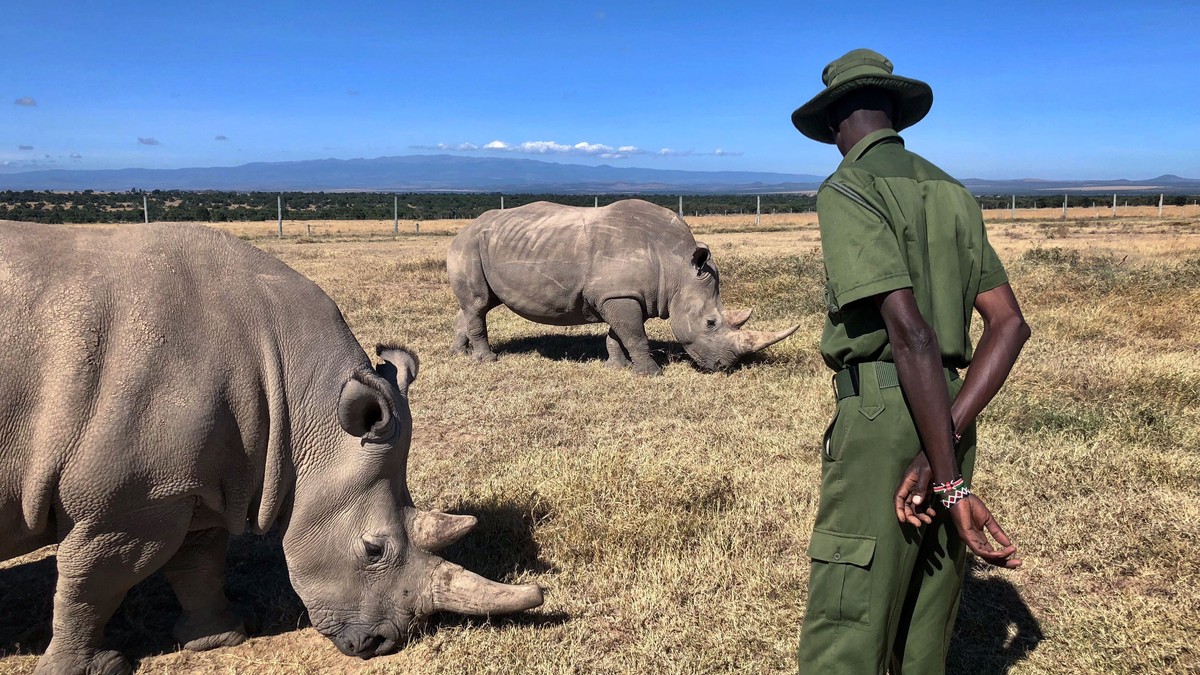
- Ol Pejeta Conservancy, the most accessible from Nanyuki, with the last two northern white rhinos on the planet and a chimpanzee sanctuary.
- Suyian, a lesser-known, family-run patch of Loisaba’s neighboring land, quiet and low-key.
- Il Ngwesi, a community-owned lodge run by the local Maasai, one of the original community conservation models in Kenya.
Each one has its own character, so picking the right one matters more here than in the Mara, where most camps face the same plains.
Activities you cannot do in a national park
This is the real difference between a Laikipia conservancy safari and your first trip. National parks like the Mara and Amboseli restrict vehicles to roads and forbid walking or night drives, for good reason given the volume of visitors. Conservancies set their own rules, usually with a cap on the number of beds per acre.
In Laikipia you can typically add:
- Walking safaris, from a short sundowner stroll to multi-day treks between camps
- Night game drives with spotlights, when genets, civets, and aardwolves are active
- Horseback safaris at Borana and Loisaba, riding among zebra and giraffe
- Camel treks, especially around Loisaba and Il Ngwesi, often with a fly-camp overnight
- Visits to rhino monitoring teams and anti-poaching units, with context from the rangers themselves
None of this replaces a Mara game drive. It adds a layer that a first safari rarely has room for.
Wildlife and conservation focus
Laikipia holds Kenya’s largest population of black rhino outside a fenced sanctuary and the country’s largest population of Grevy’s zebra, the endangered striped cousin of the plains zebra you saw in the Mara. Ol Pejeta alone protects around 160 black rhino and the world’s last two northern white rhinos, Najin and Fatu.
The region is also one of the few places in Africa where black leopards are reliably documented, particularly around Laikipia Wilderness Camp, thanks to research that began publishing images in 2019. Sightings are not guaranteed, but guides here track individual animals over years, not days.
African wild dogs den in Laikipia most years, and packs move across conservancy boundaries the way they would have moved a century ago. That kind of connected, unfenced land is rare in Kenya now, and it is a big part of why conservation groups treat Laikipia as a model.
Best time of year to visit
Laikipia works differently from the Mara’s migration calendar. There is no single “must go now” month.
The dry season, from June to October and again in January and February, gives you clearer skies, easier walking, and animals gathering at waterholes. This overlaps with Mara migration season, so it is popular if you are combining both.
The green season, from November to May, brings dramatic skies and newborn animals, plus lower rates at most camps. April and May are the wettest months and some camps close briefly for maintenance, so check before booking.
| Destination | Distance from Nairobi | Drive time | Flight time (from Wilson) | Indicative fee, non-resident |
|---|---|---|---|---|
| Lewa Wildlife Conservancy | 235 km | 5-6 hrs | approx. 45 min | USD 100-120/night conservancy fee (indicative) |
| Borana Conservancy | 240 km | 5-6 hrs | approx. 45 min | USD 100-120/night conservancy fee (indicative) |
| Loisaba Conservancy | 300 km | 6-7 hrs | approx. 50 min | USD 80-100/night conservancy fee (indicative) |
| Ol Pejeta Conservancy | 220 km | 4-5 hrs | approx. 45 min | USD 90 day entry (indicative) |
| Il Ngwesi | 255 km | 6 hrs | approx. 50 min | USD 60-80/night conservancy fee (indicative) |
| Samburu National Reserve | 345 km | 6-7 hrs | approx. 1 hr | USD 70 park fee (indicative) |
| Masai Mara National Reserve | 270 km | 5-6 hrs | approx. 45 min | USD 80 park fee (indicative) |
Rates change often and vary by camp and season, so treat these as a planning range, not a quote. Most flying safaris skip the drive entirely and connect by air between airstrips in under an hour.
Combining Laikipia with Samburu or the Mara
Because most visitors fly between camps on light aircraft, Laikipia slots easily into a longer itinerary. A common pattern for a second or third Kenya trip looks like this:
- 3 nights in Laikipia, split between a rhino-focused conservancy like Lewa and a wilder one like Loisaba
- 3 nights in Samburu National Reserve, roughly 40 minutes north by air, for the “special five” species found only in the drier north: Grevy’s zebra, reticulated giraffe, Somali ostrich, gerenuk, and Beisa oryx
- 3-4 nights in the Masai Mara if this is a family member’s first trip, or skip it if everyone has done the Mara already
- A short beach extension in Diani or Watamu to close the trip
If photography is the goal, pairing Laikipia with a Samburu photography extension makes sense, since the light and the arid-country species are different enough from Laikipia to justify both stops in one trip.
Getting there and choosing a camp
Most visitors fly from Nairobi’s Wilson Airport rather than drive, since 45 minutes in a Cessna beats 5 hours on the road, especially after a long-haul flight. Nanyuki town, at the base of Mount Kenya, is the main hub and has a proper airstrip serving several conservancies.
Budget matters here more than in the Mara, since Laikipia camps run smaller and more personal, which pushes nightly rates higher per person. As a rough guide:
- Entry-level tented camps: roughly USD 350-550 per person per night, full board
- Mid-range owner-run camps: roughly USD 550-800 per person per night
- Top-tier private houses like Sirai House or exclusive-use camps: often USD 1,000 or more per person per night, sometimes booked as a whole property
That is genuinely more than a first-timer’s Mara lodge might cost, and it is worth saying plainly. You are paying for smaller camps, private access, and activities the parks do not allow, not for guaranteed lion sightings. It is also worth knowing Laikipia is not malaria-free, so talk to your doctor about prophylaxis before you go, same as you would for the Mara.
The Valley Safaris Difference
We have sat around enough campfires in Laikipia to know that the best trips here are built around what you already know you like, not a generic checklist. If you loved a specific guide’s tracking skills in the Mara, we will look for that same style of guiding at Borana or Loisaba.
We also tell clients the truth about cost and trade-offs before they book, not after. If a camp is out of budget, we will say so and suggest an honest alternative, rather than upselling a room you will regret. And because we know these conservancies personally, we can often arrange the small things, like a private walking guide for a morning, or a surprise sundowner set up at the spot where you had your best sighting, the kind of detail that turns a good trip into the one you tell your friends about for years.
Plan your Laikipia trip with us
If Laikipia sounds like the right next step after your first Kenya safari, we would love to help you build it. Have a look at our Laikipia and Samburu safari itineraries or get in touch through our contact page and we will start putting a route together that fits your budget and your pace.