Every planning call starts the same way. “Do we need the Land Cruiser, or will the minivan be fine?” It’s a fair question, and the honest answer is: it depends on where you’re going and what you want out of the trip.
We’ve driven both safari vehicle types across Kenya for years, from the tarmac run to Amboseli to the dust and washboard sections on the C12 toward the Mara. The vehicle you choose changes your comfort, your photos, and your budget. Here’s what actually matters, without the generic pros-and-cons list you’ll find on most operator blogs.
The 4×4 Land Cruiser: Built for the Rough Stretches
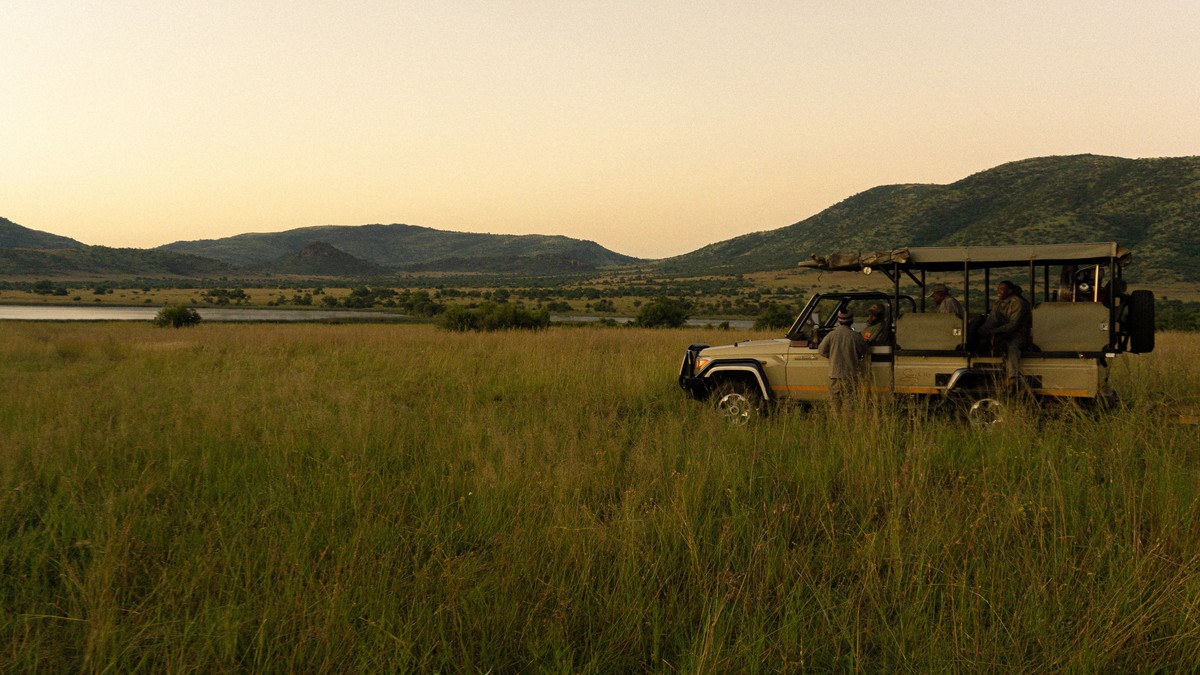
The Toyota Land Cruiser is the backbone of Kenyan safari travel. Ours seat 6 to 7 guests with a pop-up roof, meaning the roof panel lifts so everyone can stand and shoot photos in almost any direction without a window frame in the way.
Ground clearance matters more than people expect. Sections of the Mara Triangle and the tracks inside Amboseli turn to deep, sticky black cotton soil after rain, and a 2WD vehicle can sit there for hours waiting on a tow truck. The Land Cruiser’s low-range 4×4 gearing gets through it, and through the fine volcanic dust ruts near Amboseli’s Kimana gate in dry season too.
Fuel and maintenance cost more, which shows up in the day rate. But if your route includes the Mara, Amboseli’s back roads, Samburu, or anywhere north of Isiolo, this is usually the right call.
The Safari Minivan: Budget-Friendly, With Real Limits
The Toyota HiAce or Nissan safari van is the workhorse of budget and mid-range Kenya trips. It seats up to 7, has a smaller pop-up section, and costs noticeably less per day to run than a Land Cruiser.
Here’s the part most blogs skip: most safari minivans in Kenya are 2WD, not 4×4. On tarmac and graded murram roads, that’s not a problem. Nairobi to Lake Nakuru National Park, about 160 km on mostly paved road, is comfortable in a van. So is Nairobi to Amboseli in the dry season, roughly 240 km and four to five hours on the A104 and a decent access road.
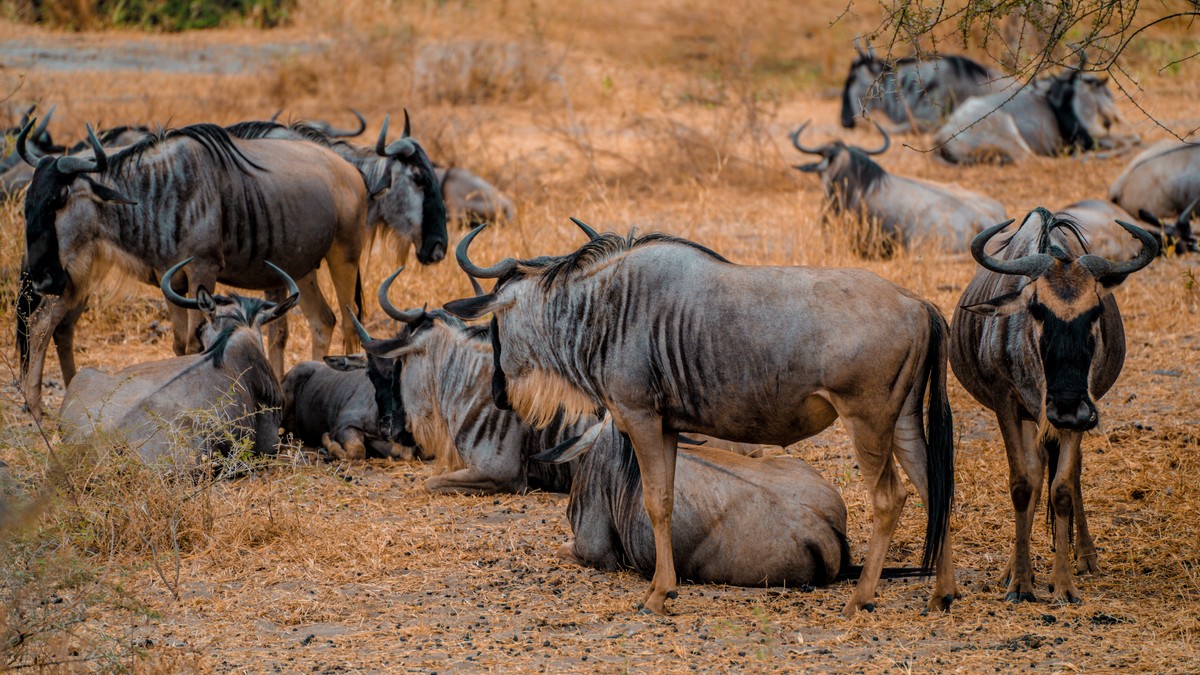
Where it struggles is the wet season and anywhere with soft, ungraded track. If your itinerary stays on tarmac-adjacent parks in June through September, a van saves real money. If you’re chasing the wildebeest migration in the Mara in July or August after rain, or traveling during April’s long rains, a van is a gamble. We’ve seen vans bogged to the axle on Mara tracks that a Land Cruiser crosses without slowing down.
Open-Sided 4x4s and Overland Trucks
Private conservancies like Mara North, Naboisho, and Olare Motorogi often require or prefer open-sided 4×4 Land Cruisers with no roof or side windows at all, built specifically for game viewing rather than road transfers. They give the lowest, clearest sightline for photography, but they’re conservancy-only vehicles, not built for long road transfers, and the lodges there usually supply their own for game drives.
Overland trucks seating 12 to 24 come into play for large reunion or multi-country groups moving between Kenya, Tanzania, and sometimes Uganda. They’re economical per person but slower and less nimble on rough park tracks. If you’re coordinating a big family trip, our guide on planning a large group safari walks through when a truck makes sense versus splitting the group into two or three Land Cruisers instead.
Terrain and Road Conditions: Where the Choice Actually Matters
This is the part that decides your trip, not brand loyalty.
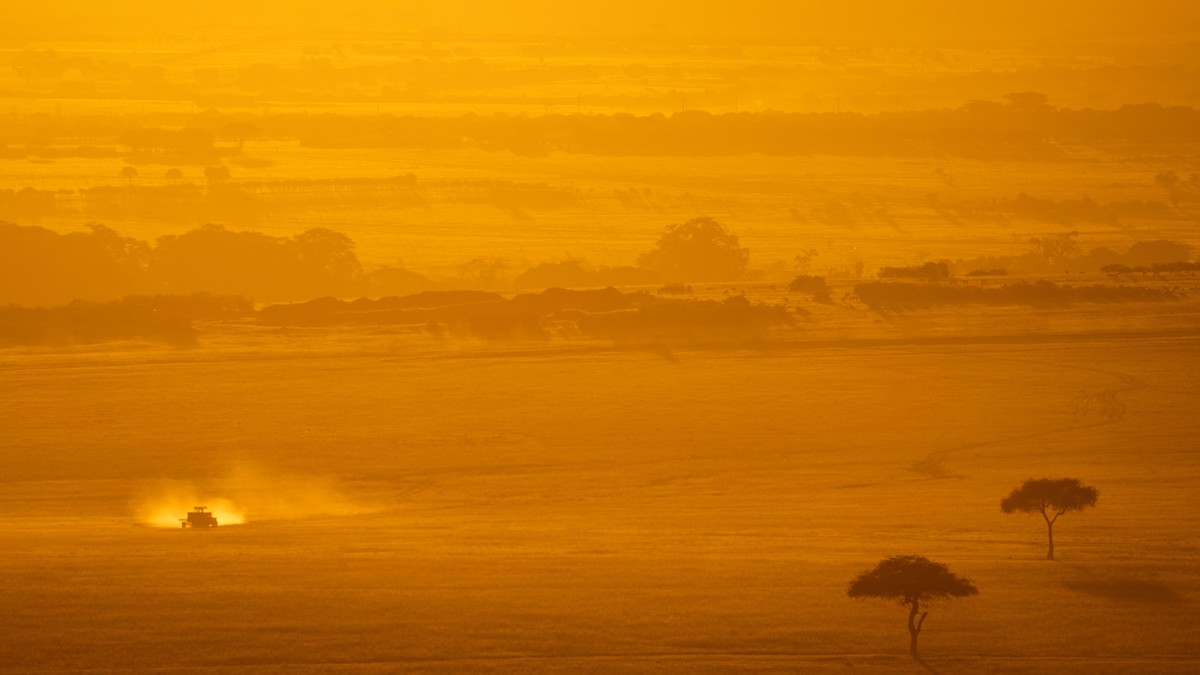
The C12 from Narok to the Mara’s Sekenani Gate covers roughly 275 km from Nairobi and takes 5 to 6 hours. The last stretch inside the reserve is unpaved and rutted, and during the March-to-May and October-to-November rains it turns to mud that swallows 2WD vehicles whole. Amboseli’s roads are mostly dry, fine volcanic dust, hard on undercarriages but rarely axle-deep. Tsavo West’s roads sit somewhere in between, rocky and eroded in patches after storms.
If you’re only visiting Nakuru, Naivasha, or doing a short, dry-season Amboseli trip, a minivan is genuinely fine. Add the Mara, Samburu, or a wet-season date, and the Land Cruiser earns its higher price tag.
Comfort, Space, and the Photography Angle
Per seat, the Land Cruiser gives more shoulder room and a higher, wider view through the pop-up roof. Standing to shoot with a 400mm lens is easier with three or four people up top rather than six or seven crowded together.
The minivan’s pop-up section is smaller and lower, which is fine for phone photos and casual viewing, but tighter for serious camera gear. Open-sided 4x4s beat both for pure photography, since there’s no roof frame or window line cutting through your shot at all.
Safety in the Rain, Luxury Camps, and Is the Savings Worth It?
Safari vans are safe on graded roads in good weather. The real risk isn’t a crash, it’s getting stuck for hours on a remote track with no phone signal, which eats into game drive time and can mean missing a transfer or a flight connection at an airstrip like Ol Kiombo or Musiara.
Most luxury camps and tented lodges in the Mara conservancies, Amboseli, and Samburu run their own open-sided 4×4 fleets for game drives, and expect guests to arrive by closed Land Cruiser or light aircraft rather than by minivan. If you’ve booked a high-end stay, a minivan for the road transfer can feel like a mismatch with the rest of the experience.
Is the minivan worth it to save money? For a short, dry-season, tarmac-heavy trip, yes. For anything touching the Mara in the rains, or a photography-focused itinerary, the savings usually cost you more in frustration than the price difference is worth.
Cost Comparison: What You Actually Pay
Exact rates shift with season, group size, and fuel prices, so treat the figures below as an indicative range based on typical Kenya safari day rates in 2026, not a fixed quote.
| Vehicle Type | Typical Capacity | Drive Type | Indicative Day Rate (USD, vehicle + driver-guide) | Best Suited For |
|---|---|---|---|---|
| Safari minivan (HiAce) | 6-7 pax | 2WD | $180-$260/day | Nakuru, Naivasha, dry-season Amboseli, tarmac-heavy routes |
| 4×4 Land Cruiser (pop-up roof) | 6-7 pax | 4×4 | $260-$400/day | Masai Mara, Samburu, wet-season travel, mixed itineraries |
| Open-sided 4×4 (conservancy) | 6 pax | 4×4 | Usually bundled into lodge/conservancy rate | Mara North, Naboisho, Olare Motorogi photography stays |
| Overland truck | 12-24 pax | 4×4/2WD variants | $70-$120/day per person | Large reunion groups, multi-country trips |
Rough distances for context: Nairobi to Amboseli National Park is about 240 km (4-5 hours), Nairobi to Masai Mara via the C12 is about 275 km (5-6 hours), and Nairobi to Lake Nakuru is about 160 km (2.5-3 hours). Park fees add up separately. Amboseli’s non-resident gate fee runs around $60 per adult per day, and Masai Mara National Reserve is typically $100 per adult per day in peak season. Both figures are indicative and subject to Kenya Wildlife Service and county rate changes. For more on why those numbers keep climbing, see our piece on why safari prices are rising in 2026.
How to Choose Between Safari Vehicle Types: Land Cruiser vs Minivan
There’s no universal winner here. It depends on who’s traveling and where.
| Traveler Type | Recommended Vehicle | Why |
|---|---|---|
| Budget trip, short tarmac routes | Minivan | Saves $80-$140/day with minimal comfort loss on good roads |
| Photography-focused travelers | Land Cruiser or open-sided 4×4 | Higher sightline, more standing room, better lens angles |
| Family with young kids | Land Cruiser | More space per seat, safer on rough stretches, easier rest stops |
| Large reunion or group trip | Overland truck or multiple Land Cruisers | Better per-person economics, flexible splitting for game drives |
| Mara, Samburu, or wet-season travel | Land Cruiser | 2WD vans risk getting stuck on black cotton soil |
If you’re weighing whether to drive yourself instead of hiring either option, our guide on which parks allow self-drive covers where a rental sedan simply won’t cope.
The Valley Safaris Difference
We don’t put every client in the same vehicle by default. When you book with us, we ask about your route, your season, and whether photography is a priority, then match the vehicle to the answer, not the other way around.
Our Land Cruisers get serviced before every long trip, not just on a fixed schedule, because a breakdown on the C12 costs you a game drive you can’t get back. Our drivers know which stretches of Amboseli dust to avoid after a dry spell and which Mara river crossings to skip after rain. That local judgment, built over years on these exact roads, is worth more than any spec sheet.
Plan Your Trip With Us
Not sure which vehicle fits your route, season, and group? Have a look at our tour packages or reach out through our contact page, and we’ll help you plan a Kenya safari that matches your budget and your priorities.