Ask a first-time visitor which animal worries them most, and most say lion or crocodile. Almost nobody says hippo. That gap between fear and fact is exactly what gets people hurt.
Hippos are the animal Kenyan guides actually worry about. They are fast, territorial, and live right next to the water where tourists want to swim, boat, and take photos. This hippo attack safety kenya safari guide breaks down the real risk, where it is highest in Kenya, and exactly what to do so your trip stays safe and unforgettable for the right reasons.
Do Hippos Really Kill More People Than Lions in Kenya?
Yes, and it is not close. Wildlife researchers across Africa commonly cite an estimate of around 500 human deaths from hippos per year continent-wide, compared to well under 100 from lions. Kenya does not publish a single national tally that breaks this down by species every year, so treat any exact Kenya-only number as an informed estimate rather than a hard count. What is well documented is the pattern: most fatal encounters happen near lakes and rivers, involve people on foot or in small boats, and occur when a hippo feels cut off from open water.
Lions mostly avoid humans. Hippos do not need to. They graze on land at night and return to water by day, and they will move through, not around, anything blocking that path. That includes a tourist standing on the wrong footpath at dusk.
Where Hippo Risk Is Highest in Kenya
Risk is not spread evenly. It clusters around specific lakes and river stretches, and knowing these spots changes how you plan.
| Location | Distance from Nairobi | Drive Time | Typical Fee | Hippo Risk |
|---|---|---|---|---|
| Lake Naivasha | 90 km | 1.5 hours | Boat ride approx. KES 2,500 to 3,500 per person | High, unfenced shoreline and lodges |
| Maasai Mara (Mara River) | 270 km | 5 to 6 hours by road, 45 minutes by air | $80 per day, non-resident (high season) | High at crossing points |
| Tsavo East (Athi/Galana River) | 330 km | 4.5 to 5 hours | $52 per day, non-resident | Moderate, riverine stretches only |
| Lake Baringo | 285 km | 5 hours | Minimal boat and community fee | High, hippos graze near villages |
Lake Naivasha deserves special mention. It is one of the only Kenyan lakes where lodges sit directly on an open, unfenced shore, so hippos wander through camp grounds at night. Guests have been charged while walking between their room and the dining tent. This is not a reason to skip Naivasha. It is a reason to always take a staff escort after dark, something every reputable lodge there already insists on.
The Mara River crossing points, especially near Lookout Hill and Paradise Plain, hold both hippos and large crocodiles in the same pools. During the wildebeest migration season, from around July to October, guides deliberately position vehicles on high banks, not the water’s edge, for exactly this reason.
Why Hippos Attack, and the Warning Signs to Watch For
Hippos attack for three main reasons: a blocked path to water, a mother protecting a calf, or a boat or canoe that has drifted into a pod’s territory. They are not hunting you. They are removing an obstacle, and an adult hippo can outrun a human over short distances, reaching speeds close to 30 km/h on land.
Watch for these signs before trouble starts:
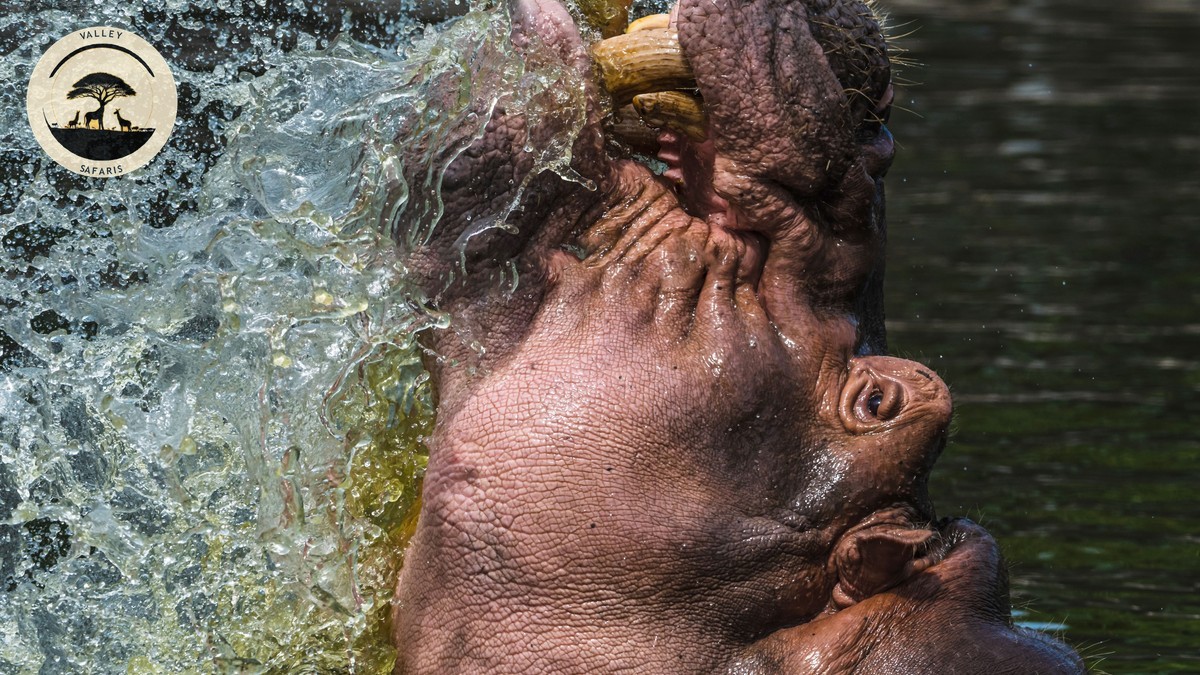
- Wide yawning, which displays tusks as a warning, not a sign of tiredness
- Sudden silence and stillness in a pod that was grunting a moment before
- Oxpeckers or egrets lifting off a hippo’s back suddenly
- Fresh, wide dung trails or flattened grass paths leading from water to grazing ground
- Ears flicking rapidly while the head stays pointed at you
Guides read these cues constantly, often without mentioning it, which is part of why a good guide is worth the money.
Hippo Attack Safety Kenya Safari: Vehicle, Foot, and Water Rules
Inside a closed safari vehicle, hippo risk is very low. Hippos rarely attack cars, and Valley Safaris drivers already keep at least 20 to 30 meters from any pod on land. The danger rises sharply once you are on foot or on water, which is why the rules change completely for walking safaris and boat trips.
On foot, keep at least 30 meters from any hippo, and never walk between a hippo and the water. On water, a licensed boat operator will already avoid drifting into a pod, keep the engine running, and stay in open channels rather than reeds where a hippo can surface unseen.
What To Do If a Hippo Charges You
If a hippo charges on land, run in a straight line away from the water, not toward it, since a hippo’s goal is usually to reach the lake or river, not to chase you indefinitely. Do not try to climb a tree unless it is close and sturdy. Do not run in a zigzag, which wastes time you do not have.
If you are in a small boat and it capsizes near hippos, get away from the boat itself first, since hippos attack what is nearest and largest in the water, then swim for the nearest shore in a direction away from the pod. This is rare with a licensed operator, because experienced boatmen read the water and reroute long before it becomes a problem.
Walking Safaris and Boat Rides: Special Precautions
A walking safari near hippo territory always includes an armed, KWS-licensed ranger walking point, ahead of the group, watching the ground and the water line. Guides brief guests before setting out: single file, no sudden noise, and stop immediately on a raised hand signal.
Boat safaris on Lake Naivasha or the Ewaso Nyiro River in Samburu use flat-bottomed boats that sit lower and quieter in the water. Good operators cap group size at six to eight guests so the boatman can react fast if a pod surfaces close by.
What KWS Rangers Do, and Real Incidents
Kenya Wildlife Service rangers patrol high-traffic hippo zones, particularly around Lake Naivasha’s public access points and the Mara’s river crossings, and they are trained to disperse crowds gathering too close to a basking pod. In 2023, local news reported a fatal hippo attack on a fisherman near Lake Naivasha, a reminder that most victims are local residents fishing or farming near the shore, not tourists on an escorted safari. That distinction matters. Structured group safaris with briefed guides carry meaningfully lower risk than casual, unsupervised access to hippo habitat.
Choosing a Licensed Operator
The single biggest safety factor is not luck. It is who is driving your vehicle or steering your boat. Before booking anything involving water or a walking component, confirm your operator is properly licensed with KWS and carries proper insurance. Ask directly how many meters they keep from hippos and whether their walking guides carry firearms training. A hesitant answer is a red flag.
The Valley Safaris Difference
Every Valley Safaris guide completes KWS-recognized guide training, and our walking safaris in the Mara and around Lake Naivasha always include a licensed armed ranger, not an optional add-on. Our drivers know the specific hippo pods along the Mara River by sight, which sandbanks they favor in July, and which footpaths near Naivasha camps to avoid after 6 p.m.
We also brief every guest before a boat trip or bush walk, in plain language, on what a warning yawn looks like and where to stand. It is not a scripted safety talk. It is the same conversation our guides would have with a friend visiting for the first time, because that is genuinely how we think about our guests.
Ready to See Kenya Safely?
Hippos are part of what makes a Kenyan safari real, not a reason to skip the water and the riverbanks altogether. With the right guide and a few clear rules, the risk stays manageable and the memories stay good. If you are planning your first trip and want an itinerary built around these exact safety habits, visit our contact page and let’s plan it together.