Mount Kilimanjaro sits in Tanzania, about 40km south of Amboseli National Park’s boundary. You never cross the border to see it. Kilimanjaro views from Amboseli are some of the best in East Africa, and on a clear morning, the whole massif rises over the Amboseli plains like it belongs to Kenya. Honestly, from this angle, it looks better than it does from most points inside Tanzania itself.
I have guided photographers here for years, and the question I get most is simple: will I actually see it? Nobody tells clients the honest odds. So here they are, month by month, plus which rooms at which lodges actually face the mountain, not just the marketing photos.
Can You Actually See Kilimanjaro From Amboseli?
Yes, on clear days, and Amboseli is the single best place in Kenya to do it. At 5,895m, Kilimanjaro is Africa’s tallest peak, tall enough to build its own weather. That’s the catch. The mountain creates cloud cover most afternoons, when heat rises off the plains and condenses around the summit.
Amboseli works because the park sits almost directly north of the peak, with wide open plains and none of the tree cover or ridgelines that block views elsewhere. Tsavo West has a Kilimanjaro view from Chyulu Hills, but it’s farther away and hazier most days. For a dependable, close, unobstructed view, Amboseli wins.
Best Time of Day to See Kilimanjaro
Early morning is your window, roughly 6:00am to 9:00am. The air is coolest and driest then, before the day’s heat builds cloud around the summit. I’ve watched the mountain go from fully visible to completely swallowed in under an hour, sometimes in twenty minutes.
Late afternoon, from about 5:30pm toward sunset, offers a second chance. Clouds sometimes break up as the day cools, and you get warm light on the snowcap instead of the flat glare of midday. It’s less reliable than morning, but when it works, the colors beat anything you’ll get at dawn.
Midday is usually a write-off for photography. The same logic that drives our advice on morning vs afternoon game drives applies here: plan your Kilimanjaro shoot around the animals’ and the mountain’s schedule, not your own convenience.
Best Time of Year for Kilimanjaro Views from Amboseli
Dry season is the standard advice everywhere, and it’s correct, but nobody quantifies it. Based on years of guiding here, this is roughly what to expect for a clear morning view during a two or three night stay.
| Month | Clear-view odds (morning) | Conditions |
|---|---|---|
| January – February | High (indicative 70-80%) | Dry, hot afternoons, dusty |
| March – May | Low (indicative 20-35%) | Long rains, heavy cloud cover |
| June – July | Moderate-high (indicative 60-70%) | Cool, dry, some haze |
| August – September | High (indicative 70-80%) | Driest window, best clarity |
| October | Moderate (indicative 45-55%) | Short rains begin, mixed |
| November – December | Low-moderate (indicative 30-45%) | Short rains, cloud build-up |
These are indicative ranges from guide experience, not official meteorological data, but they hold up trip after trip. August and September give the most reliable combination of dry ground and clear summit views. If your whole trip hinges on that photo, avoid booking Amboseli for late March through May.
Best Viewpoints Inside the Park
Observation Hill is the park’s only rise you can climb on foot, and yes, it’s worth the stop. It gives you a wide view over Amboseli’s swamps and, on a clear day, Kilimanjaro behind them. It’s more useful for scouting wildlife near the marshes than for the mountain shot itself, since you’re not much closer to Kilimanjaro than from the plains below.
For the classic elephant-with-Kilimanjaro photograph, the Ol Tukai plains and the area around Enkongo Narok swamp are your best bet. Elephants graze here through the morning, with the mountain as backdrop when skies cooperate. Position yourself west of the swamp in early morning so the light comes from behind you, not behind the mountain.
Best Lodges With Kilimanjaro-View Rooms
Marketing photos show Kilimanjaro from every lodge in Amboseli. Reality is narrower. Here’s what actually faces the mountain, and what you pay for it.
| Lodge | View-facing rooms | Approx. rate premium | Notes |
|---|---|---|---|
| Ol Tukai Lodge | Rooms in the Kibo wing, south-facing | +$30-50/night over standard | Closest views to Ol Tukai plains |
| Tortilis Camp (Elewana) | Select tents on the upper tier | +$60-100/night over standard | Built specifically around the view, small camp |
| Tawi Lodge | All rooms angle toward Kilimanjaro | Built into standard rate | Outside the park boundary, quieter |
| Amboseli Serena Safari Lodge | Garden-facing rooms only, view is partial | No dedicated view-room category | Ask for upper-floor rooms near reception |
Prices above are indicative ranges based on typical rack rates and change with season, so confirm current figures when booking. Tortilis and Tawi are the two properties genuinely built with the mountain in mind. Ol Tukai gets you closest to the plains for morning shoots. Serena is fine for a stay but don’t book it specifically for the view.
Photography Tips for Capturing Kilimanjaro
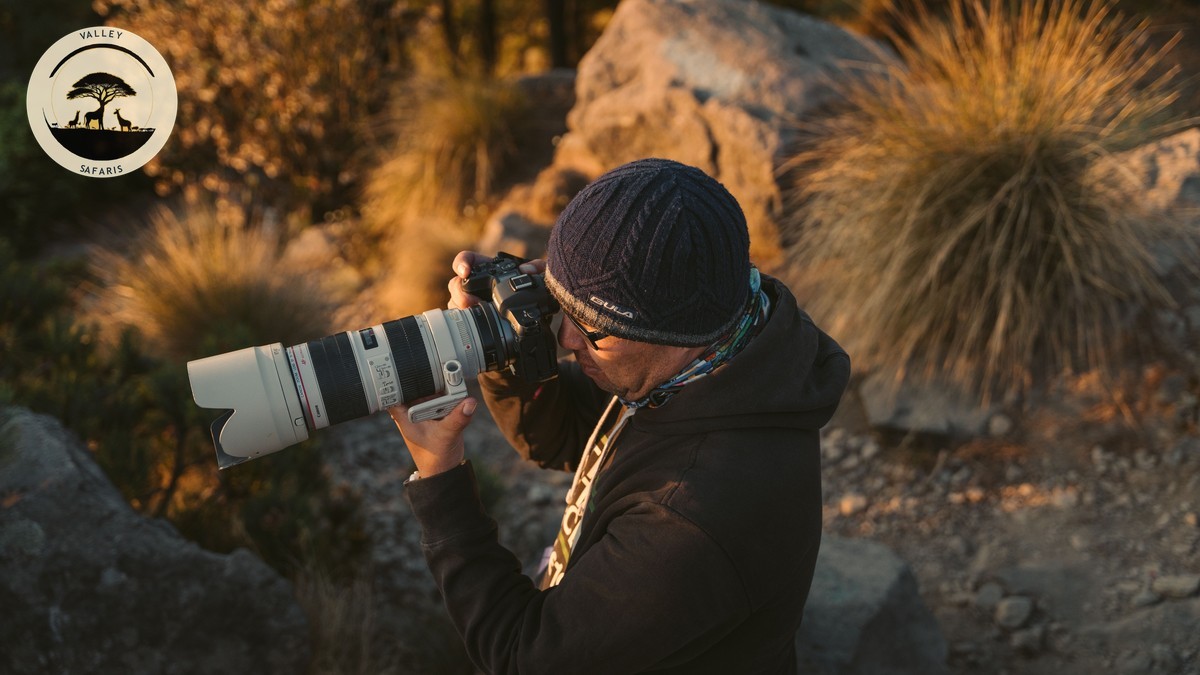
Heat haze is your main enemy, not clouds. Even on a technically clear day, rising heat can soften the mountain into a smudge by mid-morning. Shoot before 8:30am for the sharpest results, and use a polarizing filter to cut glare off the plains.
Dust is the second problem. Amboseli’s dry lakebed throws fine dust into the air whenever vehicles move, which softens contrast in your images. Keep some distance from other vehicles and shoot into clean air where you can.
For the elephant-and-mountain composition, use a longer lens, 200mm or more, to compress the scene so the mountain doesn’t look like a small gray triangle behind a tiny elephant. Get low, shoot wide when the herd is close, and always check the drone rules first: drone rules in Kenya’s national parks are strict, and Amboseli enforces them closely near the swamps.
Amboseli Safari vs. Climbing Kilimanjaro
These are two completely different trips, and it’s worth saying plainly. Climbing Kilimanjaro takes 6 to 9 days, costs upward of $2,000 per person, and demands real physical preparation. Seeing it from Amboseli takes a morning and a good vehicle position.
If your goal is the photograph, not the summit, Amboseli gives you the shot without the altitude sickness. If you want both, most travelers do the mountain first, then unwind with two or three nights in Amboseli afterward.
How Many Nights Do You Need?
Two nights minimum, three if you want a real buffer. One night gives you a single morning shot, and if clouds win that day, you’re out of luck. Two nights gives you two mornings and one evening attempt. For guidance on pacing the rest of your trip, see how many nights to plan per camp.
Amboseli’s wildlife photography is honestly weaker than the Maasai Mara for most of the day, because of the dust and haze off the lakebed. Treat the mountain as the headline reason to stop here for two nights, not a bonus on a drive-through between other parks.
Combining Amboseli With Other Parks
Amboseli sits about 240km from Nairobi, roughly a 4 hour drive via Namanga road, or a 45-minute flight from Wilson Airport. It pairs naturally with Tsavo West, about 3 hours south, or with the Maasai Mara as a second stop if you’re building a longer circuit.
A common pattern we build for photographers: two nights in Amboseli for the mountain and elephant herds, then on to the Mara for denser wildlife action once the Kilimanjaro shot is in the bag.
The Valley Safaris Difference
We don’t promise you’ll see Kilimanjaro. Nobody honestly can, not even in August. What we do is stack the odds in your favor, booking you into rooms that genuinely face the mountain, timing your game drives around the morning and evening windows, and building in enough nights that one cloudy day doesn’t sink the whole trip.
Our guides know which side of Ol Tukai plains to park on before sunrise, and they carry that patience into every part of the day, not just the mountain shot. That’s the difference between a drive-through stop and a trip built around getting the photograph you came for.
Plan Your Amboseli Trip
Ready to chase that Kilimanjaro window with a guide who knows the odds by month and the rooms that actually deliver? Get in touch through our contact page and let’s build your Amboseli itinerary around the light.