If you’re researching Nairobi to Nakuru public transport, here’s what actually works. Lake Nakuru National Park sits about 157 kilometers northwest of Nairobi. Getting there by public transport is easier than most travel sites make it sound. I have done this route by matatu, by shuttle, and once squeezed into a coach seat next to someone’s sack of potatoes. This guide covers every real option, what it costs in 2026, and the one thing almost every other guide skips: how to actually get from the Nakuru bus stage into the park itself.
How Far Is Nakuru From Nairobi, Really?
Distances quoted online range from 137 to 161 kilometers, depending on which route and which map you trust. The main road, through Naivasha and Gilgil, runs close to 157 kilometers. On a clear day with light traffic, that’s a 2.5 hour drive. Add roadworks, a weighbridge queue, or afternoon Nairobi traffic, and you’re looking at 4 to 4.5 hours. Budget for the longer end and treat anything faster as a bonus.
Nairobi to Nakuru Public Transport Options at a Glance
Here’s how the main choices stack up on cost and comfort.
| Option | Distance | Duration | Typical Fare (one way) |
|---|---|---|---|
| Matatu (14-seater) | ~157 km | 2.5-3.5 hrs | KES 400-500 |
| Shared shuttle | ~157 km | 2.5-3.5 hrs | KES 500-700 |
| Standard coach (Mololine, Easy Coach) | ~157 km | 3-4 hrs | KES 600-900 |
| VIP or business class coach | ~157 km | 3-4 hrs | KES 1,000-1,450 |
| Private taxi or car hire with driver | ~157 km | 2.5-3 hrs | KES 8,000-12,000 |
| Self-drive rental car | ~157 km | 2.5-3 hrs | KES 4,000-7,000/day plus fuel |
Matatus are the cheapest and most frequent, leaving Nairobi throughout the day. Shuttles are a step up, usually a 14 to 25 seat van with assigned seats and less overloading. Coaches feel most like a proper bus, with luggage bays and a toilet stop, usually near Naivasha or Gilgil.
Fares by Operator and Class
Mololine, often called 2NK, is the long-running name on this route and runs frequent departures for around KES 600-800 in standard class. Easy Coach covers Nakuru as one stop on its longer Nairobi-Kisumu or Nairobi-Busia services, so fares can run closer to KES 800-1,000 even though you’re only riding part of the route. Guardian Angel and ENA Coach also serve Nakuru, mostly as a stopover on their way further west, with similar pricing.
Matatus at the Tea Room stage undercut all of them, but comfort and safety standards vary more between vehicles. If you’re weighing whether to carry cash or pay by app, our guide to cash or card for your Kenya trip breaks down what actually works at these terminals.
Where to Catch Your Ride in Nairobi
Matatus and shared taxis to Nakuru mostly gather around Tea Room, on Kenneth Matiba Road near the old General Post Office. Easy Coach has its own terminus off Lagos Road near Cross Road. Mololine operates from a stage near the old Railways area. None of these are far from each other, but they are not the same building, so confirm which operator you’re using before you go looking for the bus.
Arrive at least 20 minutes before you want to leave. Matatus often wait to fill up, while coaches keep fixed departure times and won’t wait for latecomers.
The Rironi-Mau Summit Squeeze: Road Conditions in 2026
The biggest wildcard on this route right now is construction. The Rironi to Mau Summit road upgrade, which passes through Naivasha, Gilgil, and Nakuru, has been ongoing for several years and still causes single-lane sections and stop-go traffic in 2026. Expect the worst delays around Gilgil, partly from construction and partly from the weighbridge, where trucks queue and slow everything behind them.
Early morning departures, before 8am, tend to move faster than midday or evening trips. If your driver mentions Mau Summit delays, that’s this project, not a one-off problem.
What About the SGR Train?
Short answer: not really, not yet. The Standard Gauge Railway line from Nairobi ends at Suswa station, still about 60 kilometers short of Naivasha and well short of Nakuru. There is no through SGR passenger service to Nakuru town. Some tourist charter trains, like the old MGR Safari Train, run occasional scenic trips on the older track, but they are not a regular commuter option and shouldn’t be your plan for getting to the park. For this route, road transport is still the honest answer.
Booking Ahead: Apps and Terminals
If you want a seat guaranteed before you arrive, apps like 12Go, Bookaway, and QuickBus list several of these coach operators with online payment. It’s handy for weekends and holidays when demand is higher. For matatus, though, there’s usually no booking system. You just show up, buy a ticket at the stage, and board.
From the Nakuru Stage to the Actual Park
This is where most guides stop, and where the real planning starts. The main bus stage in Nakuru town sits a few kilometers from Lake Nakuru National Park’s Main Gate. A tuk-tuk or boda boda covers that stretch for roughly KES 100-300, or a taxi for KES 500-800.
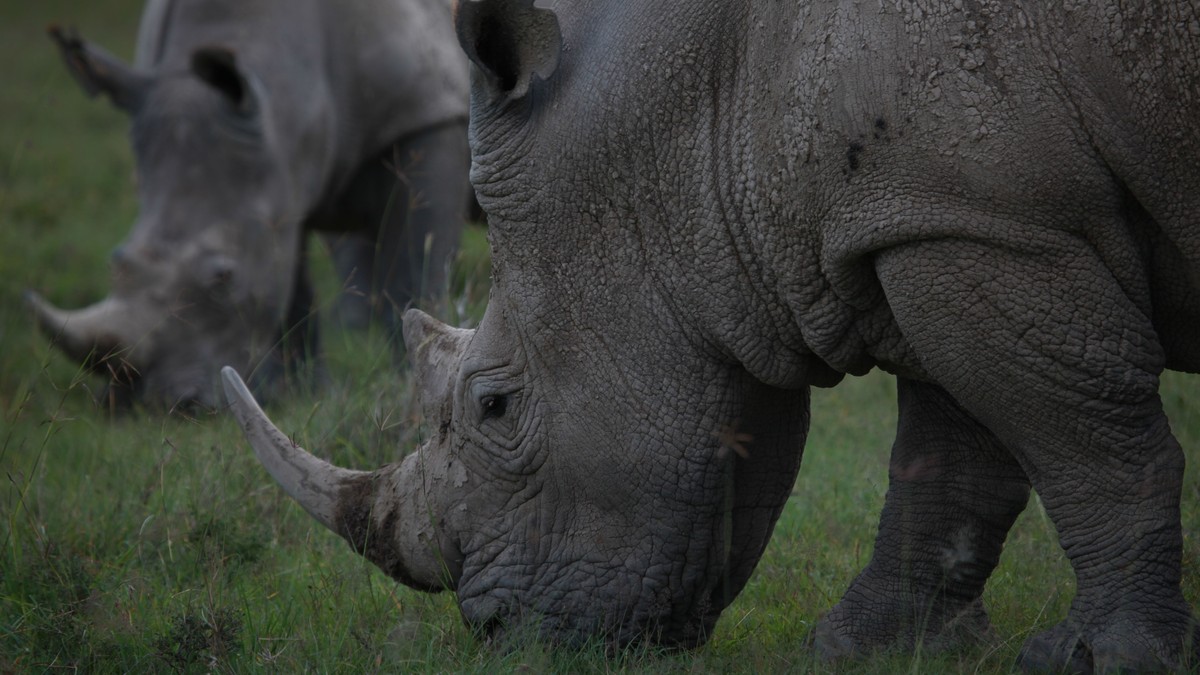
Here’s the part that catches people out: you cannot walk into Lake Nakuru National Park. Rhinos, buffalo, and lions live inside, and rangers won’t let visitors on foot past the gate. You need a vehicle for the whole time you’re inside, whether that’s a hired safari car with a driver-guide, a self-drive rental, or a seat on a group tour.
Entrance fees for 2026 run around USD 60 per adult non-resident per day, with reduced rates for children and East African residents. A half-day vehicle and guide inside the park typically costs an additional USD 60-100, depending on group size. Traveling solo makes this expensive per person, which is exactly why joining others helps. Our page on budget group-joining safaris explains how sharing a vehicle and guide with other travelers cuts that cost significantly.
If you’re comparing this trip to other classic budget routes, our Nairobi to Masai Mara by bus guide covers a similar hybrid approach, cheap transport to town, then a proper vehicle for the park itself.
Safety and Comfort Tips for Budget and Solo Travelers
Travel during daylight when you can. Night travel on this road isn’t recommended, mainly because of poor visibility around the construction zones and less reliable roadside assistance if something goes wrong.
Keep your daypack on your lap, not in the overhead rack, especially on matatus. Choose a coach with a named company logo and visible registration over an unmarked vehicle if you’re unsure. Solo women travelers generally report Mololine and Easy Coach as the more predictable choices, since seats are numbered and the crew is accountable to a company office.
Pack a light jacket. Nakuru sits higher than Nairobi in places, and the wind off the lake can be cool even at midday.
The Valley Safaris Difference
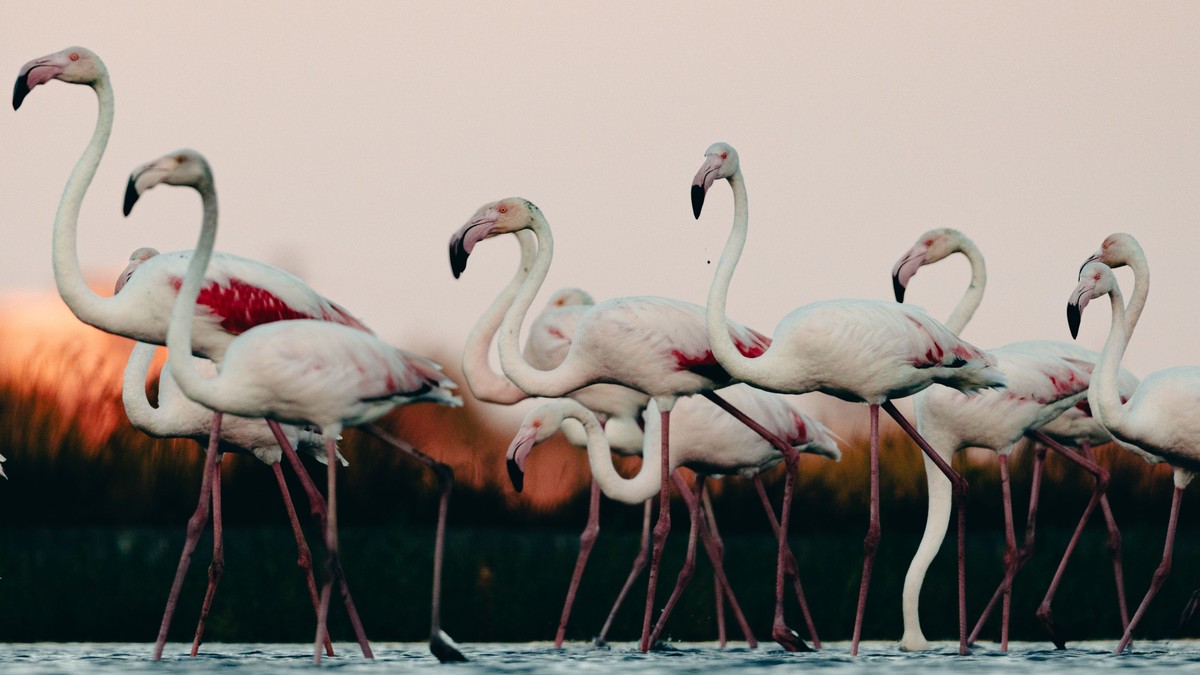
Most transport guides end at the bus stage, because that’s as far as aggregator sites go. We don’t stop there, because that’s not where your trip ends. We know which gate gets you closest to the flamingos on a good week, which driver-guides know where the rhinos have been moving, and how to time your park entry around the coach schedules so you’re not wasting daylight hours in transit.
We’ve also seen enough travelers arrive at Nakuru town with no plan for the last four kilometers to build that step into every itinerary we quote. Public transport gets you to the edge of the adventure. We handle the part that actually needs a trained eye and a proper vehicle.
Frequently Asked Questions
How much is the fare from Nairobi to Nakuru? Matatus run KES 400-500, shuttles KES 500-700, and coaches KES 600-1,450 depending on class.
How long does the trip take? Usually 2.5 to 4.5 hours, depending on traffic and roadworks around Gilgil.
Is there a train to Nakuru? Not directly. The SGR stops at Suswa station, well short of Nakuru town.
Can I reach Lake Nakuru National Park by public transport alone? You can reach Nakuru town, but you need a vehicle to enter and move around inside the park itself.
Is night travel safe on this route? Daytime travel is safer and more comfortable, especially with ongoing construction on the Rironi-Mau Summit road.
Plan the Rest of Your Trip With Us
Getting to Nakuru town is the easy part. Making the most of Lake Nakuru National Park, with the right vehicle, the right timing, and a guide who knows the park, is where we come in. Visit our Lake Nakuru safari page to see current itineraries, or reach out through our contact page and we’ll help you plan the rest of the route.