If you have already done the Maasai Mara, you know the drill. Wildebeest, wall to wall vehicles at a river crossing, and a guide radio that never stops chattering. A Tsavo East and Tsavo West underrated safari trip feels different, and most guides who write about it never explain why it works.
Tsavo East and Tsavo West together cover about 22,812 square km. That is bigger than Wales, and more than fifteen times the size of the Maasai Mara’s 1,510 square km. Yet most first time visitors skip it entirely. This guide gives you real camps, real prices, and honest trade-offs, not just another East versus West comparison.
Tsavo East and Tsavo West: The Underrated Safari Combo
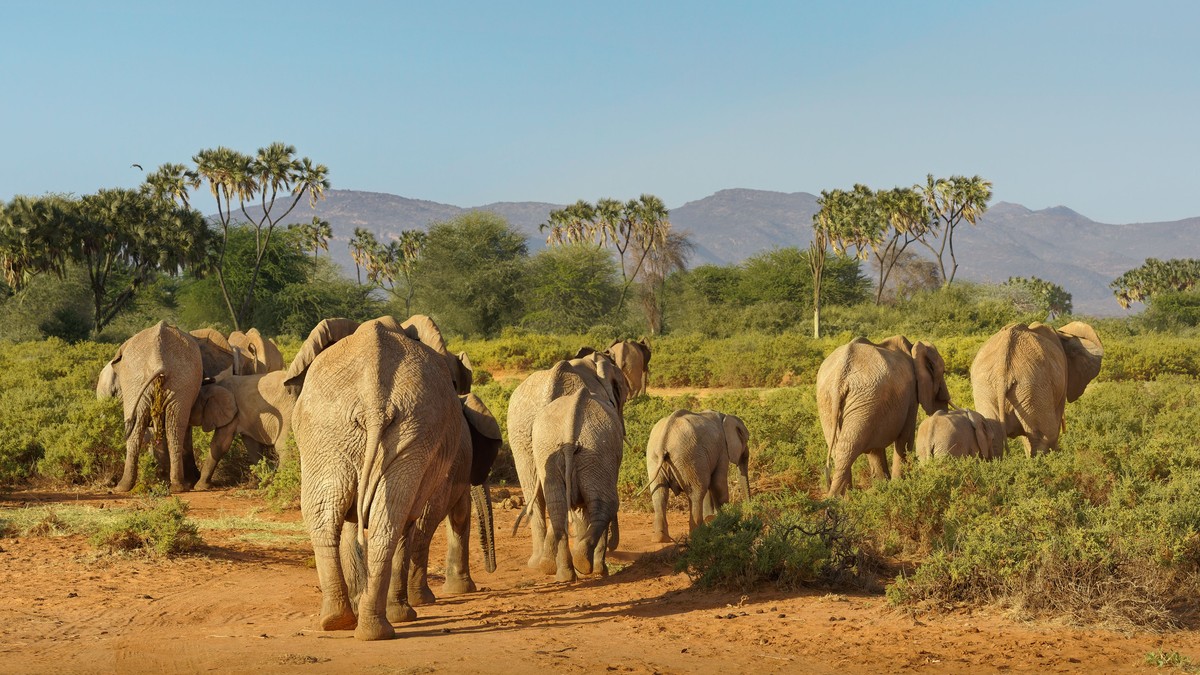
Tsavo East is flat, dry, and open. Red dust coats everything, including the elephants. The Yatta Plateau runs through it, the world’s longest lava flow at roughly 290 km, and the Galana River cuts a green line through the bush.
Tsavo West feels like a different country. It has volcanic hills, swamps, and thick vegetation around Mzima Springs. The Chyulu Hills rise on its northern edge, and on a clear morning you can see Kilimanjaro from Lake Jipe on the Tanzanian border.
If you want wide horizons and big herds of red elephants, pick East. If you want scenery, water, and rhinos in a fenced sanctuary, pick West. Most repeat visitors we work with end up doing both.
Tsavo East vs Tsavo West at a Glance
| Tsavo East | Tsavo West | |
|---|---|---|
| Size | 13,747 sq km | 9,065 sq km |
| Nairobi to gate | Voi gate, about 333 km, 4.5 to 5 hours | Mtito Andei gate, about 233 km, 3.5 hours |
| Mombasa to gate | Voi gate, about 160 km, 2.5 hours | Mtito Andei gate, about 250 km, 3.5 hours |
| Park fee (non-resident adult, indicative) | USD 52 per 24 hours | USD 52 per 24 hours |
| Signature sight | Red elephants, Yatta Plateau | Mzima Springs, Ngulia Rhino Sanctuary |
| Terrain | Flat, open savanna | Volcanic hills, forest, swamp |
Park fees change from time to time, so treat the figure above as an indicative range and confirm before you travel.
Wildlife: Red Elephants, Rhinos, and the Animals the Mara Doesn’t Have
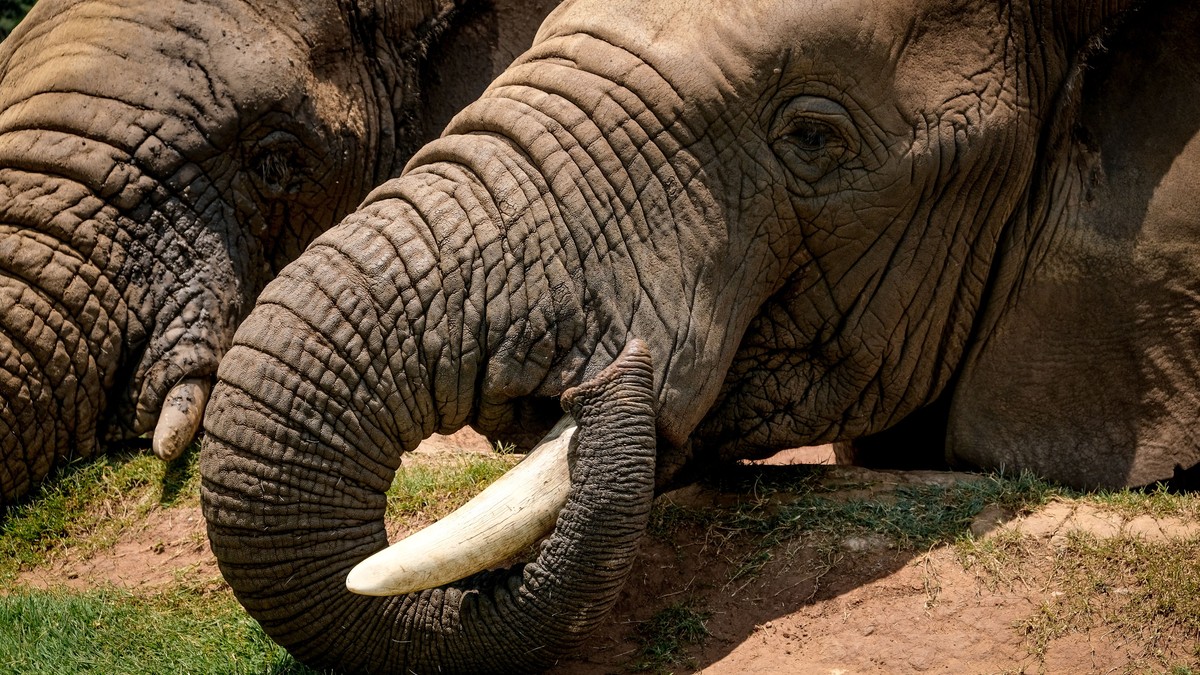
The red elephants are the headline act. Tsavo’s soil is high in iron oxide, so elephants that dust bathe here turn a deep rust color. It is the same species you see in the Mara, just wearing different soil.
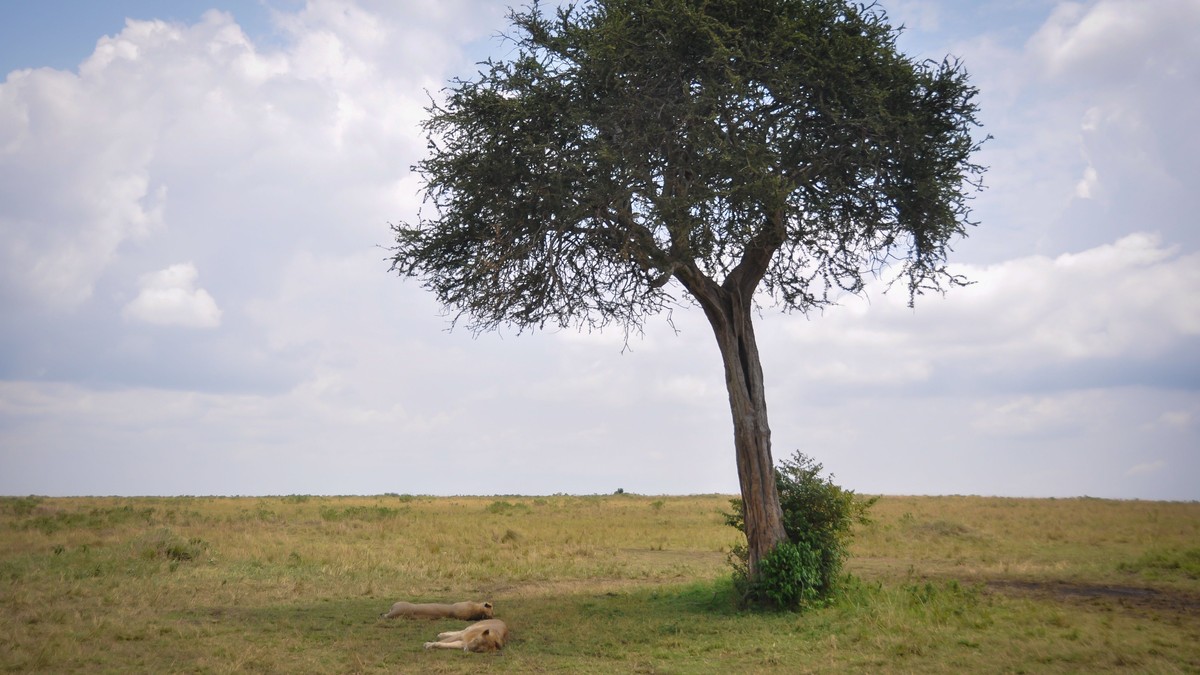
Both parks hold the Big Five, though lions and leopards keep a lower profile than in the Mara’s open grass. Tsavo West’s Ngulia Rhino Sanctuary is the real draw for rhino fans. It is a fenced area of roughly 90 square km inside the park, home to an indicative population of around 100 black rhinos. It is one of Kenya’s most important breeding sanctuaries for the species.
For a repeat visitor, the species list is what sells Tsavo. Look for gerenuk standing on their hind legs to browse, lesser kudu slipping through thickets, and fringe-eared oryx out on the plains. None of these show up reliably in the Mara.
Key Attractions Worth the Detour
Mzima Springs, in Tsavo West, is a freshwater spring that produces an estimated 50 million liters a day, much of which is piped to Mombasa. There is an underwater viewing tank where hippos and crocodiles drift past a few feet from the glass.
Mudanda Rock in Tsavo East is a whaleback outcrop about 1.6 km long. Elephants gather at the dam below it in dry months, and you can walk to a viewpoint above them, one of the few walking spots inside the park.
Aruba Dam, also in Tsavo East, draws buffalo, elephant, and waterbirds year round. The Chyulu Hills and Shetani lava flow near Kilaguni give Tsavo West a landscape that looks nothing like typical safari country.
How Many Days, and Can You Do Both Parks?
Three to four days is enough to see both parks without rushing. Give two nights to Tsavo West for Mzima Springs and Ngulia, then two nights to Tsavo East for the red elephants and Yatta Plateau.
The parks connect through the Tsavo Gate to Mtito Andei corridor, so you drive between them rather than backtrack to Nairobi. Add another two to three days and you can push north through the Chyulu Hills into Amboseli for Kilimanjaro views, or head further afield to Meru National Park, another underrated park guides skip, for a genuinely different circuit.
If you are planning a longer trip and wondering where to go after the Mara, this pairing of Tsavo with Amboseli or the coast answers that question better than most itineraries we see. Our guide on where to go after the Mara covers the routing in more detail.
Where to Stay: Real Camps, Real Rates
Prices below are indicative per person per night, full board, and shift with season and exchange rates, so confirm current rates when you book.
In Tsavo West, Kilaguni Serena Safari Lodge sits at the foot of the Chyulu Hills with Kilimanjaro views from the terrace, roughly USD 250 to 350. Finch Hattons Luxury Camp, near Mzima Springs, runs closer to USD 450 to 650 and includes a spa tent, unusual for a bush camp. Ngulia Safari Lodge is a solid mid-range base near the rhino sanctuary, around USD 150 to 220.
In Tsavo East, Satao Camp is a classic tented camp overlooking a waterhole, around USD 300 to 450. Galdessa Camp, on the Galana River, is one of the more design-led options at USD 500 to 700. Voi Safari Lodge, perched on a ridge with sweeping views, is a reliable budget to mid-range pick at USD 150 to 220.
Best Time to Visit
June through October and January to February are the dry months, when animals cluster around rivers and dams and roads are easiest to drive. November and March to May bring rain, greener scenery, and better birding, but muddier tracks and fewer other vehicles.
Tsavo rarely feels crowded even in July and August, which is one more reason repeat visitors like it after the Mara’s high season crush.
Combining Tsavo with the Coast or Amboseli
Tsavo East’s Voi gate sits about 160 km from Mombasa and roughly 200 km from Diani, a two and a half to three hour drive. That makes Tsavo an easy add-on before or after a coastal stay. Many of our clients break their journey with a stop at the Kaya Kinondo sacred forest near Diani, a Mijikenda community forest and UNESCO site, before continuing inland.
Heading the other direction, Tsavo West connects to Amboseli through the Chyulu Hills in about three hours, giving you Kilimanjaro from two angles on one trip. If you want night drives on this circuit, note that Tsavo itself does not allow them. You would need to add one of the conservancies that allow night game drives elsewhere in your itinerary.
Why Tsavo Is Underrated Compared to the Mara
The Mara sells itself on the wildebeest migration and a certain kind of drama. Tsavo sells itself on space, silence, and species you will not tick off anywhere else in Kenya. For a visitor who has already seen the migration, that trade is often worth making.
Tsavo also pairs naturally with Samburu and Laikipia further north if you want a longer, varied circuit rather than a single park stay. The logistics take more planning than a straight Mara trip, which is exactly where local knowledge earns its keep.
The Valley Safaris Difference
We have driven the Voi to Mtito Andei road more times than we can count, and we know which camps deliver on their photos and which ones oversell the view. We build Tsavo itineraries around your pace, whether that means four unhurried days in one park or a fast loop through both plus Amboseli.
We also know the small things that make a trip memorable, like timing a stop at Mudanda Rock for the golden hour, or arranging a sunset picnic by the Galana River instead of another dinner in the lodge dining room. That is the detail that turns a good safari into one you talk about for years.
Plan Your Tsavo Safari
Tsavo rewards travelers who want more than a checklist. If you are ready to swap the Mara’s crowds for red elephants, volcanic hills, and a rhino sanctuary you will actually get close to, get in touch through our contact page and we will build a Tsavo itinerary around your dates and budget.