If you have ever driven past a lilac-breasted roller to keep chasing a leopard, you know the tension. Kenya rewards patience differently depending on what you came for. This is the Kenya safari bird checklist twitchers actually want, built for the ones who will happily sit still for forty minutes waiting for a Hartlaub’s turaco to clear its throat.
Kenya holds more than 1,100 recorded bird species, one of the richest lists in Africa for a country this size. That number comes from decades of records kept by the East Africa Natural History Society, so treat it as a well-documented figure rather than a marketing line. This guide gives you the parks, the timing, the gear, and the honest trade-offs nobody else puts in one place.
Why Kenya Rewards a Dedicated Birding Trip
Kenya sits where East African savanna, Rift Valley lakes, coastal forest, and highland habitat all meet within a day’s drive of each other. Few countries pack that much habitat variety into one itinerary. The Rift Valley lakes alone (Nakuru, Baringo, Bogoria, Naivasha) are recognized Important Bird Areas, largely for the flamingo and pelican concentrations that gather on their shorelines.
For a wildlife photographer, this variety matters as much as the raw species count. Different habitats mean different light, different backgrounds, and different vehicle positioning for every session.
Best Time of Year, and the Trade-Off Nobody Mentions
November through April is peak birding season. Palearctic migrants arrive to escape the northern winter, breeding plumage comes out, and resident species are also nesting. That six-month window is when a serious checklist grows fastest.
Here is the trade-off competitors skip. The Great Migration river crossings run roughly July through October, and that window does not overlap with peak migrant birding season. If your trip is built around tracking the Great Migration’s timing, you will see fewer migrant birds. If you come for the birds in January, you will miss the wildebeest crossings entirely. Neither choice is wrong. Just decide which one you actually want before you book flights.
The Kenya Safari Bird Checklist Twitchers Need, Park by Park
Every park on this list earns its place, but they serve different birders. Use the table to plan logistics, not just species dreams.
| Location | Distance from Nairobi | Drive time (approx.) | Non-resident park fee (per day, indicative) | Signature birds |
|---|---|---|---|---|
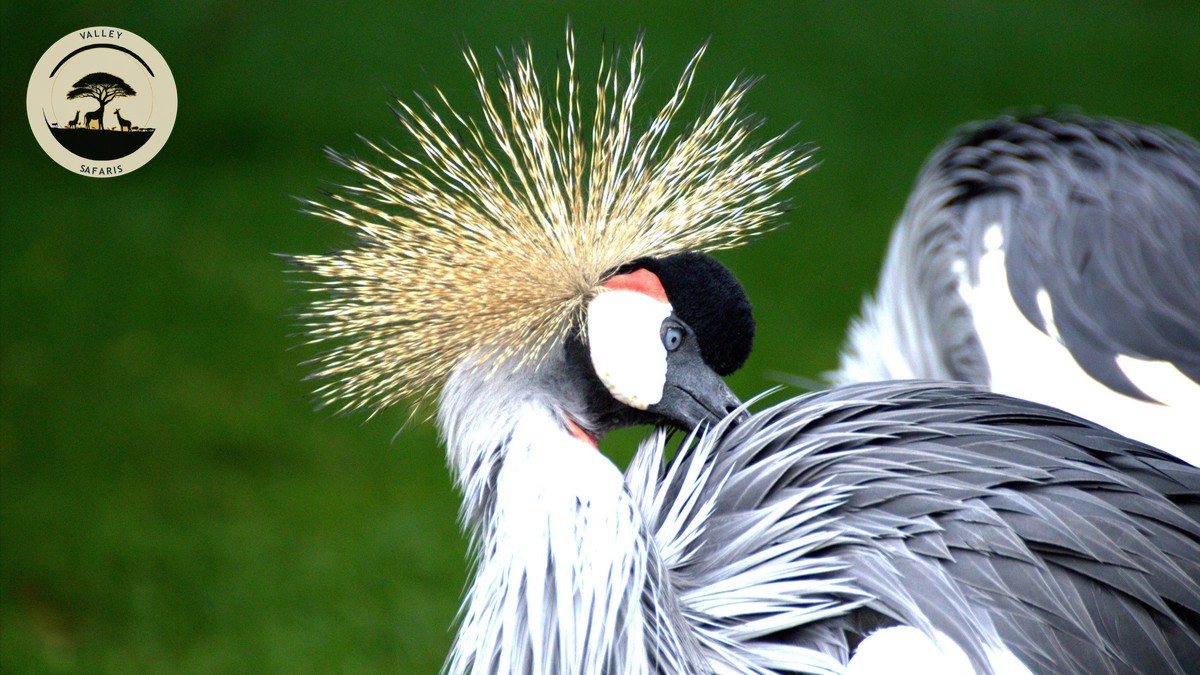
| Masai Mara National Reserve | 270 km | 5-6 hrs by road, 45 min flight | USD 100 | Rosy-throated longclaw, grey-crowned crane, Ross’s turaco |
| Lake Nakuru National Park | 160 km | 2.5-3 hrs | USD 50 | Lesser flamingo, African fish eagle, pelicans |
| Lake Baringo | 280 km | 4-5 hrs | KES 500-1,000 (conservancy fee) | Hemprich’s hornbill, three-banded courser, over 470 species recorded lakeside |
| Samburu National Reserve | 325 km | 5-6 hrs by road, 1 hr flight | USD 70 | Vulturine guineafowl, golden-breasted starling, Somali ostrich |
| Kakamega Forest | 415 km | 7-8 hrs by road, or fly to Kisumu plus 1 hr | KES 600-1,200 | Great blue turaco, blue-headed bee-eater, Turner’s eremomela |
| Arabuko-Sokoke Forest | 110 km north of Mombasa | 1.5-2 hrs from Mombasa | KES 400-800 | Clarke’s weaver, Sokoke pipit, Amani sunbird |
| Taita Hills | 200 km from Mombasa | 3-3.5 hrs | Varies by conservancy | Taita thrush, Taita apalis (both critically endangered, forest-restricted) |
Fees shift year to year, so confirm current rates with Kenya Wildlife Service or the relevant county before you travel. Treat the figures above as planning ranges, not quotes.
Endemic and Near-Endemic Species Worth the Detour
Kenya has few true endemics, but the ones it has are the reason serious birders fly in specifically. Clarke’s weaver exists almost nowhere outside Arabuko-Sokoke and the nearby Dakatcha woodland. The Taita thrush and Taita apalis survive in small forest fragments on the Taita Hills, both listed as critically endangered by BirdLife International. Sharpe’s longclaw favors highland grassland near the Aberdares and the Mau. Hinde’s babbler sticks to thicket country around Kianyaga in central Kenya.
None of these are easy ticks. Budget a dedicated day for each and go in with a specialist guide, not a general driver-guide.
Iconic Species Most Visitors Actually Ask For
Beyond the endemics, most first-time Kenya birders want a realistic shot at these: lilac-breasted roller, secretary bird, martial eagle, saddle-billed stork, superb starling, and the shoebill (technically a Uganda specialty, but occasionally chased via a side trip). A good Masai Mara circuit alone can realistically produce 250 to 300 species in a focused week, according to lodge checklists kept by resident guides at camps like Governors’ Camp.
Gear and Preparation for the Photographer-Birder
Light matters more than lens length. Plan game drives around the first two hours after sunrise and the last two before sunset, when birds are active and the light is warm and low.
For vehicle setup, ask for a pop-top Land Cruiser with a beanbag rather than a tripod. Tripods are slow in a moving vehicle and awkward through a roof hatch. A 100-400mm or 150-600mm zoom covers most bird work without the weight of a fixed 600mm prime.
Pack a lightweight rain cover for coastal forest work at Arabuko-Sokoke, where humidity and sudden showers are common. Bring a dedicated bird field bag, since Kakamega Forest and the Taita Hills both involve walking trails, not vehicle-based viewing.
Do You Need a Specialist Bird Guide?
A standard driver-guide knows the big game circuit well and can point out common birds. For serious checklist building, you want a guide with KPSGA (Kenya Professional Safari Guides Association) gold-level certification and a documented bird specialty, ideally someone based at camps like Rekero or Elephant Pepper in the Mara, or the Baringo community guides who work the lakeshore daily.
Expect to pay a premium of roughly USD 50 to 100 per day above a standard driver-guide rate for that expertise. It is worth it. A specialist guide knows the call of a Jackson’s widowbird from thirty meters and will position the vehicle for a photograph, not just a sighting.
Sample 10-Day Birding Itinerary
A realistic route: 2 nights Lake Nakuru, 2 nights Lake Baringo, 3 nights Masai Mara, 3 nights Samburu. That combination alone can produce a checklist of 350 to 400 species for a disciplined group, based on historic trip reports from operators running similar routes. Add Arabuko-Sokoke as a coastal extension and you are looking at well over 420.
Field Guides Worth Packing
“Birds of East Africa” by Stevenson and Fanshawe remains the standard reference for the region and is what most resident guides carry themselves. The Merlin Bird ID app, paired with the Kenya bird pack, is a useful backup for call playback and quick confirmation in the field, though nothing replaces a printed guide when the battery dies at dawn.
Combining Birding with Big Game or the Migration
You do not have to choose one trip type forever, just for this trip. Many of our guests split time between a bird-focused base and a big-game base in the same two weeks. For that reason it is worth comparing Amboseli and Samburu as birding bases, since both offer strong general game viewing alongside solid bird lists. If your route includes the Mara, it also helps to understand how vehicle crowding affects sightings in the Mara, since a crowded river crossing scene is a poor place to focus a long lens on a bee-eater colony.
The Valley Safaris Difference
We build birding itineraries around the guide first, not the lodge brochure. That means matching you with a specialist who already knows which acacia the pygmy falcon nests in this season, not one who is guessing from a laminated checklist. We also tell you plainly when migrant season and migration season don’t line up, so you choose with your eyes open instead of discovering the gap after you land. Our vehicles are configured for photographers before the trip starts, with beanbags and roof hatches ready, not requested on day three.
Plan Your Birding Safari
Ready to build a checklist trip around the parks and guides that fit what you actually want to see? Visit our Kenya birding safari tours page, or head to our contact page and tell us your target species. We will build the route around them.