
If you’re planning a trip that touches Kenya, Uganda and Rwanda, someone has probably told you to “just get the East Africa Tourist Visa.” Nobody tells you when that’s actually a bad idea. This east africa tourist visa cost guide walks through the real numbers, so you can decide before you pay for anything.
What the East Africa Tourist Visa actually is
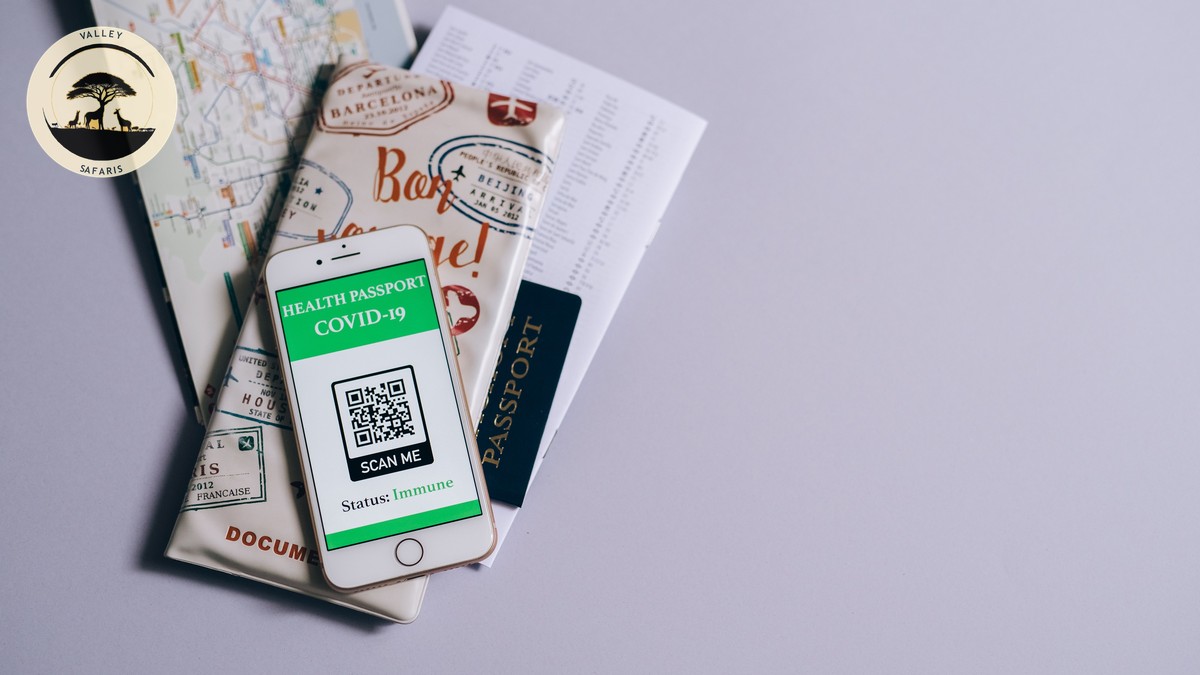
The East Africa Tourist Visa, or EATV, is a single visa that lets you travel between Kenya, Uganda and Rwanda without applying three separate times. It costs $100 USD per adult, covers multiple entries between those three countries, and is valid for 90 days from the date it’s issued.
It sounds simple. The catch is that it only works cleanly if your whole trip stays inside those three countries. Step outside the bloc, and the visa stops working for you, even if you still have weeks left on it.
East Africa Tourist Visa cost guide: EATV vs. buying visas separately
This is the part most guides skip. Here’s what you’re actually comparing, using current published fees as of mid-2026 (always confirm on the official portals before you pay, since these do change):
| Visa option | Cost (approx.) | Entries | Valid for |
|---|---|---|---|
| East Africa Tourist Visa | $100 | Multiple, Kenya/Uganda/Rwanda only | 90 days |
| Kenya eTA (single country) | ~$30 | Single entry | 90 days |
| Uganda eVisa (single country) | ~$50 | Single entry | 90 days |
| Rwanda entry | Visa-free for most nationalities, or ~$50 on arrival for others | Single entry | 30-90 days |
Do the math on your actual itinerary before you book anything.
If you’re only visiting Kenya, you don’t need the EATV at all. The Kenya eTA costs about $30, so you’d save roughly $70 by skipping it. If a friend is only on a connecting flight through Nairobi that only needs a Kenya eTA, tell them the same thing.
If your trip is Kenya and Uganda only, separate visas run about $80 combined ($30 + $50). The EATV at $100 costs you $20 more, unless you plan to cross back and forth between the two countries more than once, in which case the multiple-entry EATV starts to earn its keep.
If your trip covers all three countries, and you qualify for visa-free entry to Rwanda, separate visas cost around $80 total, still cheaper than the $100 EATV. But if your nationality requires a paid Rwanda entry, separate visas can run closer to $130, and the EATV saves you about $30. The right answer depends entirely on your passport and your route, so check Rwanda’s current visa policy for your nationality before deciding.
What you need to apply
Applying for the EATV takes documents you likely already have for any East Africa trip:
- A passport valid for at least six months past your travel dates, with two blank pages
- A passport-style photo
- Proof of your return or onward flight
- A yellow fever vaccination certificate
- Proof of accommodation for at least part of your stay

How and where to apply
You apply online through whichever country you’ll enter first, since each of the three countries runs its own EATV portal. Kenya’s portal is under the same eTA system as the regular Kenya visa. Uganda and Rwanda each run their own e-visa sites. Processing usually takes 2 to 5 business days, though it can stretch longer during peak safari season from June through September. Apply at least three weeks before you fly, and pair that with our notes on how far in advance to book your safari and visa together.
There is no visa-on-arrival option for the EATV itself. You need approval before you travel.
The first-entry-country rule
Whichever country’s portal you use to apply becomes your official first port of entry. If you apply through Kenya, you’re expected to land in Nairobi or Mombasa first, then move on to Uganda or Rwanda. Border officials do check this, so pick the country that matches your actual arrival airport.
The rule nobody explains well: leaving voids the visa
Here’s the trade-off that Duma Explorer and most gorilla-trekking sites bury in a single line. The EATV is only valid while you stay inside Kenya, Uganda and Rwanda. The moment you exit that bloc, whether that’s a side trip to Zanzibar, Nairobi to Addis Ababa for a stopover tour, or anywhere else outside the three countries, your EATV is cancelled. Permanently. Coming back means applying and paying again.
This catches people who plan a Kenya safari, a Rwanda gorilla trek, and a few days in Zanzibar as one loop. If Zanzibar is on your list, plan your entry and exit order carefully. Either do Zanzibar last, after you’ve finished with Kenya, Uganda and Rwanda, or accept that you’ll need a fresh visa to get back in.
Tanzania is not included
Despite the name, Tanzania is not part of the East Africa Tourist Visa, even though it belongs to the same East African Community. Tanzania runs its own eVisa system for around $50 to $100 depending on nationality. If Zanzibar or the Serengeti are part of your route, budget for a separate Tanzania visa on top of whatever you use for Kenya, Uganda and Rwanda.
Yellow fever: don’t skip this
All three EATV countries require proof of yellow fever vaccination if you’re arriving from, or have transited through, a country with risk of yellow fever transmission. Get vaccinated at least 10 days before you travel, since that’s when the certificate becomes valid. Carry the physical certificate. Officials at Jomo Kenyatta International Airport and at land borders like Busia and Katuna do ask for it.
Who should skip the EATV
Skip it if you’re only visiting one of the three countries. Skip it if you’re visiting two countries once each and the combined single-country fees are cheaper, as shown in the table above. Get the EATV only if you’re genuinely moving between all three, or crossing the same border more than once.
Extensions and overstay
You can extend your stay within the 90-day window through immigration offices in Nairobi, Kampala or Kigali, but the EATV itself cannot be renewed past 90 days from issue. Overstaying triggers fines that vary by country, often $50 or more per day in Kenya, so track your dates closely if your trip runs long.
Real border logistics for a three-country trip
Numbers matter more than the rule itself. Here’s what a typical Valley Safaris routing through all three countries looks like on the ground:
| Route | Border crossing | Distance | Typical drive time |
|---|---|---|---|
| Nairobi to Kampala | Busia or Malaba | approx. 700 km | 12-14 hours by road, 1.5 hours by air |
| Kampala to Bwindi (gorilla trekking) | N/A, internal | approx. 520 km | 8-9 hours |
| Bwindi to Kigali | Cyanika | approx. 230 km | 5-6 hours |
| Kigali to Kampala (return route) | Katuna | approx. 490 km | 8-9 hours |
Most of our guests fly Nairobi to Entebbe rather than drive, then handle the Uganda-Rwanda leg by road, since that border crossing is short and the scenery around Lake Bunyonyi is worth the drive.
The Valley Safaris Difference
We’ve walked these borders with guests dozens of times, so we build your visa order around your actual route, not the other way around. If your itinerary only touches Kenya, we tell you to save the $70 and skip the EATV. If you’re set on Zanzibar, we sequence your trip so you’re not paying for a second visa by accident. And we double check your yellow fever certificate and passport validity before you fly, not after you’re standing at Busia border wondering why you got turned back.
We also help you plan the money side properly. Our travel insurance guide for your Kenya safari covers what a standard policy does and doesn’t handle if a border delay throws off your connecting flights.
Frequently asked questions
How much does the East Africa Tourist Visa cost? It’s $100 USD per adult, covering Kenya, Uganda and Rwanda for 90 days.
Is Tanzania included in the East Africa Tourist Visa? No. Tanzania requires its own separate visa.
Can I enter through a different country than the one that issued my visa? No. You must arrive first in the country where you applied.
Can I extend the East Africa Tourist Visa? You can extend your stay within the 90-day window, but the visa itself isn’t renewable past that.
Do children pay full price? Most nationalities pay the same $100 fee per traveler, including children, though a few countries offer reduced child rates. Confirm on the portal you’re applying through.
What happens if I leave the three countries and come back? Your EATV is cancelled the moment you exit the bloc. You’ll need to apply and pay again to re-enter.
Is the EATV cheaper than buying three separate visas? Sometimes. Check the comparison table above against your actual route before assuming yes.
Plan the route with us
Visa rules change route by route, and the cheapest option depends on exactly where you’re going. If you’d like help mapping out your Kenya, Uganda and Rwanda trip, from border crossings down to which visa to buy, get in touch with our team or take a look at our Kenya, Uganda and Rwanda safari itineraries to start planning.