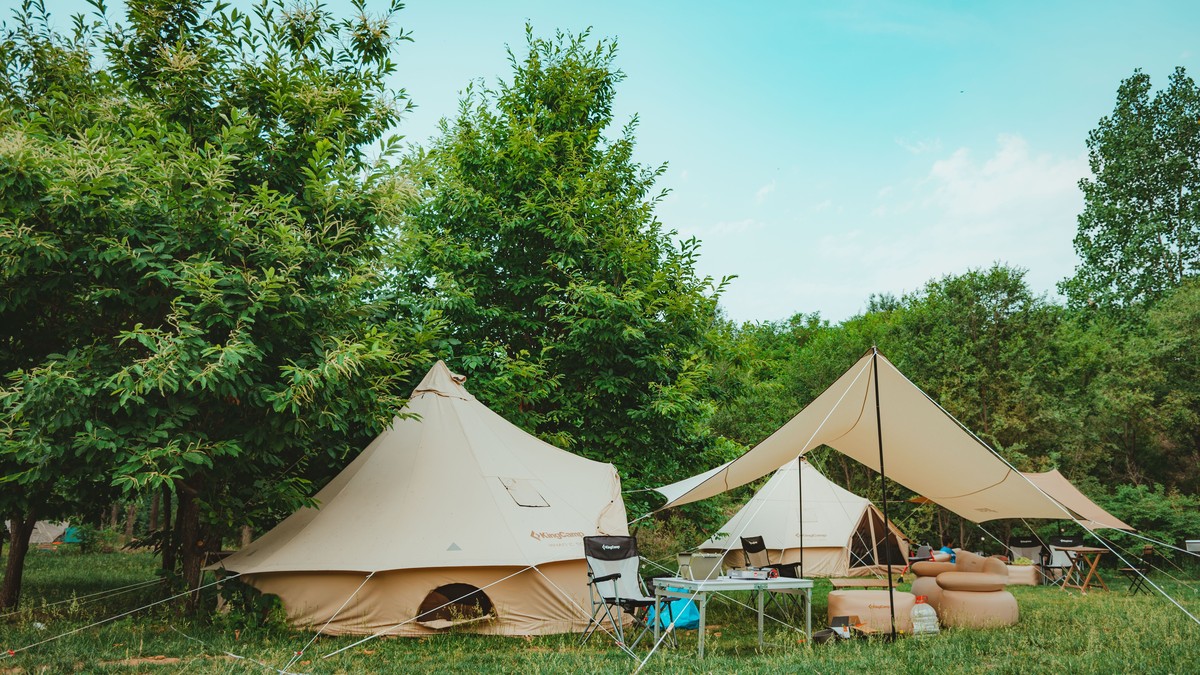
You have done the Mara. You know the drill: dawn game drive, packed lodge, a hundred other Land Cruisers converging on one leopard. If you want a genuine digital detox safari camp no WiFi Kenya can actually deliver, skip another Mara camp with a router bolted to the mess tent. Look instead to Laikipia, Samburu, and a scattering of coastal forests where your phone simply stops being useful.
This guide skips the pan-African listicle approach. Every camp named here is in Kenya, and every connectivity claim is specific: no WiFi, no cell signal, or satellite-only. That distinction matters more than most articles admit.
Why a Digital Detox Actually Works on Safari
A safari forces a different pace whether you want it to or not. Game drives run on animal time, not your inbox. Sundowners happen when the light is right, not when a meeting ends.
Guests who leave phones in their tents for a few days report the same things: better sleep, longer attention spans, and sightings they would have missed while checking email. A leopard on a sausage tree branch does not wait for you to finish typing.
There is also a practical case. Kenya’s remote conservancies run on solar power and generator hours. Every device you are not charging or streaming from is one less draw on camp resources that exist mainly to keep the fridge cold and the water hot.
Digital Detox Safari Camp No WiFi Kenya: No WiFi vs No Signal vs Satellite Only
This is where most articles get vague, and it is worth being precise before you book.
No WiFi means the camp has no internet router for guests. Your phone still might catch a cell signal if a Safaricom tower is within range, so calls or texts could sneak through.
No cell signal means you are out of tower range entirely. This is common across most of Laikipia’s conservancies and deep into Samburu’s Mathews Range. Your phone becomes a camera and nothing else.
Satellite-only means the camp keeps a satellite phone or messenger device at the main house for genuine emergencies, but there is no guest-facing internet or calling of any kind.
Kenya’s mobile networks have expanded fast over the last decade, and coverage maps change yearly, so treat any signal claim as a snapshot rather than a guarantee. If you want the fuller picture before you travel, our breakdown of Kenya’s SIM card and connectivity landscape covers which networks reach which regions. If your next trip actually needs the opposite, we also cover camps built for the opposite goal, full remote-work WiFi.
Kenya Camps With Verified No-WiFi Status
| Camp / Lodge | Region | Distance & Drive Time from Nairobi | Connectivity | Indicative Price (per person, per night) |
|---|---|---|---|---|
| Karisia Walking Safaris | Mukogodo Forest, Laikipia | 220 km, 4-5 hrs to Nanyuki, then walk-in | No WiFi, no cell signal on trail, satellite phone at base | USD 450-650 |
| Il Ngwesi Lodge | Il Ngwesi Conservancy, Laikipia | 230 km, 4.5 hrs, or fly to Nanyuki (45 min) plus 1.5 hr transfer | No WiFi, patchy signal near the lodge only | USD 350-450 |
| Sarara Camp | Namunyak Wildlife Conservancy, Samburu | 345 km, 6-7 hrs, or fly to Kalama airstrip (1 hr) plus 1 hr transfer | No WiFi, no cell signal, camp radio and satellite phone | USD 700-950 |
| Loisaba Star Beds | Loisaba Conservancy, Laikipia | 250 km, 5 hrs, or fly to Loisaba airstrip (50 min) | No WiFi, weak signal at main camp only | USD 600-800 |
| Distant Relatives Eco Lodge | Kilifi coast, near Mnarani Ruins | 530 km, or fly to Mombasa (1 hr) plus 1 hr drive | Weak WiFi in common areas, none in rooms | USD 40-90 (room only) |
Prices are indicative ranges based on typical 2025-2026 rack rates and shift with season, so confirm current figures when you book. Conservancy fees are usually separate: expect around USD 90-100 per person per day for Namunyak or Il Ngwesi, on top of the room rate.
The Walking Safari Option: Karisia in Laikipia
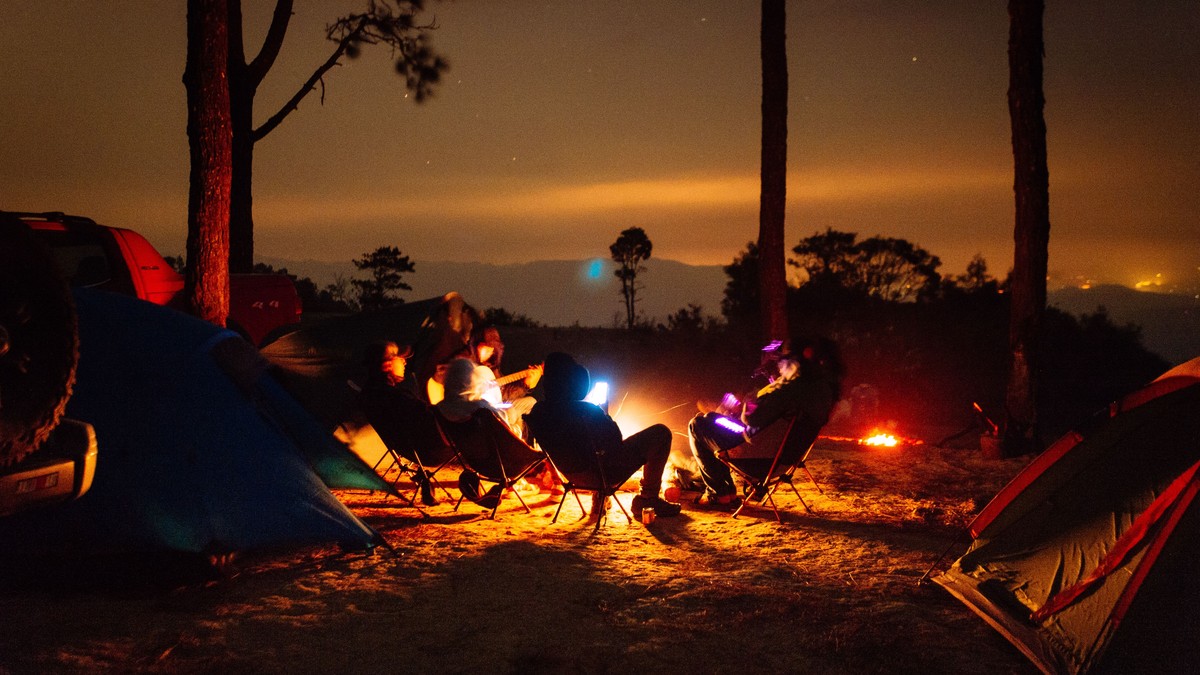
If you want the deepest version of unplugged, Karisia Walking Safaris runs mobile camel-supported treks through the Mukogodo Forest and the Laikipia plateau. Camels carry the gear, you carry a water bottle, and camp moves each night to a new spot.
There is no router to fail because there is no fixed camp at all. A satellite phone travels with the guide team for emergencies only. Most guests do four to six nights, which is enough to feel the shift from checking for signal to not thinking about it.
This suits a repeat visitor well. You have already seen predators from a vehicle. Walking past fresh elephant dung with a Samburu guide reading the tracks is a different kind of safari entirely.
Staying Reachable Without Breaking the Detox
The question every family member asks before you leave is simple: what if something happens at home?
Every camp on the table above keeps some form of emergency communication, usually a satellite phone or a VHF radio link to a regional office in Nanyuki or Nairobi. None of this is guest-facing WiFi. It exists so camp management can reach a doctor or a flying evacuation service, not so you can join a video call.
Practically, this means you tell one person your full itinerary and camp names before departure, and you trust the camp’s existing safety protocol. Nearly every Laikipia and Samburu conservancy has an air evacuation arrangement through AMREF Flying Doctors, and staff know the process cold. That is the honest trade-off: you are not unreachable, you are just routed through the camp rather than your own phone.
A Sample 7-Night Digital Detox Itinerary
- Nights 1-2: Nanyuki area, easing in with short game drives around Ol Pejeta or Borana, still within light cell signal.
- Nights 3-4: Il Ngwesi Lodge or Loisaba, deeper into no-signal territory, with rhino tracking and night walks.
- Nights 5-6: Sarara Camp in Namunyak, full disconnection, with a visit to the Singing Wells where Samburu herders water their cattle.
- Night 7: Fly back via Nanyuki or Wilson Airport.
If seven nights feels like too much of a leap, start smaller. Our guide to a quick weekend digital detox for Nairobi-based expats covers shorter trips closer to the city that still get you off the grid.
For a coastal add-on, three nights near Kilifi lets you visit the Mnarani Ruins. This is a 13th to 17th century Swahili settlement on the south bank of Kilifi Creek, still a quiet historic site today. It is a different kind of quiet, ruins and creek rather than savanna, and it pairs well with the tail end of a longer Kenya trip.
What to Pack for a No-Signal Camp
Bring a power bank, since solar charging hours are limited and shared. Bring a paper map or downloaded offline maps, because your phone’s GPS works without signal but online maps do not. Bring a physical book or journal. Pack a headlamp, since camp generators often switch off by 9 or 10 pm. A basic first aid kit is worth carrying too, since the nearest clinic could be hours away.
The Valley Safaris Difference
Most operators will tell you a camp has “no WiFi” and leave it there. We check what that actually means on the ground. No WiFi and no cell signal are not the same experience, and you deserve to know which one you are booking.
We also do not send every repeat visitor back to the Mara by default. If you have already tracked lions from a vehicle, we will point you toward Karisia’s camel trek or Sarara’s Singing Wells instead, places built around a genuinely different rhythm. We keep relationships with conservancy managers in Laikipia and Samburu, so we know current signal conditions and evacuation protocols before we recommend a camp, not after.
FAQs
Is there phone signal in the Mara, Amboseli, or Samburu? Parts of the Masai Mara and Amboseli have decent Safaricom coverage near lodges. Samburu National Reserve has patchy signal near the gate, thinning out fast toward conservancies like Namunyak.
Is a digital detox safari worth it? For a repeat visitor tired of crowded Mara circuits, yes. The value is less about “no phone” and more about the quieter pace that Laikipia and Samburu conservancies allow.
How long should a digital detox trip be? Four nights is enough to notice the shift. Seven nights lets you settle into it fully.
Do these camps still have electricity? Yes, nearly all run on solar with generator backup for a few hours each evening, enough to charge cameras and phones even without WiFi.
How much does this kind of trip cost? Expect USD 350 to 950 per person per night depending on camp, plus conservancy fees of roughly USD 90-100 per day.
Ready to plan a real disconnection? Visit our Laikipia and Samburu safari tours or reach out through our contact page and we will build the itinerary around it.