A leopard sighting changes the mood of a whole safari. Guests go quiet, cameras click, and everyone leans out of the vehicle at once. After years of running trips across Kenya, we still get asked the same question. Where are the best places to spot leopards in Kenya, really, not just on a brochure?
Here is our honest answer, park by park, with real distances, real fees, and the trade-offs nobody else prints.
Why Leopards Are So Hard to Find
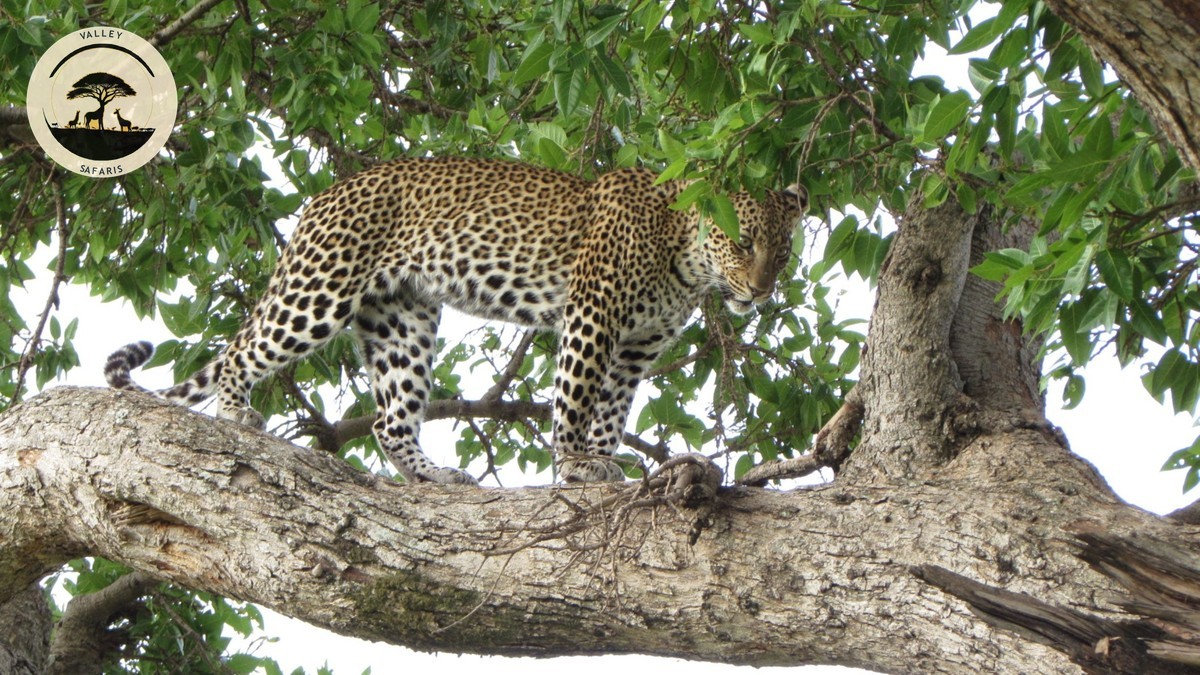
Leopards are solitary and mostly nocturnal. They spend daylight hours resting in trees, thickets, or rocky outcrops called kopjes. A lion pride is easy to spot from far away. A leopard draped over an acacia branch, 40 meters off, blends into bark and shadow within seconds.
Guides track them through drag marks on carcasses, alarm calls from baboons and impala, and knowledge of individual territories built up over years. This is why the guide matters as much as the park.
Masai Mara and Leopard Gorge: The Reliable Choice for First-Timers
Leopard Gorge, near the Mara North Conservancy border, earned its name honestly. Guides have followed leopard families here since the 1990s, and the rocky gorge still gives cover for females raising cubs.
For a first safari, the Masai Mara is our default recommendation. Sightings around Leopard Gorge, the Talek River, and Rhino Ridge happen often enough that most three-night stays produce at least one clear view. If you want the deeper case for the Mara over other parks, read our guide on Samburu vs Masai Mara for your first safari.
Samburu National Reserve: Kenya’s So-Called Leopard Capital
Samburu markets itself as Kenya’s leopard capital, and there is real reasoning behind it. Dry, sandy luggas and seasonal riverbeds cut through doum palm forest along the Ewaso Nyiro River. They give leopards natural cover and easy movement between hunting grounds.
Sightings here can be excellent, especially for guests staying four nights or longer. Samburu sits 325 km north of Nairobi, about a 5 to 6 hour drive or a 1 hour 10 minute flight. The terrain is also thicker than the Mara’s open grassland. That thickness cuts both ways. Leopards feel safer, but they are also harder to see. We tell photographers honestly: Samburu can outperform the Mara, but it asks for more nights and more patience to get there.
Laikipia Plateau: Chasing the Black Leopard
Laikipia is where black leopard sightings have made international news, particularly around Laikipia Wilderness Camp near Ol Ari Nyiro. The melanistic gene is rare everywhere leopards live, and Laikipia is one of the few places on earth where confirmed sightings keep happening.
Rare is the key word. Camps here are honest that black leopard encounters are not guaranteed even after several nights. Standard, spotted leopards are seen more regularly across Loisaba and Ol Pejeta conservancies. If a black leopard is the goal, plan for at least three nights and treat any sighting as a bonus, not an expectation.
Lake Nakuru and Meru: The Underrated Options
Lake Nakuru National Park, 160 km and about 3 hours from Nairobi, gets overlooked for leopards because most visitors come for rhinos and flamingos. But the acacia woodland around the lake shore holds a healthy leopard population with far fewer vehicles competing for the view.
Meru National Park, roughly 280 km and 5 to 6 hours by road or a 50 minute flight, offers similar value. Fewer tourists mean leopards here are less habituated to vehicles, so sightings take longer to build but feel more natural once they happen.
Amboseli and Tsavo: A Bonus, Not the Main Event
Amboseli is famous for elephants against Mount Kilimanjaro, and Tsavo’s red-dust landscape suits lions and dense bush. Leopards live in both parks, but sighting odds are lower than the Mara or Samburu. If your itinerary already includes Amboseli or Tsavo, keep your eyes on the riverine trees and drainage lines. Just do not build the trip around leopards alone.
Best Places to Spot Leopards in Kenya: Park-by-Park Comparison
| Park or Conservancy | Distance from Nairobi | Drive time | Fly-in time | Park fee (indicative, per adult/day) | Leopard sighting odds | Night drives |
|---|---|---|---|---|---|---|
| Masai Mara (Leopard Gorge area) | 270 km | 5-6 hrs | 45 min | US$80-100 | High | Not in the reserve; allowed in Mara North and Olare Motorogi conservancies |
| Samburu National Reserve | 325 km | 5-6 hrs | 1 hr 10 min | US$100 | High, needs 4+ nights | Not in reserve; some bordering conservancies allow it |
| Laikipia Plateau (Loisaba, Ol Ari Nyiro) | 200 km (to Nanyuki) | 3.5 hrs | 45 min | US$60-100, varies by camp | Moderate, rare for black leopard | Yes, most conservancies allow it |
| Lake Nakuru National Park | 160 km | 3 hrs | Drive only | US$60 | Moderate, low crowds | Not allowed |
| Meru National Park | 280 km | 5-6 hrs | 50 min | US$65 | Moderate | Not allowed |
| Amboseli National Park | 240 km | 4-5 hrs | 45 min | US$60 | Low to moderate | Not allowed |
Fees above are indicative 2026 ranges per adult per day and change with park authority updates, so confirm current rates when you book.
Best Time of Day and Season
Leopards move most at dawn, dusk, and through the night. Early morning drives, out by 6:15 am before the heat sets in, give the best odds. That is when a leopard is often still finishing a night hunt or dragging a kill up a tree. For a fuller breakdown of when to book each slot, see our piece on morning vs afternoon game drives.
Season matters too. The dry months from late June through October thin out vegetation, which makes spotting easier across the Mara and Samburu. The short rains in November can scatter game, but they also green up Laikipia, which some black leopard camps consider a strong window.
Night Drives: Where They’re Actually Allowed
This trips up a lot of first-time visitors. National reserves and national parks under Kenya Wildlife Service, including the Masai Mara Reserve, Lake Nakuru, Meru, Amboseli, and Tsavo, do not permit night drives. Private conservancies do.
Mara North, Olare Motorogi, and Naboisho all border the Masai Mara, and they allow night drives with a spotlight. That spotlight is often the single best tool for finding an active leopard. Laikipia’s conservancies, including Loisaba and Ol Ari Nyiro, allow them too. If night drives matter to your trip, book a conservancy stay, not just a reserve one.
What a Leopard Safari Costs
A mid-range leopard-focused itinerary runs four nights, split between the Masai Mara and a conservancy like Mara North. It typically costs US$350-550 per person per night, full board, including game drives. Add park and conservancy fees on top. Budget camps can bring this closer to US$200-300 per night, while premium camps near Leopard Gorge or Laikipia’s black leopard territory can exceed US$700 per night.
Whatever your camera gear, the right binoculars for spotting leopards at distance matter as much as your lens. A leopard in a tree 300 meters away is often spotted with binoculars first, then approached slowly by vehicle.
The Valley Safaris Difference
We will not promise you a guaranteed leopard sighting, because nobody honestly can. What we do promise is a guide who knows individual leopards by name, territory, and habit, not just a park checklist.
We build leopard-focused itineraries around dawn and dusk drives, and we choose camps near known territories like Leopard Gorge or Samburu’s luggas. We book conservancy stays when night drives will genuinely raise your odds. If Samburu suits your timeline better than the Mara, we will say so, even though the Mara is our usual first recommendation. Our job is a trip that matches your nights, your budget, and your patience, not a sales pitch.
Plan Your Leopard Safari
If you are ready to talk timing, camps, and realistic odds for your own leopard safari, visit our Kenya safari tours page. Or reach out through our contact page. We will help you build an itinerary around the parks and conservancies that actually fit what you want to see.