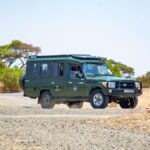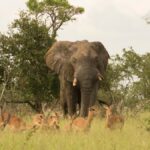
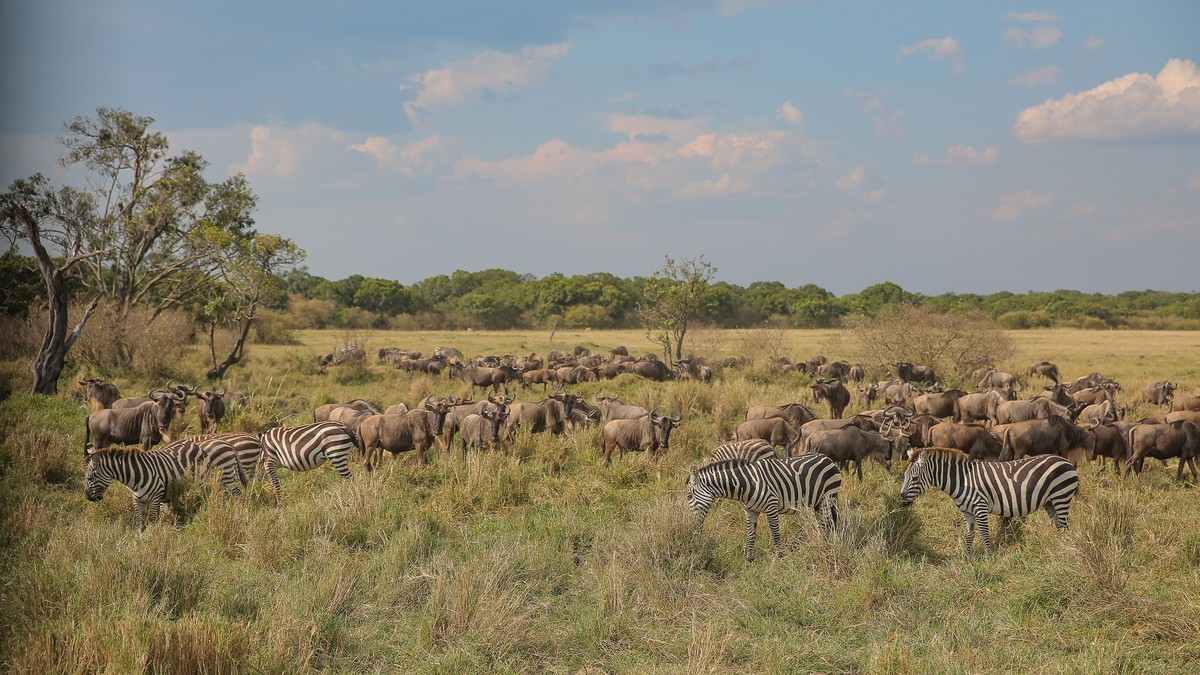
I get this question a lot from mothers planning a breastfeeding baby Kenya safari trip. “Can I really nurse my baby through a two week Kenya safari?” Short answer: yes. I have watched dozens of mothers do exactly this. One fed her son on the back seat of a Land Cruiser while a herd of elephants crossed the road in Amboseli. It takes a bit more planning. But Kenya is genuinely one of the easier places to travel with a breastfeeding baby. Nursing in public is completely normal here, and nobody will look twice.
This guide covers the logistics competitors skip over. Which parks carry the lowest malaria risk. Which camps actually have a fridge for expressed milk. And how to keep a pumping routine going when your camp runs on solar power after dark.
Is It Safe to Plan a Breastfeeding Baby Kenya Safari Trip?
Most Kenyan lodges and camps welcome babies from birth. Many safari operators, including us, recommend waiting until your baby is at least 6 weeks old before flying. That gives you time to recover and settle into a feeding rhythm first. Kenya Wildlife Service sets no official minimum age for game drives, but individual camps set their own rules. Walking safaris and gorilla trekking in nearby Uganda and Rwanda usually require guests to be 15 or older. For the exact cutoffs by activity, see Kenya’s safari age limit rules.
A private guided game drive is genuinely gentle on a small baby. You are seated, shaded, and can stop the vehicle whenever you need to feed or change a nappy. Compare that to a beach holiday, with more walking and more sun. Safari often turns out easier than families expect.
Malaria and Malaria-Free Zones for a Nursing Baby
This is the question that keeps new mothers up at night. It deserves a straight answer. Most of Kenya’s classic safari circuit carries a real malaria risk, including the Maasai Mara, Amboseli, and the coast around Diani and Mombasa. Standard antimalarial drugs like Malarone are not usually prescribed for infants under 5 kg. So prevention has to lean almost entirely on mosquito nets, permethrin-treated clothing, and covering up at dawn and dusk, when mosquitoes are most active.
The good news is that Kenya also has higher-altitude areas with far fewer mosquitoes. These are sometimes called low-to-negligible risk rather than truly malaria-free. Nairobi city, Lake Naivasha, and the Laikipia Plateau around Nanyuki and Ol Pejeta Conservancy all sit above 1,700 metres. That altitude cuts mosquito activity sharply compared to the Mara or Tsavo lowlands. Many families build their first baby safari around these malaria-free parks that are ideal for a breastfeeding baby. They decide later whether to add a lowland park once the baby is older.
Always confirm current guidance with a travel health clinic or your pediatrician before you fly. Risk levels shift with rainfall and season. A clinic will know what is current for your exact itinerary.
| Park or Area | Malaria Risk | Drive from Nairobi | Non-Resident Park Fee (indicative) | Notes for a Nursing Baby |
|---|---|---|---|---|
| Nairobi National Park | Low | In the city | ~$43 adult, ~$22 child | Half-day option, easy return to a hotel with a fridge |
| Lake Naivasha | Low | 90 minutes | ~$25 adult, boat trips extra | Good first stop, several lodges with kitchenettes |
| Ol Pejeta Conservancy, Laikipia | Low | 3.5 to 4 hours (or 40-minute flight to Nanyuki) | ~$90 adult, ~$45 child | High-altitude air, family cottages with fridges |
| Amboseli National Park | Moderate to high | 4 hours | ~$60 adult, ~$35 child (under 3 free) | Malaria prophylaxis for accompanying adults advised |
| Maasai Mara National Reserve | Moderate to high | 5.5 to 6 hours (or 45-minute flight) | ~$200 adult peak season, half price ages 5-15 | Best reached by air with a young baby to cut travel time |
Fees change yearly, so treat these as planning estimates and confirm before booking.
Breastfeeding in Public and Feeding Logistics
Breastfeeding in public is culturally accepted across Kenya, in airports, restaurants, and lodge dining rooms alike. Nobody will ask you to cover up or step away. Most guides are also fathers or uncles themselves. They will happily pause a game drive the moment your baby stirs.
If you formula-feed or combination-feed, bring pre-measured formula in individual containers rather than a single large tin. It is lighter to carry and easier to ration across a multi-camp itinerary. Bottled or boiled water is available at every camp we work with for mixing feeds.
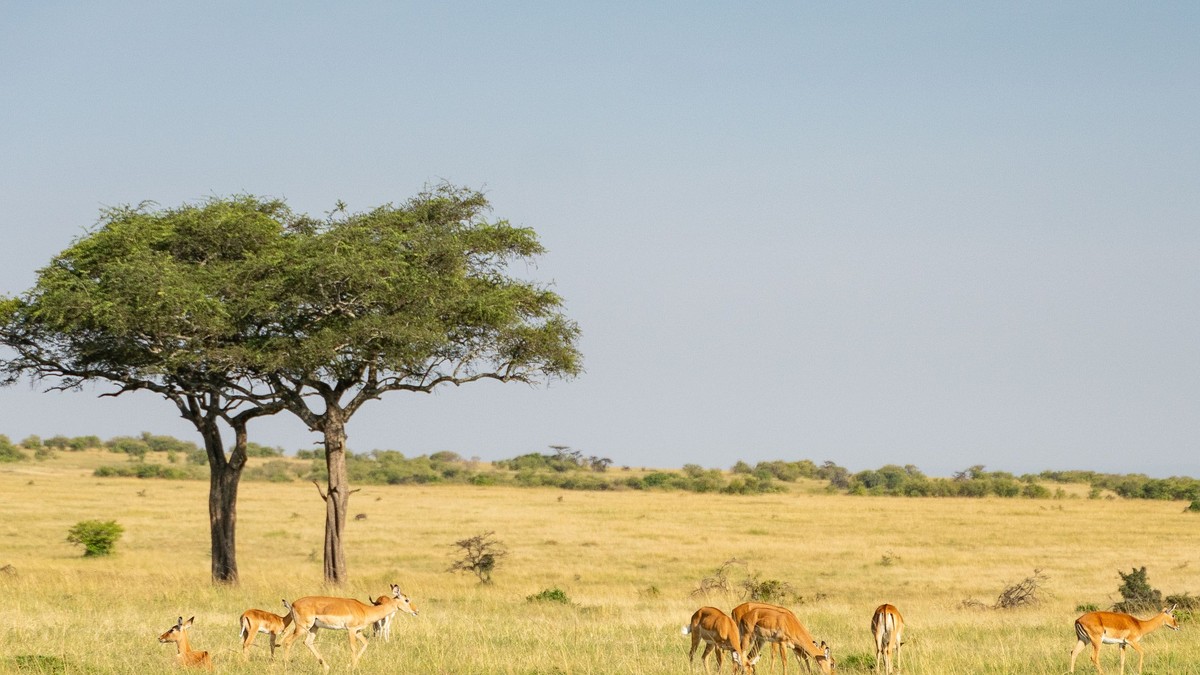
Pumping, Sterilizing, and Storing Milk Without Reliable Power
This is the part no other guide covers in real detail. It matters if you are pumping to build a stash or maintain supply while traveling. Many tented camps in the Mara and Laikipia run on solar power with battery backup. That usually covers charging a pump overnight, but it may not run a fridge around the clock. Before booking, ask specifically whether the camp has a working fridge or chiller box, not just “electricity.” Those are different things.
Camps like Sirikoi in the Lewa Wildlife Conservancy and Sweetwaters Serena Camp at Ol Pejeta keep fridges in their family cottages. That makes storing expressed milk for 24 to 48 hours straightforward. Cold-water sterilizing tablets pack lighter than a steam unit and work without any power at all. Bring a small supply as backup even at camps with electricity. A wide-mouth insulated flask with ice packs, refreshed each morning at camp, will get you through a full day of game drives without a fridge in the vehicle.
Choosing a Camp: Kitchenettes, Cots, and Family Rooms
Not every classic safari camp is set up for a baby. It is worth asking directly rather than assuming. Look for a cot or crib on request, plus a private bathroom with hot water on demand. Ideally, ask for a small kitchenette or fridge in the room, not only in a central kitchen. Ground-floor or family-suite rooms also cut down on stairs when you are carrying a baby and a diaper bag at once.
We keep an updated shortlist of family-friendly safari lodges with nursing-friendly rooms. It covers options from budget-friendly to full luxury, all vetted for baby gear on request.
A Real Day on Safari With a Nursing Baby
Here is what an actual day looks like, based on families we have guided through the Mara and Laikipia. Morning game drives usually leave camp around 6:30am. With a baby, we shift that closer to 7:30am. We build in a feeding stop about 90 minutes in, parked safely under a tree with the engine off. Nappy changes happen on a portable mat in the back of the vehicle, since most guides carry extra water and wipes as standard.
Midday is nap and feed time back at camp, followed by lunch and a break through the hottest hours, roughly 1pm to 4pm. The afternoon drive runs shorter, from about 4:30pm to 6:30pm, timed around sunset rather than a full second circuit. Most families with a baby under one find two shorter drives a day far easier than one long one.
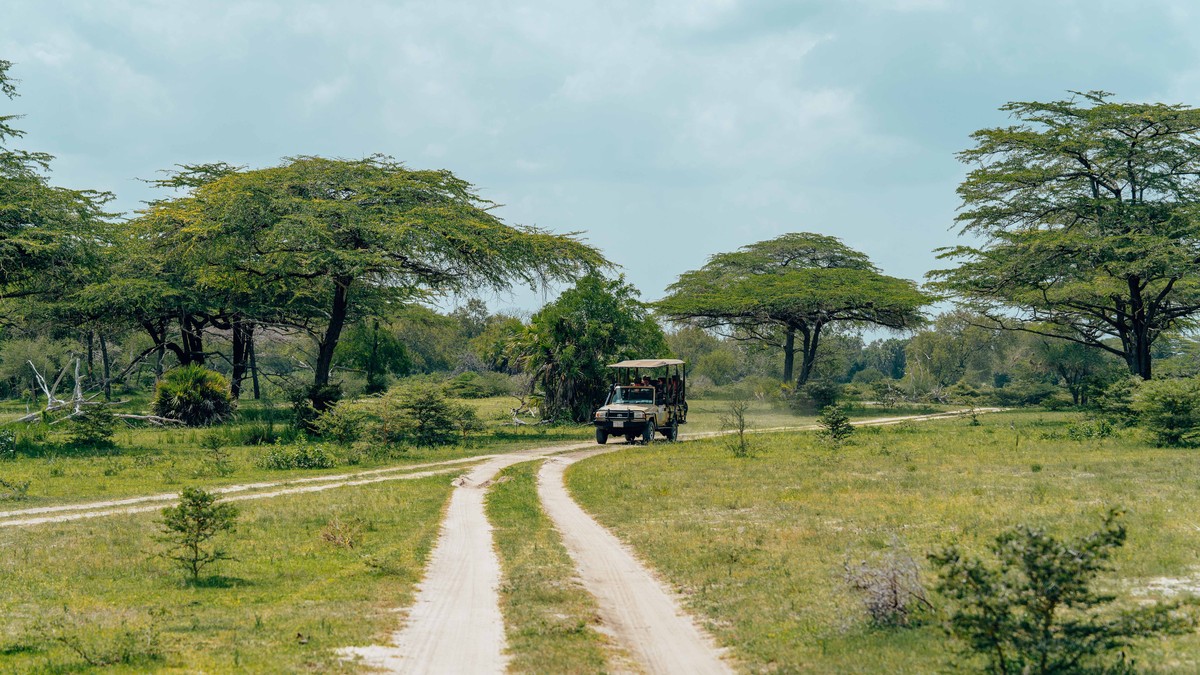
Self-Drive or Guided: Which Works Better With a Baby
A self-drive safari gives you full control over stops, which sounds appealing with a baby on board. In practice, it also means navigating unmarked tracks, changing a tire, and finding your own fuel and water. A guided safari with a driver-guide means someone else handles all of that while you focus entirely on your baby. For a first trip with a breastfeeding infant, we almost always recommend guided over self-drive. It costs more, typically $250 to $450 a day for a private vehicle and guide, depending on the region and season.
Packing Checklist for a Breastfeeding Mom
Pack a manual pump as backup, even if you normally use an electric one. Add cold-water sterilizing tablets, a wide-brimmed hat, and long-sleeved layers for both of you. Bring insect repellent safe for infants, and permethrin-treated clothing rather than repellent directly on a very young baby. Pack a portable changing mat and at least three days of spare formula or expressed milk, in case a flight is delayed. Bring more diapers than you think you need. Rural shops carry limited baby brands, and a supply run can cost you half a game drive.
The Valley Safaris Difference
We have planned baby and toddler safaris for families since before it was a common request. We build every itinerary around the baby’s schedule first, not the other way round. That means we call ahead to confirm a working fridge in your room, not just “power.” We brief your guide on feeding stops before you ever climb into the vehicle. We also keep drive times honest. If a transfer runs six hours by road, we will tell you, and offer the flight option instead of glossing over it. Every family we guide gets a direct line to their trip planner throughout. A change in routine on day three never means starting over with someone new.
Let’s Plan Your Trip
If you are weighing a Kenya safari with a breastfeeding baby, we would love to help. Let’s build an itinerary that fits your feeding schedule, not the other way round. Have a look at our family safari packages, or get in touch through our contact page to start planning.