A friend messaged me last month asking if she could just rent a car in Nairobi and drive herself to the Masai Mara. Short answer: yes. Longer answer: only if you get the paperwork right first.
A self-drive safari Kenya rental is legal, and it can save a backpacker a real chunk of money compared to a guided trip. But rental companies and park gates are strict about documents, vehicle type, and age. Get one thing wrong and you’re stuck at a barrier in Sekenani or paying a fine you didn’t budget for. Here’s what you actually need, with real numbers.
Documentation Requirements: What You Must Carry
Every self-drive renter in Kenya needs three documents in the car at all times.
A valid passport. Rental desks photograph it at pickup, and park rangers may ask for it at entry gates.
Your national driving license from home, in English or with a certified translation.
An International Driving Permit (IDP). Kenya recognizes the 1968 Vienna Convention IDP, so get one before you fly. In the US, that means an application through AAA. In the UK, it’s the Post Office. Get it stamped and signed before departure. It takes minutes at home and days or weeks if you try to sort it out once you land.
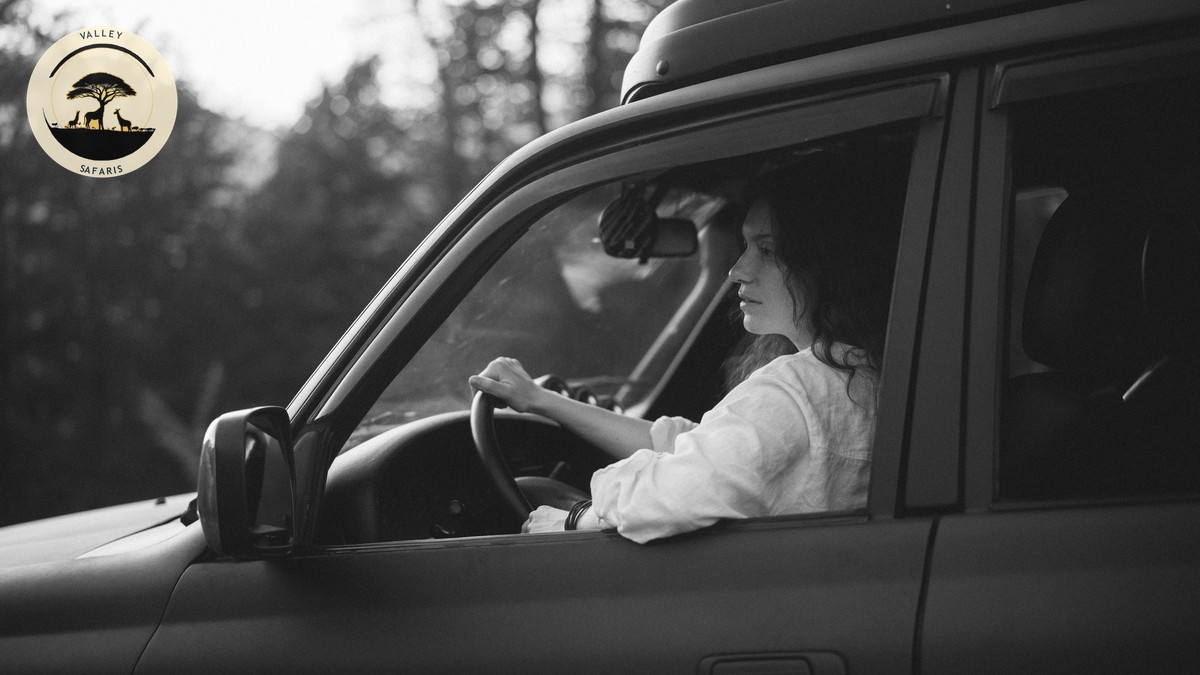
Some rental companies, including Valley Safaris, will still rent to holders of a UK, EU, US, Australian, or Canadian license without an IDP, since Kenyan traffic law allows a foreign license for up to 90 days. But most companies ask for the IDP anyway because park authorities and traffic police sometimes don’t know that rule. Bring both. It costs you $20 and ten minutes, and it removes any argument at the gate.
Age and Experience Requirements
Kenyan self-drive rental companies set age floors and ceilings, and they enforce them.
- Standard age range: 23 to 70. Most companies won’t rent to anyone younger or older without extra paperwork.
- Under 25 surcharge: expect $10 to $15 a day extra, sometimes called a “young driver fee.”
- Over 65 to 70: many companies ask for a medical fitness letter or simply cap coverage.
- Minimum driving experience: at least 2 to 3 years holding a full license, not a provisional one.
If you’re 21 and backpacking through Kenya on a gap year, expect to be turned away by most 4×4 self-drive outfits, or offered a car with a driver-guide instead. That’s not a money grab. Insurers set these floors, and rental companies just pass them on.
Vehicle Requirements: Why 4×4 Isn’t Optional
This is where a lot of budget travelers get caught out. A sedan or a small hatchback will not survive the roads inside most Kenyan parks, and several reserves won’t let you in with one.
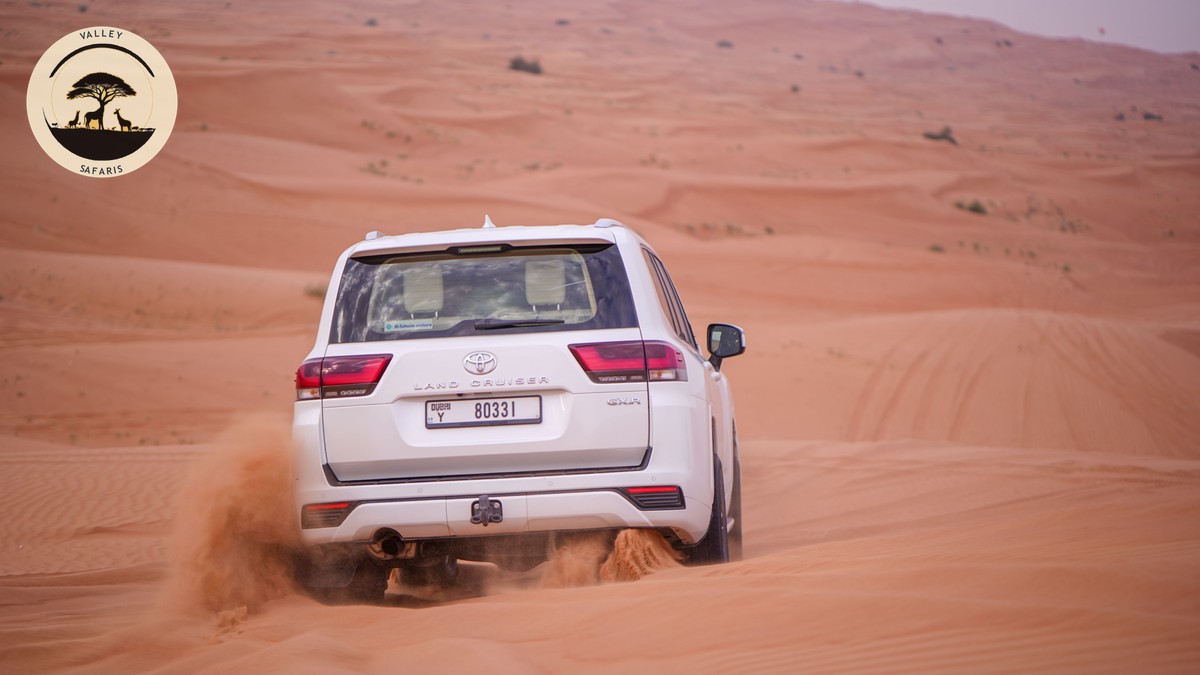
For parks like Amboseli or Tsavo West, a standard 4×4 like a Toyota Land Cruiser Prado or a Toyota RAV4 (older, higher-clearance models) works fine on the main tracks. If you’re planning a route through Tsavo West yourself, budget extra time for the black cotton soil sections near Chyulu Gate, which turn slick after rain.
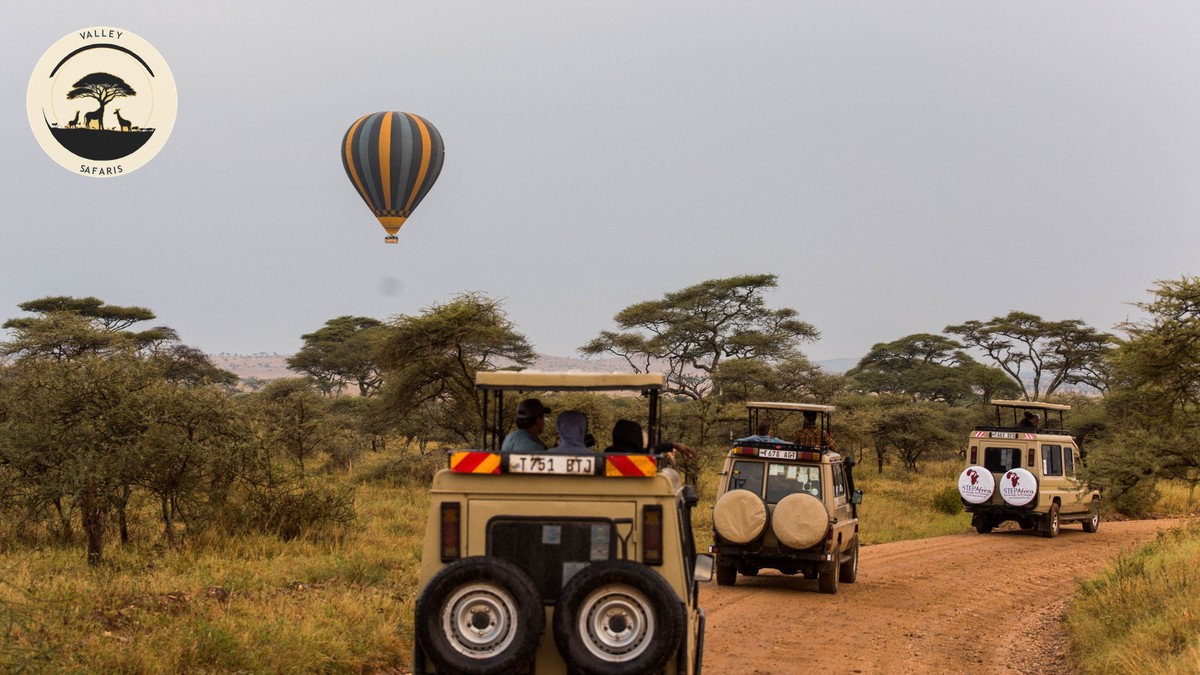
For the Masai Mara specifically, most conservancies and the main reserve require a 4×4 with a pop-up or hatch roof, so you can stand and view wildlife without leaving the vehicle. A closed sedan roof is both against the rules and useless for game viewing.
A Toyota Land Cruiser 78 or a Toyota Prado with a pop-up conversion is the standard choice. Expect to pay more for these than for a basic 4×4, since they’re purpose-built for safari use.
Self-Drive Safari Kenya Rental Costs: A Real Breakdown
Here’s how the numbers usually break down for a 7-day self-drive rental picked up in Nairobi.
| Item | Budget 4×4 (no pop-up) | Pop-up Roof 4×4 (Mara-ready) |
|---|---|---|
| Daily rate | $70-$95 | $120-$170 |
| Comprehensive insurance | $10-$15/day | $15-$20/day |
| GPS/navigation device | $5-$8/day | $5-$8/day |
| Refundable deposit | $500-$800 | $1,000-$1,500 |
| Optional driver-guide add-on | $30-$40/day | $30-$40/day |
| 7-day total (car + insurance, no driver) | roughly $595-$770 | roughly $945-$1,330 |
Deposits are usually held on a credit card, not cash, and refunded within 7 to 14 days after return if the car comes back undamaged and with a full tank.
Fuel isn’t included. Diesel in Kenya runs around KES 175-190 per liter as of mid-2026, and a Land Cruiser will use roughly 12 to 15 liters per 100km on rough park roads.
Park Permits and Self-Drive Rules by Reserve
Every Kenya Wildlife Service park charges a daily conservation fee, paid per person, not per car. Masai Mara National Reserve (run by Narok County, not KWS) charges non-resident foreigners around $80 per adult per day in peak season. Amboseli National Park charges around $60. Tsavo West is around $52.
Self-driving is allowed in all three, but rules differ. In the Masai Mara, you must stay on marked tracks, and off-roading to chase a sighting is banned and fined on the spot if a ranger sees you. In the Mara conservancies bordering the reserve, like Naboisho or Olare Motorogi, self-drive is often restricted entirely, and you need a licensed guide from a partner camp.
Gates close to new entries by 6:15pm in most parks, and everyone must be at a designated camp or exit gate by 6:30pm. Night driving inside parks is not allowed, for good reason. Elephants and buffalo don’t show up in headlights until you’re far too close.
Self-Drive vs. Guided: The Honest Trade-Off
Self-drive saves money on a group trip. Split a $130-a-day 4×4 five ways among backpackers, and you’re each paying less than $30 a day for the vehicle. A guided safari with a driver-guide in a shared vehicle usually runs $150-$250 per person per day, all-in.
But a driver-guide earns their $30-$40 daily add-on fast in places like the Mara, where finding a leopard means reading tracks and radio chatter from other guides, not just driving around hoping. If you want to see how the full cost picture compares, our guide on how self-drive costs compare to a guided Kenya safari breaks down both budgets for a two-person trip.
For backpackers joining a group and splitting costs, self-drive to Amboseli or Nakuru, both reachable on decent tarmac and simple park roads, is a genuinely good option. For a first trip into the Mara’s maze of unmarked tracks, most of our guests are glad they added a driver-guide, even for just the first two days.
Safety Tips for Foreign Drivers
Kenyan roads reward caution. A few things worth knowing before you go:
- Matatus (shared minibuses) stop without warning. Leave following distance.
- Speed bumps near towns are often unmarked. Slow down through any settlement.
- Carry a paper map as backup. Signal can drop for long stretches, especially past Narok heading toward the Mara. Picking up a local SIM or eSIM for offline navigation before you leave Nairobi solves most of this.
- If your car breaks down inside a park, stay with the vehicle and call the rental company’s emergency line first, then KWS or the reserve office. Don’t walk for help. That’s a rule, not a suggestion.
Booking Lead Time
Peak season, from July through September and over Christmas, books out fast. Reserve your self-drive vehicle at least 6 to 8 weeks ahead if you want a pop-up roof 4×4 in July. Shoulder season (March-May, November) is far more flexible, and you can often book 2 weeks out.
The Valley Safaris Difference
We fit every Mara-bound renter with a pop-up roof vehicle as standard, not an upsell. Our team walks you through the IDP and age requirements before you pay a deposit, not after, so there are no surprises at pickup. And if you want a driver-guide for just part of the trip, say the Mara leg but not Amboseli, we’ll split the booking that way. Most rental desks quote you one package. We’d rather build the one that fits your route and your budget.
We also brief every self-drive guest on the specific gate rules for the parks on their route, since Narok County and KWS don’t always publish the same version of the rules online.
Plan Your Route With Us
If you’re weighing self-drive against a guided trip, or just want someone to sanity-check your route and vehicle choice, get in touch through our contact page and we’ll help you plan a Kenya safari that fits your budget and your comfort level behind the wheel.