Last month a family of five stood at the Safarilink counter at Wilson Airport in Nairobi, unzipping two hard-shell suitcases at the gate because they were 8kg over the limit. Their kids’ rain boots, a full bin of Lego, and three extra outfits stayed behind with a driver. It happens more than you’d think.
Packing for kids on safari is not the same job as packing for adults. You are balancing tiny plane weight limits, malaria zones, sudden temperature swings, and a child’s actual attention span on a four-hour game drive. This safari packing list for kids covers all of it, with real numbers from Kenya itineraries, not vague advice about “layers” and “neutral colors.”
The Weight Limit Comes First in Any Safari Packing List for Kids
Before you pack a single sock, check your internal flight. Most Kenya safari circuits use light aircraft from Wilson Airport to airstrips like Musiara, Ol Kiombo, or Kalama. These planes cap luggage at 15kg per person in a soft-sided duffel bag, sometimes less on smaller Cessna Caravans.
That 15kg has to include your child’s clothes, shoes, toys, and any car seat you’re not wearing on your lap. Hard suitcases usually get refused outright because they don’t bend to fit the hold. For the exact numbers by aircraft and airline, our guide to small aircraft luggage weight limits breaks down Safarilink, AirKenya, and charter allowances in detail.
The practical result: pack for laundry, not for a week. Most tented camps offer same-day or next-day laundry, often free for kids’ clothes. Plan on three outfits per child, not seven.
Age by Age: What Actually Matters
Toddlers (under 4)
At this age, sleep and safety beat sightseeing. Pack a compact travel cot sheet if your camp doesn’t supply one, a favorite comfort item, and enough diapers for the full trip since rural shops rarely stock familiar brands. Skip the stroller for game drives; most vehicles don’t have room. A soft carrier works well for camp walks.
School-age kids (5 to 12)
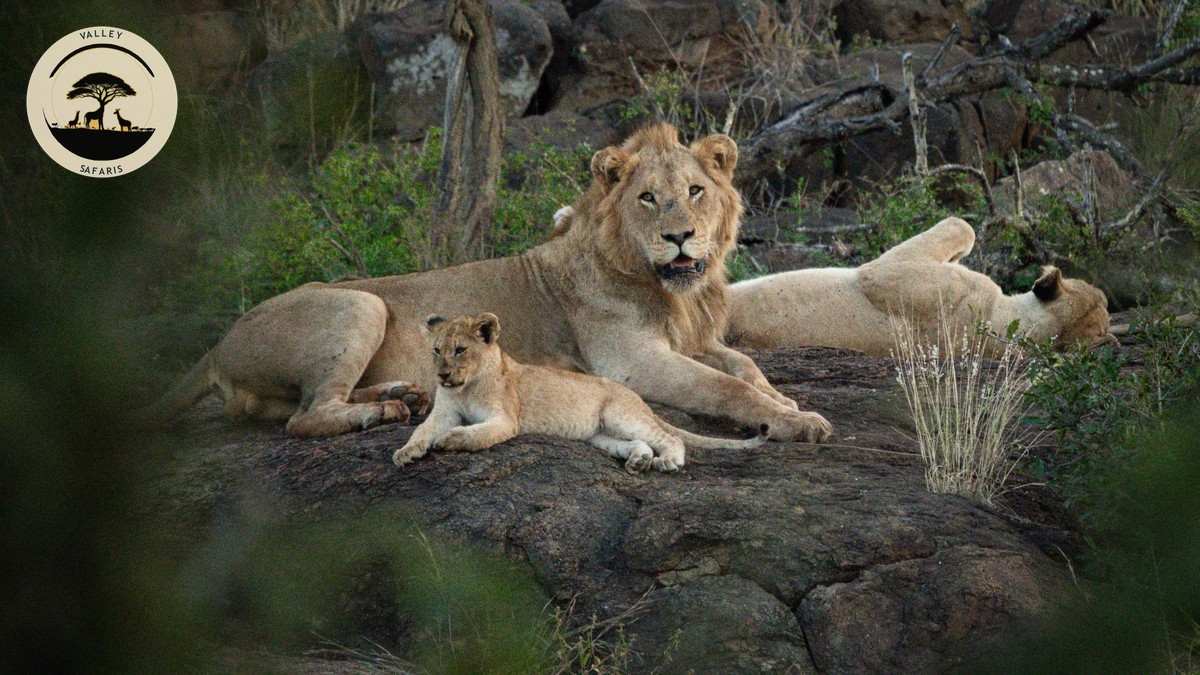
This is the sweet spot for safari. Pack binoculars sized for smaller hands, a simple animal ID book, and a blank notebook for a sighting journal. Kids this age remember details adults miss, like which lion cub had the torn ear.
Teens (13 and up)
Teens want independence and good photos. A phone with an offline maps app, a proper camera or a phone with a strong zoom, and a lightweight power bank matter more than toys. Most camps run on solar power, so a portable charger for the vehicle is genuinely useful on long days.
Clothing Colors and Fabrics That Work in the Bush
Stick to khaki, olive, and soft brown for game drives. Bright colors like red or white can spook animals or draw insects. In tsetse fly zones, which include parts of the Maasai Mara and South Rift, avoid dark blue and black. Tsetse flies are drawn to those colors specifically.
Cotton and quick-dry synthetic blends work better than heavy denim, which takes days to dry after a laundry service in humid weather.
Layering for Cold Mornings and Hot Afternoons
Mara mornings can dip to 12°C at a 6am game drive departure, then climb past 28°C by midday. Pack a fleece or light puffer jacket, a long-sleeve layer, and a light rain shell, even in the dry season. Convertible zip-off pants work well for kids who run hot, since they save you packing separate shorts and trousers.
Sun and Insect Protection
Kenya sits near the equator, so sun exposure is intense year-round. Bring SPF 30 or higher, reapplied every two hours on game drives, plus a wide-brim hat with a chin strap so it survives an open vehicle. Add sunglasses with UV protection for kids old enough to keep them on.
For insects, pack a DEET-based repellent for children over two months old, or a picaridin alternative for younger or more sensitive skin. Permethrin-treated clothing adds another layer of protection, especially useful in Samburu and the Tsavo lowlands where malaria risk is higher.
Footwear and Camp Accessories
Closed shoes matter more than parents expect. Camps like those in the Mara and Amboseli sit in open bush, and closed-toe shoes protect against thorns and the odd scorpion near walkways. Pack one sturdy pair for game drives and a pair of sandals or flip-flops for camp downtime. Bring extra socks, since dust gets into everything.
Entertainment and Curiosity Kit
Long game drives, sometimes three to four hours at a stretch, need a plan beyond a tablet. Pack:
- Binoculars, one pair per child if the budget allows
- A small notebook and pencil for a sighting log
- An animal or bird ID card set (many camps sell laminated Mara or Amboseli versions)
- A soft toy or two for younger kids, packed in the daypack, not the checked bag
- Snacks that don’t melt, like dried fruit or nut bars, since some parks limit vehicle food due to baboons
Tablets are fine for the plane and downtime at camp, but most parents find kids barely reach for them once real elephants and giraffes are outside the window.
Toiletries and a Simple Medicine Kit
Bring your own children’s paracetamol, an antihistamine for allergic reactions, and an oral rehydration remedy for stomach upsets. Pharmacies in Nairobi carry familiar brands, but once you’re in the Mara or Samburu, options shrink to what the camp’s first aid kit holds. Pack wet wipes generously, at least one pack per child for a week-long trip, plus lip balm with SPF for dry, dusty air.
Malaria Medication for Kids
Most of Kenya’s safari circuits, including the Maasai Mara, Amboseli, and Samburu, sit in malaria-risk zones. Pediatricians commonly prescribe Malarone (atovaquone-proguanil) for children over 5kg, since it has fewer side effects than other options and a simpler dosing schedule. Doxycycline is not given to children under 8 because it can affect developing teeth.
Dosing depends on your child’s weight, not age, so this is a conversation for your travel clinic, not a guess from a packing list. Our comparison of which malaria medication is right for kids walks through the options pediatricians actually prescribe for Kenya trips.
Yellow Fever Certificates for Kids
Kenya does not require a yellow fever certificate for direct entry. It does require one if you are transiting through or arriving from a country with yellow fever risk, including much of East and West Africa. This applies to children too. There is no age exemption for the certificate itself, though the vaccine is not usually given to infants under 9 months.
If your itinerary connects through Addis Ababa, Kigali, or a West African hub, check requirements early. Our full breakdown of the yellow fever certificate rules for Kenya covers which routes trigger the requirement and how to get the certificate before you fly.
Camp Minimum-Age Policies at a Glance
Not every camp welcomes every age. Policies vary widely, so always confirm directly, but here is the general pattern across common Kenya safari circuits.
| Camp or Area | Location | Typical Minimum Age | Family Room Option | Indicative Price (USD/night, all-inclusive) |
|---|---|---|---|---|
| Angama Mara | Maasai Mara, Oloololo escarpment | 6+ for game drives | Two-bedroom family cottages | ~$1,400 pp |
| Governors’ Camp | Maasai Mara, Musiara | No strict minimum | Family tents on request | ~$650 pp |
| Elephant Bedroom Camp | Samburu National Reserve | 5+ recommended | Family tents with extra bed | ~$500 pp |
| Ol Donyo Lodge | Chyulu Hills, near Amboseli | 6+ | Family villas | ~$900 pp |
| Sarova Mara Game Camp | Maasai Mara | No strict minimum | Interconnecting family rooms | ~$300 pp |
Prices are indicative ranges for peak season and shift with the season and exchange rate, so confirm current rates when you book.
What Not to Pack
Skip hardback books. They’re heavy and rarely get finished. Leave hairdryers and full-size toiletries at home, most camps supply basics and run on generator power with limited sockets. Avoid packing a week of outfits per child. With laundry service available at nearly every camp, three days of clothing is enough for a ten-day trip.
The Valley Safaris Difference
We plan family trips the way we’d plan our own. That means building your itinerary around nap schedules and realistic drive times, not just marquee parks. We check each camp’s actual minimum-age policy before we recommend it, so you’re never surprised at check-in. And because we handle the charter flight bookings directly, we tell you the real weight limit for your specific aircraft before you start packing, not a generic number pulled from a brochure.
We’ve also sat with enough families at Wilson Airport repacking bags to know exactly which small mistakes cost the most stress, and we build that knowledge into every itinerary we send.
Ready to Plan Your Family Safari?
If you’re weighing camps, ages, and packing lists all at once, let’s simplify it together. Visit our family safari tours page to see itineraries built around kids, or reach out through our contact page to start planning your trip.